
Key Takeaways
- Check from the ground and accessible indoor areas; do not climb onto your roof.
- Watch vulnerable junctions, drainage and attic moisture, not only slates and tiles.
- After severe weather, document changes once it is safe.
- A small defect does not automatically mean a full roof replacement.
- Use a written scope and clear evidence before authorising work.
How to Keep Your Roof in Good Condition
A roof does not have to be leaking to need attention. A slate can begin to slip, a chimney joint can open slightly, or water can find its way behind flashing long before a stain appears on a bedroom ceiling. The best roof maintenance is less about constantly working on the roof and more about spotting small changes that deserve a closer look.
For a Dublin homeowner, a sensible routine is simple: observe the roof safely from the ground, check the attic when it is accessible, pay attention after severe weather, keep records of changes, and arrange a professional inspection when there is a defect or an unexplained symptom. This guide explains what to look for, which signs matter most, and what should never become a DIY roofing job.
Roof maintenance cannot prevent every storm-related failure or make an ageing roof last indefinitely. However, it can help you spot repairable problems before they affect larger areas of the roof.
A Practical Roof Maintenance Checklist
Use this checklist from a safe position on the ground or inside the house. Binoculars can make exterior defects easier to see. You do not need to climb onto the roof, walk along a flat roof, lean out of a window, or put a ladder against your house to complete it.
Check the Roof Covering
Look for slates or tiles that have shifted out of alignment, missing pieces from an otherwise regular roof surface, fresh fragments on the ground, and loose ridge or hip details. A few displaced units may call for a targeted repair; repeated losses can indicate ageing fixings, poor installation or another wider defect.
On an older slate roof, don’t judge its condition by the colour or age of the slate alone. The slates may remain serviceable while nails, battens or underlay have deteriorated. Equally, a recent-looking roof may still have weak details around roof penetrations.
Look at Chimneys, Valleys and Roof Junctions
Water often enters where two materials or roof slopes meet. From ground level, look for displaced lead flashing, cracked chimney mortar, missing pointing around a stack, and obvious gaps at walls, roof windows or valleys.
The visible point where water enters is not always directly above the stain indoors: water can travel along timber, felt or masonry before appearing. If a chimney leak returns after a previous repair, ask for the surrounding junctions to be examined rather than assuming another bead of sealant will fix it.
Observe Gutters, Downpipes and Roof Edges
After rain, notice whether water is leaving the roof as intended. Overflowing water, disconnected downpipes, sagging gutter runs or persistent staining below the fascia can all indicate a drainage problem. Sometimes the issue is a failed joint or inadequate fall rather than debris. Prolonged overflow can affect fascia boards and the masonry beneath.
Avoid climbing ladders or leaning out to clear gutters yourself. If a repair or replacement is needed, determine the cause and extent before choosing the work.
Check Accessible Attic Spaces
In an accessible loft, use a fixed safe walkway and lighting. Look for fresh water marks, wet insulation, darkening timber, musty smells and signs of daylight around particular penetrations. Do not step between joists, disturb wiring or touch suspect materials. If the roof space is unsafe to enter, leave it alone.
Not every damp patch is a roof leak. Warm, moisture-laden air can condense on colder roof components, particularly where insulation obstructs ventilation or extract fans vent into the attic.
The Sustainable Energy Authority of Ireland explains why moisture control and ventilation must be considered together; its ventilation guidance is useful when the source of damp is unclear.
What to Check After Heavy Rain or a Storm
A calm inspection after severe weather is more useful than investigating during it. Wait until conditions are safe, then compare the roof with how it looked before. Photograph any fallen slates, displaced ridge pieces, unexpected debris or fresh water damage. Keep the date and a short note about the weather and affected rooms.
Check for new staining around chimney breasts, roof windows and upstairs ceilings. Also watch for water entering around a flat-roof outlet or parapet. If you find an active leak, contain the water indoors where safe, keep people away from damaged ceilings and electrical hazards, and arrange professional help. Do not attempt to put a tarp on a roof during high winds.
Met Éireann publishes current weather warnings that can help you plan sensible checks after disruptive conditions. A warning alone does not prove a particular leak was caused by storm damage; condition, timing and evidence still matter.
When Is the Problem Urgent?
Act promptly if water is entering occupied rooms, roof covering or masonry has fallen, a section appears unstable, or people below are at risk. A stain that grows rapidly, bulging plasterboard, or water around lights and sockets also warrants immediate precautions. Do not touch wet electrical equipment; seek qualified help where needed.
A minor-looking mark that has stopped growing may still warrant an inspection, but it isn’t automatically an emergency requiring a new roof. Triage the danger first; then diagnose the defect.
How Maintenance Differs by Roof Type
A maintenance routine should reflect the roof you actually have. Slate, tile and flat roof systems have different vulnerable details and different repair methods. Treating all roofs with the same checklist can miss the cause of a problem.
Natural Slate and Fibre-Cement Slate Roofs
Individual slates can slip because of failed fixings, broken edges or damage to supporting components. An isolated slate may be replaceable, but repeated slipping across one slope may justify checking the condition of nails, battens and the overall fixing pattern. Poorly placed surface sealants are not a substitute for sound fixing and correct overlaps.
On historic roofs, matching slate size, texture and detailing may matter for appearance and conservation. Avoid unnecessary wholesale replacement of sound natural slate solely because a roof is old.
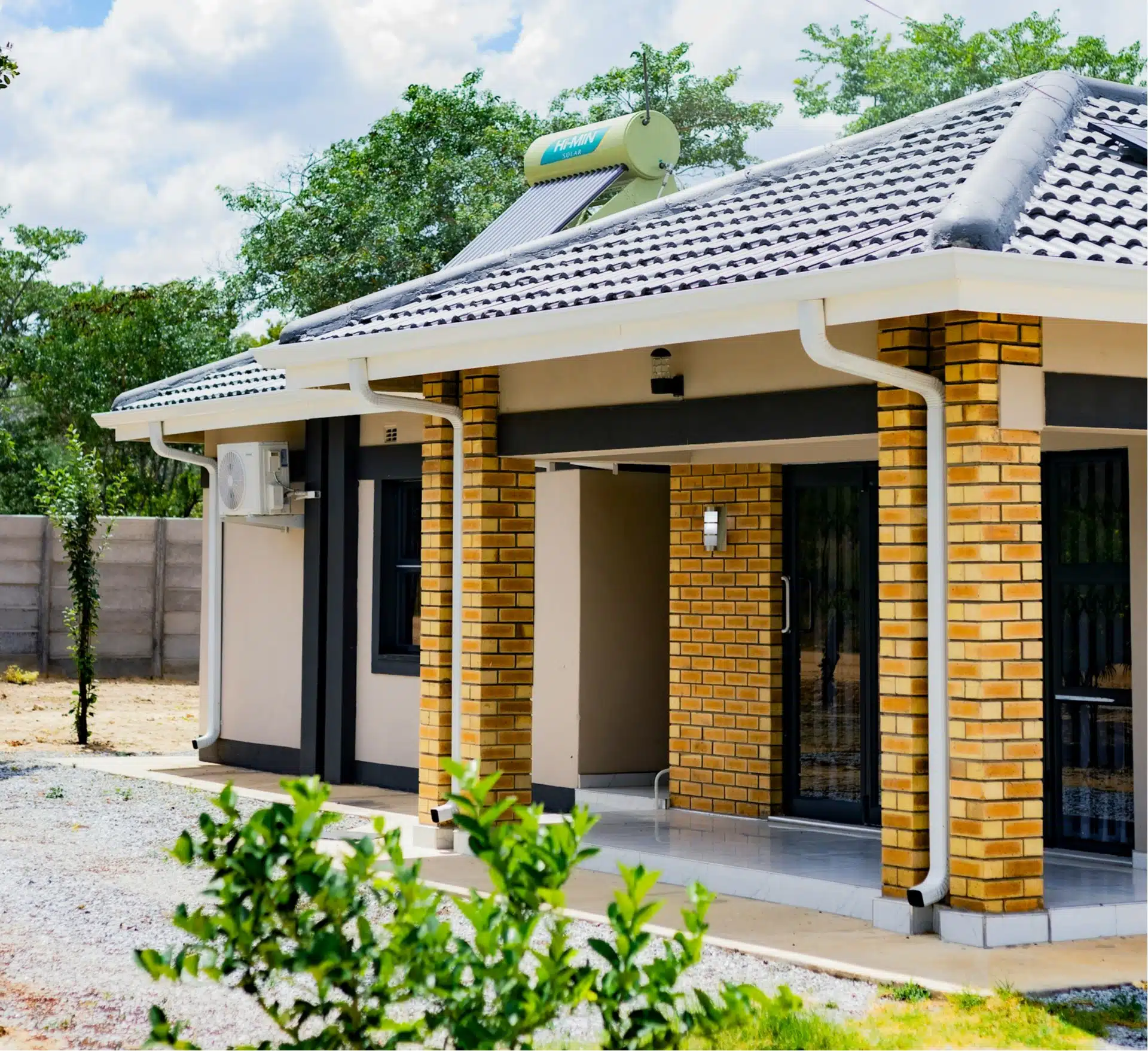
Clay and Concrete Tile Roofs
Tiles can crack, shift or lift at vulnerable edges. Hip and ridge junctions, valleys, verge details and penetrations deserve attention. A tile that has slid out of position can expose the underlay, but the replacement must also address a broken nib, defective fixing or support problem where present.
Tile weight, profile and compatibility matter when considering replacement; a different product cannot simply be substituted without checking the underlying roof design.
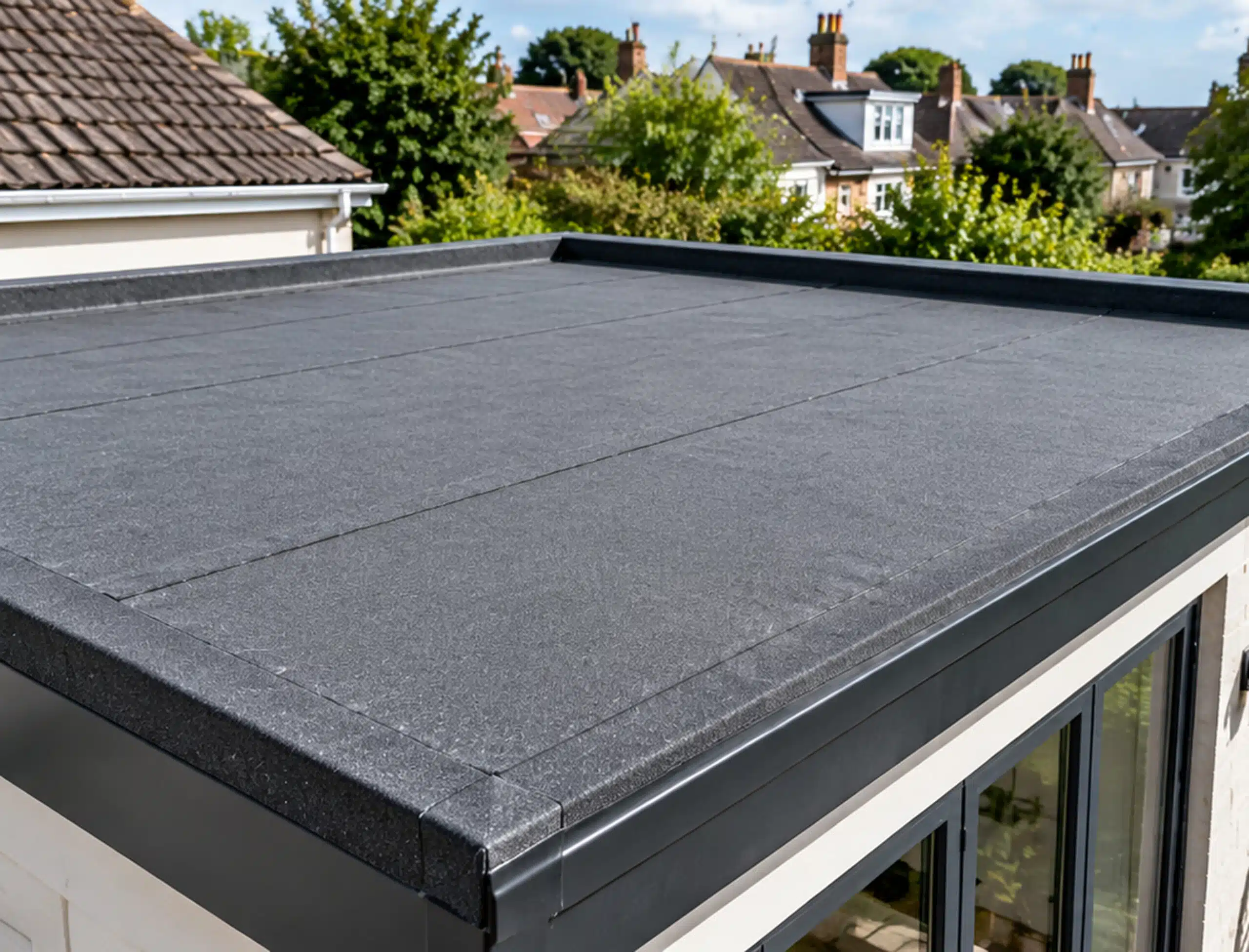
Felt, EPDM and GRP Flat Roofs
On a flat roof, pay particular attention to outlets, standing water, upstands at walls, rooflight junctions and changes in the surface. Blisters, cracks, splits, lifted seams and soft areas can indicate very different problems. Some are local to the waterproofing; others reflect trapped moisture or a deteriorated substrate.
A small puddle immediately after rain is not automatic proof that the membrane is defective. Persistent water, particularly near seams or outlets, deserves assessment with the roof build-up and falls in mind.
For a material-specific explanation, see our EPDM roofing page. Never walk across an unfamiliar flat roof; fragile surfaces and concealed rooflights create serious fall hazards.
The Seasonal Roof Maintenance Plan for Dublin
Instead of setting rigid inspection dates for every property, use the seasons as reminders. The right frequency depends on roof age, exposure, tree cover, previous defects and how safely accessible the roof is for inspection.
Spring: Look for Winter Damage
After winter storms, compare the roofline and look for slipped coverings, storm debris, loose ridge units and staining that appeared during persistent rain. Inside the loft, check whether damp insulation has dried or whether the problem is continuing. Record anything that is changing so a roofer can diagnose it accurately.
Summer: Plan Non-Emergency Work
Drier weather makes it easier to plan repairs and inspect waterproofing details, although roofwork remains weather-dependent. This is a sensible time to resolve known flashing defects, failing roof edges or repeated drainage problems before autumn. Don’t assume warm weather makes a roof safe to access.
Autumn: Prepare for Wind and Rain
Check from the ground that visible gutters and downpipes appear securely attached, examine roof coverings for obvious displacement, and ensure any previously identified repairs have been completed. Properties under mature trees may need drainage attention, but arrange cleaning separately with a provider who offers it. Do not climb a roof or use a ladder to do it yourself.
Winter: Monitor Rather Than Climb
After severe rain or high winds, note changes and any indoor leak symptoms. Avoid roof access during frost, wind, rain or darkness. If a temporary measure is required, qualified contractors should determine when work can be done safely. Some repairs must wait for conditions that allow a durable result.
Roof Leak or Condensation? How to Tell the Difference
One of the most expensive roof maintenance mistakes is treating condensation as a failed covering, or dismissing an actual leak as harmless condensation. The symptoms overlap, but their patterns can give clues.
A leak often becomes more obvious after particular rainfall or wind direction and may affect a concentrated area near a chimney, valley or roof window. Condensation is more likely to appear on colder surfaces or across a broader attic area, especially during cold spells when humid indoor air isn’t adequately extracted.
Neither pattern proves the diagnosis on its own. Wind-driven rain can travel, old staining may remain after a repair, and condensation can coexist with a genuine leak. Check whether bathrooms and kitchens vent properly outdoors, whether insulation blocks eaves ventilation, and whether the roof covering has an identifiable defect.
SEAI explains why maintaining ventilation matters when improving attic insulation. Adding insulation without protecting ventilation can create a new moisture problem instead of curing an old one.
Roof Maintenance Jobs Homeowners Should Not Attempt
The highest-value homeowner maintenance work is observation, record-keeping and timely reporting, not climbing onto roofs with tools. Working at height carries serious risks even on a low extension. A roof may contain hidden fragile areas, wet surfaces, rooflights and edges that are hard to identify.
Do not walk on a roof to inspect slates, apply sealant to a leak, adjust lead flashing, move roof tiles, lift ridge units or reach drainage outlets. Nor should a minor leak become a reason to improvise access across a conservatory or lean out of an upper-storey window.
The Health and Safety Authority’s Code of Practice for Safety in Roofwork highlights the importance of safe access, fall protection and competent planning for roofwork. If the repair requires access, it requires an appropriate safe system of work, not just confidence on a ladder.
What You Can Do Safely
Keep notes, take photographs from a safe location, observe where and when water appears, collect previous repair information and clear ordinary household clutter from safely accessible inspection points. Inside, you can place a container below a drip if there is no electrical or collapse risk. These simple steps make the diagnosis more accurate without risking a fall.
How to Decide Between Roof Maintenance, Repairs and Replacement
Preventative care is appropriate when a roof is functioning but has exposed details or a history that merits observation. Repairs become more urgent when an identifiable defect lets water in or a component is insecure. Replacement is a separate decision, made when the roof system has widespread deterioration, repeated failures or a specification that can no longer be maintained effectively.
For example, a single slipped slate on an otherwise sound slope may justify a targeted repair. A chimney that leaks after heavy wind-driven rain may need investigation of the flashing and surrounding masonry, not a new roof. By contrast, widespread slate slipping caused by failing fixings can require a broader assessment of the roof construction.
For flat roofs, a sound membrane with a small, repairable defect differs from widespread soft decking or multiple failing junctions. Ask for the evidence behind any recommendation, including photographs where safely obtainable and a written description of the affected area.
Age alone is not a diagnosis. Our guide to roof lifespans explains why the covering, fixings, flashings and roof structure can reach the end of their useful service lives at different times.
What a Useful Roof Inspection Should Tell You
A good inspection should answer the practical questions: What is the symptom? What defects are visible? Which defects are likely connected to the symptom? Is a local repair appropriate? Are further checks needed before the full scope can be confirmed?
Where access permits, useful evidence may include photographs of slipped coverings, failing junctions, membrane defects, damaged flashings and drainage points with problems. Some conditions cannot be assessed without opening up a detail or safely accessing a part of the roof; a responsible quotation should say so instead of pretending to know everything in advance.
If repairs are recommended, ask what will be removed and replaced, how adjacent components will be protected, what happens if hidden damage is discovered, and what guarantee applies to the actual work. Keep the written scope and completion photographs for your property records.
A Simple Roof Maintenance Record You Can Keep
You do not need complicated software. A note on your phone or a spreadsheet is enough. Record the date, weather, part of the property, symptom, photographs and any action taken. Distinguish “noticed a stain” from “confirmed a leaking valley”, the first is an observation and the second is a diagnosis.
If the leak returns, this history helps identify whether it is associated with wind direction, particular rainfall, a roof window or a previous repair. It can also help when discussing the roof with a surveyor, insurer or future buyer. Retain quotations, invoices and written guarantee information with the same record.
Roof Maintenance Checklist at a Glance
From the ground: check for displaced slates or tiles, loose ridge or verge elements, damaged roofline components, cracked chimney masonry and water escaping in the wrong place. Indoors: look for new stains, damp insulation, persistent odours and recurring condensation. After storms: compare with previous photos and keep away from fallen materials. Before commissioning work: request a clear diagnosis, a written scope and an explanation of what is and is not included.
If nothing appears wrong, keep observing; that is a valid maintenance outcome. If something has changed, arrange the right assessment rather than buying an unnecessary treatment or assuming the entire roof needs replacing.
Roof Maintenance FAQs
How Often Should I Have My Roof Checked in Dublin?
No single inspection frequency suits every roof: condition, exposure, history and recent weather matter. Check from the ground periodically and after significant storms; arrange a professional inspection if you see damage, a developing leak or recurring symptoms. Older or problem roofs may justify a planned inspection routine.
What Are the Earliest Signs That a Roof Needs Attention?
Slipped slates, displaced tiles, cracks at flashing, loose roof-edge elements and new staining indoors are common clues. A change compared with previous photographs can be more useful than the roof’s age. A single sign does not automatically mean replacement.
Can I Maintain My Roof Without Going Up a Ladder?
Yes. Safe ground-level observations, photographs, attic checks from a safe walkway and good record-keeping are valuable. Anything requiring roof access should be assessed and undertaken using appropriate professional safety measures.
Should I Check My Roof After Every Storm?
It is sensible to observe the roof and affected rooms after unusually strong wind or rain, once conditions are safe. Look for new debris, missing coverings or water marks. Never inspect from the roof during severe weather.
Does a Water Stain Always Mean the Roof Is Leaking?
No. Condensation, plumbing issues and historic staining can look similar. The timing, location, ventilation and roof defects need to be considered together. The cause should be established before paying for waterproofing work.
Can a Few Slipped Slates Be Repaired Without a New Roof?
Often they can, if surrounding coverings, fixings and supports are sound. Widespread slipping or deteriorated fixings may point to a larger issue. A close assessment determines whether local repair is appropriate.
Is Standing Water on a Flat Roof Always a Problem?
Not necessarily. Short-lived surface water is different from persistent ponding, especially around outlets, joints or soft roof areas. The roof design, membrane, falls, and any leak symptoms should be considered together.
What Should I Do If My Roof Starts Leaking During Heavy Rain?
Keep people away from damaged ceilings, protect belongings if safe, contain water away from electrical equipment, and arrange appropriate help. Do not climb onto the roof or attempt a temporary patch during a storm.
How Can I Tell Whether My Attic Has Condensation or a Roof Leak?
Condensation often affects cold surfaces and can worsen with poor ventilation and humid indoor air; a leak may relate to specific rain conditions or a local roof defect. They can occur together, so a proper diagnosis matters.
Do I Need to Replace My Roof Just Because It Is Old?
No. Roof age is context, not proof of failure. Sound coverings may remain usable while other details need repair. Replacement decisions should reflect the condition of the whole roof system, not a blanket age threshold.
What Should Be Included in a Roof Maintenance or Repair Quote?
Look for the roof area involved, defect being addressed, materials, access arrangements, work scope, waste handling where applicable, possible hidden-work allowances and written guarantee terms. Ask how changes to the scope will be agreed.
Can Roof Maintenance Help With an Insurance Claim?
Photographs, dates, inspection records and invoices can help document the roof’s condition, but coverage depends on the policy and the cause of the damage. Maintenance does not guarantee that an insurer will pay for a loss.
Protect Your Roof With Emergency Roofers Dublin
If you have spotted slipped slates, suspect flashing damage, recurring leaks or an ageing flat roof, we can help you understand what needs attention. At Emergency Roofers Dublin, we carry out roof assessments and roof repairs across Dublin, with a focus on identifying the defect before recommending the work.
We can also discuss roof maintenance for vulnerable roof details and, when the wider system has genuinely reached the point of replacement, advise on a new roof installation. Our approved workmanship guarantee for roof repairs is five years, subject to the written terms for the work; do not assume that an unrelated defect or future storm damage is covered.
Tell us what you have noticed, when it began and whether the problem followed a particular weather event. We will help you take the next sensible step without turning every minor defect into a replacement project.