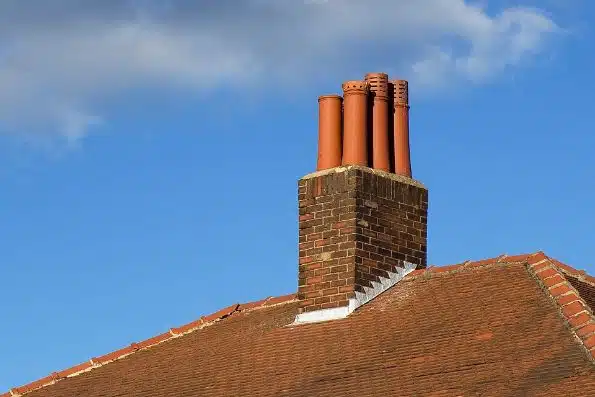
A chimney cowl may look like a small finishing detail, but it sits at one of a house’s most exposed points. The right type can help reduce rain entry, discourage birds from nesting in an open chimney pot or improve wind-related draught problems. The wrong type can restrict a flue, interfere with how a fireplace or stove works, or hide a problem that needs a different repair.
So who should fit a chimney cowl in Dublin? A competent roofing or chimney specialist can normally assess and fit cowls to suitable masonry chimney pots. However, where a chimney serves a stove or other heat-producing appliance, the installer must understand that appliance and flue system.
For gas-appliance terminals, use a Registered Gas Installer for appliance-related assessments or alterations. That distinction matters more than the label on the contractor’s van. This guide explains the types of cowls, when one is useful, how fitting works, what affects cost and the questions worth asking before any work starts.
Who Is Qualified to Fit a Chimney Cowl?
Roofers and Chimney Repair Specialists
Chimney pots are usually accessed from the roof, so access and safe installation are key parts of the job. A competent roofer experienced in chimney work can assess the pot, its flaunching, the stack and any surrounding flashing, then securely fit a suitable cowl. A chimney repair specialist may offer the same service, especially if the pot or masonry also needs attention.
The key question is whether the contractor can identify what the chimney serves and what the cowl is meant to do. Someone who can attach a metal cover is not necessarily qualified to diagnose a smoking appliance, test a flue or approve a terminal for every fuel type.
Stove and Flue Specialists
A solid-fuel stove or liner is a system: the appliance, air supply, connecting pipe, liner, terminal and surrounding chimney all affect its operation. A cowl that suits an unused pot may not suit an active stove. If smoke spillage, poor draw or a recently installed liner is involved, have an appropriate competent stove or flue specialist assess the system before selecting a terminal.
Irish Technical Guidance Document J on Heat Producing Appliances addresses flue design, outlet location, air supply and safe performance. The relevant requirements depend on the appliance and fuel; a generic cowl is not a substitute for these checks.
Registered Gas Installers
Gas flues require particular care. Gas Networks Ireland explains that gas-appliance installation, servicing, safety checks and repairs must be carried out by a Registered Gas Installer (RGI). A roof contractor should not make ad hoc changes to a boiler or gas-fire terminal. If the work affects a gas appliance or its flue, arrange the proper gas-safety assessment first.
What Does a Chimney Cowl Actually Do?
It helps to start with the problem, rather than with a product catalogue. A chimney cowl isn’t one-size-fits-all. Different designs aim to reduce rain entry, keep out birds, alter airflow or protect a particular type of terminal.
Reduce Rain Entering an Open Pot
An exposed chimney pot admits rain directly from above. A well-designed rain cowl can reduce direct entry while keeping the required flue opening unobstructed. But if water enters through cracked flaunching, open mortar joints or defective leadwork, a rain cowl won’t fix those faults. Our guide to roof flashing and leak diagnosis explains why water can travel through roof junctions before appearing indoors.
Discourage Birds and Nesting Material
A correctly specified bird guard can reduce access to an open pot. Mesh must suit the flue and be appropriate for its use: some fine screens may accumulate deposits or restrict exhaust gases, especially on active appliances. Bird guards need accessible inspection arrangements and must never be assumed to make a blocked flue safe. If you suspect nesting or obstruction, do not use the appliance until an appropriately competent specialist has assessed it and made it safe.
Address Some Wind-Related Draught Problems
Strong winds around roof ridges, neighbouring buildings and chimney stacks can create pressure conditions that disrupt an open fire or stove. An anti-downdraught cowl may help where the cause is genuinely wind-related. It will not necessarily correct inadequate air supply, a poorly sized flue, an obstruction, a defective appliance or an incorrectly positioned outlet. If smoke enters the room, stop using the appliance and have the cause investigated rather than fitting a cowl by guesswork.
Types of Chimney Cowls and Their Uses
Rain Cowls and Weather Caps
These are shaped to help shed rain while permitting appropriate ventilation or exhaust flow. The opening and construction have to match the chimney’s use. A weather cap for a disused chimney is not automatically safe for an operational flue.
Bird Guards
Bird guards use a hood, mesh or a combination of the two. They are useful only when the flue can maintain its required performance and the guard is serviceable. Ask how the model can be inspected and whether its mesh is approved for the fuel and appliance involved.
Anti-Downdraught Cowls
These are intended to improve the effect of wind on the flue outlet. The choice between a fixed aerodynamic design and another approved terminal depends on the flue, appliance and surrounding roof geometry. No design can promise to eliminate every downdraught condition.
Revolving or Wind-Driven Cowls
Rotating cowls are sometimes offered for wind-exposed chimneys. Moving parts can require attention, and not every rotating product is approved for every fuel system. Product compatibility and maintenance matter more than an attractive demonstration video.
Terminals for Stove Liners and Other Appliances
These need to be selected against the appliance and liner manufacturer’s instructions, alongside applicable Irish requirements. Changing the termination can affect draught and the removal of combustion products. This is work for an appropriately competent appliance/flue professional, not a generic roof accessory decision.
How to Tell Whether You Need a Cowl or a Chimney Repair
The symptoms below are useful starting points, not final diagnoses.
| What You Notice | Possible Explanation | Sensible Next Step |
| Rainwater appears inside an open fireplace after heavy rain | Open pot, but also possible failed flaunching or masonry | Inspect pot, stack and roof junctions before choosing a rain cowl |
| Birds repeatedly enter the pot | Open flue terminal vulnerable to nesting | Confirm flue use and specify an appropriate guard |
| Smoke blows back on windy days | Wind-related downdraught, outlet position or another flue problem | Stop using affected appliance and arrange competent flue assessment |
| Damp stain appears beside a chimney breast | Flashing, stack masonry, condensation or water tracking | Inspect chimney junctions and internal evidence |
| Cowl is loose, tilted or rattling | Failed fixings, corroded fittings or a damaged pot | Arrange safe roof-level inspection and secure replacement |
| A disused chimney smells damp | Moisture and inadequate ventilation may both contribute | Assess whether a ventilated cap is appropriate |
A chimney can suffer more than one fault at a time. Replacing a cowl may be reasonable, but a cowl should not be sold as a cure for every chimney leak. If the stack or flashing is damaged, targeted chimney repairs in Dublin may be more important.
How Chimney Cowl Installation Is Carried Out
1. Identify the Flue and the Problem
Before selecting a model, the installer should determine whether the chimney is active or disused, which appliance is connected, which symptom is being addressed, and whether the pot is sound. A smoking fireplace, persistent condensation and a damaged cowl are three different jobs.
2. Assess the Chimney Pot, Stack and Access
Cracked pots, failing flaunching and loose masonry cannot be ignored just because a new cowl will cover the top. The contractor should also assess height, roof pitch, fragile surfaces, ground access and the need for a suitable working platform.
Ireland’s Health and Safety Authority guidance on work at height requires competent people to plan and carry out work, with appropriate access and fall-prevention measures. Fitting a cowl is not automatically safe because the fitting itself is small.
3. Select the Correct Cowl and Fixing Method
The right model depends on fuel type, appliance compatibility, pot size, exposure, corrosion resistance and the problem you’re solving. Clamp-on straps, fasteners and other fixings must suit the specific pot or terminal. If a chimney is exposed to coastal weather, the metal and fixings need extra attention.
4. Fit Without Damaging the Existing Chimney
Fix the cowl as the manufacturer specifies, without crushing a fragile pot, leaving sharp, unsecured edges, or creating a water trap around the crown. Poorly secured cowls may loosen in the wind. Where repairs to flaunching or mortar are needed, they should be dealt with as a separate element of the job.
5. Check the Finished Installation
For a standard weather or bird cowl, the installer should confirm it is secure and the pot remains sound. Where an operating appliance is involved, the appropriately qualified person must complete any required appliance/flue checks. A photograph from roof level and a clear record of the exact model fitted are useful for future inspections.
How Much Does Chimney Cowl Fitting Cost in Dublin?
For a straightforward accessible chimney pot, a practical initial budget is often in the low hundreds of euros. Still, the final cost depends on the cowl, the chimney’s condition and safe access. More specialised terminals, difficult access or repairs to the pot and flaunching may increase the total.
| Item Affecting the Quote | Why It Matters |
| Type and specification of cowl | A basic weather cap differs from a specialised appliance-compatible terminal |
| Number and size of chimney pots | Multiple pots may need separate products and assessments |
| Height and roof access | Safe access equipment can exceed the cost of the cowl itself |
| Condition of pot and flaunching | Damaged components may need repair before fitting |
| Appliance/flue requirements | Testing or specialist installation may be required |
| Corrosion resistance and fixings | Exposed locations benefit from suitable long-lasting components |
Ask for an itemised written quotation showing the product, fixings, access arrangements, whether any chimney repairs are included and whether VAT is included. A roof-level photograph and the actual make/model of the cowl make comparisons more useful than a vague line reading “fit chimney cap”.
If a contractor proposes a costly cowl to cure repeated leaks, ask them to explain why rain entering the pot, not failed stack masonry or chimney flashing, is the likely cause. The chimney repair cost guide explains the other repair categories that may affect the quote.
What Dublin Properties Need to Consider
Dublin has a mixture of Victorian and Georgian terraces, older brick stacks, suburban pitched roofs and newer houses with different heating systems. The chimney design matters more than the postcode, but local building types affect the practical work.
Terraced Houses and Shared Chimney Stacks
A shared or party-wall stack may serve several flues. Before fitting a guard or cap, confirm which pot belongs to which fireplace or appliance. A contractor should not cap a neighbouring active flue or assume an unused fireplace means the chimney is entirely redundant. Where ownership or access is unclear, agree arrangements before work starts.
Older Brick Chimneys
Ageing mortar, weathered pots and flaunching can be fragile. Strong clamping forces or unsuitable cement repairs may damage older fabric. If the property is protected or lies within an Architectural Conservation Area, changes affecting external appearance may call for conservation or planning advice. Do not assume every small rooftop alteration is exempt.
Coastal and Exposed Roofs
On exposed roofs, the product and its fixings should be suited to wind and corrosion conditions. A larger-looking cap does not necessarily perform better; suitability, secure fitting and compatibility matter more.
Disused Chimneys
An unused fireplace may still need a ventilated chimney to manage trapped moisture. Permanently sealing a chimney without considering ventilation can create damp problems. Ask whether a ventilated cap is appropriate rather than assuming the pot should simply be blocked.
Chimney Cowl Problems That Deserve Immediate Attention
If smoke or combustion fumes enter a room, an appliance repeatedly spills smoke, a carbon-monoxide alarm activates, or someone develops symptoms consistent with carbon monoxide exposure, stop using the appliance and follow emergency safety advice. Do not climb onto the roof to experiment with the cowl.
Gas Networks Ireland’s carbon-monoxide guidance explains that alarms add a layer of protection but do not replace proper maintenance and appliance checks. Gas appliances must be assessed by a Registered Gas Installer. A damaged cowl can also be a falling-object hazard in high winds; arrange a safe inspection from a competent contractor.
Questions to Ask Before Booking Chimney Cowl Installation
A short conversation before work begins can prevent an expensive mismatch between the problem and the product. Ask:
- What does this flue serve?
- Why is this particular cowl suitable?
- Are the pot and flashing sound?
- How will roof access be managed?
- What product and fixings are included?
- Does the quote include repairs, VAT and any specialist flue checks?
- Will you provide a photograph of the finished installation?
The most useful answers are specific to your chimney. Avoid proposals that promise a cowl will fix all leaks, remove the need for proper appliance checks, or work on every fuel type.
Frequently Asked Questions
Who Fits Chimney Cowls in Dublin?
Competent roofers and chimney repair specialists can often fit suitable cowls to ordinary masonry chimney pots. If the work affects a stove, liner or fuel-burning appliance, use a specialist competent for that system. Gas-appliance flue work requires an appropriately registered gas installer.
Do I Need a Chimney Cowl on Every Pot?
No. It depends on chimney use, exposure and the problem you want to solve. Some chimneys work properly without a cowl; others may benefit from rain protection or a suitable bird guard.
Can a Roofer Fit a Chimney Cowl?
Yes, if the roofer has relevant chimney experience, the product is appropriate, and the work doesn’t cross into appliance-specific or regulated gas-flue work outside their competence.
Can a Chimney Cowl Stop a Leak?
It may reduce rain falling directly into an open pot. It will not repair cracked masonry, failed flaunching or defective roof flashing, all of which can also cause water penetration.
Can a Cowl Cure Smoke Blowing Back Into the Room?
An appropriately chosen anti-downdraught cowl may help some wind-related problems. Smoke spillage can have other causes and requires competent assessment before the fireplace or stove is used again.
How Much Does Chimney Cowl Installation Cost?
Straightforward work is commonly budgeted in the low hundreds of euros, with access, cowl specification, appliance requirements and chimney repairs determining the actual quotation.
Can I Fit a Chimney Cowl Myself?
Roof access carries substantial fall risks, and choosing the wrong terminal can create flue-safety problems. A competent installer is the safer choice; appliance-related work may also require specialised qualifications.
Do Bird Guards Block Chimneys?
An unsuitable or poorly maintained guard can restrict a flue, especially if deposits or debris build up. The guard must suit the appliance and allow for proper inspection.
Should an Unused Chimney Be Completely Sealed?
Not without assessing moisture and ventilation. A ventilated cap may be appropriate, but the correct approach depends on how the disused flue is constructed and its condition.
How Long Does Cowl Installation Take?
The fitting itself may be relatively quick, but safe access arrangements, pot repairs, weather and any required flue checks determine the total job time.
Do I Need a Special Cowl for a Wood-Burning Stove?
The terminal must match the stove and flue manufacturer’s requirements and the installation’s operating conditions. Have a competent stove/flue specialist confirm the specification.
Can a Chimney Cowl Be Fitted in Wet or Windy Weather?
Proceed only when the contractor’s risk assessment shows access and weather conditions are safe. Strong winds and slippery surfaces may require the installation to be rescheduled.
Need a Chimney Cowl or Chimney Repair in Dublin?
If rain is getting into your chimney, the existing cowl is loose, or a chimney pot needs attention, we can assess the roofing and chimney components involved and explain the appropriate next step.
At Emergency Roofers Dublin, we carry out chimney repairs including cowl and pot work, flashing and masonry repairs. Where the issue involves a stove or gas-appliance flue, we will not treat a roof accessory as a substitute for the appropriate specialist safety assessment.
Tell us what you have noticed and, if possible, share a photograph taken safely from ground level. We can discuss the chimney’s condition, the access required and the scope of the proposed work before you decide how to proceed. For enquiries, contact us about your roofing project.