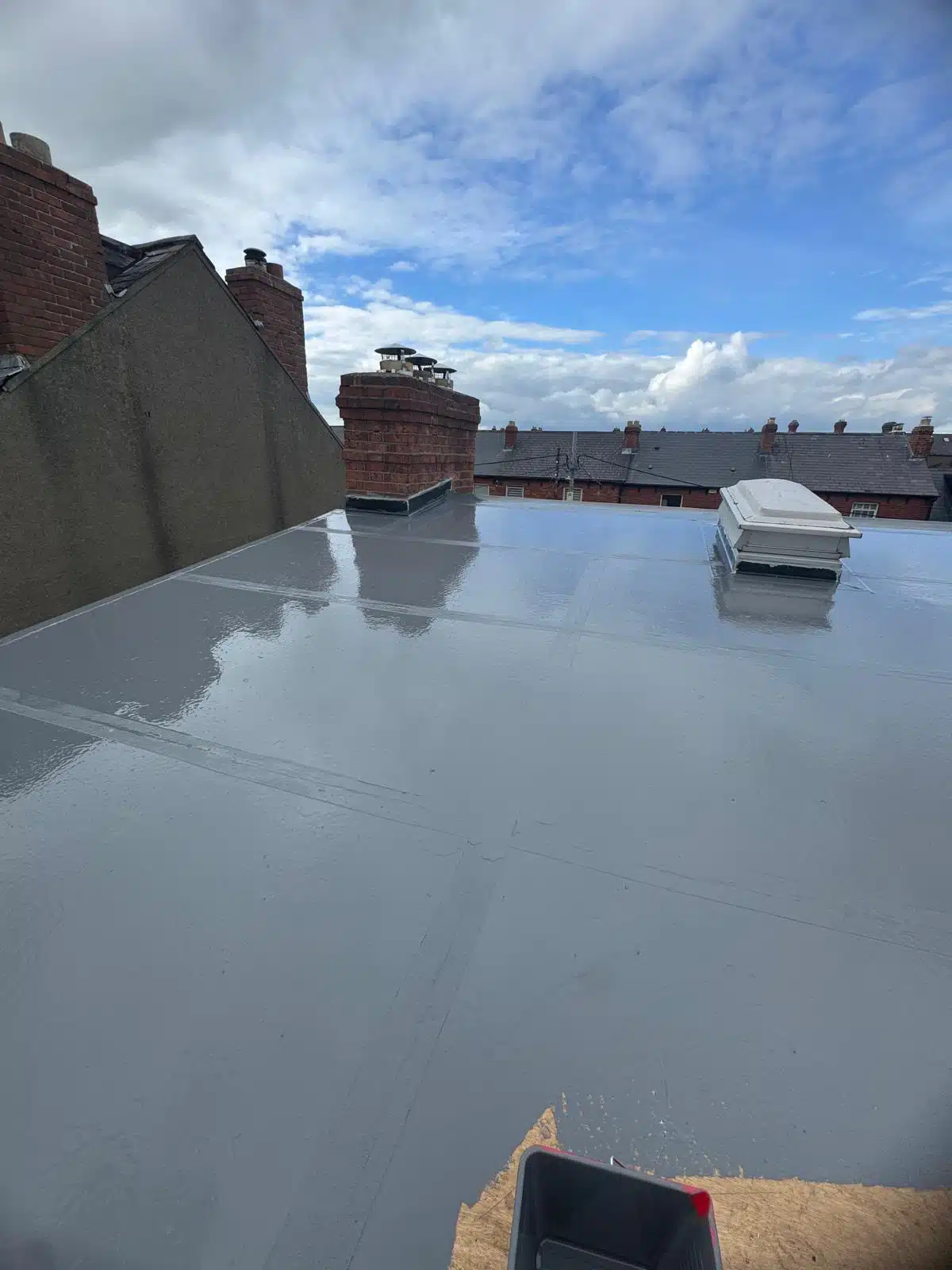
A new roof is one of the largest maintenance investments you can make in a property. For a typical Irish house, a straightforward replacement can cost several thousand euros, while a large or complicated slate roof can run into the tens of thousands.
The useful question is not simply “How much is a new roof?” It is “What roof am I buying, what does the quotation include and which parts of my existing roof actually need replacing?”
As a practical starting point, allow roughly €9,000 – €15,000 for a relatively straightforward concrete-tile reroof on a standard semi-detached house, €12,000 – €17,000 for many artificial-slate projects, and €16,000 – €24,000 or more for natural slate.
Small flat-roof replacements may cost around €3,000 – €9,000. These are broad budgeting bands, not promised prices: size, location, access, roof shape, specification and damaged timber can change the total substantially.
Key Takeaways
- A written roof scope matters more than a headline “from” price.
- Replacement means different things: recovering, stripping and re-covering, or rebuilding damaged structure.
- Natural slate, concrete tile, artificial slate, zinc and flat-roof systems have different labour and detailing needs.
- Check roof area, scaffold, disposal, membranes, battens, flashings, ventilation, insulation, VAT and any timber work.
- Targeted repairs can be better value where the roof is largely sound; widespread defects often change the calculation.
New Roof Cost Ireland
The following budget ranges reflect a comparison of current Irish pricing guides, cross-checked for broad consistency rather than treated as a single national transaction average.
Use them to set a sensible budget before a proper survey. Each row describes a different scope and shouldn’t be compared as though every project involves identical work.
| Typical Project | Planning Range | What to Watch |
| Standard Semi-Detached, Concrete Tiles | €9,000–€15,000 | Normal access, full strip and replacement; check inclusions |
| Artificial-Slate Pitched Roof | €12,000–€17,000 | Slate specification, fixings, complex junctions |
| Natural-Slate Pitched Roof | €16,000–€24,000+ | Slate grade, detailing, skilled labour, roof geometry |
| Detached or Complex Pitched Roof | €14,000–€30,000+ | Extra area, dormers, multiple valleys, roof access |
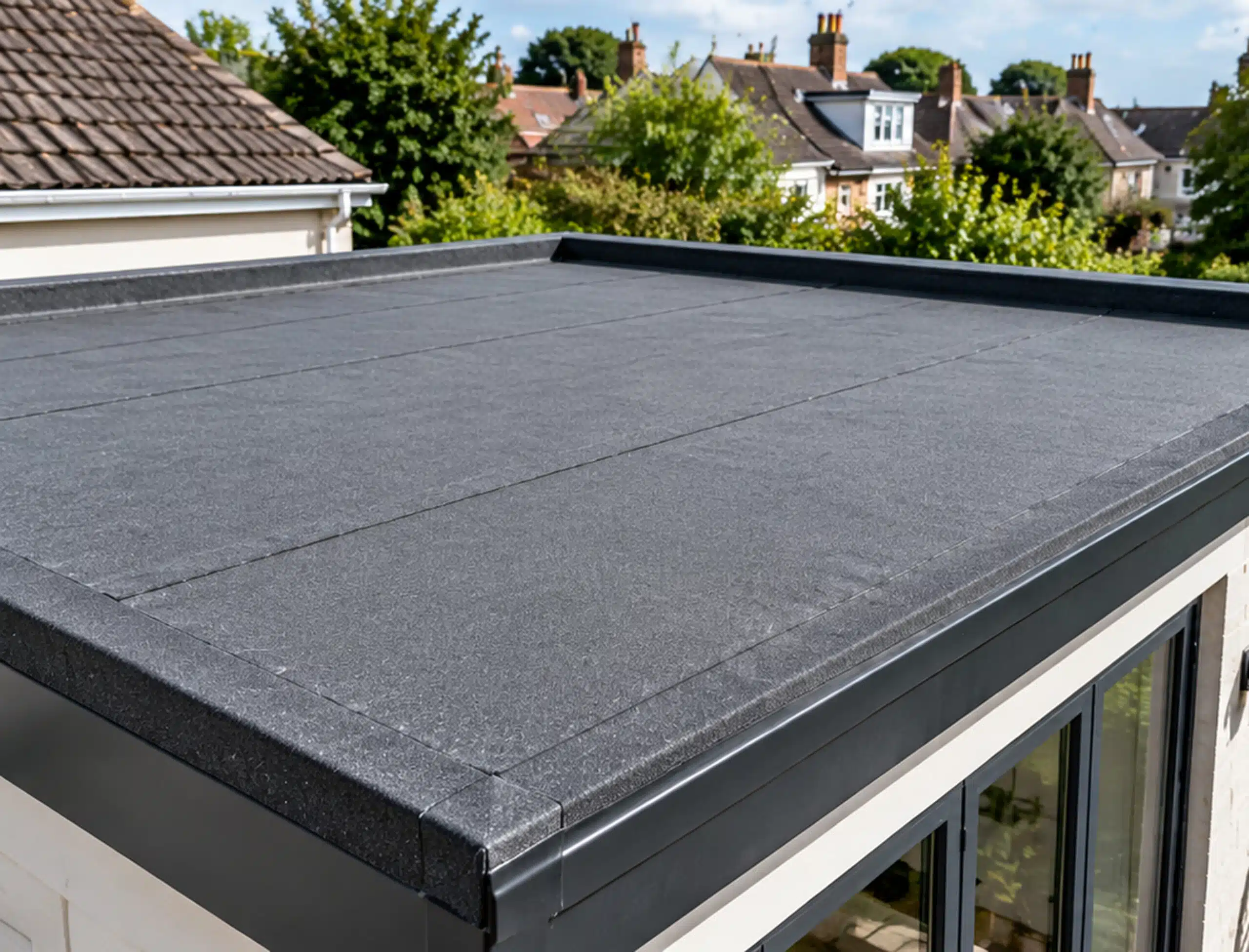
| Small or Mid-Sized Flat-Roof Replacement | €3,000–€9,000 | Area, decking, insulation, outlets, waterproofing system |
These estimates are most useful when you compare like with like.
A detached roof with valleys and four chimneys is not equivalent to a simple two-slope semi-detached roof, even when their measured surface areas are similar.
Likewise, replacing a covering over sound rafters is not the same as rebuilding damaged framing.
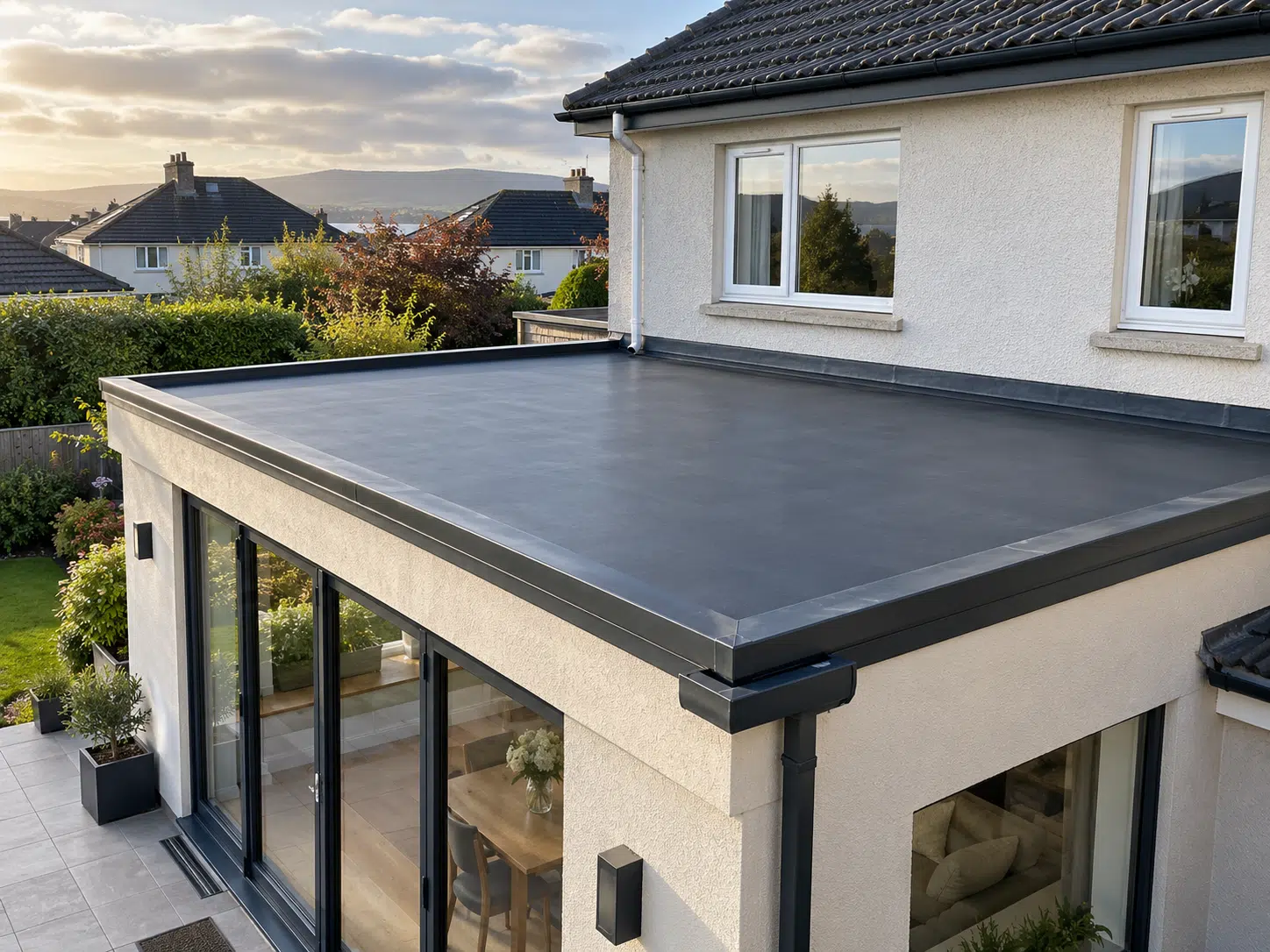
How Much Does a New Roof Cost per Square Metre?
A per-square-metre allowance helps test the scale of a quote, but it doesn’t fully price roof replacement. Contractors must still allow for scaffolding, protection, waste, ridge and edge details, flashings, ventilation, labour, tax and potentially structural repairs.
A small job often costs more per square metre because fixed setup costs are spread across fewer metres.
| Roof Covering | Indicative Covering/Replacement Budget per m² |
| Concrete Roof Tile | About €90–€135 |
| Artificial Slate | About €110–€165 |
| Natural Slate | About €150–€230 |
| Zinc / Standing Seam | About €160–€250 |
| Flat-Roof Felt System | About €60–€100 |
| Flat-Roof GRP System | About €80–€130 |
These area bands are broad guides, not a schedule of rates for every roof. They can be misleading where access or special details dominate the job. Ask whether the measurement is actual sloping roof area or simply the building footprint: these are not the same.
What Affects the Price of a New Roof?
1. Roof Size, Shape and Pitch
A simple gable roof usually involves fewer junctions than a roof with hips, valleys, multiple dormers, roof windows and chimney abutments. Every intersection must be weatherproofed correctly, and every complicated detail introduces material, labour and inspection time.
Very steep pitches or restricted working areas can also demand additional safe-access arrangements.
2. The Difference Between a Re-Cover and a Full Replacement
Some homeowners use “new roof” to mean new tiles or slates. Others also need underlay, battens, flashings, decking or rafters replaced. A quote to lift off tiles and re-cover sound supports won’t compare with one that allows for widespread timber replacement.
Ask the contractor to state exactly which layers are being removed and what happens if hidden rot is discovered.
3. Roofing Material and Specification
Concrete tiles tend to offer a more budget-conscious pitched-roof choice. Natural slate may suit particular traditional properties and appearance requirements but generally costs more. Artificial slate provides another appearance-and-cost trade-off.
Metal, zinc and modern flat-roof waterproofing systems require compatible substrates, fixings and details. The best choice should reflect roof design and condition, not appearance alone.
4. Chimneys, Flashings, Valleys and Roof Windows
Leaks regularly occur at junctions rather than in the middle of a roof plane. A roof with several chimneys, leadwork interfaces, valleys or roof windows may require careful stripping and renewal of those interfaces.
Replacing a roof covering but leaving failed junctions can undermine the entire project. Get each major flashing and valley item described in the scope.
5. Scaffolding, Access and Waste Removal
Scaffolding may be necessary for safe access, edge protection and material handling. A narrow Dublin terrace, rear return with no side access, busy street frontage or limited skip space may add logistical cost.
Clarify who is responsible for licences or permissions where work affects public space; do not assume every property requires the same arrangements.
6. Insulation and Ventilation
For major renovation projects, the government’s energy-efficiency guidance explains when upgraded building performance may be required.
Discuss the specification with an appropriately qualified professional rather than assuming every reroof triggers the same work.
7. Hidden Damage and Contingency
Water-damaged decking, decayed battens, failed underlay and timber problems may not be visible from the ground. A sensible quote describes what is included and provides a documented process for extra work.
Rather than accepting open-ended charges, ask for photos, an explanation and written approval before variations are carried out where practical.
Which Roofing Material Offers the Best Value?
Concrete Roof Tiles
Concrete tiles are widely used on Irish pitched roofs and can be an effective choice when suitable for the building. Compare manufacturer specifications, profiles, colour, durability and roof pitch limitations. Some older roof structures may need checking before material substitutions, especially where weight changes.
Natural Slate
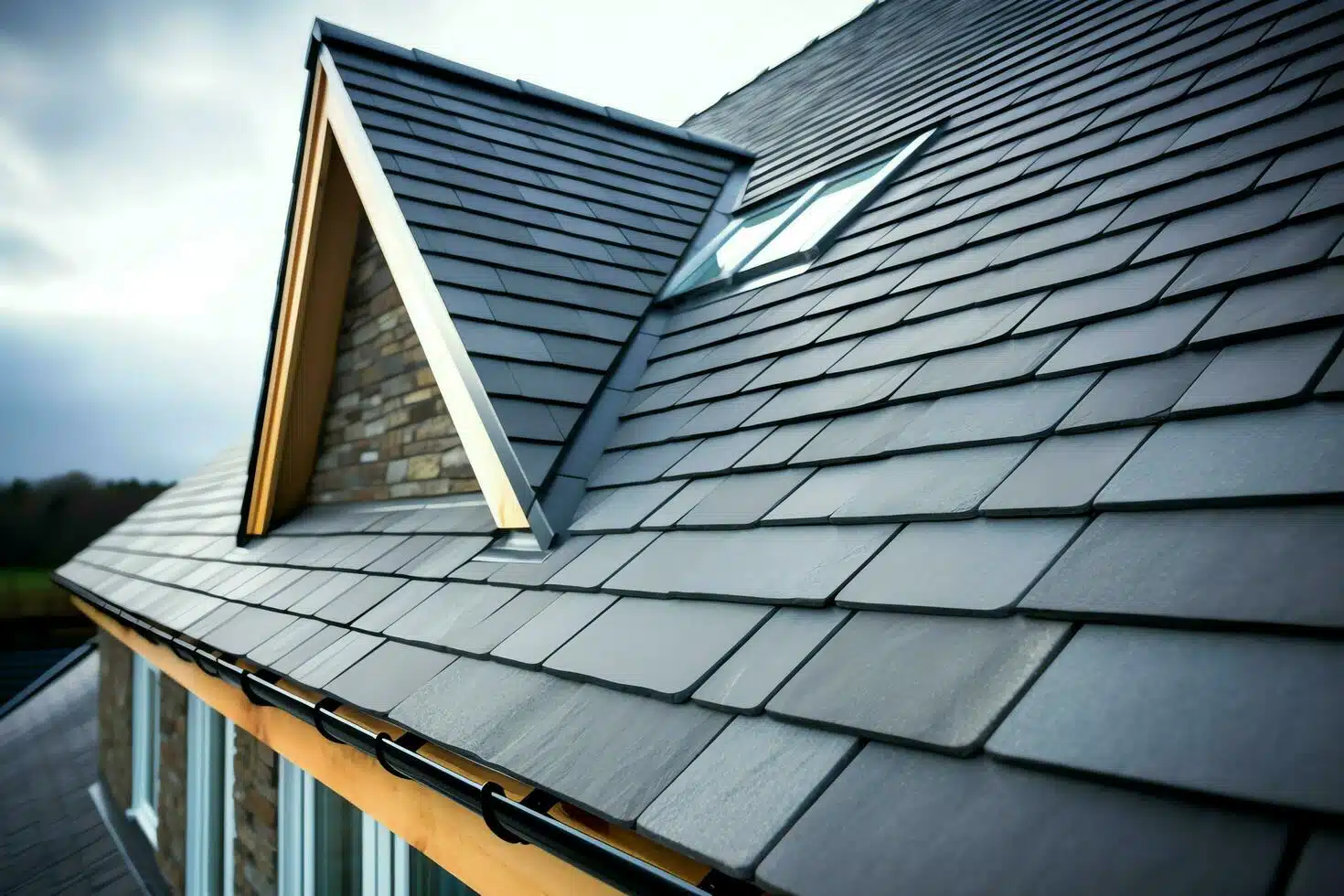
Natural slate is valued for appearance and service life when correctly sourced, designed and installed. It can suit period or traditional buildings, but the quotation should specify slate type, size, quality, fixings and associated flashings. “Natural slate” alone does not tell you what you are buying.
Artificial Slate
Artificial slate can deliver a slate-like finish at a different cost point. The exact product matters. Ask for manufacturer documentation, expected installation conditions and warranty terms instead of treating all fibre-cement or composite products as identical.
Zinc and Other Metal Roofs
Metal roofing is a specialist option for certain roof shapes and architectural schemes. Price depends on the chosen metal, substrate, clips, joints, detailing and installer experience. It may not be a straightforward substitution for tile or slate without a design review.
Flat Roof Systems
Flat roofs need careful attention to drainage, outlets, upstands, parapets and the relationship between waterproofing and insulation. Felt, EPDM and GRP solutions each have system-specific requirements.
The cheapest membrane is rarely the whole story; substrate condition, falls, edges and workmanship determine whether the finished roof performs.
Repair the Existing Roof or Replace It?
A full roof replacement is not always the economical answer. A sound pitched roof with a small cluster of slipped slates or an isolated flashing defect may need a targeted repair.
Conversely, repeated leaks in different locations, extensive failed underlay, widespread slipped coverings or deteriorated roof structure can make continued patchwork less attractive. The right decision is based on the condition of the whole system.
How to Compare Two New Roof Quotes Properly
A quotation should specify more than “remove old roof and fit new slate.”
Ask for the actual measured roof area, proposed material and manufacturer, underlay, battens, fixings, ventilation, ridge system, valley and flashing work, timber provisions, access, waste removal and clean-up.
The price should state whether VAT is included and outline how unforeseen work will be agreed.
If one price is much lower, investigate the missing details before assuming it is a bargain.
- Was the roof measured accurately?
- Is scaffolding included?
- Are gutters or chimney flashing interfaces being reused?
- Is the contractor quoting to keep existing decking, while another has allowed for replacement?
- Will rain protection and temporary weatherproofing be provided during stripping?
The CCPC’s guidance on home-improvement disputes explains the importance of evidence such as quotations, messages and invoices if work later becomes disputed.
What VAT Applies to Roof Replacement in Ireland?
Irish roofing construction services generally fall under the reduced-rate construction-services rules, but VAT depends on the exact supply and the value of materials. Revenue’s construction-services guidance and its explanation of the two-thirds rule set out the distinction.
Before accepting a quote, request the VAT-inclusive total and ask your contractor to explain how they’ve treated VAT. Do not take an untaxed headline estimate and assume every component will attract the same rate.
Are Grants Available for a New Roof?
There is no general SEAI cash grant simply because someone wants to replace ordinary roof tiles or slates. However, qualifying attic insulation or broader energy upgrades may qualify for support. It is worth exploring insulation options early because grant approval and registered-contractor requirements can affect the order in which work is organised.
Check the SEAI attic insulation grant for current eligibility, property conditions, contractor requirements and amounts. Grant-supported insulation should not be confused with a subsidy for an otherwise standard reroof.
Older homeowners who need essential repairs may also qualify for the means-tested Housing Aid for Older People Grant, administered by local authorities. Eligibility, approved work and available funding are not automatic; check the scheme before committing to work.
Do You Need Planning Permission or Building-Regulation Approval?
Replacing a covering on a typical house without materially changing its form may be treated differently from raising the ridge, changing the pitch, constructing a dormer or working on a protected structure.
Protected buildings and architectural conservation areas can involve additional controls. Check site-specific planning constraints with the local planning authority before making significant changes.
Planning permission and compliance with building regulations are separate questions. Structural work, insulation and ventilation can still have technical requirements even when formal planning permission isn’t needed.
Where a substantial renovation is involved, seek qualified guidance on design and compliance rather than relying on a simple rule of thumb.
How Long Does a Roof Replacement Take?
A small, accessible roof can be quicker than a large, intricate roof, but no responsible timetable can be based on floor area alone. Allow time for survey and specification, material lead times, scaffolding, stripping, inspection of hidden layers, repairs, laying the new system, testing and site clearance. Weather can disrupt safe operations even where materials are ready.
Ask for a working-day estimate and a contingency for bad weather. Confirm how the property will be protected if the old covering is removed and rain is forecast. Most residents can often remain at home during ordinary re-roofing, although noise, access restrictions and dust are common. More extensive structural work may call for different arrangements.
How to Prepare Your House for Roof Replacement
Move vehicles away from loading or scaffold zones, protect attic possessions if internal dust or debris is likely, and ask how contractors will access the property.
Discuss pets, children, access to front and rear doors and any nearby solar panels, aerials or roof windows. Tell the contractor about previous leak locations and work already completed.
Avoid climbing onto the roof to inspect it yourself. The Health and Safety Authority’s roofwork code highlights the serious risks of working at height, including fragile materials and rooflights. A competent inspection is a much safer way to assess condition.
Common New Roof Cost Mistakes to Avoid
- Comparing quotes with different material grades or areas.
- Assuming a square-metre estimate includes every scaffold, flashing and timber item.
- Paying for a full replacement before determining whether localised repairs are viable.
- Changing coverings without checking structural suitability, ventilation or heritage constraints.
- Ignoring the VAT-inclusive contract total.
- Leaving contingency and variation approval arrangements unwritten.
- Assuming a grant applies to roofing work without checking the specific eligibility rules.
Frequently Asked Questions
How Much Does a New Roof Cost in Ireland?
As a broad guide, many straightforward concrete-tile reroofs on standard semi-detached houses fall around €9,000–€15,000; natural slate can be €16,000–€24,000 or more. Roof size, materials, access and condition determine the actual price.
What Is the Average Price of a New Roof in Dublin?
There is no single reliable average for every roof in Dublin. A simple roof and a complex multi-pitch property are different jobs. Start with the national planning ranges above and obtain a written specification for your property.
How Much Does a New Slate Roof Cost?
Artificial-slate projects may fall around €12,000–€17,000, while natural-slate reroofs can be €16,000–€24,000 or more. Slate type, roof geometry, labour and junctions can change the figure.
Is It Cheaper to Repair or Replace a Roof?
A localised defect on an otherwise sound roof is often cheaper to repair. Extensive deterioration, multiple recurring leaks or structural defects can make replacement more economical over time.
Does a Roof Replacement Quote Include Scaffolding?
Not always. Ask for scaffolding, safe access, protection and any required permissions to be clearly included or excluded in writing.
Does the Cost Include Removing the Old Roof?
A full strip-and-replace quote should specify removal and waste disposal. A re-cover or partial replacement quotation may have a different scope.
How Long Does It Take to Replace a Roof?
Duration varies by roof size, design, access, weather and hidden defects. Ask for a project-specific programme that includes setup, stripping, installation and final checks.
Can I Stay at Home While My Roof Is Being Replaced?
Often, yes, for conventional re-roofing, though there may be noise, dust and access restrictions. Major structural work can change the arrangements.
Do I Need Planning Permission to Replace My Roof?
Like-for-like roof replacement does not always require permission, but design changes, protected structures and conservation controls can change the answer. Check your local authority before making substantial changes.
Can I Get an SEAI Grant for a New Roof?
A standard reroof is not itself an SEAI attic-insulation grant measure. Eligible insulation or broader energy upgrades may qualify subject to scheme rules and prior approval.
What VAT Should Be Added to a New Roof Quote?
Roofing services generally fall under construction VAT rules, but the exact rate depends on the transaction, materials and invoicing. Request a written VAT-inclusive total.
What Should a 20-Year Roofing Guarantee Cover?
Ask for written terms explaining covered work, exclusions, claim procedure and whether it is a workmanship guarantee or a separate manufacturer warranty. Do not infer that every component and cause of damage is covered.
Get a New Roof Quote in Dublin
If you are planning a new roof or considering replacing a failing one, Emergency Roofers Dublin can assess the roof and discuss a suitable replacement specification. We offer a 20-year guarantee on new roofs and replacements, and €1,500 off new roofs and roof replacements.
See our new roof installation service for details or contact us. If the existing roof may only need targeted work, our roof repair service is also available.