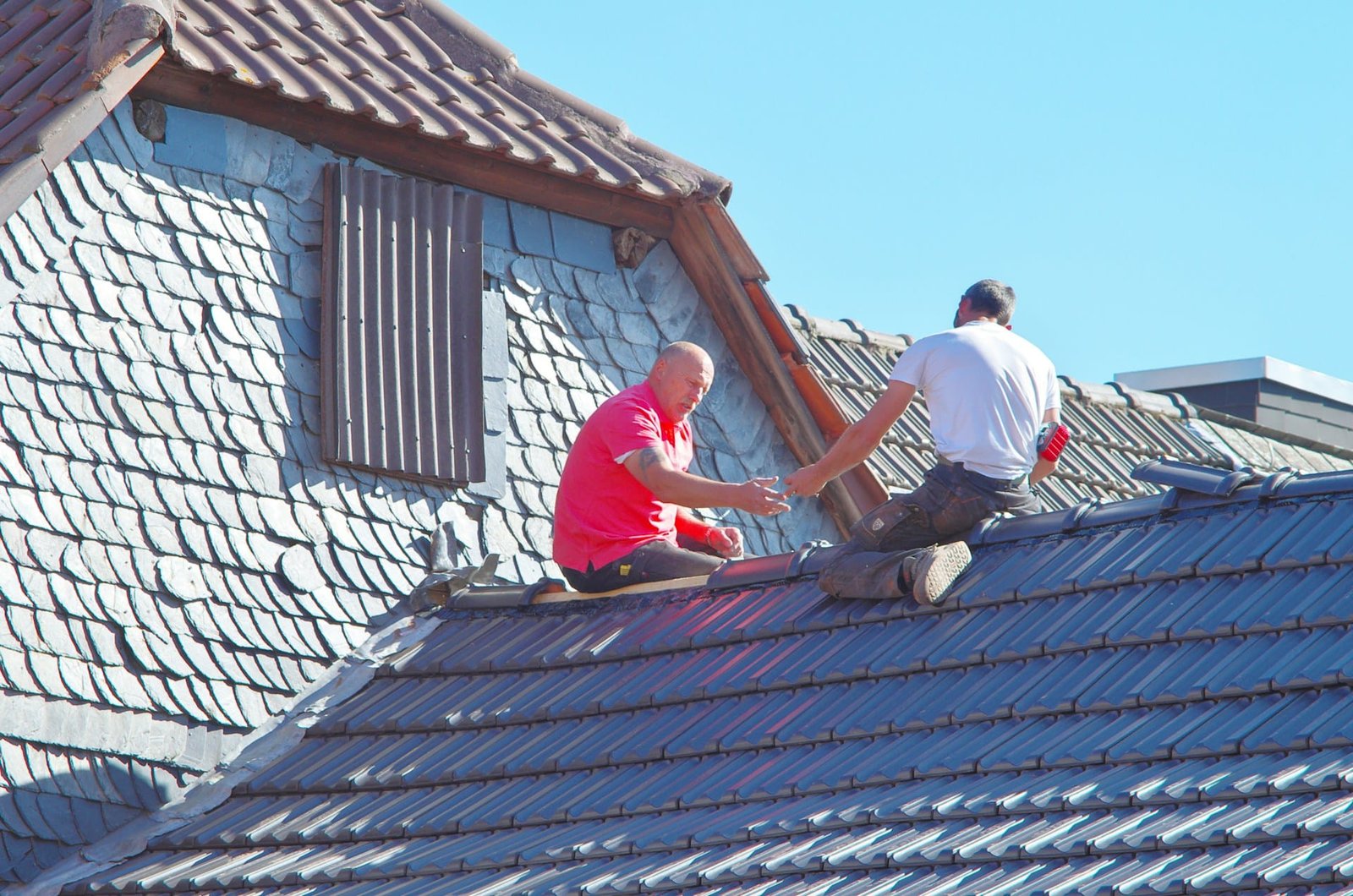
You invite two roofers to inspect the same leak. One recommends replacing a handful of slates and repairing a lead junction. The other proposes stripping an entire roof slope. Both have seen the same damp ceiling.
How can their conclusions be so different, and how do you choose without paying for unnecessary work or accepting a repair that will not last?
The difference is not always dishonesty or incompetence. Roof problems are often partly concealed, and contractors may inspect different areas, weigh risks differently or price entirely different outcomes.
The sensible next step is to compare the evidence and scope behind each recommendation, rather than deciding by price alone.
The Answer – Different Roofers May Be Solving Different Problems
A roofing quotation answers a question. If one contractor asks, “What is the smallest repair that might stop this leak?” while another asks, “What work would make this ageing roof reliable for the next several years?”, their proposed scopes can differ by miles. Neither proposition replaces explaining the actual defect.
One roofer might notice a displaced slate; another might identify a failed chimney apron behind it. A small external patch might stop water entering during light rain but fail in driving wind if the wider junction remains defective. Conversely, replacing a whole roof slope may be excessive when the covering and supporting components are sound.
The most trustworthy recommendation connects four things: observed evidence, likely cause, proposed repair and the repair’s limitations. When one of those links is missing, ask for it before you accept a quotation.
Start With the Difference Between a Symptom and a Cause
A brown ceiling mark is a symptom. So is peeling paint, a wet attic rafter or a drip after a storm. Water can travel along underlay, timber or masonry before becoming visible indoors. The entry point may be several feet from the stain.
For example, water seen beside a chimney may enter through lead flashing, an open mortar joint, a damaged chimney crown, broken nearby slates or a higher wall junction.
Replacing the lead without examining the other details may miss the real cause. Our flashing guide explains how several layers work together at these roof junctions.
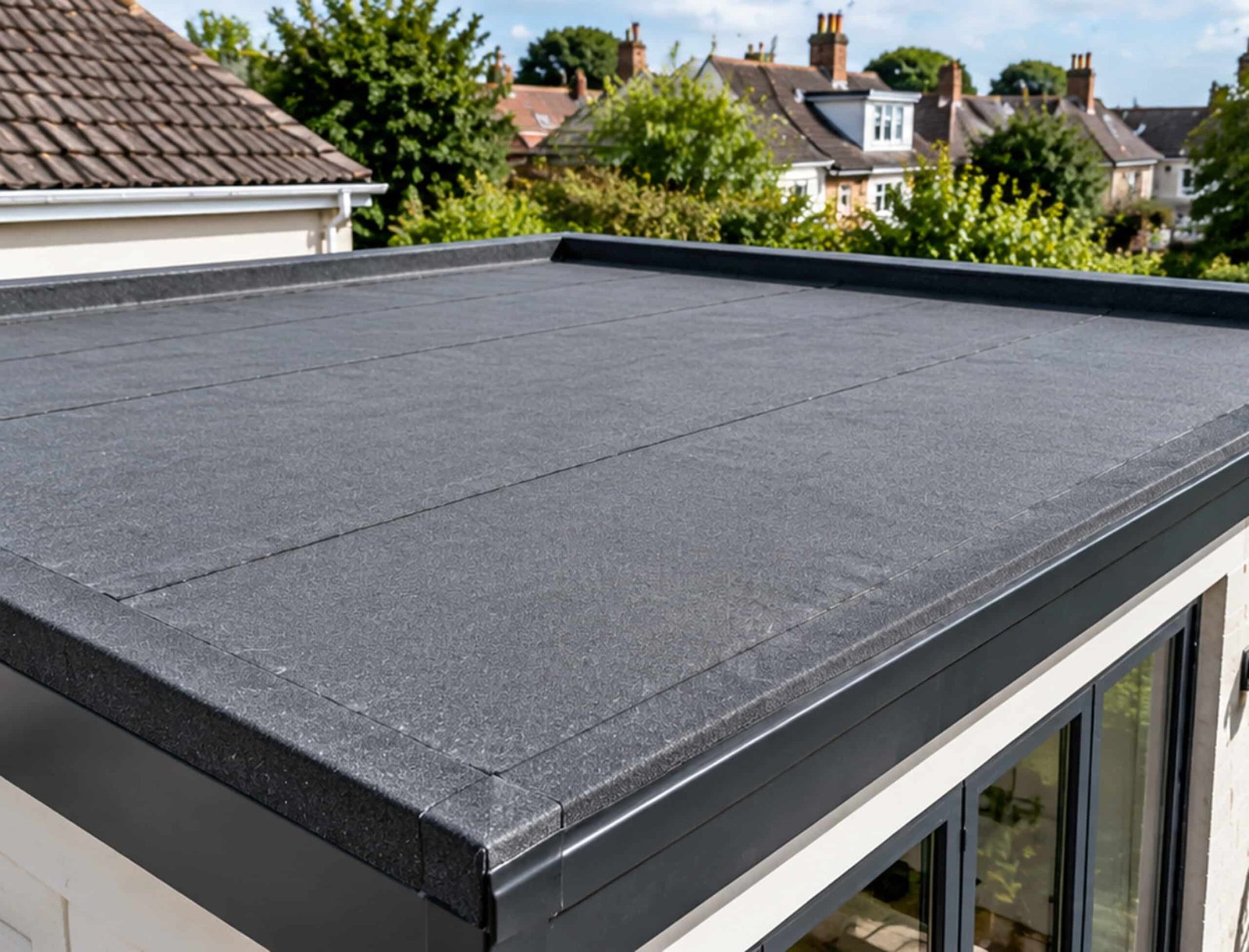
Likewise, a flat-roof blister is visible evidence of a membrane issue, but it doesn’t show whether the deck below is dry and secure. The most important finding may be hidden until a section is opened carefully.
Seven Reasons Roofers Can Reach Different Conclusions
They Inspected Different Parts of the Roof
A ground-level assessment, an attic inspection and a closer look at roof junctions reveal different information. One roofer may have examined the interior moisture pattern; another may have focused only on visible covering defects. A quote based on a limited view should say so.
The Roof Has More Than One Defect
A leaking valley and a cracked chimney joint may both contribute to the same internal stain. One quotation could address one defect and the other both. Ask each contractor which defects are confirmed and which are suspected.
They Have Different Assumptions About Hidden Damage
Rotten battens, saturated insulation or damaged decking cannot always be assessed from outside. A contractor may allow for opening-up work or recommend a provisional scope. That is different from claiming unseen damage definitely exists.
One Is Proposing a Repair; the Other Is Proposing Renewal
Targeted repair, selective refurbishment and complete replacement have different goals. A short-term watertight repair and a long-term renewal plan should not be compared as if they were identical products.
They Use Different Materials or Methods
Leadwork can be chased and dressed differently; slates may be individually replaced or a larger section stripped; flat roofs may be patched, overlaid or renewed. Material compatibility, manufacturer guidance and roof condition matter more than a method sounding modern.
They Have Different Views of Risk and Remaining Service Life
One contractor may accept repairing an isolated failure on an older roof. Another may worry that removing nearby coverings will reveal widespread failure. Ask what evidence supports either view and what failure would trigger a revised recommendation.
The Quotations Include Different Supporting Work
One quote may include access equipment, debris removal, replacement underlay, new flashings and making good. Another may contain only the visible repair. The apparent price gap may reflect a scope difference rather than a labour-rate difference.
Three Situations That Commonly Produce Conflicting Roofing Quotes
Scenario One: A Slate Roof Leaks After Wind-Driven Rain
One roofer proposes replacing slipped slates. Another proposes removing a broader patch, renewing tired battens and checking the underlay.
The first solution may be proportionate if only the slates have failed and the supports remain sound.
The second may be sensible if nail fixings are deteriorating, adjacent slates are unstable, or the underlay is no longer performing.
Ask whether the slates can be refixed securely, what condition the visible fixings are in, and whether problems recur across the roof or cluster in one area. A whole-slope replacement needs more than the roof being old.
Scenario Two: The Damp Patch Is Beside a Chimney
One contractor blames lead flashing; another recommends repointing and reworking the chimney junction. Both may have noticed real defects, but the critical question is which one is admitting water and whether other pathways are also active.
Request close-range photographs of suspect mortar, flashing laps and adjoining slates. Ask whether the roof can be made reliably watertight with a local detail repair or whether masonry work is also required. No competent diagnosis should promise that an unseen leak path is proven without sufficient inspection.
Scenario Three: A Flat Roof Has Recurrent Puddles and Interior Damp
A patch may suit a clearly located puncture in otherwise sound waterproofing. Another contractor may recommend a full roof replacement because the membrane is failing widely. A third may propose replacing wet or unsound decking and improving falls.
Compare the condition of the membrane, outlets, edges, upstands and substrate. Ponding alone does not diagnose a leak, and installing new membrane over wet or damaged layers can preserve the underlying problem.
Where hidden condition is uncertain, a carefully defined inspection or opening-up stage is more informative than an absolute promise.
How to Compare Two Roofing Quotations Properly
Put both written scopes side by side. Do not start with the total. First check whether the contractors agree on the defect, which parts of the roof they inspected and whether the work addresses the same area. Then compare the methods, materials, access arrangements and what happens if concealed damage is found.
The CCPC advises homeowners to obtain written quotations, verify contractors and keep records of agreed work. That advice matters especially when two recommended scopes differ: the document should state what is included, what is excluded, and how any extra work will be authorised.
| What to compare | What to ask |
| Diagnosis | What evidence identifies the source of water entry? |
| Inspection limits | Were the attic, junctions, coverings and substrate assessed? |
| Work area | Exactly which roof sections are included? |
| Materials | What product or detail will be fitted, and why? |
| Access and safety | Are suitable access methods and associated costs included? |
| Hidden defects | What might require a variation, and who authorises it? |
| Finish and documentation | Do the costs include photographs, waste removal and making good? |
| Guarantee | What work is covered and what exclusions apply? |
The Five Questions That Usually Resolve the Disagreement
“Can you show me the defect you found?” A credible roofer should explain what can be seen and distinguish it from what is inferred.
“What would happen if we only did the smaller repair?” This reveals whether the disagreement concerns the immediate leak, the roof’s overall condition or the expected durability of the fix.
“What would make you change your recommendation?” A professional explanation allows for new evidence. For example, dry, sound decking may support repair; widespread decay may change the scope.
“Which parts of your quotation are certain, and which are provisional?” Hidden work should be defined rather than buried in vague allowances.
“Will you give us the diagnosis and proposed work in writing?” That makes comparison easier and reduces misunderstandings after work starts.
When a Third Opinion Is Worth the Cost
Consider another independent assessment when the prices and work scopes differ dramatically, either contractor cannot explain the underlying cause, or the proposed work involves substantial stripping, structural alteration or repeated unsuccessful repairs.
A specialist survey may also help if a leak crosses a shared or complicated junction, or if a flat roof is suspected of having wet decking or insulation. The aim is not to find a third person who agrees with the lowest price; it is to narrow the uncertainty.
For higher-risk cases, ask for a written inspection scope and what will be investigated before repair work is authorised. Roof access carries serious risk; the HSA advises that roof inspection should be undertaken by people trained and experienced in assessing those hazards.
Warning Signs That Deserve More Questions
Be cautious if someone recommends complete replacement from a ground-level glance without describing the defects, insists on an immediate large deposit, avoids written detail, or repeatedly changes the price without explaining additional findings.
A low quotation isn’t automatically unreliable, and a high quotation isn’t automatically comprehensive. But unexplained urgency and unrecorded variations make it harder to know what you are buying.
When a roofer proposes replacing only a few slates, the quotation should still say what will happen if nearby slates break during removal or worn fixings are discovered. When a roofer proposes a full roof, ask for the technical reason localised work isn’t sufficient. If replacement is justified, our roof replacement guide covers the stages and important specification details.
What to Do If Roof Work Has Already Started
If opening up reveals additional damaged timber or waterproofing, ask for photographs and an explanation of why the extra work is needed. Request a revised written scope and cost before authorising non-emergency additions. Keep the original quote, correspondence and payment records together.
If a safety issue or immediate water ingress requires urgent temporary protection, establish what must happen now to make the property safe and what decisions can wait until the additional scope is properly priced. Avoid pressure to approve a much larger permanent job while the facts are unclear.
If workmanship is disputed, document the problem and communicate with the contractor in writing. The CCPC explains consumer remedies when home-improvement work doesn’t meet the agreed standard. The legal position will depend on the contract and circumstances.
How to Decide Between a Small Repair and a Bigger Roofing Project
Choose the scale of work from the condition of the roof, not from the loudest recommendation. One failed lead junction on a sound roof isn’t reason to strip an entire covering. Repeated failures across worn fixings, water-damaged decking and widespread covering defects may make piecemeal repairs poor value.
Compare the cost and disruption of the proposed work with the expected remaining performance of the surrounding roof. If each new repair disturbs adjacent failing materials, consider a more comprehensive approach. The roof restoration guide discusses these choices in more detail.
The most useful outcome of competing quotations is often a better question: what problem is confirmed, what remains uncertain, and what is the least disruptive work likely to solve it reliably?
Frequently Asked Questions
Why Do Two Roofers Give Different Prices for the Same Leak?
They may have inspected different areas, identified different contributing defects or included different materials and access work. Compare the written diagnosis and scope before comparing totals.
Does a Higher Roofing Quote Mean Better Work?
Not necessarily. A higher figure may reflect more extensive work or safer access, but it could also reflect different assumptions. Ask exactly what the extra cost buys.
Should I Choose the Roofer Who Recommends the Smallest Repair?
Only if the diagnosis supports it. A small repair makes sense for an isolated defect on a sound roof, but it’s less attractive when failures are widespread or hidden damage is likely.
Can a Roofer Know Whether Battens Are Rotten Without Removing Slates?
Visible or accessible areas can offer clues, but concealed battens may require opening up to confirm their condition. A written quotation should distinguish findings from assumptions.
Should I Get a Third Roofing Opinion?
A third assessment can help when recommendations conflict sharply, the potential cost is substantial, or the underlying leak has not been identified. Ask for a clear diagnosis, not simply another price.
Why Does One Roofer Want to Replace the Entire Roof Slope?
They may suspect widespread fixing, underlay or covering failure, or that local removal will expose many additional defects. Ask what evidence supports the larger scope.
Can a Chimney Leak Be Mistaken for a Slate Roof Leak?
Yes. Water can enter at masonry, leadwork or adjacent coverings and travel before appearing indoors. The roof and chimney junction need to be considered together.
Why Does a Flat-Roof Repair Quote Include Decking?
The contractor may have found or reasonably suspected wet, loose or damaged support boards. Ask how that condition was established and how much decking the price allows for.
Can I Ask for Photographs Before Agreeing to Work?
Yes. Photographs of visible defects help explain a recommendation and make quotations easier to compare. Photographs may not reveal every concealed problem.
What Happens If More Damage Is Found During Repairs?
Ask for the additional findings, a revised written scope and a price before authorising extra permanent work. Immediate safety and weather-protection measures may need to be addressed first.
Is It Safe to Inspect the Roof Myself?
Avoid climbing onto roofs, particularly in wet or windy weather. Ground-level observations and indoor photographs are useful; higher-risk roof inspection belongs with trained people and appropriate access controls.
How Can I Tell If a Roof Replacement Is Really Necessary?
Look for documented evidence of widespread failure, not age alone. Compare the predicted outcome of a targeted repair with the condition of adjacent roof components and the cost of repeated interventions.
Need a Clear Explanation of Your Roofing Options in Dublin?
If you have received conflicting advice, we can assess the roofing problem and explain the work we recommend, whether that involves a targeted repair or a larger project. Our aim is to help you understand the defect, the proposed scope and what will happen before work begins.
For help with a leak, damaged slates, flat-roof failure or storm-related roof defects, speak with us about roof repairs in Dublin. Tell us what you have noticed and, if you have them, share the previous quotations and photographs. We can discuss the next practical step for your property.