A roof leak rarely announces itself at a convenient time. It might show up as a brown mark beside a chimney breast, a drip above a bedroom window, or a patch of ceiling plaster that darkens after every spell of rain. When you start looking for a roofer, you may get three very different explanations for the same problem, and three very different prices.
Choosing well is not about finding the contractor with the longest list of promises. It is about finding someone who can explain what is wrong, show you the evidence, propose work that matches the fault, and put the important details in writing. That matters for a slipped slate as much as it does for a full replacement roof.
This guide gives Dublin homeowners a practical way to shortlist roofers, read quotations, compare repair recommendations, understand guarantees and avoid expensive misunderstandings. You can use the checklists when speaking to any contractor.
Start With The Roof Problem, Not The Contractor’s Sales Pitch
Before requesting prices, write down what you can safely observe. Where is the stain or leak? Does it happen in heavy rain, only when the wind changes direction, or after several wet days? Is there a visible missing slate, overflowing downpipe, cracked chimney render or detached flashing? These details will help a roofer investigate; they don’t diagnose the problem on their own.
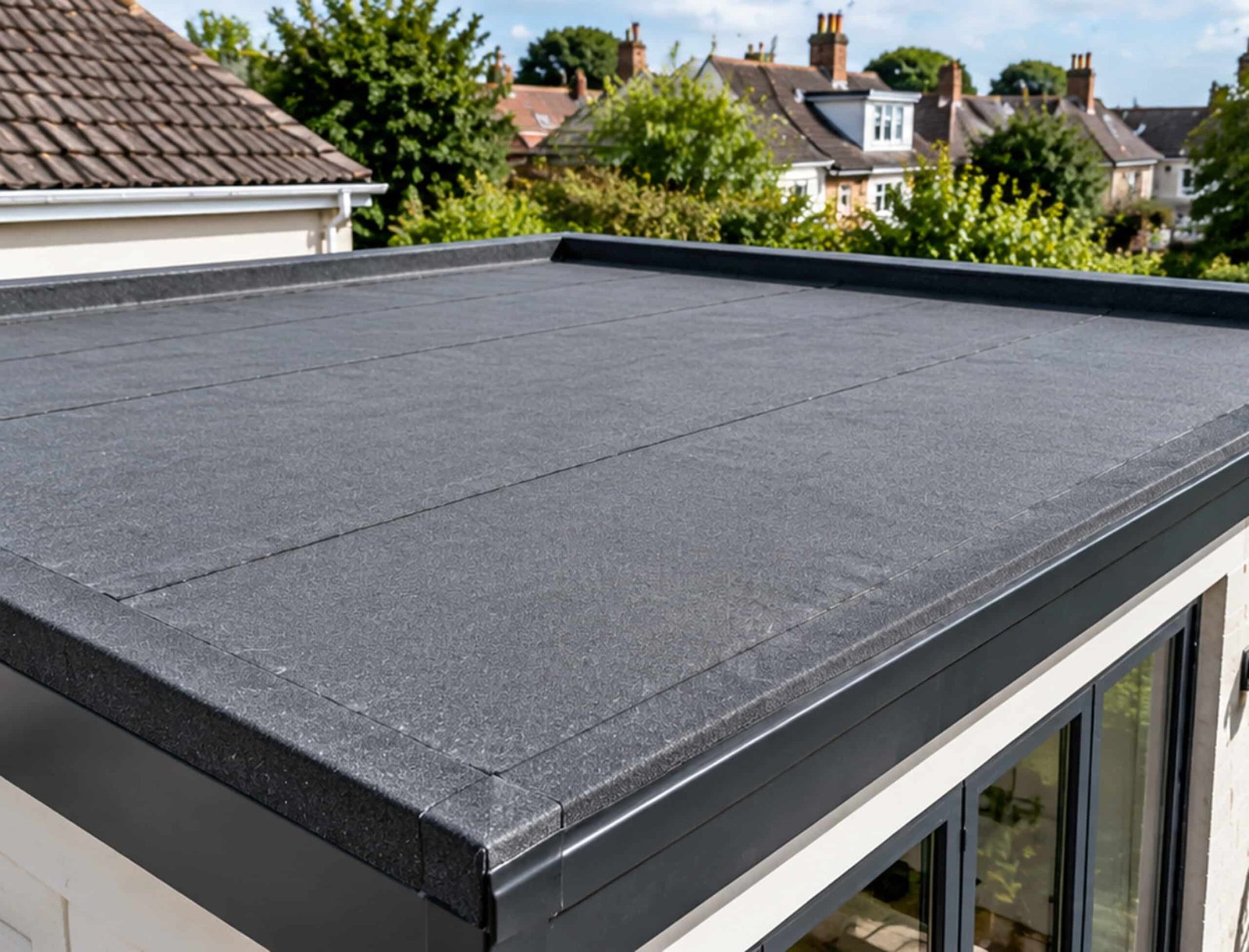
Water can travel beneath slates, along battens, across underlay or around a chimney junction before showing indoors. A damp patch below a valley does not prove the valley alone has failed. Likewise, a leaking flat roof may have a split membrane, failed perimeter detail, standing-water problem or wet decking. Ask the contractor to distinguish the likely entry point from the place where the water becomes visible.
What A Useful Roofing Assessment Should Tell You
For a typical repair enquiry, the explanation should identify the affected roof area, the observed defect, what remains uncertain, and the proposed repair method. Photographs can help you understand areas that are inaccessible. If the contractor cannot safely inspect the roof without additional access equipment, that should be explained rather than guessed around.
The condition of adjoining materials also matters. Replacing two broken slates won’t fix a problem caused by deteriorated flashing farther uphill. Conversely, a localised leak does not automatically justify replacing an otherwise serviceable roof. The best recommendation matches the evidence.
Build A Shortlist You Can Actually Verify
Start with two or three potentially suitable contractors rather than calling everyone in a directory. Recommendations from people who have had similar work done can help, especially if they can describe what happened after the invoice was paid. Reviews are helpful as signals, but read the details: did the customer mention a clear quotation, punctual communication, tidy completion or responsive aftercare?
The Competition and Consumer Protection Commission recommends checking the trader’s contact details, asking for references, researching customer feedback and getting written quotations from more than one contractor. Its practical guidance is worth reading before agreeing to major home work. CCPC guidance on hiring tradespeople
Questions That Reveal More Than A Star Rating
Ask whether the contractor has completed comparable pitched-roof, flat-roof, chimney or roofline work. A company good at replacing slate may not be the best match for a specialist membrane detail; an experienced flat-roof installer may approach drainage and edge details differently from a general repairer. Ask who will supervise the work, whether subcontractors will be used and what happens if hidden damage is discovered.
Request recent, relevant work examples where permission to share them exists. A photo of a finished roof helps, but a short explanation of what was wrong, how the roof was prepared, and which details were replaced tells you more. Treat anonymous before-and-after galleries without context as a starting point, not proof of the precise work you need.
Check The Business Details Without Mistaking Registration For Skill
You should be able to identify who you are contracting with, where they can be contacted, and which legal or trading name will appear on the quotation and invoice. Ireland’s Companies Registration Office offers searchable company and business-name records. A listing may help establish business identity, but it does not certify roofing competence or workmanship. CRO business-name guidance
Not every legitimate tradesperson operates as a limited company, and no single general state roofing licence guarantees the quality of every residential roof repair. Where a contractor cites a trade membership, manufacturer approval or specialist certification, ask which organisation issued it and verify the claim directly. For complex structural or conservation work, a designer, engineer or conservation specialist may be needed alongside a roofing contractor.
Ask About Safety Before Anybody Goes Onto Your Roof
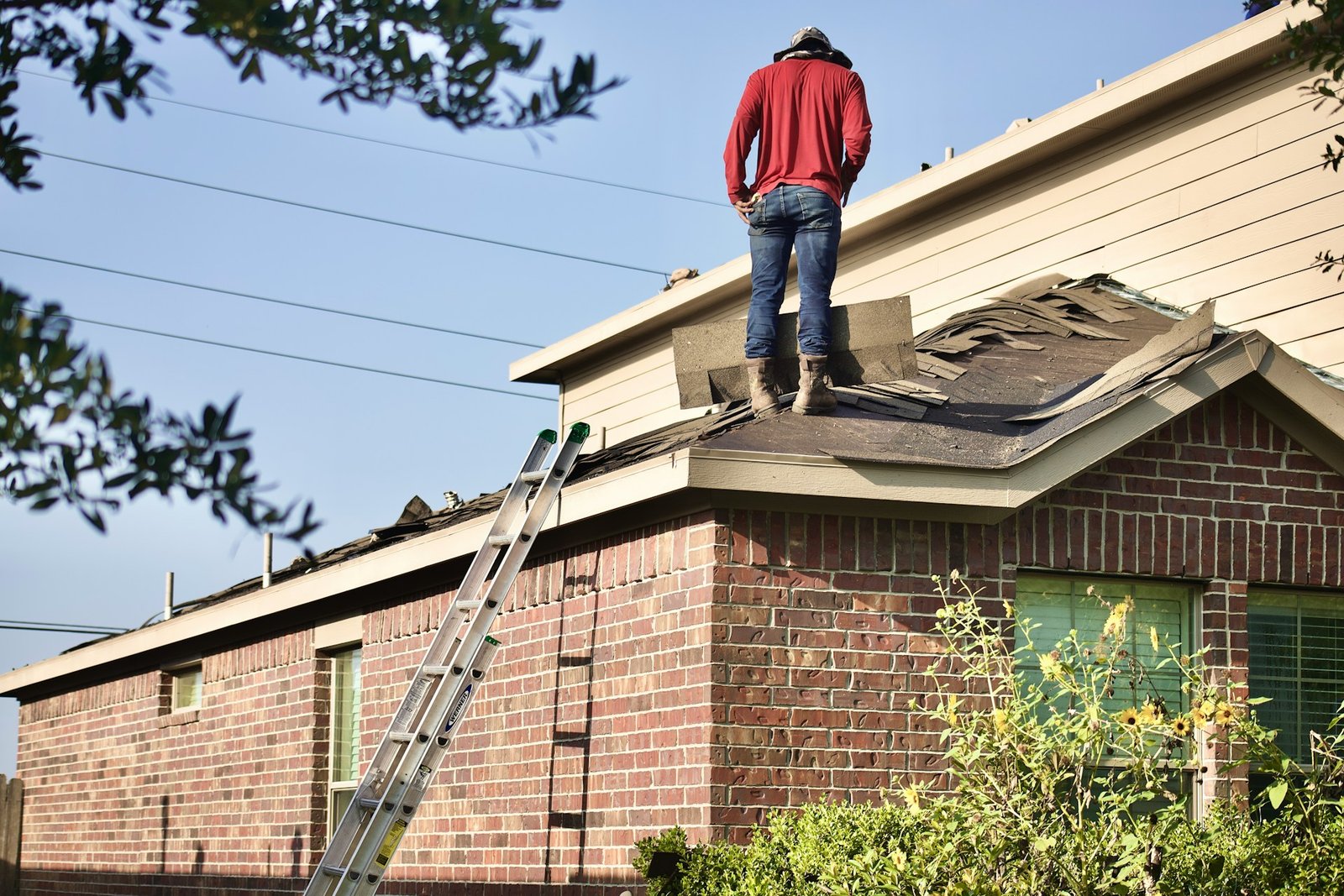
A roofer’s approach to access is a useful measure of their professionalism. A steep slate roof, fragile rooflight, wet flat roof, three-storey rear elevation or busy street frontage may require different arrangements. A ladder is not a universal substitute for a safe working platform. The Health and Safety Authority’s work-at-height guidance explains that competent people should plan, assess and carry out work using suitable equipment.
Ask how they expect to access the work area, whether scaffolding or another platform is needed, and how the price accounts for it. Make sure arrangements for protecting people below, neighbours’ property, rooflights and fragile surfaces are considered. Homeowners commissioning construction work may also have duties depending on the nature of the project: the HSA homeowner guidance sets out the relevant framework.
Insurance Questions Worth Asking
Ask for evidence of relevant public liability cover and, where applicable, employers’ liability cover. Confirm that the activity, dates and people carrying out the work are appropriately covered; the insurer or broker can clarify what a certificate actually includes. The correct cover requirements can differ with the scale, risk and contractual arrangements of a job. A fixed figure repeated on a website is not a substitute for checking the proposed project.
Professional indemnity may matter if a contractor offers design services, but it is not interchangeable with public liability. Don’t confuse a contractor’s insurance with your home policy; if you are planning extensive work, ask your insurer whether it needs advance notice.
Get A Written Scope Before Comparing Roofing Prices
A cheap quote that omits access, waste removal or key roof details may cost more than a higher, fully specified quote. The fairest comparison isn’t just the final figure. It’s what you will pay for a clearly defined outcome.
What A Good Roofing Quotation Should Include
Look for the property address and affected roof area; the identified fault and proposed repairs; material specifications where relevant; quantities or measured scope; what existing materials will be removed; access equipment; protection and disposal arrangements; VAT treatment if applicable; anticipated timing; stage payments; and the written workmanship guarantee. For larger jobs, include insulation, ventilation, flashing, ridge, valley, verge and eaves treatment where those form part of the agreed work.
A repair quotation should say whether it includes making good disturbed areas and whether any inspection opening or temporary weatherproofing is separate. On a full replacement, ask which layers are being renewed, not just what the new tiles will look like when the scaffolding comes down.
The Three-Quote Comparison Test
Suppose Quote A proposes replacing damaged slates and one flashing apron. Quote B includes the same work plus a scaffolding allowance and repairs to adjacent mortar. Quote C recommends replacing the entire roof. These are not three competing prices for the same product. Ask each contractor what evidence supports the scope and which items are included or excluded before you compare totals.
You do not need to accept the middle price automatically. If one contractor finds a problem the others missed, ask for photos or a second assessment. If one excludes access or disposal, request a revised like-for-like price. Comparing quotations exposes differences in diagnosis, scope and risk, not a vote for the average.
Understand The Difference Between An Estimate, A Quote And A Variation
An estimate is a forecast based on what is currently known. A quotation generally describes a more defined offer for specified work. Read the document’s actual wording: provisional items, exclusions, assumptions and expiration dates can all affect the final bill. A contractor may be unable to see the condition of concealed decking or timber until the covering is opened, and that uncertainty should be addressed in advance.
Agree how variations will be authorised. A sensible arrangement requires the contractor to photograph newly discovered defects, explain why extra work is needed, price it and obtain approval before proceeding, except where immediate temporary measures are required for safety or weather protection, and the arrangement allows for them. Keep changes in writing rather than relying on a conversation at the front door.
A Realistic Hidden-Defect Scenario
Imagine replacing damaged felt on an extension. During removal, the contractor finds sections of saturated board beneath the covering. Leaving wet, unsound decking in place may undermine the new waterproofing. The proper next step is to show the damaged area, determine how far it extends, price the board replacement and explain any schedule impact. “We found more damage” is not enough on its own; it should lead to evidence and an agreed revised scope.
Compare The Repair Recommendation With The Age And Condition Of The Roof
A small repair is often sensible when damage is localised, and surrounding materials remain sound. Repeated failures over a wide area, deteriorated underlay, defective flashings at several junctions, wet flat-roof insulation or unsound decking may make a larger repair or replacement more economical. Age alone isn’t a diagnosis: a poorly detailed recent roof can leak, while an older roof can have serviceable materials.
If your home needs roof repairs in Dublin, ask exactly what will be repaired and why. If a contractor recommends a new roof, ask which defects make local repair inadequate and which components will be renewed. For period slate roofs, consider whether selective repairs and matching natural slate are possible before agreeing to wholesale replacement; see the slate roofing service overview.
Material Claims To Treat With Caution
No single covering suits every Irish roof. Natural slate, concrete and clay tile, traditional bituminous felt, GRP and single-ply membranes are used in different roof designs. Suitability depends on pitch, structure, fixing specification, exposure, detailing, manufacturer requirements and workmanship. Be cautious when a quote claims a material will never leak or that one product is always superior irrespective of the roof.
Ask for the exact product or system specification when the material is central to the job. For flat roofing, an apparently minor change at a parapet, outlet or rooflight can matter more than a headline membrane brand. For pitched roofing, fixings, battens, underlay, ventilation and junction details are integral to performance.
Know What A Written Roofing Guarantee Actually Covers
A useful guarantee identifies who provides it, which work it covers, how long it lasts, and what you must do if a defect appears. Distinguish a workmanship guarantee from a manufacturer’s product warranty. A manufacturer’s product warranty does not automatically pay for labour, consequential damage or installation errors; the terms govern.
Ask what happens if a repaired area leaks again, how an inspection is arranged, whether the guarantee transfers to a new homeowner, and whether exclusions apply to unrelated leaks, subsequent alterations, severe events or lack of maintenance. A dramatic number of years in a headline means little without written terms matching the actual scope.
Before The Final Payment
Walk through the completed work where it is safe to do so, or review clearly labelled photos of concealed and finished areas. Confirm waste has been removed, drainage outlets are unobstructed, agreed finishing work is complete, and you have the invoice, guarantee and material information promised. For substantial projects, consider independent stage inspections rather than leaving every quality question until the end.
Protect Yourself With A Clear Payment Plan
Deposits can be reasonable when materials must be ordered, or work is scheduled, but a large advance payment without a defined scope or traceable receipt is risky. The CCPC advises getting the price, work description, timetable and payment structure in writing, avoiding full payment in advance and using a payment method that gives you a record. Read the CCPC’s home-improvement consumer guidance.
Cash itself is not proof of wrongdoing; the concern is pressure to pay without documentation, a contract or a receipt. Likewise, a contractor who is not VAT-registered is not automatically illegitimate; registration depends on tax rules and circumstances. Ask whether VAT is included where applicable and request an appropriate invoice. Do not agree to an undeclared arrangement simply because it reduces the quoted total.
For multi-stage projects, tie payments to clear milestones rather than vague promises. Keep messages, invoices, specifications and photos together. If a disagreement develops, your written record is far more useful than trying to reconstruct what someone said weeks earlier.
Recognise Warning Signs Without Assuming Every Difference Is A Scam
Be cautious of unsolicited pressure immediately after a storm, demands for same-day agreement, unexplained claims that the entire roof is unsafe, reluctance to identify the business, refusal to document the proposed work, price changes without explanation, or requests to send money to an unrelated personal account. These are reasons to investigate, not automatic proof of fraud.
On the other hand, a genuine roofer may require a site visit before pricing, charge for a specialist diagnostic survey, have a lead time during busy periods, or require a reasonable materials deposit. What matters is transparent communication and documented conditions, not whether every contractor uses the same business model.
What To Do When The Roof Is Leaking Right Now
If water is entering the house, keep people away from unsafe rooms and electrical hazards first. Move possessions if safe, collect drips with containers, and photograph visible damage from the ground or indoors. Do not climb onto a wet or storm-damaged roof. If loose masonry, falling slates or damaged electricity pose a risk, treat the issue as urgent and contact the appropriate emergency service or qualified professional.
Ask whether the contractor is proposing temporary weather protection or a permanent repair, and get that distinction in writing. A temporary measure can be appropriate during severe weather or while replacement materials are sourced. A promise to carry out extensive permanent work during dangerous conditions should invite questions about how the work can be completed safely.
If the damage may be insured, contact your insurer promptly and retain photos, invoices and relevant correspondence. Follow the policy’s requirements for preventing further damage and approving permanent works; coverage depends on the cause of loss and your policy’s terms.
A Practical Roofing Contractor Checklist To Save
Before agreeing to work, use the following as your final comparison:
- The contractor’s business identity, contacts and relevant experience are clear.
- The affected area and cause of the problem have been explained with evidence where possible.
- The written scope says what is included, excluded and assumed.
- Access, safety precautions, waste disposal and neighbour impacts are accounted for.
- Materials and the repair or replacement method are sufficiently specified.
- The quotation explains VAT, payment stages, start window and likely duration.
- The process for unexpected defects and additional costs is agreed.
- Insurance evidence and any relevant professional or manufacturer claims can be checked.
- Written guarantee terms and the aftercare contact route are available.
- Photographs, invoices and handover records will be provided as agreed.
If any answer is missing, ask for it. A competent contractor should be able to explain the decision in everyday language. You are not asking for a technical thesis: you are asking to understand what will happen to your home and what you are paying for.
Frequently Asked Questions
How Do I Choose A Reliable Roofer In Dublin?
Start with relevant experience, traceable business details and a clear assessment of your roof. Compare written scopes, not just prices, and check references, safety arrangements, insurance information and guarantee terms before accepting the work.
How Many Roofing Quotes Should I Get?
For planned work, two or three written quotations usually provide a helpful comparison. Ask each contractor to price the same scope where possible. During an emergency, prioritise safe temporary protection, then compare options for permanent work once the situation is stable.
Should A Roofer Inspect The Roof Before Quoting?
Many problems require an on-site assessment, especially when access, flashing details or hidden damage affect the solution. A preliminary price may be possible from photos, but the contractor should explain what must be confirmed before the scope and cost can be finalised.
What Should Be Included In A Roofing Quotation?
Look for the work area, diagnosis, proposed method, materials, access, waste disposal, exclusions, expected duration, VAT treatment where applicable, payment terms, variation process and written guarantee. Larger work may require additional design or building-control information.
Is The Cheapest Roofing Quote A Bad Choice?
Not necessarily. A lower quote may reflect easier access or a more efficient repair method. Check that the scope is equivalent, the material choices are appropriate and important items have not been excluded before deciding.
What Insurance Should A Roofing Contractor Have?
Ask about relevant public liability insurance and, where applicable, employers’ liability cover. Review current certificates and whether the proposed work is covered. The right level depends on the job and contract; don’t rely on a single advertised minimum.
Do Roofers In Ireland Need A Special Licence?
No single general state licence certifies every residential roofer. Check the contractor’s competence and any specialist training, registrations or product approvals they claim. Some related electrical, gas, structural or conservation work has separate requirements.
Can I Ask For Photos Of The Roof Damage?
Yes. Photos of visible defects and completed details can make the proposed work easier to understand, as long as it’s safe and practical to obtain them. Ask the roofer to explain what each photo shows rather than assuming every discolouration or crack requires replacement.
Should I Pay A Roofing Deposit?
A reasonable deposit may be needed for materials or scheduling. Agree its amount, purpose, refund conditions and the remaining payment milestones in writing. Avoid paying the full contract value before work is completed.
How Do I Know Whether My Roof Needs Repair Or Replacement?
The decision depends on the extent of defects and the condition of surrounding coverings, fixings, underlay, timber and junctions. Ask the contractor to explain why a targeted repair will or will not provide a durable result, supported by inspection findings.
What Does A Roofing Workmanship Guarantee Cover?
A workmanship guarantee concerns specified installation or repair work and is separate from any product warranty. Check the written duration, exclusions, claim procedure and whether it applies to the exact repaired area or to the entire roof.
What Should I Do If Roofing Work Goes Wrong?
Record the issue with photographs and notify the contractor promptly in writing. State the agreed work and the remedy you are seeking. The CCPC guides remedies for home-improvement services under Irish consumer law, including repair and other possible remedies depending on the circumstances.
Choosing Emergency Roofers Dublin For Your Roofing Work
If you need help with a leak, damaged slate or tile, chimney flashing, a roofline problem or a roof nearing the end of its serviceable life, Emergency Roofers Dublin can discuss the work needed at your property. Our services include roof repairs, new roof installation and slate roofing, with the wider range listed on our roofing services page.
We offer a five-year guarantee on roof repairs and a 20-year guarantee on new roofs and roof replacements, subject to the written terms applying to the agreed work. A useful starting point is to tell us where the problem appears, when it happens and whether you can safely share photographs. We can then discuss the next steps and the appropriate scope for your roof. Contact Emergency Roofers Dublin.