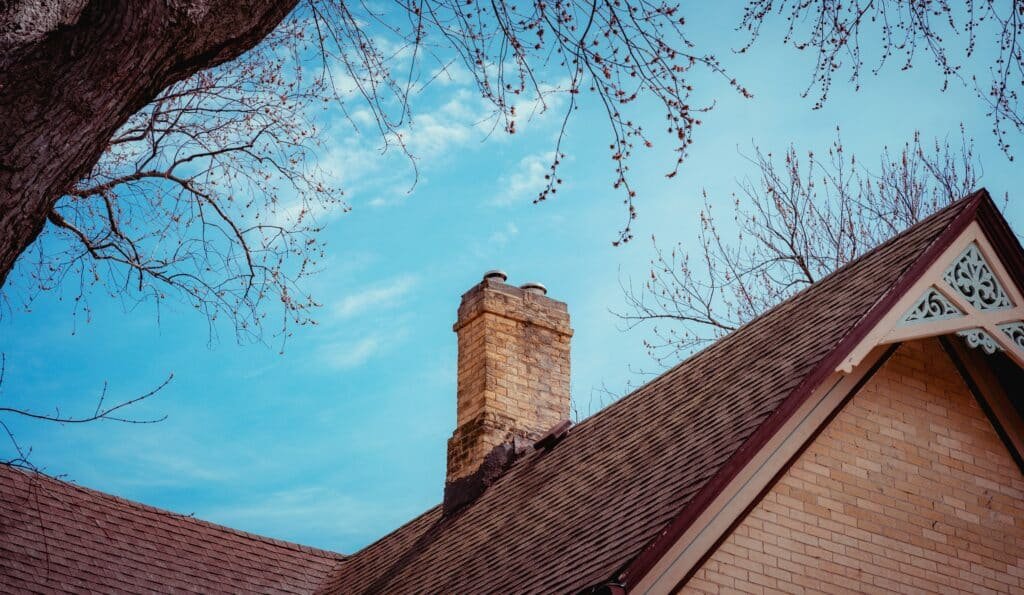
That familiar, icy whistle down the chimney is a classic feature of a Dublin winter, isn’t it? You walk into the sitting room and feel that cold spot straight away, and your first instinct is to reach for the thermostat and turn it up. In the search for a quick fix, a lot of homeowners come across the chimney balloon. It looks like a brilliant, budget-friendly hack to simply plug the hole. But let’s be honest, the idea of sticking an inflatable plastic bag up your chimney comes with some serious risks that you won’t always find mentioned in the fine print.
Key Points
- Think of chimney balloons as a temporary patch, not a permanent solution for a draughty flue.
- They can easily get punctured, deflate over time, and even drop down into your fireplace unexpectedly.
- If you have any gas appliances using the flue, a balloon poses a severe carbon monoxide risk.
- The rectangular flues in many older Dublin homes mean balloons often can’t form a perfect seal, so draughts can still get through.
- Investing in professional dampers or cowls is a much safer, more reliable way to save on energy in the long run.
The Main Safety Concerns and Limitations of Chimney Balloons
Chimney balloons are often sold as a simple, do-it-yourself answer for stopping heat from escaping up the chimney. The truth, however, is that they’re a lot less reliable than they seem. These gadgets are really just a temporary band-aid, not a proper structural fix for what’s actually causing the problem. One of the biggest issues is how easily they can be punctured. The plastic they’re made from is quite delicate. A bit of rough brickwork or a stray screw sticking out inside the flue can tear a hole in it without any trouble. Once the balloon is damaged, it starts leaking air and stops being an effective barrier against the cold.
Deflation is another headache. Industry professionals often find that these balloons start losing pressure in just a few months. To keep them working properly, you’ll likely need to get up there and reinflate them every three months or so. If they lose pressure, or if they weren’t the right size to begin with, they lose their grip on the chimney walls. When that happens, the whole thing can just fall into your hearth, making a sooty mess and undoing all your draught-proofing efforts in an instant.
The shape and fit are also a huge problem, especially in our local houses. So many older Dublin homes have rectangular chimney throats, but most balloons are made in round or oval shapes. It’s a classic case of trying to fit a round peg in a rectangular hole, which leaves gaps in the corners. On a windy day, and we get plenty of those in our coastal city, the air will force its way through those gaps, creating that annoying whistling sound you were trying to stop. What’s more, a balloon does absolutely nothing to fix any deeper issues. It can’t repair cracks in the flue lining, a broken damper, or stop water from getting in. Problems like those need a skilled eye and professional attention from a team like ours at Emergency Roofers Dublin.
What Happens If You Accidentally Light a Fire?
This is the big safety question on every homeowner’s mind. The manufacturers will tell you they have a fail-safe feature built in, but you really shouldn’t count on it being foolproof. These products are usually made from a type of plastic that reacts to heat. The theory is that if you forget it’s up there and light a fire, the rising heat will make the balloon quickly shrivel or pop, letting the smoke find its way out.
The problem is, this doesn’t happen instantly. In the time it takes for the plastic to give way, the fire is already producing a lot of smoke that has nowhere to go but straight back into your living room. You could easily find yourself dealing with a room choked with soot, thick smoke, and the smell of melted plastic before the flue is clear.
But there’s a much quieter, more deadly danger to consider. The safety claims often gloss over the risk of carbon monoxide (CO) building up. An Australian energy consultancy specifically warns people against draught-proofing any home where gas is burned. Carbon monoxide is invisible, has no smell, and can be lethal. If a pilot light or a small gas fire is running while the flue is blocked, that poisonous gas can’t escape. You should never, ever rely on the pop and melt feature of these balloons. The only safe way is to completely remove the balloon before you even think about lighting a fire. Emergency Roofers Dublin strongly recommends using the visible reminder tag that comes with it, letting it hang right in the fireplace opening so you can’t miss it.
How Chimney Balloons Block Draughts and Reduce Heat Loss
These inflatable gadgets, which are sometimes called chimney plugs, are designed to stop something called the stack effect. This is what happens when the warm, comfortable air inside your house rises, gets sucked up the chimney, and in turn, pulls cold air into your home through any little gaps around doors and windows. The balloon is pushed up into the chimney throat and then inflated until it’s pressed firmly against the walls, which creates a seal.
When they are working perfectly, the performance data shows they can be quite effective. Tests conducted by BSRIA found that a branded Chimney Balloon can block around 87% of the airflow. Some of the wool-based alternatives, like the Chimney Sheep, claim to be a little better, blocking up to 93%. This really matters because an open, unused chimney can be like a highway for heat, letting as much as 50% of the warmth in a room escape. Here in Dublin, where those Atlantic gusts are a regular occurrence, the pressure on your home’s ability to stay warm is considerable. A properly sealed flue stops that precious warm air from being whisked away.
The Impact on Your Heating Bills in Dublin
When you stop all that air from escaping, you will see some energy savings, though how much money you get back can vary. Manufacturers estimate that a well-fitted chimney balloon can trim about 4% off your total heating bills. To put that in perspective, for a typical semi-detached house in Dublin with an annual heating cost of around €2,000, that 4% saving would put about €80 back in your wallet each year.
The amount of air you’re losing is pretty staggering. The UK’s Building Research Establishment reckons an open chimney is like leaving a window open all the time, letting about 80 cubic metres of air escape every single hour. If you decide to go for a more permanent way of sealing it, the savings get even better. Permanently capping off a chimney you no longer use can reduce the air leakage for your entire house by 5–10%. Looking at that same €2,000 heating bill, that could save you anywhere between €100 and €200 every year.
Chimney Balloons vs. Safer, More Permanent Alternatives
While the low initial price of a chimney balloon is tempting, professional hardware will always give you better safety and a much longer lifespan. At Emergency Roofers Dublin, we always advise people to think about the long-term performance of any home improvement investment.
Comparison of Common Draught Solutions
- Inflatable Chimney Balloon: This is your low-cost, quick-and-easy DIY option. It can block up to 87% of airflow. The downside is that it’s prone to punctures, needs to be re-inflated regularly, and often doesn’t fit well in the rectangular chimneys you find in older homes.
- Wool or Fabric Chimney Plug (e.g., Chimney Sheep): These often boast slightly better performance, blocking up to 93% of airflow, and they’re much more resistant to punctures than plastic balloons. They cost a bit more and still need to be sized correctly and taken out by hand before you light a fire.
- Top-Sealing or Throat Damper: This is a permanent piece of hardware that gives you a strong, mechanical seal. You don’t have to worry about installing or removing it all the time. The upfront cost is higher, and you’ll need a professional, like one of our team at Emergency Roofers Dublin, to fit it correctly.
- Chimney Cowl or Cap: A must-have for dealing with Dublin’s weather, a cowl helps keep out rain, birds, and downdraughts. While it does reduce some airflow, it won’t completely stop heat loss on its own and works best when paired with an internal damper.
- Permanent Flue Sealing: This method completely stops heat loss through the chimney, cutting your home’s total air leakage by 5–10%. The catch is that it’s irreversible; you won’t be able to use the fireplace again, and it’s a job that has to be done by a professional.
When is a Chimney Balloon a Reasonably Safe Option?
There are a few specific situations where a balloon can be a decent temporary fix. It works best in a chimney that is straight, has smooth walls, and is completely out of use. You’ll need to be certain there’s no sharp metal or brickwork inside that could pop the plastic.
They can be handy for short-term sealing. For instance, if you just want to block draughts over the summer or during a period when you know for a fact the fireplace won’t be used, a balloon can do the job. They’re also a reasonable choice for purely ornamental fireplaces. If you live in a beautiful old Victorian property in Dublin where the fireplace is just for show and will never be lit, a balloon poses much less of a risk.
They’re also popular with tenants in rented properties. Since renters can’t make permanent changes to a building, a balloon offers a non-permanent way to tackle draughts, as long as the landlord gives the okay. But in every single one of these cases, it’s vital to have working smoke and carbon monoxide alarms nearby. And using a clear, visible tag to show the balloon is installed isn’t just a good idea, it’s essential for safety.
When to Avoid Chimney Balloons Completely
There are some scenarios where installing a chimney balloon is just plain dangerous. You should never, under any circumstances, draught-proof a chimney if a gas fire, boiler, or any other gas appliance vents through it. The risk of carbon monoxide poisoning is real, immediate, and potentially fatal. Those fumes need a clear escape route out of your home.
Homes with fireplaces that are used often are also not a good fit for balloons. The constant hassle of taking out a dirty, soot-covered plastic bag every time you want to enjoy a fire, and then putting it back in after the embers have cooled, just isn’t practical. Sooner or later, you’ll forget, or you’ll get tired of doing it properly, and it will stop being effective.
Metal flues and liners create another problem. Balloons have a hard time getting a good grip on the smooth, often angled walls of a metal liner and can easily slide down. The sharp edges on some liner sections can also slice right through the plastic. On top of that, many flues just don’t have enough room. A balloon needs about 5 to 9 inches of clear vertical space, plus extra room for the valve. If your flue is narrow or has an awkward shape, the balloon just won’t inflate properly.
If you’re in a terraced house with shared flues or have a retrofitted gas fire, please don’t try to guess. It’s much safer to book a chimney inspection with Emergency Roofers Dublin to understand exactly what you’re working with.
A Dublin Homeowner's Safety Checklist Before Installation
If you’ve weighed the pros and cons and decided a balloon is right for your situation, it’s crucial to follow a strict safety protocol. First, get it swept and inspected. You need a professional chimney sweep at least once a year to get rid of flammable soot and check for any structural problems. Next, measure with care. You need to get the exact width and depth of the flue throat to make sure you buy a size that will create a tight seal. Always use the warning tag.
Attach the reminder tag that comes with the balloon so it hangs down where everyone can see it in the fireplace opening. Don’t tuck it away. Do regular checks. Every few months, take a look at the balloon to make sure it hasn’t gone soft or shifted out of place. Install alarms. Double-check that your smoke and carbon monoxide alarms are working perfectly. And finally, know when to call in a professional. If you see any damp patches on the chimney breast, smell smoke when there’s no fire, or just feel unsure about what kind of chimney you have, stop what you’re doing. It’s always better to call a professional for an inspection than to take a chance.
Why a Professional Chimney Inspection Is Your Safest Bet
A plastic inflatable, no matter how clever, is no substitute for the peace of mind that comes from a professional assessment. Research shows that around 30% of all house fires are related to chimneys. That statistic alone should tell you why professional care is so much better than a DIY patch.
When Emergency Roofers Dublin inspects your chimney, we look at the whole system. We check the flue liners, the chimney pots, and the cowls from up on the roof. We’re looking for the hidden cracks, missing mortar, and worn-out flashing that let cold air and water sneak into your home. We believe in a holistic approach. By combining our expertise in roofing, guttering, and chimneys, we can offer a complete strategy to make your home watertight and weatherproof. A chimney balloon is a gadget; a professional inspection is a safety plan. For real, long-term peace of mind and genuine energy savings, you should always rely on proper repairs and correctly fitted dampers, not a temporary plug.
Chimney balloons can seem like a tempting, low-cost fix for that annoying whistle of wind in your living room, but they come with a whole host of limitations and risks. From the simple frustration of them deflating to the very real danger of carbon monoxide poisoning, they are rarely the best long-term answer for a Dublin home. If you’re serious about keeping the heat in and the damp out without risking your family’s safety, you need a permanent, professional solution. Get in touch with Emergency Roofers Dublin today. We’ll carry out a full assessment of your chimney, recommend the right cowls or dampers for your needs, and make sure your home stays warm, safe, and secure through every storm.
Commonly Asked Questions
They absolutely can be, and it's a major concern if a fire is lit while the balloon is still inside the chimney.
Although manufacturers design them to shrivel up with heat, it doesn't happen instantly. For a few crucial minutes, the balloon can block smoke and heat, pushing dangerous fumes and soot straight back into your room.
Fire safety experts all agree that any kind of blockage in a flue is a hazard. The fail-safe melting feature won't stop the initial smoke buildup, and there's also a risk of the melting plastic catching fire or damaging your fireplace grate.
You must use the reminder tag and make sure everyone in the house knows the chimney is blocked. Simply hoping the plastic will melt in time is a risky gamble.
If you light a fire with a balloon in place, your room will quickly fill with smoke, and you'll likely end up with a mess of melted plastic in your hearth.
The heat will destroy the balloon eventually, but not before the fire has produced a lot of smoke with nowhere to go. It will simply pour back out of the fireplace and into your living space.
Product tests show that even though the material is designed to fail, a fire can generate enough smoke in the minutes before the balloon gives way to set off smoke alarms and cause significant smoke damage.
You'll have to air out your home immediately and will likely need to call in a professional to clean the melted plastic residue from your fireplace. It ruins the balloon and could damage your hearth.
Yes, if you block a chimney that's used by any gas appliance, you create a lethal risk of carbon monoxide poisoning.
Gas appliances need a clear flue so their exhaust fumes can get outside safely. If a balloon is blocking the way, carbon monoxide, which you can't see or smell, will build up inside your home.
An Australian energy consultancy has issued explicit warnings that you must never draught-proof a home where gas is still being used because of this exact danger. The fumes can't escape and will seep back into your living areas.
Never, ever install a chimney balloon in a flue that's connected to a gas fire, boiler, or gas-log fire. It's a mistake that could be fatal.
Yes, they can offer modest savings, usually in the ballpark of €80 a year for an average home.
By preventing warm air from escaping up the chimney, they help your home hold onto its heat for longer. Manufacturers estimate this can lead to a 4% cut in heating costs.
For a standard Dublin semi-detached house with a €2,000 annual heating bill, a 4% saving works out to €80. The Building Research Establishment (BRE) confirms the potential for savings, noting that an open chimney can let 80 cubic metres of air escape every hour.
While they can pay for themselves quite quickly, the savings aren't as significant as what you'd get from permanent sealing methods, which could save you €100–€200 a year.
You'll likely find that balloons lose pressure and need to be topped up with air about every three months.
The temperature inside a chimney goes up and down, which causes the air in the balloon to expand and contract, leading to it slowly deflating. They are definitely not a "fit and forget" item.
Feedback from professionals and customer reviews often mention that the seal fails if you don't do this quarterly maintenance. Once it deflates enough, the balloon can simply fall down.
You'll need to add "check the chimney balloon" to your regular home maintenance to-do list, otherwise it will quickly become useless.
No, absolutely not. You should never use a chimney balloon with any kind of gas fire.
Gas fires produce carbon monoxide. Even if the main fire is off, a pilot light or someone accidentally turning it on can pump this deadly gas into a blocked flue.
Gas safety regulations strictly forbid blocking the flue of any operational gas appliance. The primary reason for this rule is the severe risk of CO poisoning.
If you have a gas fire, you must use a professionally installed damper or cowl specifically designed for gas appliances, not a simple inflatable plug.
No, a chimney balloon is installed too far down the chimney to stop rain from getting in.
The balloon sits in the throat of the fireplace, right at the bottom of the stack. Rain comes in from the very top and runs all the way down the flue before it even reaches the balloon.
Installation diagrams clearly show the balloon's position just above the grate. Rainwater will just collect on top of it, mix with soot to form a nasty, corrosive sludge, and can eventually cause damp stains on your chimney breast.
To stop rain, you need a proper chimney cowl fitted onto the chimney pot on your roof. That's a job for a professional like Emergency Roofers Dublin.
Generally speaking, a Chimney Sheep is considered to be more durable and slightly more effective than a plastic balloon.
A Chimney Sheep is made from dense Herdwick wool. It's naturally breathable but great at blocking draughts. It tends to grip the flue walls better and isn't at risk of popping or deflating.
Independent tests have suggested that these wool plugs can block up to 93% of airflow, compared to the 87% for balloons. Wool is a naturally resilient material and doesn't rely on air pressure to hold its shape.
If you're looking for a removable plug, the wool option is often a better, more reliable choice, though it does cost a little more.
You'll need to get a tape measure and accurately measure the width and depth of your chimney throat at its narrowest point.
The balloon needs to be a bit bigger than the opening so that it can grip the walls tightly when you inflate it. Just guessing the size will likely mean you end up with a poor fit or a balloon that can't inflate properly.
All installation guides emphasize that the balloon needs a pressure fit to work. A balloon that's too small for the space will just fall out.
Wait until the fireplace is completely cold, then get in there with a tape measure. Measure from side to side and from front to back.
Yes, it's designed to be a DIY product, as long as you can comfortably and safely reach into the chimney throat.
The process is straightforward: you place the deflated bag inside the space and then use the tube provided to blow it up.
These products are sold in DIY and hardware stores specifically for homeowners to install themselves. You don't need any special tools other than the inflation tube that comes with it.
While you can do it yourself, it's really important to make sure the flue has been swept clean first. If you're not comfortable reaching up into a dark, sooty chimney, it's a quick job for a local handyperson.
They will stop pests from getting into your room, but they won't stop them from getting into the chimney itself.
Just like with rain, the balloon is at the bottom of the chimney. A bird or squirrel can still fall down the flue and get trapped on top of the balloon.
A trapped animal will eventually die and decompose on top of the balloon, which will cause terrible smells. When you finally remove the device, you could be in for an unpleasant surprise.
The only way to stop birds and other pests from getting into your chimney in the first place is to have a bird guard or a suitable cowl installed on the chimney pot.
It's generally okay to leave it in, but it's a good idea to air out the flue every now and then to prevent dampness.
When a chimney is completely sealed with no airflow, it can become damp and start to smell of stale soot, especially during humid summer weather.
Old chimneys were designed to have a little bit of air moving through them to keep the brickwork dry. Sealing them completely can sometimes lead to condensation problems inside the stack.
It's wise to take it out on dry days to let the chimney breathe, or consider using a breathable wool alternative instead.
For a fireplace you use regularly, a top-sealing damper is by far the safest and most convenient option.
This is a metal flap that gets installed at the very top of your chimney and is operated by a chain that hangs down inside the fireplace. You simply pull the chain to open it before a fire and close it again when the embers are cold.
Dampers are permanent hardware. You don't have to faff around with installing and removing them every time. They create a solid metal-on-metal or gasket seal that is much more effective and durable than a plastic bag.
Contact Emergency Roofers Dublin to discuss having a damper installed. It's a proper home improvement that adds value and gets rid of the hassle of temporary plugs for good.
Yes, it's possible. If your chimney is the main source of ventilation for a room, blocking it completely can trap moisture.
In many older houses, the chimney provides essential passive ventilation. If you seal it off, moisture from everyday activities like breathing and cooking can get trapped, leading to condensation on windows and even damp patches on walls.
Building regulations are in place to ensure homes have a certain number of air changes per hour to stay healthy. Blocking a chimney effectively removes a large passive vent from the room.
If you plan to seal your chimney, make sure the room has another form of ventilation, like trickle vents in the windows or a wall vent, to maintain good air quality.