The Dublin rain isn’t just a bit of weather; it’s a constant, relentless presence that tests the strength of your home all year round. Water has a knack for finding the tiniest weakness in your roof, and once it gets inside, the damage it can cause to timber, insulation, and plaster is often a costly and stressful ordeal to fix. This guide is designed to give you the practical knowledge you need to stop leaks before they ever start, using professional methods perfectly suited to our unique Irish climate.
Salient Points
- Your Dublin home is weathering around 150–160 wet days every year, which makes a truly robust waterproofing system absolutely essential.
- For roofs with complex shapes and features, liquid-applied systems offer a seamless, ‘no-gaps’ layer of protection.
- A professional inspection is a must before any work begins; pools of standing water on your roof are a major red flag that something is wrong.
- To keep your 10–25 year manufacturer warranty valid, you’ll need to commit to regular, simple maintenance.
- For your family’s safety and peace of mind, cold-applied systems are the preferred and safer choice for homes over methods that use open flames.
Why Your Dublin Roof Needs Professional Waterproofing
Living in our capital city means coming to terms with a climate that can be incredibly harsh on building materials. Dublin gets hit with an average of 750–800 mm of rain each year. This downpour is spread across about 150–160 wet days, meaning your roof is damp for nearly half the year. This constant exposure to moisture creates the perfect breeding ground for rot and decay if your roof’s outer shield is compromised.
The wind-driven rain rolling in from the Atlantic adds another level of stress entirely. It has the power to force water sideways into gaps, joints, and flashings that might otherwise hold up just fine against rain falling straight down. Under this specific kind of pressure, even standard roofing materials can fail long before their time. Effective waterproofing doesn’t just plug leaks; it can extend your roof’s life by a good 10 to 25 years, protecting your biggest asset from the uniquely aggressive nature of Irish weather.
Choosing the Best Waterproofing System for Your Dublin Property
Picking the right material all comes down to your existing roof structure and what your building truly needs. We take the time to analyse the type of roof you have, its current condition, and your budget to figure out the most effective and long-lasting barrier against water getting in.
Liquid and Bituminous Solutions
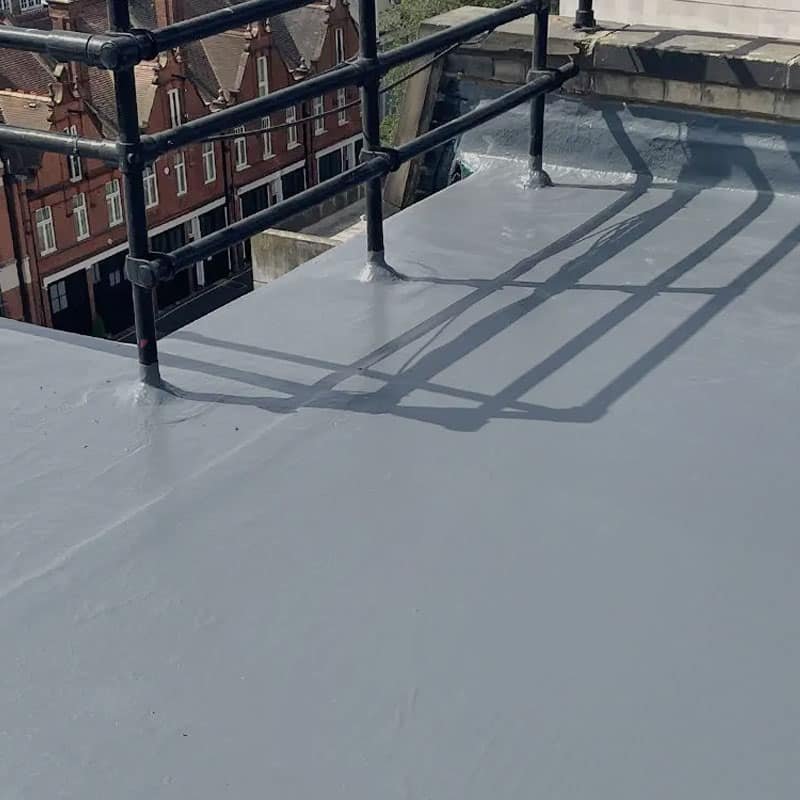
Liquid-applied waterproofing systems are a fantastic solution for complicated roofs, especially those cluttered with features like chimneys, pipes, and skylights. These systems create a seamless, flexible membrane that wraps the entire surface without any joints, which are notorious weak spots for leaks. Products like Enke liquid waterproofing are applied cold, which completely removes the fire risk that comes with using open-flame torches on a family home. Once cured, they form a tough, rubber-like skin that stretches and moves with your building, preventing cracks. It’s no surprise that Dublin contractors have used these liquid systems to protect over 250,000 m² of flat roofs; their reliability speaks for itself.
Of course, traditional bituminous felt is still a trusted staple for flat roofs across Ireland. This method involves layering up reinforced bitumen, often applied with a torch. While it’s a proven technique, modern approaches often allow us to install new systems directly over sound existing felt, saving you the cost, mess, and disruption of a full strip-down.
Sheet Membranes and Specialist Coatings
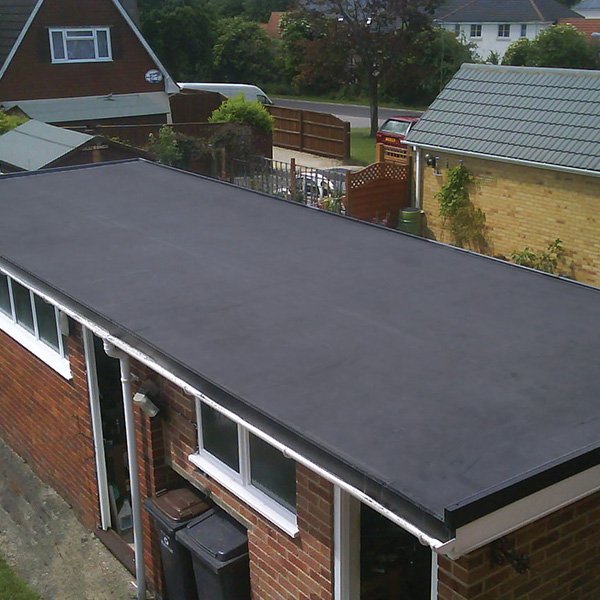
For larger, simpler flat roofs or commercial buildings, single-ply membranes like EPDM (a type of synthetic rubber) and PVC are excellent choices. EPDM is especially known for its incredible resistance to UV radiation and weathering, making it exceptionally durable in our Irish climate. The large sheets are bonded or heat-welded together to create one continuous waterproof shield.
For areas that need to be extremely tough, like balconies or rooftop walkways, Glass Reinforced Plastic (GRP), also known as fibreglass, is the superior choice. It creates a rigid, hard-wearing shell that can handle foot traffic with ease. Taking this a step further, specialist coatings like Polyurea offer instant waterproofing that cures in just a few seconds. These are often the go-to solution for safely encapsulating hazardous materials like old asbestos roofs, locking them away safely while completely sealing the surface.
The Professional Waterproofing Process by Emergency Roofers Dublin
A perfectly watertight roof depends almost entirely on what happens before the new material is even touched. When a waterproofing system fails, it’s almost always because of poor preparation, not a fault in the product itself.
Inspection and Preparation
A thorough, professional survey is the bedrock of any successful waterproofing project. We carefully assess the roof structure for any sagging and use specialised tools to check for moisture trapped within the roof deck. On flat roofs, we look for signs of ponding, that is, puddles of water that are still there more than 48 hours after it has stopped raining. This is a clear sign of a drainage problem that absolutely must be fixed before any new waterproofing is applied. In fact, top manufacturers like SOPREMA and Sika often require a report from this survey to even validate their product warranties.
Once we’ve identified all the issues, we get to work preparing the surface. This means high-pressure cleaning to get rid of all the moss, algae, and loose debris. We then meticulously repair any blisters in old felt, fill cracks in concrete, or treat corrosion on metal sheeting. By using advanced, fast-curing concrete conditioning products, we can even start applying the waterproofing system just seven days after a new concrete pour, speeding up your project timeline without cutting any corners on quality.
Application of the System
The application stage is all about precision and expertise. Taking a liquid-applied system as an example, we first apply a special primer to the entire surface to guarantee a rock-solid bond. We then embed a reinforcing fabric, or scrim, at all the critical stress points like joints, corners, and where the roof meets a wall. Only then is the main waterproof coating applied, usually in two distinct layers with a brush or roller, to build up the exact thickness needed for long-term protection.
We are also extremely strict about following the weather. Most professional systems can’t be installed if the temperature is below 8°C or if there’s any rain in the forecast for the next 48 hours. A typical two-coat system results in a final seamless membrane of about 1–1.5 mm thick, which means using around 15 litres of product to cover every 14–21 m² of roof area.
Sealing the Most Common Leak Points
It’s a common misconception that leaks start in the middle of the roof. The reality is, water rarely gets through the main surface; it finds its way in at the edges and through any feature that interrupts the roof plane. The vast majority of roof leaks in Dublin begin at these tricky detail points, like the flashing around a chimney, in valley gutters where two roof slopes meet, or around vent pipes. Our approach is to target these known weak spots with surgical precision.
We use advanced liquid systems that are reinforced with inert fibres to perfectly seal the kind of awkward shapes that traditional flashing struggles to protect. We install brand new lead or modern alternative flashings around chimneys to create a perfect, tight seal against the brickwork. For pipes that stick out of the roof, we use dedicated pourable sealers that form a permanent, flexible gasket. It’s also important to know that standard roof coatings often aren’t suitable for lining gutters because they can’t handle constantly standing water; these areas demand a specialist approach designed for continuous immersion.
Repair, Overlay, or Full Replacement
The good news is, you don’t always need a brand-new roof. Our focus is always on finding the most cost-effective, long-term solution for your specific problem. An overlay system, for example, can beautifully restore an ageing felt, asphalt, or metal roof for just a fraction of the cost of a full replacement, as long as the underlying structure is dry and sound. This method involves thoroughly cleaning the existing roof and applying a brand new waterproofing layer right on top, which comes backed by a solid 10–25 year warranty.
However, if we discover that the insulation is soaked or the timber deck is starting to rot, an overlay would just be trapping the problem and is doomed to fail. In these situations, a full replacement is the only responsible and effective choice. We always provide clear, detailed quotations in euros, breaking down the cost per square metre for each option (repair, overlay, and replacement) so you have all the information you need to make a smart financial decision for your home.
Adhering to Irish Roofing Regulations and Standards
When it comes to your roof, following the rules isn’t optional, it’s essential for your safety. All professional roofing work in Ireland must meet strict building regulations, which include specific fire performance standards known as B ROOF(t4). This rating is your guarantee that the roof can resist the spread of fire from an external source, like a stray firework or embers from a nearby fire.
Furthermore, to ensure you receive a valid, enforceable warranty from top manufacturers like Kingspan or IKO, the system must be installed by an officially approved and trained contractor. We always prioritise cold-applied systems for residential projects. By eliminating hot works and open flames, we significantly reduce the risks on-site and can often help lower your home insurance premiums while the work is being carried out.
Maintaining Your Newly Waterproofed Roof for Decades
Think of your warranty as a two-way street; it’s a contract that requires a little bit of care from you to remain valid. To ensure your roof lasts for its full 10–25 year design life, it’s crucial that you maintain it. We strongly recommend simple inspections twice a year, ideally in the autumn after the leaves have fallen and again in the spring.
This simple maintenance routine is mostly about clearing leaves, moss, and other debris from your gutters and outlets to prevent them from getting blocked. Clogged outlets cause water to back up and create ponds on your roof, which adds an immense amount of weight to the structure and puts the waterproofing membrane under constant stress. It’s also a good idea to check for any impact damage after a particularly severe storm. Neglecting these simple tasks, especially keeping your gutters clear, is one of the most common reasons a manufacturer’s warranty can be voided.
Why Choose Emergency Roofers Dublin for Your Project
We’re not just roofers; we’re local specialists who live and breathe Dublin weather and understand exactly how it affects your home. We act as your single point of contact for any water ingress issue, seamlessly integrating our roofing, guttering, and chimney expertise into one complete solution. It doesn’t matter if your roof is felt, EPDM, or metal; our team has the certified training and hands-on experience to make it secure. We back our work with comprehensive 10–25 year warranties, giving you lasting peace of mind, whether you’re a homeowner or a commercial property owner.
Commonly Asked Questions
The cost really depends on the system you choose, the size of your roof, and what kind of condition it's in right now.
As a general ballpark, you can expect prices to range from €60 to €120 per square metre for high-quality liquid or EPDM systems. If your roof needs a lot of preparation work, this figure will naturally be higher.
Several things can influence the final quote, such as the need for scaffolding, the cost of disposing of old roofing materials, and whether your insulation needs to be upgraded to meet current Building Energy Rating (BER) standards. An overlay is almost always significantly cheaper than a full strip-and-replace job.
Always ask for a detailed quote that breaks down the costs for labour, materials, and VAT. Make sure the quote clearly states the exact product being used (e.g., Enke, IKO) so you can look up the material yourself and understand the warranty terms you're getting.
While the DIY spirit is admirable, waterproofing your roof is a risky job that can easily lead to much bigger costs down the line if it's not done perfectly.
You can certainly buy a tub of sealant from a hardware store for a small patch, but the professional-grade systems like Polyurea or reinforced liquids aren't sold to the public. They require specialised training and equipment to apply correctly.
A professional roofer understands things that can make or break a project, like dew points and substrate moisture levels. For example, if you apply a waterproof coating over a damp surface, you're trapping that moisture inside. This can cause the timber structure of your roof to rot from the inside out, a disaster known as interstitial condensation.
Our advice is to hire a professional for the main roof area. You can save your DIY skills for clearing the gutters or applying a temporary emergency patch while you wait for a qualified roofer to arrive.
There isn't one single best system for every roof; the right choice really depends on how you use your roof and what its shape is.
For a large, open, rectangular roof, EPDM rubber is a fantastic and cost-effective option. For a more complex roof with lots of skylights, vents, or awkward corners, a liquid-applied membrane is far superior because it creates a seamless finish.
EPDM comes in very large sheets, which means fewer joints are needed. Since joints are often the weakest part of a roof, this is a big plus. However, trying to cut EPDM to fit neatly around complex shapes creates more joints and potential failure points, a problem that seamless liquid systems completely avoid.
If your flat roof also serves as a balcony or terrace, you should absolutely choose a GRP (fibreglass) or a specialist walkway system. These are built to withstand the wear and tear of foot traffic. For a standard domestic flat roof, a good quality EPDM or liquid membrane system will give you the best balance of cost and long-term performance.
Yes, absolutely! This process is called an overlay, and it's a very popular and cost-effective solution, provided the roof deck underneath is in good shape.
An overlay can often reduce the total project cost by 30-40% because it saves you the significant expense of stripping the old roof and paying for its disposal in a landfill.
This method is only a good idea if the existing insulation is completely dry and the timber deck hasn't begun to rot. A moisture test is essential to confirm that you won't be sealing existing dampness into your roof structure.
Before you agree to an overlay, ask your roofer to take a core sample or show you a moisture reading. If the substrate is wet, an overlay would be a total waste of money. In that case, you must strip the old materials and replace them.
When installed correctly by a professional, modern waterproofing systems are engineered to stand up to the Irish weather for many decades.
A professionally installed system will typically come with a manufacturer's warranty of 10 to 25 years, but its actual service life can be much longer with some simple maintenance.
The two main enemies of any roofing material are UV degradation from the sun and the stress of freeze-thaw cycles in winter. Modern materials like synthetic rubbers (EPDM) and advanced liquid polyurethanes are chemically designed to resist these specific stressors far better than old-fashioned bitumen.
Think of your roof's warranty as the guaranteed minimum lifespan, not the maximum. You can significantly extend its life by doing simple things like keeping the gutters clear of debris and removing any moss that traps moisture against the surface.
This rule is the industry standard for checking whether a flat roof is draining water properly.
If you can still see puddles of water on your roof more than 48 hours after the rain has stopped, it means your roof doesn't have an adequate slope (known as falls) or has other drainage problems.
Standing water, or ponding, is a big problem. It dramatically accelerates the breakdown of the waterproofing material and adds a huge amount of extra weight to the roof structure. In winter, this water can freeze and expand, creating tiny micro-cracks in the roof's surface that will eventually turn into leaks.
Never just waterproof over a roof that has a ponding issue. The problem must be solved first. This usually involves building up the low spots with screed or lowering the drainage outlets to ensure water can flow away freely and efficiently.
Yes, concrete decks are a great base for waterproofing, but they need to be prepared in a specific way.
Because concrete is naturally porous and can hold a lot of moisture, it needs to be primed and sealed correctly. Both liquid systems and torch-on felt stick extremely well to a properly primed concrete surface.
A new concrete slab releases a lot of moisture as it cures over time. By using modern, fast-curing primers, a waterproofing system can be applied much sooner after the concrete is poured, which helps keep your building project on schedule.
It's vital to make sure any cracks in the concrete are properly filled and then bridged with a reinforcement tape before the main waterproofing layer goes on. This prevents the new membrane from splitting if the building settles or moves slightly over time.
It might seem like a small chore, but blocked gutters are the single biggest cause of preventable roof leaks we see in Dublin.
When a gutter gets clogged, the rainwater has nowhere to go. It backs up and can easily flow over the back of the gutter and under your roofline, completely bypassing the waterproofing system and seeping into your wall cavity.
The sheer weight of wet leaves and debris can also pull your gutters away from the fascia board, breaking the seal. This allows water to run directly down your external walls, which can lead to penetrating damp and mould growth inside your home.
Make it a habit to schedule a gutter cleaning twice a year. The best times are in late autumn after most of the leaves have fallen, and again in spring to clear out any moss and debris that has built up over the winter.