The familiar drumming of rain against the windows of a Phibsborough terrace house is the quintessential sound of a Dublin winter. Many homeowners dream of upgrading their roof but pause, worrying that gentle rhythm might transform into a deafening racket. The fear that a new metal roof will sound like you’re living inside a steel drum during a hailstorm is a common and understandable anxiety. But this concern is rooted in the past, in images of old barns, not in the reality of modern home construction. Today’s professionally installed metal roofing systems are engineered to create a sanctuary of silence that easily rivals any traditional material.
Important Notes
Here’s what you really need to know about the sound of a modern metal roof:
- During a downpour, a modern metal roof measures around 52 decibels, while asphalt shingles are about 46 decibels.
- This tiny difference in sound is practically impossible for the human ear to distinguish.
- The secret to a quiet roof isn’t the metal itself, but the layers underneath: solid decking, quality underlayment, and proper insulation.
- When it comes to standing up to Irish weather, from hail to salty sea air, metal roofs offer vastly superior protection.
The Truth About Metal Roof Noise in Dublin
Let’s put one of the biggest myths about metal roofing to rest right away: the idea that they are noticeably louder than traditional asphalt shingle roofs. When a modern metal roof is installed by professionals, it doesn’t create any significant increase in noise during Dublin’s frequent heavy rain or occasional hail showers. This isn’t just an opinion; it’s backed by science. A study from the University of Luleå in Sweden found that rain on asphalt shingles produces a noise level of 46 dBA. For a metal roof, that number is 52 dBA.
So, what does that 6-decibel difference actually mean? Almost nothing to your ears. A difference of less than 8 dBA is below the threshold of what the average person can clearly perceive. To put it in perspective, a quiet whisper is about 30 dBA, and a normal conversation is around 60 dBA. The noise difference between the two roofs is there on paper, but in the real world, it’s practically unnoticeable.
This data is especially important for our local climate, where we often see over 1,000mm of rainfall annually. Thanks to modern installation techniques that include layers of sound-dampening insulation, the peace and quiet inside your home are preserved. Dublin homeowners who make the switch consistently report no noticeable sound difference, even during fierce Atlantic storms.
Here’s a simple side-by-side comparison of noise levels:
Roofing Type | Rain Noise (dBA) | Audible Difference? |
Asphalt Shingles | 46 | No |
Metal Roof | 52 | No (under 8 dBA) |
Why the Noisy Tin Roof Myth Still Exists
The persistent image of a deafeningly loud metal roof comes from a very specific place. Think of old agricultural barns, garden sheds, or industrial buildings. In those settings, it was common to fasten metal panels directly onto open frames or purlins, with no solid wood deck or insulation to be found.
These very basic installations were missing all the crucial sound-dampening layers that are standard in any modern residential roof. Without a solid deck, underlayment, or insulation, sound waves from rain and hail had nothing to stop them. They would hit the metal and vibrate freely, echoing into the open space below. This is what creates that classic, loud pinging sound everyone associates with old tin roofs. It’s a world away from the sophisticated, multi-layered systems that Emergency Roofers Dublin installs on homes today, systems engineered specifically for acoustic comfort.
The Anatomy of a Quiet Metal Roof Installation for a Dublin Home
A peaceful home beneath a metal roof isn’t an accident; it’s the result of a complete system of components working together to absorb vibration and block sound from ever reaching your ears.
Building a Sound Barrier with Decking and Underlayment
It all starts with the solid foundation of your roof, which is usually a deck made of plywood or Oriented Strand Board (OSB). This rigid layer acts as the first line of defence against noise, absorbing the initial impact of rain or hail and stopping those vibrations in their tracks. On top of this deck, we install a high-performance underlayment. This isn’t just flimsy paper; it’s a robust material like synthetic felt or a rubberized asphalt membrane that sits snugly between the wood and the metal panels.
This underlayment serves as a vital sound-absorbing buffer. In some tests, a quality underlayment alone can cut noise transmission by as much as 50%. This layer is particularly effective for retrofitting Dublin’s older terrace houses, where achieving peace and quiet is often a top priority. Finally, the attic insulation below is the ultimate barrier for both sound and temperature. Whether it’s fiberglass or spray foam, this insulation soaks up any remaining sound waves while also helping to regulate your home’s temperature. This thermal benefit can lead to real energy savings, potentially cutting 20% off your heating bills and saving a Dublin homeowner anywhere from €200 to €500 a year.
Selecting the Right Panels and Design
The type of metal panels you choose also plays a big part in both sound control and how well your roof holds up over time. We always recommend using metal panels that are at least 26-gauge. This thickness provides superior strength against dents from hail. The material itself also matters; steel is denser and naturally quieter, while lighter aluminum may need special coatings to protect against corrosion in our salty air.
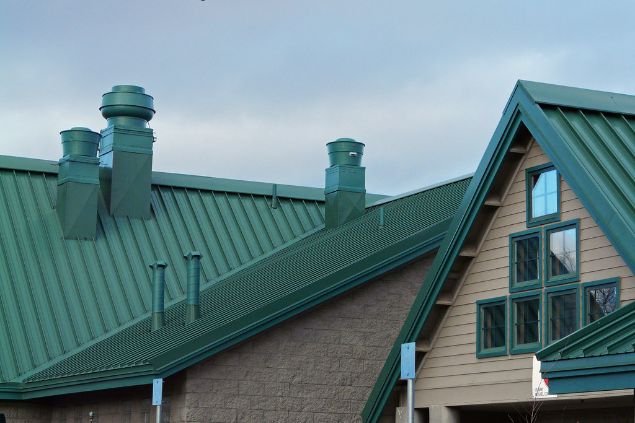
Even the design of the panels can influence the acoustics. Standing seam panels, known for their sleek, modern look, create a seamless, tight fit that dramatically reduces vibrations compared to other profiles. On top of that, a steeper roof pitch can help deflect the direct force of hail, guiding the impact and the sound away from the main living areas of your home.
Metal vs. Asphalt Shingles
When you’re choosing a new roof for our unique Irish climate, it’s essential to look at the facts side-by-side. While the noise levels are remarkably similar, the difference in durability is night and day.
Here’s a clear comparison of performance and cost:
Feature | Metal Roof | Asphalt Shingles |
Rain Noise (dBA) | 52 | 46 |
Hail Resistance | High (26-gauge deflects) | Low (cracks easily) |
Dublin Lifespan | 50+ years | 20-30 years |
Cost (per sqm) | €50-€80 | €30-€50 |
As the data shows, the difference in noise is negligible. Where metal truly shines is its lifespan. A metal roof can easily last over 50 years, offering a huge advantage in Dublin’s corrosive, salty Atlantic air. It also effortlessly deflects the small hailstones (typically under 2cm) we see in Ireland, preventing any serious damage. Asphalt shingles, on the other hand, can become brittle over time and are prone to cracking, which could lead to a costly and premature replacement.
Get a Guaranteed Quiet Metal Roof with Emergency Roofers Dublin
As Dublin’s trusted local experts in quiet, long-lasting roofing, Emergency Roofers Dublin guarantees a noise-free performance. We achieve this by meticulously following a strict multi-layer installation system that includes proper sheathing, high-grade underlayment, and the right insulation, a method proven by both university studies and years of hands-on experience.
As specialists in roofing, guttering, and chimneys, we deliver a complete, weather-tight system engineered to stand strong against the toughest Irish storms. Don’t let outdated myths guide your decisions about your home’s future. We invite all Dublin homeowners to schedule a free, no-obligation roof audit with our team so we can assess your home’s unique needs and show you what’s possible.
Frequently Asked Questions
Rain on a properly installed metal roof measures about 52 decibels (dBA). A study by the University of Luleå in Sweden confirmed this, placing it very close to the 46 dBA of asphalt shingles. This difference is so small that your ears can't really tell the difference, meaning the peaceful atmosphere inside your home won't change during a downpour.
Yes, absolutely. If you skip the solid decking and insulation, you'll get a much louder roof. The old noisy tin roof myth comes from structures like barns where metal panels were fixed directly to an open frame, allowing sound to echo. By installing a solid plywood deck and proper insulation, we absorb those vibrations and completely eliminate that echoing effect.
Generally speaking, steel is the quietest choice for a metal roof because it's denser and more rigid. A heavier gauge, like 26-gauge steel, is better at resisting vibration than thinner metals like aluminum. Choosing a panel design with stiffening ribs or a standing seam profile also helps minimize any potential for drumming sounds during heavy rain.
Yes, it's often possible to reduce noise on an existing metal roof by adding insulation from below. Applying spray foam insulation to the underside of the roof deck from within your attic is a very effective solution. This creates a dense sound barrier that dampens noise while also giving your home’s energy efficiency a welcome boost.
While the sound of hail hitting bare metal is technically louder, the experience inside a home with a proper roofing system is about the same as with shingles. All those layers of decking, underlayment, and insulation do their job to absorb the sharp sound of the impact. Plus, a key benefit is that metal shrugs off hail damage that would crack and destroy asphalt shingles, offering far better protection in the long run.
The colour of your roof won't impact sound, but the texture can make a very small difference. Stone-coated metal tiles, for example, have a granular surface that mimics asphalt shingles. This texture can help break up raindrops on impact, which may slightly reduce noise compared to a perfectly smooth, painted finish. However, the insulation underneath is always the most important factor for sound control.
Installing a new metal roof over your old shingles is a common practice and can actually enhance the soundproofing. The existing layer of shingles acts as an extra cushion between the new metal panels and the roof deck. This additional layer absorbs even more impact vibrations, potentially making your new roof even quieter than the original.
Yes, standing seam roofs generally tend to be quieter. Their hidden fastener system allows the metal panels to expand and contract with temperature changes without any binding, which gets rid of the creaking noises you might sometimes hear with corrugated roofs that have exposed fasteners. The flat, rigid profile of standing seam panels also vibrates less under the force of rain.
A well-installed metal roof will maintain its quiet performance for its entire lifespan. Unlike asphalt, which can lose its protective granules and become thinner over time, metal doesn't degrade in a way that would make it noisier. As long as the fasteners stay tight and the insulation remains in good condition, your roof will be just as quiet in its 20th year as it was on day one.
You might occasionally hear the light pitter-patter of birds or small animals, but it's rarely loud enough to be a bother. The same system of decking and insulation that blocks out the sound of rain also muffles the sound of little feet. In fact, because metal surfaces are more slippery than asphalt, they are less appealing for birds to perch on, which could mean less animal activity on your roof overall.
A professional, high-quality metal roof installation in Dublin typically ranges from €50 to €80 per square metre. This price includes all the essential sound-dampening layers, like solid decking and premium underlayment. While it's a bigger initial investment than asphalt, the 50+ year lifespan and significant energy savings deliver superior long-term value for your money.
No, a properly installed metal roof will not amplify wind noise. Noise from wind usually happens when roofing materials have come loose or when air is whistling through gaps. A professional installation from Emergency Roofers Dublin ensures every panel is securely fastened and all edges are properly flashed, preventing any lift or vibration, even during the most severe Atlantic gales.