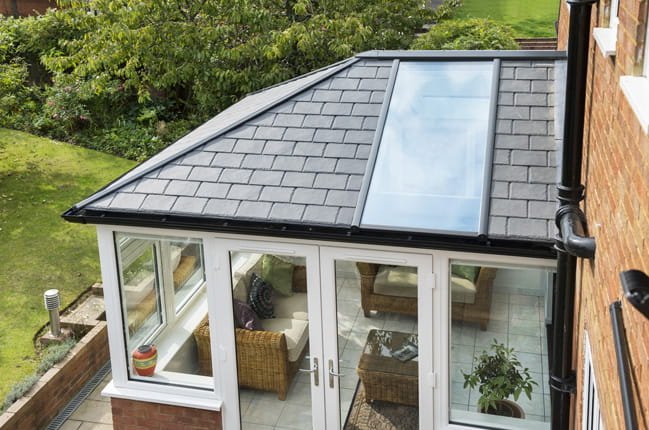
The sound of rain against the window is the soundtrack to life in Dublin, but when that water starts dripping inside, the gentle rhythm can quickly turn into a stressful drumbeat of disaster. Your roof is out there, taking the full force of every Atlantic storm, enduring the relentless damp, and battling urban pollution day in and day out. It’s easy for most of us to forget about the silent wear and tear happening right above our heads, at least until an ugly stain blooms on the ceiling or a stray shingle makes an unexpected appearance in the garden. Learning to spot these early warnings isn’t just about maintenance; it’s about protecting the value of your home and sidestepping the staggering expense of major structural repairs down the line.
Essential Lessons
- Those brownish water stains on your ceiling are a serious red flag for a leak. If you ignore them, the cost of repairing the resulting rot can often climb past €5,000.
- Dublin’s unique, damp climate is the culprit behind 70% of emergency roofing calls, thanks to our famously heavy rainfall and brutal storm surges.
- When you see visual clues from the ground, like missing granules that look like sand in your gutters or shingles that are starting to curl up, it’s a strong hint that your roof is getting old and tired.
- A sagging roofline is more than just an aesthetic issue; it’s a critical sign of structural failure that needs immediate attention to prevent a potential collapse.
- If your energy bills have mysteriously jumped by 20-30%, it could be a sign that your roof’s insulation and ventilation systems have given up, letting all that expensive heat escape.
Are Water Stains on Your Ceiling a Telltale Sign of a Dublin Roof Leak?
That discoloured patch on your ceiling is rarely just a simple cosmetic issue; think of it as a direct message from your roof that its defences have been broken. Those telltale brown or yellow rings mean water has fought its way through the outer layers of your home, snuck past the underlayment, and is now having a party in your plasterboard. In our experience, the usual suspects are failed seals around pipes, damaged flashing, or hidden rot that has been quietly festering. Dublin’s weather is unforgiving, and the constant, heavy rain is what usually pushes these weak spots to their breaking point, accounting for a staggering 70% of all emergency calls we get at Emergency Roofers Dublin.
When you spot a stain, speed is your best friend. Even a tiny leak that seems like no big deal creates a damp, humid environment that mould absolutely adores. You’ll often notice a musty smell in the room long before you see any actual mould, signalling a potential health hazard for you and your family. Ignoring a small leak is a financial gamble you’re almost guaranteed to lose. While fixing a minor leak might start from around €150, leaving it to drip allows water to slowly weaken the wooden rafters. Just replacing a single rotted rafter can cost between €400 and €800. If that structural damage is left to spread, the average repair bill can easily soar above €5,000. It’s no surprise that after a big storm, reports of leaks in cities like Dublin jump by 50%, so getting into the habit of checking your ceilings after a heavy downpour is a very wise move.
Bald Patches, Missing Tiles, and Curling Shingles
Granule Loss and Missing Tiles After a Dublin Storm
Think of the gritty, sand-like granules on asphalt shingles as their armour. This top layer is there to reflect harsh UV rays and protect the material from the elements. So, when you’re cleaning out your gutters and find a collection of these little granules, it’s a clear sign that your shingles are aging and their defences are wearing thin. This erosion exposes the asphalt underneath to the sun, making it brittle and weak much faster.
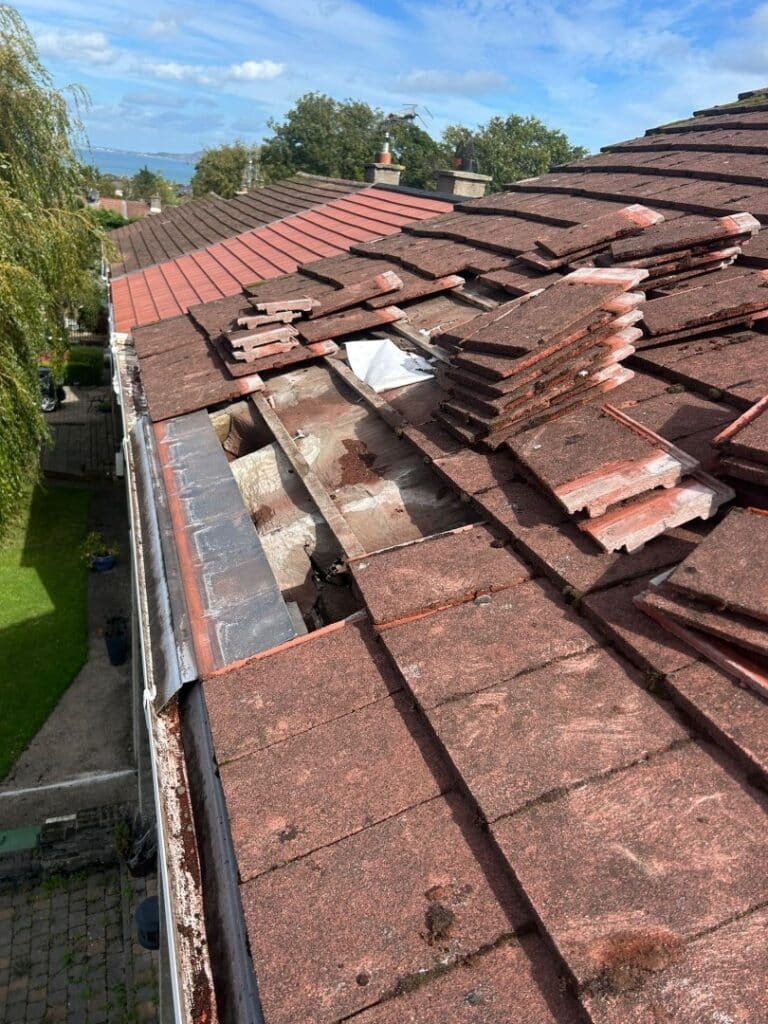
Missing or cracked tiles are an even more urgent threat, basically leaving an open door for water to walk right in. The fierce winds that frequently batter Dublin are notorious for ripping roofing materials loose. In fact, the wind here in Ireland is known to dislodge 20% more tiles than it does in average climates across the EU. After a particularly rough winter storm, we find that about 40% of the Dublin homes we inspect have missing shingles. If you look up and see a gap in your roofline, you need to act fast. A simple tile fix is relatively inexpensive, usually falling between €150 and €350. But if water has already backed up under the tiles, a common problem when gutters are clogged, the damage can spread, and what could have been a minor job can escalate into a moderate repair costing between €300 and €1,000.
Curling, Buckling, or Blistering Shingles in the Irish Climate
Your shingles are designed to lie perfectly flat against the roof. So, when you see their edges starting to curl up or their centres starting to buckle, it’s a sure sign the material is failing, worn down by age and the shock of changing temperatures. Ireland’s weather is a master of the constant freeze-thaw cycle. Moisture seeps into the shingle, freezes and expands, then thaws out, causing the layers to separate and warp. This makes the shingle lose its grip, leaving it extremely vulnerable to being torn off by the wind. The next strong gale could easily strip entire sections of your roof bare.
This specific kind of wear and tear affects an estimated 25% of shingles in our climate every single year. Dublin’s high humidity only makes things worse, speeding up the rate of curling by as much as 40% compared to drier parts of the world. Once shingles start to curl, there’s no turning back; they can’t be repaired and must be replaced. To give you some context on replacement costs, a full flat roof replacement in Dublin typically costs between €80 and €120 per square metre, while replacing individual clay tiles can range from €250 to €350 each, depending on how complex the job is.
The Alarming Sign of Structural Failure
Of all the warning signs, a roof that visibly droops or sags in the middle or along its ridge is by far the most serious. It’s a five-alarm fire drill, signalling that the very structural integrity of your home is compromised. The problem usually starts with the roof deck, or even worse, the rafters and trusses in your attic have been weakened by rot or have fractured. This is a particularly common issue in older semi-detached homes across Dublin, where long-term, unchecked moisture has finally taken its toll.
A sagging roof is a serious safety hazard that could lead to a total collapse, especially when it’s loaded down with the weight of snow or being battered by high winds. Data shows that sagging affects about 15-20% of roofs that are over 25 years old in wet climates like ours in Ireland. Fixing this isn’t a simple patch job. It often means installing new support beams to shore things up. The cost to replace rafters includes significant labour and can run from €400 to €800 per rafter. If the sagging is extensive, a full roof replacement is the only safe and sensible solution, costing around €80-€120 per square metre.
Is Your Roof Past Its Prime in the Irish Climate?
Every material has a sell-by date, and that clock ticks a lot faster in Dublin’s wet and windy weather. While a beautiful slate roof is incredibly tough and can last anywhere from 50 to 100 years with the right care, many modern homes are built with asphalt shingles, which generally only last about 20 to 30 years. If your asphalt roof has already celebrated its twentieth birthday, the chances of it failing increase by a hefty 50%.
Ireland’s own Long-Term Renovation Strategy points out that 28% of our buildings are in need of significant upgrades, which highlights a nationwide issue with aging homes. The storms we experience in Dublin can speed up the aging process by 20-30%, effectively shaving years off your roof’s expected lifespan. If your roof is over 20 years old, crossing your fingers and hoping for the best is a risky strategy. An annual professional check-up, which starts at around €200 from companies like Emergency Roofers Dublin, can spot weaknesses before a leak has a chance to ruin your home’s interior.
Hidden Clues Your Roof Is Failing
Sometimes the signs of a failing roof aren’t on the roof itself but are hiding in plain sight elsewhere. Finding a lot of those little shingle granules in your gutters is a dead giveaway that the protective layer of your shingles is literally washing away. This sandy sediment often mixes with leaves and other debris, creating a thick sludge that blocks the flow of water. In Dublin, it’s estimated that the gutters on 60% of homes get clogged every year. When your gutters overflow, that water can seep up under the edge of your roof or pour down into the fascia boards, doubling your risk of a leak. A professional gutter cleaning, which costs between €150 and €350, is a small price to pay for preventing major damage to your roof’s edge.
Your energy bills can also tell you a story. A roof does more than just keep the rain out; it’s a crucial part of your home’s insulation. If your heating bills are suddenly going through the roof, it often means that precious warm air is escaping through a compromised roof structure with poor ventilation or damp, useless insulation. An old or damaged roof can easily cause a 20-30% spike in your heating costs. During Dublin’s damp winters, this heat loss is even more pronounced, leading to bills that can be 15% higher in homes with leaky roofs compared to those with dry ones. Investing in a new, energy-efficient roof not only stops you from pouring money down the drain but might also make you eligible for grants under schemes like the Home Renovation Incentive.
Final Word
Your home is your biggest investment, and your roof is its most important line of defence. If you’ve spotted any of these seven signs, from a subtle water stain to an alarming sag in the roofline, don’t wait for the next storm to roll in and test your luck. Emergency Roofers Dublin has the expertise, transparency, and local knowledge you need to make your home safe and secure against the elements. Get in touch with us today for a thorough assessment, and let’s make sure your roof is ready for whatever Dublin’s weather has in store.
Commonly Asked Questions
That’s the big question, isn’t it? The cost of a new roof in Dublin can vary quite a bit depending on the size of your home and the materials you choose, but you can generally budget for somewhere between €80 and €120 per square metre for a standard replacement. For a typical semi-detached house, this could mean a final bill ranging from €5,000 to €10,000, while larger detached homes or those going for premium slate could see costs exceed €15,000. Don't forget that things like how easy it is to access the roof, whether you need scaffolding, and the cost of waste disposal will also affect the final quote.
Investing in high-quality materials from the start often saves you money in the long run by giving you a longer-lasting roof with fewer maintenance headaches. For instance, while asphalt is cheaper up front, slate holds up much better against the Irish weather. We always recommend getting a detailed, itemized quote that clearly lists VAT and labour costs to avoid any nasty surprises.
In our unique Irish climate, a roof's lifespan really comes down to the material it's made from. You can typically expect an asphalt shingle roof to last between 20 and 30 years, whereas a natural slate roof can go for an incredible 50 to 100 years if it's looked after properly. Flat roofs, which are often made of felt or torch-on materials, have a shorter life expectancy of around 15 to 20 years because they're more prone to problems with pooling water.
The specific environmental challenges in Dublin, like high winds and the relentless freeze-thaw cycles, can speed up the aging process by as much as 30%. Regular check-ups are absolutely essential to get the maximum life out of any roofing material. If your roof is getting close to the end of these average timeframes, it's a smart idea to start budgeting for a replacement before a major failure occurs.
Absolutely, repairing your roof can be a great option, but only if the damage is isolated to a small area (less than 30% of the total roof). Common repairs like fixing loose flashing, replacing a few missing tiles, or patching a minor leak are perfect for roofs that are still relatively young and in otherwise good shape. It's a cost-effective way to deal with minor issues.
However, if your roof is old, has widespread shingle damage, or is showing signs of structural sagging, a simple patch job will just be a temporary band-aid. You'll likely end up spending more money on continuous piecemeal repairs over a few years than you would on a full replacement. A professional roofer can assess your roof and tell you if the underlying structure is sound enough for a repair to be worthwhile.
Yes, without a doubt. Even a small leak is a serious warning that your home's protective shield has been breached, and it needs immediate attention. By the time you can actually see water on your ceiling, it has most likely already soaked through your insulation, wooden rafters, and plasterboard, creating the perfect breeding ground for mould and rot.
Letting a minor leak go can lead to major structural nightmares, with repair costs for rot often soaring past the €5,000 mark. On top of that, the moisture ruins your insulation's ability to hold heat, which means you'll be paying more for your energy bills. Tackling the leak early on prevents these bigger problems from developing and helps protect the health of everyone living in the home.
Generally speaking, standard home insurance policies in Ireland won't cover a full roof replacement if it's just due to old age or normal wear and tear. Insurance is really there to protect you from sudden and accidental damage, like a tree falling on your house or damage from an unusually severe storm.
If your roof starts leaking simply because the materials have reached the end of their natural life, the cost of replacing it will be your responsibility. It's really important to read the fine print of your policy, as some insurers might cover the damage caused by the leak to your home's interior (like a ruined ceiling), even if they won't pay for the roof itself. Ultimately, maintaining your roof is considered part of a homeowner's duty of care.
An easy way to check for a sagging roof is to stand on the street across from your house and take a good look at the ridge line, the very top peak of your roof. It should be perfectly straight. If you see a dip or a sway in the middle or along the sides, it’s a strong indication that the decking or rafters underneath have weakened and lost their structural strength.
Inside your home, you might notice sagging ceilings or new cracks appearing where the walls meet the ceiling. This is a dangerous situation because it means the roof structure can no longer support its own weight, and it's at risk of collapsing under heavy snow or in strong winds. This requires immediate professional help to either reinforce or replace the weakened structure.
Natural slate is widely regarded as the gold standard for Irish homes. Its incredible durability and resistance to our harsh weather mean it can last up to 100 years. Because it's non-porous, it doesn't absorb water, which makes it immune to the damaging freeze-thaw cycles we get.
However, if you're working with a tighter budget, modern fibre-cement slates or high-quality asphalt shingles offer a great balance of performance and price, usually lasting a solid 20 to 30 years. The best material for you will really depend on your budget, the steepness (or pitch) of your roof, and the architectural style of your home. Chatting with a local roofing expert will help you choose a material that can stand up to Dublin's specific weather challenges.
For the most part, simply replacing your roof is considered an exempted development, which means you don't need planning permission. This is true as long as you aren't significantly changing the height or shape of the roof and you're using materials that look similar to what was there before, helping to maintain the visual character of your neighbourhood.
However, if your home is a listed Protected Structure or is located in an Architectural Conservation Area, much stricter rules apply, and you will almost certainly need to get permission. We always strongly advise having a quick chat with your local council or a planning consultant before you start any work, just to be sure you're following all the current regulations.