The moment you spot a sudden leak or a few loose shingles, a familiar sense of dread kicks in. Your eyes dart to the ceiling, your mind starts crunching the numbers in your savings account, and you automatically brace for a quote that runs into the thousands. Let’s face it, replacing a roof is one of the most expensive jobs any homeowner has to deal with, and the roofing industry is well aware of this anxiety. Stepping into this gap is Roof Maxx, a treatment that promises to turn back the clock on your aging roof for a fraction of what a new one would cost. It really does sound like the perfect answer: just spray on a biological oil, give it a few hours, and you’ve bought yourself another five years of protection.
But here’s the thing: Dublin isn’t Arizona. Our climate, with its driving rain, relentless moss growth, and the specific types of roofing materials we use, creates a completely different set of challenges than the environment where this technology was first developed. What you really need to figure out is whether this soy-based spray is a genuine lifesaver for your property or just a temporary bandage on a much deeper problem.
Important Notes
- Cost Efficiency: You’re looking at a cost of around 30–40% of what you’d pay for a full asphalt roof replacement, which could save you thousands of euros in the immediate future.
- Material Specificity: This treatment is designed for one thing and one thing only: asphalt shingles. It won’t do a thing for the slate, clay, or concrete tiles you see on so many Dublin homes.
- Life Extension: The company claims that a single treatment can give your aging shingles another five years of life and flexibility, and you can potentially do this up to three times.
- Limitations: It’s important to remember this is a conditioner, not a sealant. It’s not going to stop existing leaks, repair any rot in the structure, or fix damaged flashings.
- Local Suitability: Given Dublin’s damp climate, a thorough assessment is crucial. Spraying oil onto a roof that’s covered in moss or already structurally weak is simply a waste of money.
Roof Maxx in Dublin
Let’s be honest, the biggest draw for roof rejuvenation is the price. When you think about replacing a roof, you’re not just thinking about materials; you’re thinking about scaffolding, hiring a skip, paying for labour, it all adds up, and fast. A treatment like Roof Maxx usually comes in at around 30–40% of the cost of a brand-new asphalt roof.
Let’s look at the actual numbers. For a typical semi-detached house in Dublin, putting on a completely new asphalt shingle roof could set you back anywhere from €10,000 to €14,000. By comparison, a rejuvenation treatment would likely be estimated in the €3,000 to €5,500 ballpark. You’ll even see some marketing that pushes this further, claiming you can save up to 80% less than a full replacement, which would bring the cost down into the €2,000 to €3,000 range.
That’s a financial gap that’s pretty hard to ignore. This approach means you can put off the massive disruption that comes with tearing off your entire roof. If you break it down by cost-per-year, you can really see the potential value: would you rather spend €4,000 to get another five years out of your current roof, or spend €12,000 for a new one that will last 20 years? To get a clear picture for your own home, Emergency Roofers Dublin can give you a specific written quote in euros after we carry out a detailed on-site inspection.
Up to 80% Cheaper Than a Full Roof Replacement in Dublin
It can be tough for any homeowner to justify shelling out a five-figure sum for a roof that just looks a bit old but hasn’t actually started leaking yet. The promise of Roof Maxx is all about giving you financial breathing room. Essentially, you’re buying yourself time. By spending just a fraction of the replacement cost now, you get to push that massive expense further down the road.
If the claims really do hold up, you’re avoiding the hefty costs of getting rid of the old shingles and the labour involved in tearing them off. That up to 80% savings figure you see usually applies to bigger roofs where the alternative is a top-of-the-line replacement. But remember, this calculation only makes sense if your roof is a good candidate in the first place. Paying €3,000 to spray a roof that gives up the ghost next winter is just throwing money away. You have to carefully weigh the immediate cash savings against the real-world condition of your roof.
How a Soy-Based Oil Can Add Up to 15 Years to Your Roof’s Life
Your asphalt shingles have essential oils inside them that help them expand and contract as the temperature changes. Over the years, the sun bakes these oils right out, leaving the shingles brittle, curled, and prone to cracking. Roof Maxx is designed to tackle this exact chemical breakdown.
The claim is that a single application can add another five years of life to your aging asphalt shingles. The manufacturer also says you can reapply the treatment up to three times, every five years. In theory, this could extend your roof’s total lifespan by as much as 15 years.
It’s important to understand that this process rejuvenates the material, it doesn’t magically turn an old roof into a brand-new one. For example, a 15-year-old asphalt roof in Dublin could potentially be treated when it’s 15, 20, and 25 years old, putting off a full replacement for a significant amount of time. Of course, you have to factor in our local weather. Dublin’s damp, windy climate is much tougher on shingles than drier climates are. While Roof Maxx does offer a product warranty that might still be valid even after the original shingle warranty has expired, this all hinges on the condition of your roof to begin with.
The Science Behind Restoring Your Shingles
When you understand how it actually works, it’s easier to separate the marketing hype from the real-world benefits. Roof Maxx isn’t a paint or some kind of surface coating. It’s a bio-oil spray made from soy, a plant-based source. The formula is packed with millions of tiny micro-beads of oil.
A technician will spray the treatment onto your roof using low pressure. These little beads are designed to soak deep into the asphalt layer of every shingle, where they replace the natural petroleum oils that have been lost over time. By restoring these oil levels, the shingles get their flexibility back. A flexible shingle can bend when it’s under stress, while a brittle one will just crack. The oil also helps with waterproofing by making the asphalt itself less porous.
This technology wasn’t just whipped up in a garage; it was developed in partnership with a major research and development company. What’s more, independent tests at The Ohio State University on a 17-year-old roof confirmed that it really works. The application itself is quick, usually taking anywhere from 30 minutes to a few hours, depending on how big your roof is.
Proven Performance
You can’t just take marketing claims at face value; they need proof. The manufacturer points to independent tests where treated shingles got back a level of flexibility that was comparable to brand-new shingles. The results from The Ohio State University were very specific, showing a major drop in how much moisture could get through.
The tests also found that the treated shingles had 24% smaller dents from hail impacts compared to untreated ones. And when it comes to safety, the treated shingles earned a Class A fire resistance rating (ASTM E108), which is the best you can get. In those same tests, the old, untreated shingles failed to meet the standard. This kind of data shows that the chemical change happening inside the shingle is real and effective, not just something that looks good on the surface.
Is Roof Maxx a Smart Choice for Homes in Dublin?
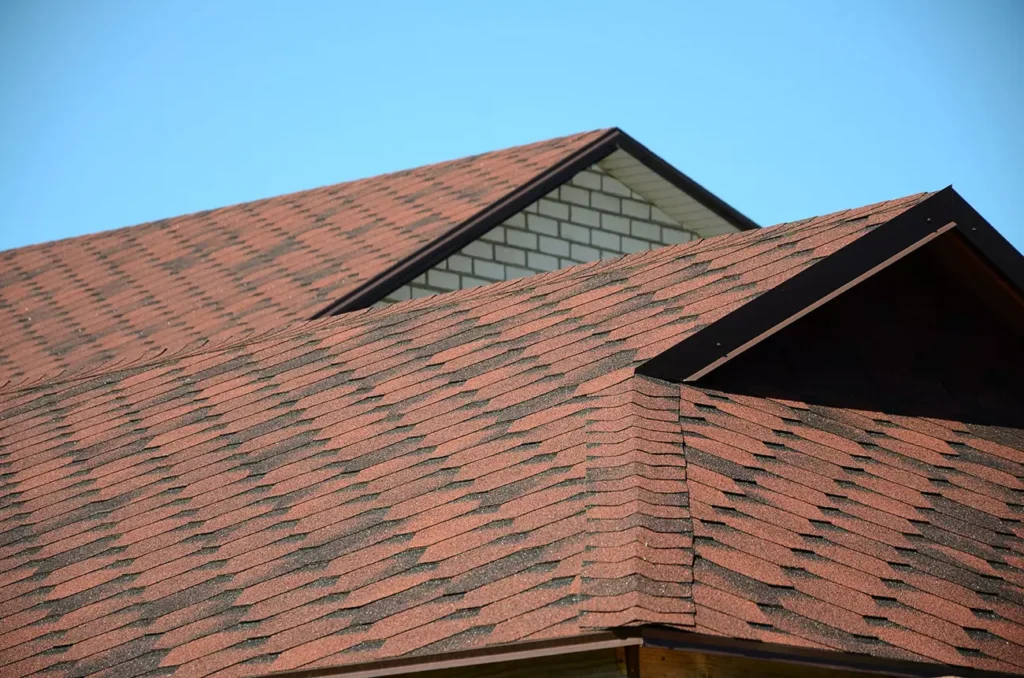
For any homeowner in Ireland, the number one question has to be about material compatibility. Roof Maxx is designed to work on one type of roof and one type only: asphalt shingles. Its whole purpose is to restore the petrochemical oils in the asphalt.
This means it’s completely unsuitable for slate, clay tiles, concrete tiles, metal roofs, or flat roofing membranes. A huge number of homes in Dublin have slate and tile roofs with cement-bedded ridge tiles, and these materials need traditional methods of repair, like pointing and other mechanical work. Spraying oil on a slate or concrete roof will accomplish absolutely nothing.
You’re most likely to find asphalt shingles on extensions, porches, dormers, or on certain imported house designs around Dublin. If you have any doubt about what your roof is made of, the team at Emergency Roofers Dublin can come out, identify your roof type, and let you know the best way forward. Whatever you do, don’t buy this treatment until you’re 100% sure you have the right kind of roof for it.
Climate Considerations for Irish Roofs
Where you live has a huge impact on how your roof holds up. In milder, drier places, an asphalt roof is a perfect candidate for rejuvenation when it’s about 10–12 years old. But Dublin is a different story. Our damp, windy Atlantic weather speeds up certain kinds of problems.
Moss and algae grow everywhere. Wind drives rain under the laps and around flashings. Corrosion on metal flashing is also common, thanks to the salty air. These are the real enemies of a Dublin roof. An oil rejuvenation treatment won’t kill moss, it won’t fix corroded lead flashing, and it won’t stop rain from getting under a lifted tile. These are problems that need to be professionally repaired by a company like Emergency Roofers Dublin before you can even start thinking about preservation.
The Environmental Case
Construction waste is a huge problem for our landfills, so anything that delays a full roof replacement has a real, positive impact on the environment. The manufacturer states that for every home treated, about 3.8 tonnes of roofing waste are kept out of a landfill. To put that in perspective, that’s about the same as several full builder’s skips.
The green benefits don’t stop there. By putting off a replacement, you also avoid around 80 kg of CO₂ emissions that come from transporting heavy materials, and you prevent another 1,420 kg of CO₂ emissions that are created when new shingles are made.
A study from The Ohio State University even concluded that rejuvenation seriously reduces environmental risks when compared to just tearing off and replacing a roof. For homeowners who are mindful of Ireland’s goals for a circular economy, getting more life out of the materials you already have is a great way to ease the burden on Dublin’s waste system.
What Roof Maxx Does Not Do
Let’s be realistic: no single product can fix every problem, and Roof Maxx is no exception. It’s not a permanent fix. It won’t solve structural problems like rotten decking, a damaged underlay, or any major leaks. If the timber underneath your shingles is rotting away, spraying oil on top is just throwing good money after bad.
Some professionals in the roofing industry also argue that while it offers a short-term fix, the cost might not be worth it if the roof is already on its last legs. But the most critical thing to remember is that this product is not made to seal your roof against leaks. The vast majority of roof leaks, we’re talking 99% of them, happen around flashings, chimneys, skylights, and where the roof meets a wall. These spots need hands-on, mechanical repairs.
The biggest risk for a Dublin homeowner is shelling out thousands for a rejuvenation treatment when there’s already hidden structural damage from years of damp. You could easily end up with lovely, flexible shingles on a roof that’s still letting water into your attic.
Comparing Your Options
When it comes to your roof, you really have three main paths to choose from. First, there’s rejuvenation, which has a much lower upfront cost, usually 30-40% of a full replacement. There’s no messy tear-off involved, and the whole job is done in less than a day. Think of it as a maintenance strategy.
Then you have a full replacement. This gives you a brand-new roofing system with a lifespan of 20 to 30 years or more, backed by a solid manufacturer’s warranty. It fixes every underlying problem, from rot to bad flashing, but it comes with a hefty price tag.
The third option, which often gets confused with rejuvenation, is roof coatings. But they’re very different. Roof Maxx is a treatment that penetrates inside the asphalt, while acrylic or silicone coatings create a film on top of the surface. Coatings can eventually peel off; penetrating oils don’t.
When you compare these options to just doing nothing, any kind of proactive maintenance or rejuvenation is a smart move that can save you from a late-night emergency call-out. If you just leave your shingles to get worse, you can be sure that leaks and storm damage are in your future.
Your Checklist Before Choosing Roof Rejuvenation in Dublin
Doing your homework now will save you from regret later. Just follow these steps before you sign on the dotted line:
- Verify Material: Make absolutely sure your roof is made of asphalt shingles.
- Check Age: The sweet spot is a roof that’s between 10 and 20 years old, one that’s showing signs of drying out but isn’t actually crumbling apart.
- Inspect Structure: Have a good look (or get a professional to) for any spongy-feeling decking or signs of water damage inside your home.
- Get Quotes: Get a written quote in euros that clearly compares the cost of the treatment against the cost of a full replacement.
- Clarify Warranty: Ask to see the detailed terms of the warranty. Be sure to ask exactly what isn’t covered, like leaks around the chimney or damage from a big storm.
- Pre-Work: Find out what their plan is for handling any necessary repairs, like fixing flashings, gutters, or loose shingles, before they apply the treatment.
Getting a full roof condition report from an expert, like the team here at Emergency Roofers Dublin, is the most important first step you can take. It’s the only way to be sure you’re not just trying to preserve a roof that’s already on its way out.
A Complete Roof Health Plan from Emergency Roofers Dublin
Trying to decide between rejuvenation and a full replacement really comes down to an honest, clear-eyed assessment of your property. And whether rejuvenation is the right path for you or not, Emergency Roofers Dublin offers all the essential services you need to protect your home.
We provide thorough roof inspections and detailed reports that cover every single component, from the shingles and slates to the chimneys and flashings. We’re experts at finding and fixing leaks in all those vulnerable spots that oil treatments can’t touch. Our work includes everything from moss removal and replacing cracked tiles to re-bedding ridge tiles and providing full maintenance for your gutters and downpipes. And when the time finally comes for a new roof, we offer full and partial re-roofing services using durable materials that are perfect for Dublin’s unique climate.
Get in touch with Emergency Roofers Dublin today for an honest evaluation of your roof and a straightforward quote that works for your budget.
Frequently Asked Questions
A roof rejuvenation treatment will typically run you somewhere between 30% and 40% of the cost of a full roof replacement. So, for a standard Dublin home where a new asphalt roof might be €10,000 to €14,000, you could expect a Roof Maxx treatment to be in the ballpark of €3,000 to €5,500.
Roof Savers indicates that savings can reach up to 80% compared to total replacement costs, depending on the complexity of the tear-off avoided. Rig Roofing supports this pricing model, highlighting the significant gap between preservation and construction.
It's best to think of this as a mid-life maintenance cost rather than a major home improvement. Always make sure you get a fixed quote in euros that includes any repairs that need to be done beforehand.
Absolutely not. Roof Maxx is chemically formulated to work only on asphalt shingles. Its magic lies in replacing the petrochemical oils that dry out from the asphalt over the years.
Roof Maxx explicitly states their product restores the flexibility of asphalt shingles. Peak and Valley Roofing confirms the technology relies on penetrating the granular surface of asphalt, which is a world away from stone or clay.
If you were to apply this product to the slate, clay, or concrete tiles that make up most of Dublin’s roofs, it would be completely ineffective and a total waste of money.
No, it's really important to understand that Roof Maxx is a conditioner, not a sealant. It's designed to make your shingles flexible again to prevent future cracks, but it won't plug any existing gaps or holes where water is already getting in.
TrustDale investigations emphasize that the product is not designed to stop leaks. Mills Roofing further clarifies that 99% of leaks occur at flashings and penetrations, which this oil spray does not address.
If you've got a leak, you need to call in a professional roofer to fix it properly before you even consider a rejuvenation spray.
A single application is designed to give your asphalt shingles an extra five years of life.
Mid Penn Roof Savers notes that the treatment effectiveness has been validated for this five-year window. Roof Maxx literature suggests the treatment can be repeated up to three times, theoretically adding 15 years total.
As a homeowner, you should plan on having your roof re-evaluated every five years. How long it really lasts will depend on your roof staying structurally sound in the meantime.
No, it’s a way to extend the life of your roof, not a permanent solution. Think of it as delaying a replacement, not getting rid of the need for one altogether.
Roof Savers Tri-Cities compares the process to maintenance that pushes back the inevitable. Rig Roofing frames it as a way to buy time rather than a permanent fix.
It's a strategic move for homeowners who want to put off a €12,000 expense for a few more years, while still understanding that a replacement will be necessary eventually.
The biggest criticism you’ll hear is that it doesn't fix any underlying structural problems, which means it can be a bad investment if your roof is already in really poor shape.
TrustDale highlights that applying it to a roof with rotting decking is essentially putting lipstick on a pig. Peak and Valley Roofing notes skepticism from professionals regarding the long-term value compared to saving for a new roof.
Most of the time, any dissatisfaction comes from people not knowing what the product is meant to do; it’s designed to save the shingle, not the entire roof structure.
Yes, it is. The product is made from soy oil and is a USDA-certified bio-based product. A big part of its appeal is how it reduces construction waste.
Roof Maxx data indicates that treating a roof saves 3.8 tonnes of waste from landfills. The Ohio State University study confirms that rejuvenation reduces the environmental footprint significantly compared to manufacturing and transporting new shingles.
For any homeowner in Dublin who cares about sustainability, this approach fits in much better with waste reduction goals than replacing a roof before you absolutely have to.
If your shingles are already curling badly, have lost most of their granules, or are starting to come apart (delaminating), then the treatment simply won't work. Any honest applicator would likely tell you your roof isn't a good candidate.
Mid Penn Roof Savers advises that roofs must be candidates for restoration, not total failure. Mills Roofing suggests that once the asphalt has lost too much structural integrity, replacement is the only viable option.
That’s why a professional inspection is so vital; treating a failed roof won't give you any warranty protection and is just a waste of your money.
Typically, no. The warranty covers the performance of the product in terms of keeping the shingles flexible and making sure they adhere properly. It doesn't cover water-tightness or leaks.
Roof Maxx FAQs specify the warranty covers the product's performance in restoring the shingle. TrustDale warns consumers to read the fine print, as leak repairs are usually excluded.
You are buying shingle conditioning, not a leak-proof guarantee.
The ideal time to consider it is usually when the roof is between 6 and 10 years old in sunnier climates, or more like 10 to 15 years in temperate places like ours. You want to catch it when the shingles are starting to dry out but haven't begun to crack yet.
Rig Roofing suggests treating before the shingles become brittle. Roof Savers recommends assessment as soon as you start to see a noticeable amount of granules washing into your gutters.
Here in Dublin, it's probably safer to act earlier (around the 10-12 year mark) rather than waiting until you see obvious signs of failure.
They work in completely different ways. Roof Maxx is designed to penetrate into the shingle to restore its internal chemistry. Coatings, on the other hand, sit on top of the shingle to form a protective barrier.
Peak and Valley Roofing distinguishes between penetrating rejuvenators and surface coatings. Mid Penn Roof Savers explains that coatings can trap moisture or peel, whereas the oil integrates with the asphalt.
This penetration allows the shingle to breathe and function as it should, while a coating essentially paints the roof shut.
Yes, absolutely. The surface has to be clean for the oil to be able to soak into the asphalt granules properly.
Roof Maxx protocols usually include a soft wash to remove moss and debris. Mills Roofing notes that moss and algae (common in Dublin) block the spray from reaching the shingle.
If you don't clean the roof first, you'll end up treating the moss instead of the asphalt, which makes the whole application pointless.