For much of the year, the sound of rain on Dublin roofs is a familiar comfort. But most of us tend to ignore the crucial space just beneath those tiles, at least until a tell-tale damp patch begins to creep across the bedroom ceiling. By that point, unfortunately, the damage has already begun. Think of a ridge vent as the lungs for your house, constantly swapping out stale, moist air for a fresh, clean flow. It sits quietly at the very peak of your roof, an unsung hero defending your entire home from the relentless Irish damp.
Main Points
- Imagine your roof lasting years longer. A ridge vent can extend its lifespan by an impressive 20-50%, potentially adding a full decade to your shingles’ performance.
- Proper airflow means a happier wallet, lowering your energy bills by 10-15% by helping to regulate the temperature in your attic all year round.
- By ensuring continuous ventilation, you can help prevent destructive ice dams and cut down on moisture buildup by 30-50% compared to older gable vents.
- Investing in smart ventilation isn’t just about protection; it can increase your Dublin property’s value by 2-5% and may even qualify you for helpful SEAI grants.
Why Your Dublin Home Needs a Ridge Vent
Your roof is in a constant battle with the elements, from driving wind and rain to ever-changing temperatures. Without a way to breathe, heat and moisture can launch a second attack on your home’s structure from the inside out. A ridge vent is a simple, static vent that’s installed along the peak of a sloped roof. It gives warm, damp air an easy escape route while blending in so seamlessly you’ll barely notice it’s there. According to the experts at Whitts Roofing, installing these vents can extend your roof’s lifespan by a staggering 20-50%. That means shingles that were designed to last 20 years could end up protecting your home for a solid 30.
The structural benefits go hand-in-hand with financial ones. Energy-efficient ridge vents work to stabilise the temperature in your attic, which takes a huge load off your heating and cooling systems. The data shows that this simple addition can lower your energy bills by a significant 10-15%. For a typical Dublin home, those monthly savings add up incredibly quickly. What’s more, a well-ventilated roof is a major selling point. It sends a clear signal to potential buyers that the property is well-maintained and free from hidden moisture problems, which can boost its value by a healthy 2-5%.
How Ridge Vents Slash Your Energy Bills and Prevent Costly Damage
When Dublin winters settle in, with temperatures hovering between 0-5°C, the perfect conditions for ice dams are created. These damaging ridges of ice form when heat escaping from your living space melts snow on the roof, which then refreezes right at the eaves. This ice acts like a dam, blocking drainage and forcing water back up under your tiles. Ridge vents are your best defence, as they help keep the entire roof surface at a consistent, cool temperature. The team at McClellands Roofing highlights this temperature regulation as one of the best ways to guard against winter water damage.
Summer brings a completely different kind of challenge. Trapped attic heat can literally bake your roofing materials from the inside out and radiate down into your bedrooms, making them uncomfortably warm. Attics equipped with ridge vents can stay a remarkable 20-30°C cooler during those warm spells. This helps keep your living space more comfortable and dramatically reduces the strain on your fans or air conditioning. A typical semi-detached home in Dublin could see energy savings of €200-400 every year, just from this passive cooling effect. Homeowners also report 25% fewer calls for HVAC repairs, since their equipment doesn’t have to work so hard against a superheated attic.
How Ridge Vents Work in Ireland's Climate
So, how does this simple vent work its magic? It all comes down to some basic, clever science. Ridge vents rely on a natural process called convection, which is just a fancy way of saying that hot air rises. As everyday household activities like cooking, showering, and even breathing generate warm, moist air, it naturally drifts upwards into your attic. In a properly balanced system, this air finds its exit through the ridge vent at the very top. As Renova Roofing explains, this outflow creates a gentle negative pressure, which then actively pulls cooler, drier air into the attic through soffit vents located at the eaves.
This constant, gentle exchange of air is absolutely vital for a home in Dublin, where the average humidity often lingers between 80-90%. Without that movement, all that moisture has nowhere to go but to settle on the timber of your roof structure. The process is beautifully simple: heat builds up, rises to the peak, and escapes. This cycle runs silently, 24/7, without using a single watt of electricity. In our famously rainy climate, this system is proven to reduce moisture buildup 30-50% more effectively than old-fashioned gable vents, which often leave pockets of stagnant, damp air lingering in the corners of your roof.
What Exactly is a Roof Ridge Vent?
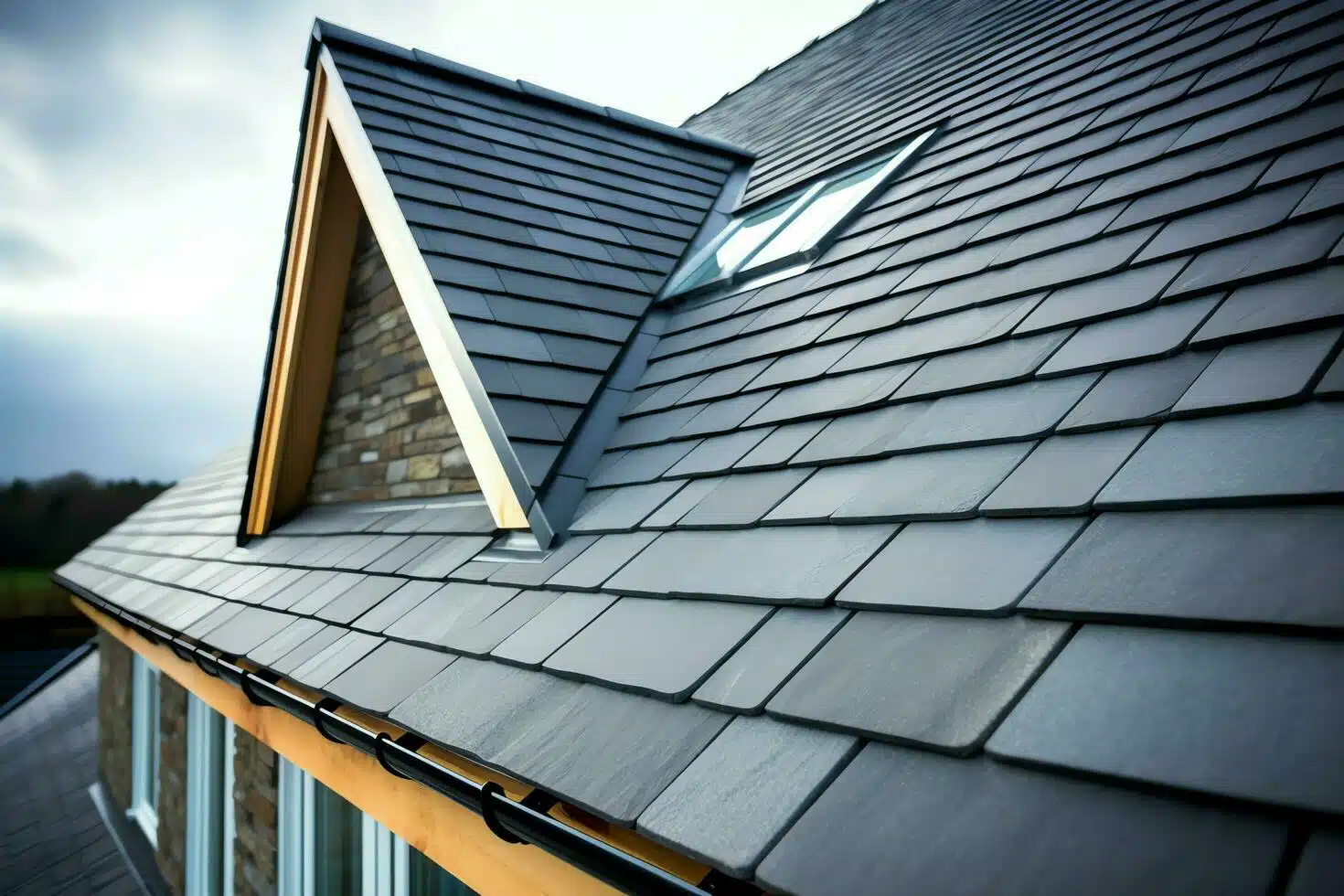
A roof ridge vent is a continuous exhaust system that sits discreetly on top of the peak, or ridge, of a sloped roof. Manufacturers engineer them from tough materials like durable plastic or aluminium, so they can stand up to the harshest weather. Installers then cover the vent with matching ridge cap shingles, making it almost invisible from the ground. As GAF points out, their design is specifically engineered to block out wind-driven rain, snow, and pests, all critical features for weathering Irish storms.
An attic that doesn’t have this release valve can feel like an oven, with internal temperatures reaching a scorching 50-60°C. This intense heat effectively cooks your shingles from the bottom up, which can shorten their life by 20-30%. In Dublin’s damp, maritime climate, ridge vents serve a dual purpose by also cutting down attic humidity by up to 40%. According to IKO, they provide 10-15% better airflow than individual box vents, ensuring that every last rafter in your attic stays dry and healthy.
The Hidden Dangers in an Unventilated Dublin Attic
Trapped moisture is a silent destroyer. Everyday life, from cooking a stew to taking a hot shower, releases gallons of water vapour into your home. Without a clear escape route, this vapour drifts up into the attic and condenses on the cold underside of your roof deck. The result is a perfect breeding ground for wood rot in the rafters and toxic mould growth. Worryingly, it’s estimated that around 70% of poorly ventilated Irish homes suffer from some level of mould and mildew in their attic space.
The consequences can be devastatingly expensive. Fixing rotted structural timber and professionally removing a mould infestation can easily push repair costs over €5,000. But it’s not just about the money; degraded indoor air quality can pose serious health risks to you and your family. The Roof Cow also emphasizes that proper ventilation is crucial for protecting your insulation. When insulation gets damp, it loses its thermal resistance, or R-value, making your home colder and much more expensive to heat.
Choosing the Right Ridge Vent for Your Dublin Property
Selecting the right material for your ridge vent is key to making sure it lasts. For our local weather, aluminium ridge vents are a very strong contender. They are fantastic at resisting corrosion and are surprisingly lightweight. With a typical lifespan of 40-50 years, they often outlast the very shingles they sit on. You can expect these to cost around €20-30 per meter.
Plastic and polymer vents offer great flexibility. They’re often easier to install on more complex roof shapes and contain special UV inhibitors to stop them from cracking under the sun. They are also an affordable choice, costing about €15-25 per meter installed, while still providing a generous 18 square inches of net free area for every 10-foot section. For more modern homes, uncapped metal ridge vents can provide a sleek, industrial look without needing to be covered by shingles.
Professional Ridge Vent Installation in Dublin
Here at Emergency Roofers Dublin, we handle the installation process with the utmost precision. It begins by carefully cutting a specific air slot along the roof ridge, ensuring we don’t compromise the structural integrity of your trusses in any way. We then secure the vent firmly over the slot and finish it with matching cap shingles to create a completely weatherproof seal. For an average-sized roof, a professional installation usually takes just one to two days.
This is an investment that starts paying you back almost immediately. The total costs typically range from €40-60 per meter. So, for a standard 50-meter roof line, you can expect the total project to cost between €1,500 and €3,000. The good news is that Energy Star-rated models may qualify for Irish SEAI grants of up to €1,200, which can significantly reduce the initial outlay.
Long-Term Maintenance and Partnership
One of the best things about ridge vents is that they require very little attention once installed. A simple yearly inspection to make sure that leaves or moss haven’t blocked the airflow slots is usually all it takes. This wonderfully low-maintenance design can save homeowners €100-200 per year compared to the frequent upkeep and repairs often needed for mechanical fans or systems suffering from poor ventilation.
Emergency Roofers Dublin provides comprehensive checks to ensure your home’s ventilation meets the required 1:150 or 1:300 net free area ratio, as mandated by Irish building regulations. We are always happy to offer free, no-obligation quotes for all your roofing, guttering, and chimney needs. Please don’t hesitate to contact us to help secure your home against the damp.
Commonly Asked Questions
Your home often gives you clues. Keep an eye out for damp patches on ceilings, paint that's peeling near the roofline, or even rusted nails in the attic. In winter, if you see large ice dams forming on your gutters, that's a classic sign that too much heat is trapped in the roof space.
If you notice a musty, stale smell in your attic, that often points to mould or mildew caused by high humidity. In the summer, if your upstairs rooms feel noticeably hotter than the ground floor, it's likely because hot air is trapped up there with no way to escape.
Moisture from inside your home rises, and if it can't get out, it will condense on cold surfaces like the underside of your roof. As The Roof Cow explains, this trapped moisture can ruin your insulation's effectiveness and compromise the timber structure of your roof.
A professional installation will typically cost between €40 and €60 per linear meter. For a standard semi-detached home in Dublin, you can expect the total project to fall somewhere between €1,500 and €3,000.
The final price can depend on a few things, like your roofing material (slate is different to work with than tile), the total length of your ridge, and whether any old vents need to be removed. As a rule of thumb, aluminium vents cost a little more than plastic ones but offer superior durability.
While there's an upfront cost, remember that Whitts Roofing notes proper ventilation can extend your roof's life by 20-50%, saving you thousands in premature replacement costs down the line. Plus, you might be eligible for an SEAI grant of up to €1,200 for these kinds of energy upgrades.
Ridge vents are ideally suited for shingled or tiled sloped roofs, such as gable, hip, or mansard styles. They need a horizontal ridge at the peak to work their magic.
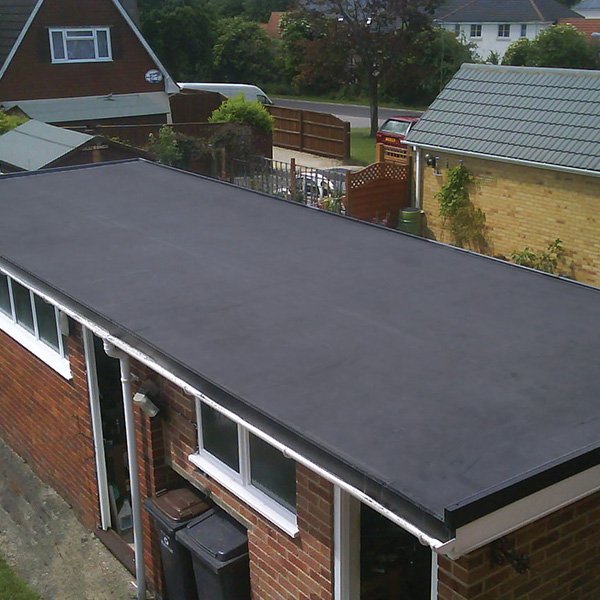
They aren't a solution for flat roofs or roofs with a very low pitch, simply because they rely on gravity and convection to drive the airflow. If your roof has a very complex design with lots of short ridges, you might need to look at other options like box or turbine vents.
It's always best to have a professional roofer take a look. They can determine if you have enough ridge length to properly ventilate your attic. As GAF advises, it's also crucial that you have proper intake ventilation (like soffit vents) for the ridge vent to function correctly.
A high-quality aluminium ridge vent can easily last for 40-50 years, often outliving the asphalt shingles it's installed with. The plastic and polymer versions typically have a lifespan of 20-30 years.
They are made from materials specifically chosen for their ability to resist UV radiation, wind-driven rain, and the temperature swings we see here in Dublin. Over the long term, metal vents are generally more resistant to cracking than plastic ones.
Their longevity depends on keeping the vent slots clear of moss and debris. McClellands Roofing suggests that with just a minimal annual check, your vent system should remain effective for the entire life of your roof.
Yes, in most cases, ridge vents are the superior choice. This is because they provide continuous, even exhaust along the entire highest point of the roof, which eliminates the hot spots that individual box vents can sometimes miss.
Data from Renova Roofing shows that a ridge vent, when properly paired with soffit vents, moves a much greater volume of air through passive convection than gable vents do. Gable vents can sometimes just create a cross-breeze high up, missing the lower parts of the attic completely.
Ridge vents have a very low profile and blend in beautifully with the roofline. In contrast, box and turbine vents tend to stick out and can be a bit of an eyesore.
Absolutely. Their main job in the winter isn't to cool the house, but to keep the roof deck itself cold. This is what prevents the dangerous freeze-thaw cycle that leads to ice dams.
They also provide an essential escape route for all the moisture generated by your central heating and daily indoor activities. Without this, that warm, moist air would condense on your cold rafters and lead to rot.
By keeping the temperature even across the whole roof surface, they stop snow from melting in some places and refreezing in others. Whitts Roofing points to this as one of the most important factors in preventing winter water from getting into your home.
No, a high-quality, properly installed ridge vent will not leak. They are engineered with clever external baffles and internal weather filters that are specifically designed to block out even wind-driven rain and snow.
The air moves through a pathway that is very difficult for water to follow because of the baffle design and gravity. Even during a storm, the vent's aerodynamic shape pushes wind up and over the opening, rather than down into it.
Leaks almost always happen because of incorrect installation, like cutting the slot too wide or not securing the flashing properly. This is why GAF emphasizes that professional installation is vital to ensure the system remains completely watertight.
Yes, under the SEAI (Sustainable Energy Authority of Ireland) Better Energy Homes scheme, ventilation upgrades that are part of a larger energy efficiency project often qualify for funding.
The grants can be quite generous, reaching up to €1,200, depending on the full scope of the roofing and insulation work you're having done.
The work typically must be carried out by an SEAI-registered contractor, and the ventilation upgrade is often included as part of a broader attic insulation grant application. It's always best to check the current SEAI guidelines before you start any work.
Yes, absolutely. A ridge vent is an exhaust vent; it lets air out. For that to happen, fresh air needs a way to get in to replace it. Soffit vents, which are located under the eaves of your roof, provide this essential intake.
Without intake vents, the ridge vent simply can't create the airflow it needs. It might even start to pull conditioned air from inside your house (creating a vacuum effect), which would waste your heating energy.
The ideal system balances intake and exhaust on a 50/50 basis. As IKO confirms, this balanced flow is what truly maximizes moisture removal and temperature control in your attic.
A neat trick is to hold a smoke pen or a stick of incense near the ridge vent opening from inside the attic. You should see the smoke being gently drawn up and out of the house.
Make sure that insulation isn't blocking your soffit vents down at the eaves. From inside the attic, if you can see a line of light coming through the ridge vent slot (without being able to see the sky directly), it's a good sign that it's open.
From the outside, take a look to see that the vent slots haven't been clogged up with old paint, moss, or leaves. The Roof Cow suggests a quick check once a year to make sure the airway is clear.
No, it won't. It's important to remember that a ridge vent ventilates your attic, not your living space.
The thick layer of insulation on your attic floor is what keeps all the cosy heat in your rooms below. The vent's job is to keep the attic space above the insulation cold, which is exactly what you need to prevent condensation and ice dams.
By keeping your insulation dry (by removing humidity), the vent actually helps your insulation do its job better, which can ultimately help keep your home warmer and more efficient.
They are designed to be largely self-sufficient, which is great news for homeowners. The only real task is to make sure the exterior slots don't get blocked by things like moss, pine needles, or the occasional bird's nest.
A quick visual inspection once a year, usually after the leaves have fallen in autumn, is all that's needed. As McClellands Roofing points out, unlike turbine vents, there are no moving parts to oil, maintain, or replace.
With any modern, well-made vent, this is very unlikely. They are manufactured with built-in screens or grilles that are specifically designed to stop insects, birds, and rodents from getting in.
If you have an older or damaged vent, there might be some gaps. If you suspect an animal has found its way in, have a professional check that the vent and its end caps are still secure. Reputable brands like GAF make pest exclusion a top priority in their engineering.