That familiar sound of rain against the window is the classic soundtrack to a Dublin winter. But when that steady drumming turns into the frantic splashing of an overflowing gutter, you know you’ve got a problem. Water streaming down your brickwork does more than just stain the facade; it’s a clear sign that your home’s first line of defence against the weather is failing. You might be thinking about gutter guards to finally put an end to the miserable chore of climbing ladders in the biting cold. Before you make that commitment, you need to know if the protection they offer is truly worth the price tag.
Salient Points
- Your Initial Investment: Getting gutter guards installed will typically cost between €250 and €1000, depending on the type of system you choose and the size of your house.
- Less Time on a Ladder: These guards drastically cut down your cleaning duties from 2-3 times a year to just a single check-up annually.
- Big Savings on Repairs: Homes protected with gutter guards manage to avoid about 40-60% of the most common water damage repairs.
- They Aren’t a Magic Bullet: Keep in mind that fine silt and the moss so common in Dublin can still find their way through lower-quality guards.
- When You’ll Make Your Money Back: Most homeowners find that their investment pays for itself within 2 to 3 years, thanks to the money saved on professional cleaning costs.
The Real Cost of Gutter Guards in Dublin
To make a smart decision, you really need to look at the numbers. In Dublin, the upfront cost to have gutter guards installed usually lands somewhere between €250 and €1000. That might sound like a lot at first, but you have to weigh it against the never-ending expense of professional cleaning. A single visit from a gutter cleaning service can set you back anywhere from €200 to €450. And with our kind of weather, you’ll likely need them to come out two or three times a year just to keep things flowing. That adds up to an annual bill of €400 to €1350.
When you do the maths, it becomes clear that for most homeowners, the investment really does make sense. For a typical semi-detached home in a leafy suburb, the money you save on cleaning fees means the guards will have paid for themselves in just two to three years. Look ahead five years, and you could have an extra €500 to €2000 in your bank account. And that’s before you even consider the costly repairs you’re avoiding. Here at Emergency Roofers Dublin, we offer bundled installation packages that include a free assessment, so you get a precise quote instead of just a ballpark figure.
How Gutter Guards Can Save You Thousands on Dublin Property Repairs
Clogged gutters are one of the main culprits behind expensive home repairs in our city. When a blockage happens, water has to go somewhere, and it often ends up seeping into your fascia boards, trickling down walls, or forming puddles around your foundation. Gutter guards can slash the risk of these blockages by a significant 50-70%. That’s a huge deal during our rainy season, when just one overflow can trigger damage that costs far more than the guards themselves.
We’ve gathered some data on the specific repair costs that homeowners sidestep by simply keeping their gutters clear.
- Roof & Fascia Repair: When water backs up under your tiles or starts to rot the wooden trim, you’re looking at a fix costing between €300 and €1,200.
- Foundation Damage: Constant pooling of water at the base of your home can lead to serious cracks and subsidence issues, with repairs starting at €500 and going up to €2,500.
- Pest Control: Standing water and soggy, rotting leaves are an open invitation for rodents and insects to move in, which could mean a €100 to €300 bill for pest control.
Based on our own work at Emergency Roofers Dublin, we’ve seen that properties with professionally installed guards avoid 40-60% of these messy and labour-intensive water damage repairs.
The Advantages of Gutter Protection for Dublin Homeowners
The biggest win here is getting a huge chunk of your time and effort back, thanks to a massive reduction in maintenance. You go from cleaning your gutters multiple times a year to just needing a quick annual inspection. Most importantly, this keeps you safely on the ground instead of teetering on a ladder. Minimising that risk is crucial, especially if you live in a two or three-storey terraced house where getting up to the roofline is both difficult and dangerous.
Guards also help your entire guttering system last longer. A pile of wet debris is like a damp sponge, holding moisture right up against the gutter material, which speeds up corrosion and rust. By stopping that soggy debris from building up in the first place, you’re protecting the integrity of the metal or plastic. In Dublin, good-quality guards are brilliant at preventing about 80% of blockages from big debris like leaves and twigs. This is absolutely vital during our fierce Atlantic storms, helping to prevent those sudden overflows that can wreak havoc on your brickwork. It’s no surprise that the overall satisfaction rate among homeowners who install them is a solid 67%, reflecting just how much of a hassle they eliminate.
What to Know Before Installing Gutter Guards in Ireland
It’s important to understand that gutter guards aren’t a set it and forget it solution. That significant upfront cost of €250 to €1000 is a major hurdle for many budgets. On top of that, they don’t completely get rid of the need for maintenance. Fine silt, moss spores, and pine needles, all familiar sights in Dublin gardens, can still slip through certain types of mesh. This gunk can create a sludge at the bottom of your gutter that you’ll eventually have to clean out.
And dealing with a clog that’s formed underneath a guard can be a real headache. You have to take the guard off just to get to the blockage, which makes the whole cleaning process much more complicated. This can actually push the cost of a professional clean up to three times the normal rate, sometimes even topping €600. It’s also worth noting that cheaper plastic models often can’t handle the stress of our weather. They can become brittle and snap during a heavy downpour, causing the very overflows they were supposed to prevent.
How Gutter Guards Work in Dublin's Climate
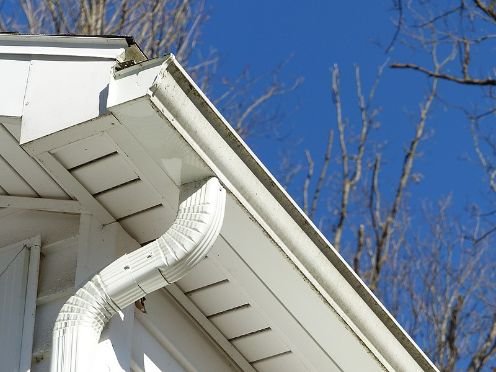
Think of gutter guards as a shield fitted over your existing channels. They’re cleverly designed to let rainwater pour in while keeping solid debris out. In our wet and windy climate, their main job is to block the heavy clumps of leaves, twigs, and moss that get blown off nearby trees.
But not all guards are right for every home. The fine silt and persistent moss that grow on many local roofs can sneak past standard filters. The style of your house matters, too. Older Dublin homes, especially the 9% built before 1919, often have uneven or non-standard gutters. These beautiful old properties usually need custom-fitted guards to work properly, as a generic one-size-fits-all solution will just leave gaps for debris to get in.
The Best Gutter Guard Types for Dublin Properties
Choosing the right material is the key to whether your system will be a success or a failure.
- Mesh Guards: These are a fantastic choice for blocking the leaves and larger debris common in mature neighbourhoods like Rathmines or Clontarf. Their high-flow design is great at handling heavy downpours, although you’ll still need to give them an annual clean to get rid of any fine silt that has settled through the holes.
- Foam Inserts: These slot directly into the gutter and are often best for city homes with fewer trees around. While effective, they can act a bit like a sponge for moss spores, which means they can get clogged and will need to be taken out for a clean every so often.
- Plastic Guards: This is your budget-friendly option. The trade-off is that they aren’t as durable and can become brittle over the years, which means they could fail you during a heavy storm or strong winds.
We always recommend a professional installation to make sure the guard type is perfectly matched to your home’s unique challenges, like the pitch of your roof and the kind of trees you have nearby. A secure fit is absolutely essential to stop them from sagging.
Our Recommended Gutter Guard Brands for Ireland
Based on how they perform in our local conditions, we at Emergency Roofers Dublin have come to trust a few specific brands that really hold up to our weather.
- LeafGuard: This is a top-of-the-line, durable aluminium system with an excellent high-flow design. It’s perfect for handling Dublin’s wind and rain and offers fantastic longevity.
- Amerimax Home Products: This is a versatile foam guard that does a great job of resisting moss. It’s easy to retrofit onto older, traditional Dublin homes where standard shapes just might not work.
- RainDrop: A dependable and more wallet-friendly plastic option. It’s well-suited for urban properties that don’t have to deal with a lot of debris, with installation typically costing between €250 and €500.
For your peace of mind, we provide a 5-year warranty on all the systems we recommend and install.
Our Recommended Gutter Guard Brands for Ireland
For many Dublin properties, gutter guards are a genuinely worthwhile investment, but they aren’t a one-size-fits-all solution for everyone. They offer the most value to homeowners whose properties are surrounded by mature trees, where falling leaves are a constant battle. They’re also an ideal choice if you want to minimise your time on a ladder and slash those recurring cleaning bills. If you plan on staying in your home for the long haul, you’ll definitely see a clear return on your investment.
On the other hand, you might not need them if your home has very little foliage around it. For properties with serious moss problems or older, uneven roofs, a hybrid approach often works best. We might recommend custom-fitted guards combined with an annual professional inspection from us at Emergency Roofers Dublin to give you complete protection. With a 67% satisfaction rate, it’s clear that most people who get them installed find that the reduction in hard work and risk is well worth the initial cost.
Commonly Asked Questions
Typically, you can expect installation prices for gutter guards in Dublin to fall somewhere between €250 and €1000. The final cost really depends on the size of your house and the material you go for, with premium aluminium systems being at the higher end of the scale compared to plastic alternatives. Experts over at Gutter Guards Irish point out that while the upfront cost varies, the whole point of the investment is to cancel out those yearly maintenance fees.
Think of this initial expense as a long-term investment rather than a simple cost. Instead of shelling out €200-€450 several times a year for cleaning, you're paying a one-time fee to dramatically reduce how often you need it done. Data from Munster Gutters suggests that by simply avoiding a few years of heavy-duty cleaning bills, the system will have paid for itself.
For the best financial outcome, look at this as an investment that will pay you back in 3 to 5 years. If you plan on living in your home for at least that long, the guards essentially become free after you hit that break-even point, saving you money every single year after that.
Yes, you'll still need to do some maintenance, but far, far less often. Gutter guards are filters, not forcefields. Tiny particles of silt and moss spores can still find their way through the system and build up over time. The team at Spooners Cleaning highlights that while the big debris is blocked, a sludge can still form at the bottom of the gutter that needs to be dealt with.
What really changes is that you're shifting from preventing sudden, major blockages to simply managing a slow, predictable flow. Without guards, a big clog can happen overnight and cause an immediate overflow. With guards, the accumulation is gradual. The folks at Premier Contract Cleaning advise that instead of needing 3-4 cleanings a year, a single annual inspection and a quick flush-out is usually all you need to keep the system working perfectly.
A good rule of thumb is to schedule an annual check-up, ideally in late autumn. This ensures that any fine particles that got through during the year are cleared out before the heavy winter rains arrive, guaranteeing your system is ready when you need it most.
Gutter guards do a great job of reducing moss build-up, but they don't stop it completely. Moss loves damp, shady spots, and while guards keep out the organic debris that moss feeds on, its tiny spores can still settle in the mesh or foam. As noted by The Metal Roof Company, foam guards, in particular, can sometimes become a breeding ground for moss if they aren't treated or cleaned regularly.
The main way they fight moss is by starving it of nutrients. By keeping soggy leaves and twigs out of the gutter, you're getting rid of the compost layer that moss needs to grow into a thick carpet. However, as reports from Guttering Services mention, you might still get some surface moss growing on top of the guard itself in especially damp areas.
If your home is in an area with a lot of moss, your best bet is to choose aluminium mesh guards over foam ones. It's also a good idea to think about applying a moss inhibitor to your roof tiles, as this tackles the problem at the source before it even gets to your gutters.
For handling the kind of intense downpours we get in Dublin, mesh guards, especially those made from aluminium, are the clear winner. They have a high-flow design that lets huge volumes of water pass through quickly while shedding leaves and other debris. An analysis by This Old House on regional performance confirms that mesh systems are great at preventing the sheeting effect, where water just skips right over the gutter during a heavy storm.
Plastic or solid-top guards can really struggle in our climate. Heavy rain can overwhelm the surface tension design that solid guards rely on, causing water to overshoot the gutter entirely. Mesh guards work by physically separating solids from liquids, which makes them far more reliable during a classic Atlantic storm.
If you can, choose a stainless steel or aluminium micro-mesh system. These materials won't rust and can handle the weight of wet debris without bending or warping, ensuring your system can cope with peak rainfall without failing.
Yes, they absolutely can, but it often calls for a more tailored installation. Older properties, particularly those built before 1919, frequently have cast iron gutters or unusual dimensions that standard off-the-shelf plastic guards simply won't fit. Guidance from Buildings of Ireland suggests that any changes to traditional buildings should be done sympathetically and, if possible, be reversible.
The real challenge with slate roofs is sliding the guard under the bottom row of slates without cracking or damaging them. Experienced installers use special clips or tension-fit systems that don't require them to lift those brittle, century-old slates. The experts at Munster Gutters stress that an improper installation on these beautiful roofs can lead to leaks or slipped slates.
Whatever you do, don't try to DIY this on a slate roof. The risk of cracking a slate is just too high. It's best to hire a professional like Emergency Roofers Dublin who has specific experience with period properties to ensure the guards are fitted perfectly without compromising the integrity of your roof.
Their lifespan really depends on the material. High-quality aluminium systems can last anywhere from 10 to 20 years, whereas cheaper plastic versions might only give you 3 to 5 years of service. The Irish climate, with its constant cycle of damp cold and occasional sun, can make plastic brittle and prone to cracking. The Metal Roof Company confirms that metal guards offer far better longevity in our temperate maritime climate.
Durability is also tied to how they are attached. Guards that are screwed or clipped firmly into place will outlast drop-in foam or snap-on plastic versions, which can be dislodged by high winds or even birds. High-end systems like LeafGuard, for example, are designed to last for the entire lifetime of the gutter itself.
If you're planning to stay in your home for the long term, invest in aluminium or stainless steel. While the upfront cost is higher, you'll save yourself the hassle and expense of replacing degrading plastic guards down the line.
Honestly, the cheap DIY guards you find in hardware stores offer very limited protection and tend to fail in Dublin's weather conditions. These products are usually one size fits all plastic strips that warp with sun exposure and temperature changes. Reviews on sites like Flowmate often warn that these guards can collapse right into the gutter under the weight of wet leaves, creating an even worse blockage than if you had nothing there at all.
A guard is only as good as its seal. Cheap guards often leave gaps at corners or along joints, which is exactly where debris gets in and becomes trapped. And once debris is trapped under a cheap guard, it's a nightmare to get out without taking the whole thing apart.
It's best to steer clear of the cheapest plastic options you see in the hardware bins. If you're set on a DIY project, at least go for mid-range metal mesh guards and make sure you have the right tools to cut and secure them properly, especially at the corners.
A professional installation absolutely will not damage your roof or gutters; in fact, its job is to protect them. However, sloppy installation practices, like nailing guards through your roof shingles or trying to force them under tightly fixed slates, can definitely cause damage. The team at Munster Gutters warns that lifting shingles the wrong way to slide a guard underneath can break the tar seal, which can lead to roof leaks.
A correct installation usually involves clipping the guard to the front lip of the gutter or gently sliding it under the shingle with the proper tool. Some systems, like LeafGuard, are even integrated into the gutter itself or custom-fitted to avoid touching the roof at all.
Before you hire a contractor, make sure you understand their installation method. Ask them directly if they need to lift your roof tiles and what steps they take to ensure the waterproof seal is kept intact.
Yes, handling a heavy downpour of leaves is exactly what gutter guards are designed for, but the type of leaf does make a difference. Big, broad leaves from trees like Sycamore or Horse Chestnut are easily shed by most guards. However, as This Old House points out, smaller debris like pine needles or birch seeds are much trickier and really require a micro-mesh screen.
If the guard's holes are too big, small stems and seeds can get stuck in the openings, creating a kind of mat on top of the gutter that blocks water from getting through. On the other hand, a solid top guard relies on leaves drying out and blowing away, which, as we know, doesn't always happen in a damp Dublin winter.
If you live near pine trees or any trees that shed fine seeds, you should insist on micro-mesh guards. A standard expanded metal mesh will just catch those needles, turning your gutter guard into a spiky trap that collects debris instead of shedding it.
Gutter guards themselves don't cause ice dams, but they can make an existing problem worse if your attic insulation is poor. Ice dams are caused by heat escaping from your roof, which melts snow, and that water then refreezes when it hits the cold edge of your roof. As Buildings of Ireland explains, the only real cure for ice dams is improving the energy efficiency in your attic.
That said, a clogged gutter guard can cause water to freeze solid right on top of the mesh. If your guard is clogged with wet moss when a hard freeze hits, it creates a solid barrier of ice. This can force melting water to back up under your roof tiles. The pros at Guttering Services suggest that keeping your guards clean before winter sets in is vital to prevent this from happening.
The key is to make sure your attic is properly insulated and ventilated. The guard is rarely the root cause of an ice dam; heat loss is the real culprit. Just be sure to clear any debris from your guards before December to help prevent surface freezing.
You'll typically see a return on your investment (ROI) within 2 to 3 years. This is calculated by taking the installation cost (€250-€1000) and dividing it by what you would have spent on professional cleaning each year (€400-€1350). Data on cleaning rates from services like Perfect Clean supports this break-even timeline for most average-sized homes.
But the ROI goes beyond just the cash you save. It also includes the expensive risks you're avoiding. The cost of a single foundation repair (upwards of €2,500) or a fascia board replacement (€1,200) is far more than the cost of the guards. A quick look at the repair price lists from Munster Gutters makes it clear that preventing just one major water damage incident gives you an immediate positive return.
Think of it like an insurance premium that eventually pays you back. You effectively stop paying for cleaning after year three, all while continuing to enjoy protection against costly water damage for the life of the system.
While it's not legally required, professional installation is very highly recommended to make sure the guards work properly and, more importantly, to keep you safe. Working at height is inherently dangerous, and professional roofers have the training and equipment to do it safely. As Premier Contract Cleaning often emphasizes, safety is the biggest hidden cost of any DIY gutter project.
Professionals will also check that the pitch of your gutter is correct before they even start. If your gutters are already sagging and holding water, just putting a guard on top hides the problem without actually solving it. At Emergency Roofers Dublin, we always correct alignment issues during the installation process to ensure the whole system actually drains the way it's supposed to.
Unless you are very comfortable working on a ladder and have experience with this kind of work, it's best to hire a professional. The small amount you might save by doing it yourself is quickly lost if the system fails due to a poor fit or if you end up injuring yourself in the process.