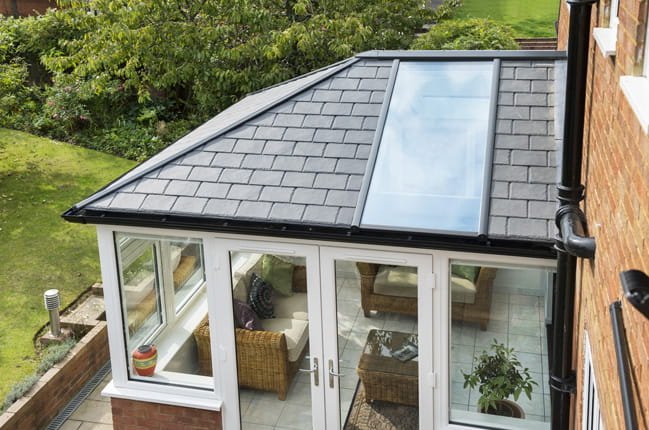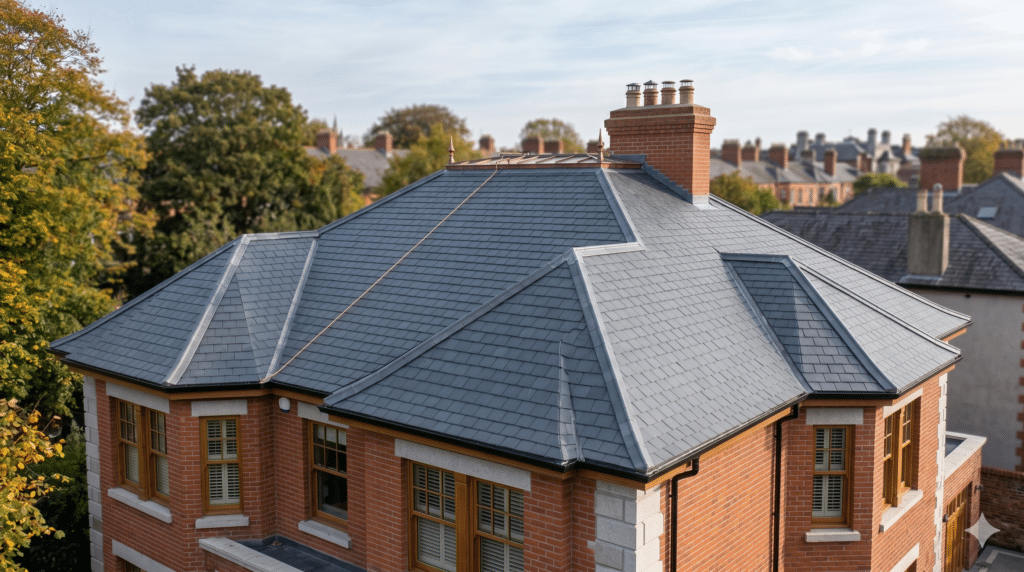
When you’re caught up in the excitement of finding what feels like the perfect home, it’s easy to overlook the grey, weathered reality sitting right on top of it. You fall in love with the kitchen, imagine yourself in the garden, and measure out the floor space, but the very shield keeping it all dry often gets just a passing glance. That’s a dangerous oversight. In a place like Dublin, where the weather is relentless, a dodgy roof can turn your dream investment into a money pit almost overnight. This guide is here to walk you through the crucial checks that will protect your investment and make sure your new home stays warm and dry.
Key Takeaways
- A New Roof is a Major Expense: Replacing a whole roof in Dublin can set you back anywhere from €8,000 to over €18,000, a cost you need to be prepared for.
- A Quick Look Can Save You a Fortune: You can spot obvious warning signs like a sagging roofline, missing tiles, or cracked alligator skin patterns on flat roofs right from the street.
- The Inside Tells a Story: Damp stains on ceilings or a musty smell in the attic are often the first clues of a leak, long before the damage shows up outside.
- Beware of Flat Roofs: Any flat roof on an extension that’s more than 15 years old should be considered a potential replacement you’ll soon have to pay for.
- Expert Opinion is Your Best Bargaining Chip: A professional roof survey gives you the official report you need to negotiate a lower price or insist the seller handles the repairs.
The Potential €18,000+ Mistake Hidden Above Your Head
Having to replace the entire roof on an average semi-detached house in Dublin is a serious financial shock, costing anywhere from €8,000 to €18,000, and sometimes even more. If you sign on the dotted line without knowing the roof’s real condition, that bill lands squarely in your lap. A smart buyer spots these problems early on. This knowledge gives you the power to negotiate the house price down or to insist that the seller gets the repairs done before you close the deal.
Financial and insurance implications include:
- Lenders and insurers can be hesitant to provide cover, or they might charge higher premiums, if a roof looks like it’s nearing the end of its life.
- If the roof is in the last quarter of its expected lifespan, you need to start budgeting for a full replacement right away.
Red Flags You Can Spot From The Street
You don’t even need a ladder to spot the first warning signs. Just stand across the street and look at the roofline against the sky. Does it look straight? Any sagging, dipping, or wavy lines can point to serious trouble with the underlying rafters or decking. These aren’t just cosmetic quirks; they’re signs of expensive structural problems brewing.
Look specifically for these defects:
- Any tiles or slates that are cracked, curling up at the edges, missing, or have slipped out of place, creating a gateway for water.
- Patchy areas with mismatched tiles, which often suggest cheap, temporary fixes have been made to plug past leaks.
What to Look for Inside the House and Attic
Water has a way of finding its way in, slowly and silently. The first signs of a failing roof often appear inside the house long before they’re obvious from the outside. Scan every ceiling and the walls on the upper floor for any water stains, discoloured patches, or bubbling paint. Pay extra close attention to the corners of rooms and the areas around the chimney. And be a little suspicious of freshly painted ceilings; a can of paint is the oldest trick in the book for hiding a recent leak.
When inspecting the attic, search for:
- Dark patches on the timbers, signs of mould, or musty smells that suggest long-term dampness.
- Any slivers of daylight peeking through the roof. If light can get in, so can rain, meaning it’s an immediate problem.
A Closer Look at Your Roof's Key Components
Assessing Tiles, Slates, and Flat Roofs
On pitched roofs, you’ll want to keep an eye out for crumbling slates or rusty fixings holding them in place. However, it’s the flat roofs, common on Dublin extensions, that are notoriously temperamental. If you see pools of water standing on a flat roof for more than two days after it rains, that’s a red flag. As a rule of thumb, flat roofs have a much shorter lifespan, typically around 15 to 25 years.
Critical checks for these materials include:
- Ponding water that doesn’t drain, along with blisters, splits, or cracking patterns that look like alligator skin on the flat surface.
- It’s wise to treat any flat roof over 15–20 years old as a future replacement cost you’ll need to cover.
Chimneys, Flashing, and Skylights
The metal flashing that seals the joints around chimneys, skylights, and vents is often the first thing to fail, long before the tiles themselves give out. Check that the lead is smooth and intact, not rusting or peeling away from the surface. The counter-flashing should be neatly slotted into the brickwork, not just stuck on with sealant. Gutters also play a huge part. If they’re blocked or sagging, water will back up and seep into the woodwork, causing rot. A gutter clean-out might cost a few hundred euros, but ignoring it can lead to thousands in damages.
Inspect these areas for:
- Cracks in the mortar, a leaning chimney stack, or any damaged chimney pots on top.
- Staining around the edges of skylights or seals that look old and deteriorated.
- Gutters and downpipes that are clogged with debris or aren’t channelling water away from the house’s foundation.
Investigating the Roof’s Age, History, and Paperwork
The paper trail is just as important as the physical inspection. One of the first things you should ask the seller is when the roof was installed. The Irish weather is tough on buildings, so knowing the roof’s age is key to predicting how much life it has left. As a general guide, asphalt or fibreglass shingles last about 20–25 years, concrete tiles 40–50 years, and natural slate can go for 70–100 years or more.
Don’t be shy about asking these specific questions:
- “Who was the contractor that installed the roof, and is there any kind of warranty that can be transferred to me?”
- “When was it last professionally inspected, and have there ever been any insurance claims for leaks or damage?”
How Dublin’s Weather Affects a Roof’s Condition
Dublin’s climate, with its constant rain, gusty winds, and salty sea air, really puts a roof through its paces. This combination speeds up the wear and tear on all types of roofing materials. Homes closer to the coast often see metal components like flashing and fixings deteriorate faster due to salt corrosion. North-facing slopes tend to stay damp for longer, creating the perfect environment for moss to grow. Moss acts like a sponge, trapping moisture against the tiles or slates, which can cause them to break down and crumble. Overhanging trees can also cause issues by dropping leaves and twigs that clog up gutters and prevent proper drainage.
The Professional Pre-Purchase Roof Inspection
While you can spot the most obvious warning signs yourself, a qualified professional will see the things you’d miss. A detailed roof inspection costs a tiny fraction of the €5,000–€15,000+ you could be hit with for unexpected major repairs. A professional will conduct a thorough survey, covering all the exterior surfaces, the drainage system, and the structure in the attic.
A proper report provides:
- Official written documentation with photographs and detailed estimates for any needed repairs.
- The hard evidence you need to back you up during price negotiations.
If you are serious about your property purchase, contact Emergency Roofers Dublin. We provide the expertise required to ensure your future home is safe, dry, and worth the price.
Frequently Asked Questions
Think of an old flat roof as a ticking clock on your wallet; its age should absolutely influence your offer.
Flat roofs just don't last as long as traditional pitched roofs, typically only 15–25 years. If the extension’s roof is over 15 years old, it’s statistically heading into the period where things start to go wrong. You aren't just buying an extension with a roof; you're likely buying a future replacement project. This gives you solid ground to reduce your offer by the estimated cost of a new roof, rather than paying the full asking price.
Seeing daylight from the attic is the ultimate proof that something is wrong, no matter what anyone says. It's a non-negotiable sign of a problem.
A seller might genuinely not know there's an issue, or they might be hoping for the best because no water has actually dripped through yet. But if light can get in, then wind-driven rain, a Dublin specialty, will eventually find its way in too. It means there are gaps between slates or tiles, or the protective underlay has failed. It proves the roof’s protective shell has been breached, regardless of verbal assurances.
Not always. A standard surveyor will give the roof a look-over from the ground, but they often don't have the specialist tools or in-depth expertise for a deep dive.
While a general survey will catch major issues like a sagging roofline or obvious rot, they often cover themselves by recommending a specialist inspection in their report to limit their own liability. They could easily miss subtle problems with flashing or specific wear patterns on a high-level flat roof. A dedicated roof survey from a specialist gives you the detailed breakdown and repair costs you need for negotiations, whereas a general survey might just give you a broad warning.