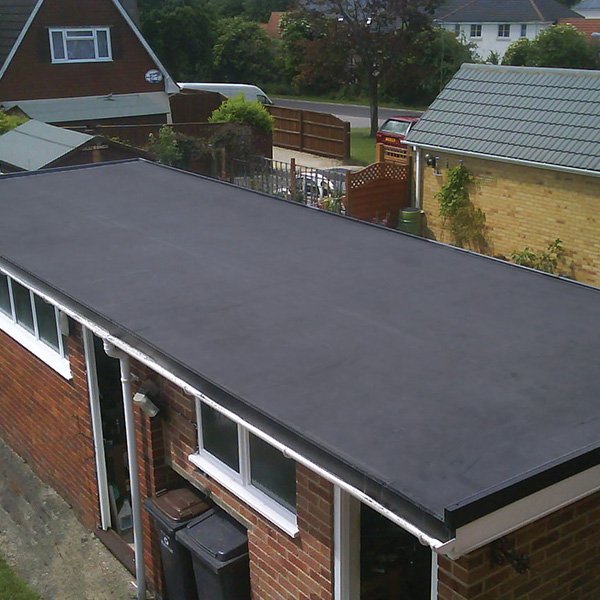
You’ve probably seen them on the stylish new extensions in Clontarf or the modern homes popping up around the Docklands. These roofs have a low, subtle profile, often barely noticeable from the street, offering a sleek, minimalist alternative to the traditional, pointy roofs of older Irish houses. While many homeowners are drawn to the clean, modern look, it’s often the savings that truly seal the deal.
Here’s the thing to understand: a shallow pitch roof doesn’t send rainwater rushing off like a steep roof does. This simple difference in how it handles water shapes every decision you’ll make, from the materials you choose to the maintenance you’ll need to perform, ultimately affecting the long-term cost for your property. Getting to grips with how these roofs work is the key to avoiding nasty, expensive surprises during Dublin’s wettest months.
Key Notes
- Save a Bundle on Installation: Because they’re simpler to build, shallow roofs can cost 20-30% less than their steep-pitched counterparts. For a typical Dublin homeowner, that’s a saving of between €2,000 and €4,000.
- Don’t Underestimate Dublin’s Rain: Water doesn’t run off as quickly, which can lead to puddles. About 30% of our repair calls for these roofs are for leaks, which often need special waterproof membranes, not standard tiles, to fix properly.
- The Right Materials Are Crucial: Your everyday roof shingles simply won’t work on these gentle slopes. To stand up to Irish weather, you need heavy-duty materials like EPDM rubber or other high-grade waterproof membranes.
- Maintenance Is Not Optional: These roofs need a bit more TLC. You should plan to inspect them twice as often as you would a steep roof to catch moss growth or potential ice dams before they cause trouble.
How a Shallow Pitch Roof Could Save You Thousands on Your Dublin Home
With construction budgets in the capital being stretched tighter than ever, a shallow pitch roof can offer some welcome financial breathing room without compromising on quality. Their simpler design means they use less timber and take fewer hours to build. This efficiency translates directly into a lower installation cost, typically slashing the price by 20-30% compared to a steep slope roof.
For a standard semi-detached house in Dublin, you can expect a shallow pitch roof to cost somewhere between €5,000 and €10,000. A steep roof on that same house? You’re often looking at a bill between €8,000 and €15,000. That’s a difference of €2,000 to €4,000 that stays right in your pocket. The savings don’t stop there. The design actually gives you more usable space inside, which is a game-changer for attic conversions in Dublin terraces where every inch of headroom is worth its weight in gold.
The benefits carry over to long-term upkeep, too. Our Emergency Roofers Dublin crews can get onto these roofs more safely and work more quickly. This easy access can cut repair times by 40-50%, bringing down your labour costs over the life of the roof. From an energy-saving perspective, having less empty space in the attic can improve your home’s insulation efficiency by 10-15% during our mild Irish winters. Plus, the flatter surface is perfect for installing solar panels, letting you soak up the sun and fight back against rising energy bills.
The Critical Risks of Shallow Pitch Roofs in Dublin's Rainy Climate
On a low-slope roof in Ireland, gravity isn’t your best friend. While a steep roof sheds water in an instant, a shallow roof invites it to stick around for a while. This delay in drainage is the biggest challenge in our famously wet climate. Water that doesn’t run off immediately can form pools, and that sitting water will patiently search for any tiny gap or weakness in your roofing material.
Our own call logs tell the story: 30% of our call-outs for shallow roofs are to fix leaks caused by this ponding water. And it’s not just the rain. Debris like leaves, along with snow and ice, can pile up much more easily on these surfaces. In winter, this can lead to ice dams, ridges of ice that form at the edge of the roof, blocking melting snow from draining away and forcing it back up under the roofing material.
The slower drainage also means organic debris, like fallen leaves, stays wet against the roof surface for longer, which can double the risk of rot compared to steep roofs and speed up the breakdown of your roofing materials. Without a regular maintenance plan, the lifespan of the roof can be cut short.
Common Shallow Roof Problems and How We Solve Them
We see the same issues cropping up on these roofs all across Dublin, but the good news is, there’s a proven solution for every one of them.
- Puddles Won’t Go Away: If water is consistently pooling on your roof, we can install a high-performance waterproof membrane. We also often recommend upgrading your gutters to a system that can handle a higher volume of water, which typically costs around €1,000.
- Debris and Moss Are Taking Over: In a city like Dublin, leaves and moss can trap moisture right where you don’t want it. We offer a twice-yearly cleaning service for about €300 to keep your roof surface clear, dry, and happy.
- Ice Dams Are Blocking Drainage: To prevent winter frosts from creating blockages, we can install heated cables along the roof edges. This simple upgrade costs around €500 and makes sure that any meltwater can flow freely into the gutters where it belongs.
Best Roofing Materials for Irish Low-Slope Roofs
You can’t just throw standard asphalt shingles on a low-slope roof and cross your fingers. If the roof’s pitch is less than 2:12, shingles become almost useless, as a strong, wind-driven rain can easily push water up and underneath them. You need materials specifically designed to create a completely watertight, sealed barrier.
The specialist materials that work best for Dublin’s climate usually cost between €50 and €100 per square metre. EPDM rubber is a real champion in this arena. It’s a synthetic rubber membrane that creates a single, seamless waterproof layer that stands up to everything from harsh UV rays to torrential downpours. Costing around €40-€70 per square metre, an EPDM roof can give you a solid 30 to 50 years of protection.
TPO and PVC membranes are also fantastic options. These systems are installed with heat-welded seams, which effectively melts them together, turning your entire roof into one continuous, impenetrable sheet. For roofs that have a bit more of a slope (3:12 or higher), standing seam metal is another great choice, offering incredible durability and fantastic resistance to high winds. At Emergency Roofers Dublin, we only use Irish-compliant materials that come with 20-year warranties, so you know your investment is built to last.
Your Essential Maintenance Checklist for a Long-Lasting Shallow Roof
Neglecting a shallow roof is a much bigger problem than neglecting a steep one. Because water and debris don’t just slide off on their own, you have to be more proactive with your inspections. Our advice is to check on it twice as often as you would a traditional pitched roof.
Think of it as a twice-yearly health check for your roof. You need to be on the lookout for any pooling water, piles of leaves, or any visible damage to the membrane. In Dublin, gutters need to be cleared out quarterly. Our frequent rain can fill them up fast, and a clogged gutter will cause water to back up directly onto the roof deck. Simply keeping your gutters clear can prevent about 80% of the most common leaks.
Treating moss is also absolutely essential. In our damp climate, moss acts like a sponge, holding moisture against your roof’s surface around the clock. Emergency Roofers Dublin provides comprehensive maintenance packages that range from €250 to €500. For a total peace-of-mind solution, our combined chimney and gutter cleaning bundles start at €400.
What Does Shallow Pitch Actually Mean?
Roofers tend to talk in ratios, but the idea behind it is actually very simple. A shallow pitch roof, which is also called a low-slope roof, is any roof with a slope of less than 4:12. All that means is for every 12 inches the roof runs horizontally, it rises by less than 4 inches vertically.
If you think in angles, that’s a slope of less than 18.4 degrees. Some of the more technical definitions get even more specific, classing it as a pitch of 3:12 or less (which is between 10° and 22.5°). It’s also important not to confuse this with a flat roof. In reality, no roof is ever completely flat; even the ones that look level have a tiny slope of at least 2:12 (a rise of about 1 to 3 inches per foot) to give gravity a helping hand in guiding water towards the gutters.
Shallow vs. Steep Pitch
Here’s a simple breakdown of the numbers to help you when thinking about your roof’s profile.
- Pitch Ratio <4:12: This roof has a rise of less than 4 inches per foot, giving it an angle under 18.4°. It’s the go-to, cost-effective choice for modern homes and extensions in Dublin.
- Pitch Ratio 2:12 or Less: With a rise of 2 inches or less per foot (an angle under 9.5°), this very low profile absolutely must have a seamless waterproof membrane to work properly.
Is a Shallow Pitch Roof the Right Choice for Your Dublin Property?
So, if you’re planning a modern extension or a new build and need to keep a close eye on the budget, a shallow pitch roof is a very strong contender. For most projects with a roofing budget of under €10,000, it delivers the best combination of price and performance.
Dublin gets around 800mm of rain each year. While a steep roof will always handle that downpour more naturally, a shallow pitch roof is more than capable of doing the job. Its success comes down to one thing: the quality of the installation. You have to use the right membrane materials, and you have to commit to a professional maintenance plan. When you combine a professionally installed shallow roof with high-quality guttering and chimney services from a team like Emergency Roofers Dublin, you get a system that not only looks great but will keep the Irish weather where it belongs, outside.
Final Word
A shallow pitch roof can be a smart, stylish, and cost-effective investment for a modern Dublin home. However, it’s not a fit and forget option; it demands the right materials and a commitment to proper care. For a roof that can handle the Irish weather and go easy on your wallet, it pays to trust the experts. Contact Emergency Roofers Dublin today for a consultation on your new roof, or to schedule the essential maintenance that will keep your home safe and dry.
Frequently Asked Questions
In Ireland, a shallow pitch roof is one with a slope of less than 4:12. To put it simply, for every 12 inches the roof extends horizontally, it rises by less than 4 inches. This usually works out to be an angle between 10° and 22.5°. While it looks much flatter than a traditional roof, it still has that crucial slight angle to help water drain away.
This specific classification is important because it determines the building codes and the types of materials that are allowed. For example, Irish building regulations require specific waterproofing systems for these roofs to cope with our damp climate. You can’t use standard tiles, so builders must use continuous membranes instead.
You’ll typically see this kind of roof on modern home extensions, dormer windows, or contemporary new builds. Knowing if you have one is key to making sure you don't accidentally use the wrong materials (like standard slate or clay tiles) and void your warranty.
The biggest drawback is that water runs off much more slowly, which greatly increases the risk of it forming puddles. In a place as rainy as Dublin, water that sits on a roof has more time to find any little weakness in the seals than water that rushes off quickly. This means they have a higher chance of developing leaks compared to steep roofs.
The slow drainage also means debris and moss can build up more easily. When leaves and moss get soaked, they act like a wet blanket against your roof, which can speed up rot and material decay. The risk of rot can be about twice as high on a low-slope roof if it's not maintained properly.
To prevent this, these roofs need to be checked more often and require better-quality waterproofing materials. So while the initial cost to build is lower, you need to be more vigilant about keeping it clear of debris and ensuring gutters are working well to avoid problems down the line.
As a general rule, no, you can't use standard tiles or shingles on a roof with a pitch that's lower than 2:12. At such a low angle, rain driven by wind can easily get pushed up and under the tiles, completely bypassing the overlapping design that works so well on steeper roofs.
For roofs with a pitch between 2:12 and 4:12, shingles can sometimes be used, but only if extra protective steps are taken. This usually means installing a double layer of underlayment or a special self-sticking waterproof membrane underneath the shingles, which acts as a second line of defence against any water that gets through.
Using shingles on a slope they're not designed for is almost a guarantee of future leaks, and it will definitely void the manufacturer's warranty. For any roof pitch below the recommended minimum, continuous materials like EPDM rubber or standing seam metal are the only correct and safe solution.
For Dublin's climate, EPDM (which stands for Ethylene Propylene Diene Monomer) rubber is widely regarded as the best material for low-slope roofs. It's a single sheet of rubber that creates a seamless barrier, and it's incredibly resistant to UV damage and temperature changes, which is vital for a long-lasting roof.
Other great choices include TPO (Thermoplastic Polyolefin) and PVC membranes. These are installed with heat-welded seams, which essentially melts them into one solid, continuous surface, making them completely waterproof even if water pools for a short time. For low-slope roofs with a slightly steeper angle (3:12 or more), standing seam metal is a fantastic, long-lasting premium option.
The decision often boils down to budget versus lifespan. EPDM is a great investment because it can last for 30 to 50 years and handles the Irish weather beautifully, giving you long-term peace of mind.
A shallow pitch roof is usually about 20-30% cheaper to install than a steep one. For a typical semi-detached house in Dublin, you'd be looking at a cost of around €5,000 to €10,000. In contrast, a steep roof for the same house could cost anywhere from €8,000 to €15,000.
The savings come from needing fewer materials, less timber for the roof structure and a smaller surface area to cover, and from the job being quicker to complete. The simpler design doesn't require as many labour hours, which brings down that portion of the final bill.
It's worth remembering, though, that while the initial cost is lower, you should budget for premium materials like EPDM. Even though these might cost more per square metre than something like cheap felt, the overall smaller size of the roof helps keep the total project cost down.
A low-pitch roof in Ireland needs a good look-over at least twice a year, ideally once in the spring and again in the autumn. That's double the frequency recommended for a steep roof, simply because there's less room for error when it comes to drainage and debris.
When you inspect it, you should be focused on clearing out the gutters, removing any moss, and checking for any ponding water that's still there 48 hours after it has rained. In Dublin's leafy suburbs, autumn leaves can clog up drains in no time, which can quickly turn your roof into a shallow pond.
Regular checks help you catch small problems with the seals before they become major leaks that damage your home's structure. If you skip these inspections, you could end up with water getting in and damaging your insulation and ceiling joists, which is a far more expensive problem to fix than a simple biannual maintenance visit.
Statistically speaking, yes, shallow pitch roofs are more likely to leak than steep ones, and it all comes down to how they hold water. Because gravity doesn't pull water off as quickly, any small mistake in the installation or a tiny break in a seal becomes a prime target for water to get in.
Our own data shows that a large number of repair calls for these roofs are related to leaks. The problem is almost never the roof's shape itself but is usually caused by using the wrong materials (like trying to put tiles on it) or a lack of maintenance. A shallow roof with the wrong covering is a leak waiting to happen.
However, when a shallow roof is installed correctly with a continuous membrane like EPDM and is looked after properly, it can stay completely watertight for decades. The proneness to leaking is more often a symptom of a poor job or neglect, not a fundamental flaw in the design.
The most reliable way to stop leaks is to make sure the roof is covered with a single, continuous waterproof membrane instead of overlapping tiles. Materials like EPDM, TPO, or high-quality torch-on felt get rid of the gaps that water loves to exploit.
Beyond the material, you need to make sure the drainage is as effective as possible. Installing heated edges can prevent ice dams in the winter, and upgrading to wider gutters helps the system cope with heavy downpours. Regularly clearing away moss and leaves stops water from getting backed up in the first place.
If you have a leak right now, it needs to be sealed by a professional immediately. Patching a membrane properly requires special adhesives and materials; a DIY job with a tube of generic sealant from the hardware store will often fail quickly. A professional can also check to make sure the structure underneath hasn't started to rot.
The absolute bare minimum pitch for a roof to shed water is generally considered to be 1:40 (or about 0.25:12). This is what's often called a flat roof, even though it still has a tiny slope. However, for a roof that's officially a shallow pitch and might use certain types of shingles, the minimum is 2:12.
Anything below a 2:12 pitch means the roof is relying completely on the material being 100% waterproof (resisting hydrostatic pressure) rather than on its ability to shed water (hydrokinetic). The water simply won't run off fast enough to stop it from seeping back up through any overlaps.
Building codes are very strict about these minimums. Trying to build a roof flatter than these ratios without a specialised drainage system will lead to major ponding, stress on the structure from the weight of the water, and eventually, a collapse or severe leaks.
Yes, absolutely! Shallow pitch roofs are actually excellent for solar panel installations. The lower angle makes the installation process safer and often easier. Plus, the panels are less visible from the street, which helps maintain the look of your home.
However, because the angle is so low, the panels might need to be mounted on tilted brackets to get them to the best angle for catching sunlight in Ireland (which is usually around 30-40 degrees). If you lay panels flat on a 10-degree roof, they won't generate as much power as panels that are properly angled towards the south.
It's crucial that the mounting system is installed by a professional to avoid puncturing the roof's waterproof membrane. A common solution for low-slope roofs is a ballasted system, which uses weights to hold the panels down instead of drilling into the roof, minimising the risk of leaks.
The lifespan of a low-slope roof really comes down to the material that's used. A basic asphalt roll roof might only give you 10-12 years. On the other hand, a high-quality EPDM rubber roof can last anywhere from 30 to 50 years.
Metal standing seam roofs on low slopes can last even longer, potentially over 50 years if they're well-maintained. The biggest threats to a long lifespan are pooling water and a lack of regular maintenance.
When you look at the numbers, this is similar to or just a bit less than a high-quality slate roof, but often much longer than standard asphalt shingles. The secret to hitting that 50-year mark is proactive maintenance: catching and fixing any blisters or separating seams early.
Not exactly, but people often use the terms to mean the same thing. Technically, a flat roof has a very minimal pitch, usually up to about 10 degrees. A shallow pitch roof typically refers to slopes that are a bit steeper, between 10 and 22.5 degrees. But in everyday conversation, any roof that doesn't have a visible, steep peak is often just called flat or low-slope.
The difference really matters when it comes to choosing materials. A truly flat roof holds water for longer and needs materials that can handle standing water (hydrostatic pressure). A shallow pitch roof still relies on shedding water to some degree (hydrokinetic).
In Dublin, many home extensions that people call flat roofs actually have a slight pitch to meet building regulations. The good news is, both types require a similar approach to maintenance: keeping them clear of debris and ensuring the drainage is working perfectly.