As a Dublin homeowner, you’ve likely felt the classic tug-of-war between loving your location and needing more living space. It’s a common story: you adore your neighbourhood, but your terraced house or period property is starting to feel a bit too snug. Extending into your garden means sacrificing precious outdoor space, but what if you could extend upwards? This is where the mansard roof comes in, offering a brilliant way to unlock your home’s hidden potential by transforming an unused attic into a brand-new, liveable floor. This guide will walk you through the costs, rules, and unique benefits of bringing this classic French design to your Dublin home.
Salient Points
Before you dive into this exciting renovation, here are the main things you need to know:
- With a mansard roof, you can gain a remarkable 20-30% more usable space in your attic than you would with a typical hip or gable roof.
- Be prepared for a significant investment; a full installation in the Dublin area usually falls between €15,000 and €30,000.
- Keep in mind that new building regulations now treat steep slopes (over 70 degrees) as walls, which means you’ll need to use specific A2 fire-rated materials for safety.
- Given Dublin’s rainy weather, regular maintenance isn’t just a suggestion; it’s essential to prevent water from pooling on the roof’s upper slope.
- One of the biggest perks is that this style often gets around tricky height restrictions, all while adding serious value to your property.
Is a Mansard Roof the Right Choice for Your Dublin Property?
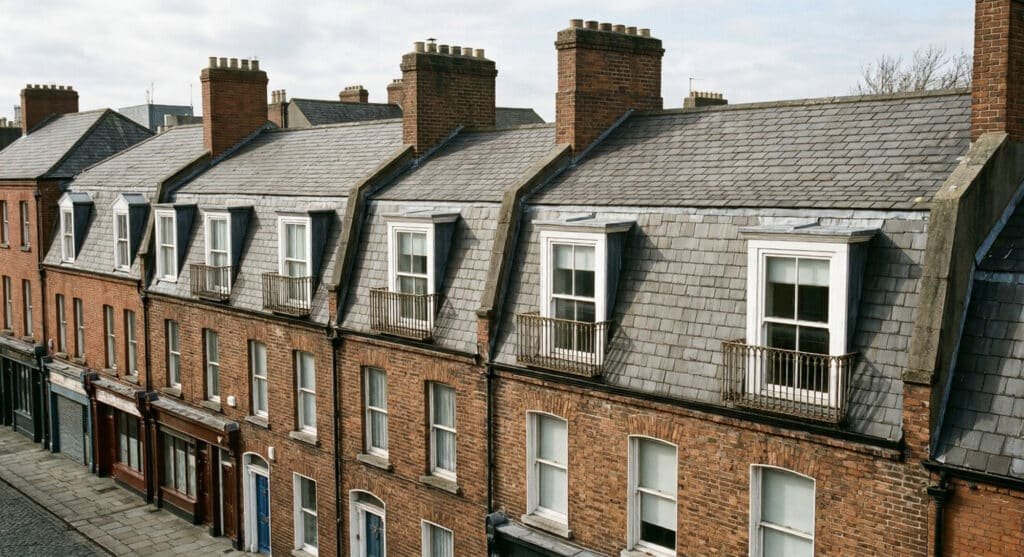
A mansard roof is a smart move for homeowners who need a serious boost in living space. Unlike a standard extension, this design essentially adds a full upper storey or a spacious loft. It’s an especially clever solution for Dublin’s historic terraced houses, where building outwards simply isn’t an option. As the experts at First American Roofing point out, this style maximizes every inch of interior space, making it easy to turn a dusty attic into a beautiful bedroom or a quiet home office. You get all that extra room without changing your home’s footprint.
Of course, you’ll need to weigh this incredible space gain against the higher initial costs and the need for ongoing care. While you could get 20-30% more usable floor area compared to a standard gable roof, you also need to be ready for a more complex installation. The dual-slope design requires skilled professionals who know how to make it stand up to the Irish climate. With Dublin’s frequent downpours, perfect waterproofing is a must, especially on the nearly flat upper slope. If your top priorities are boosting your property’s value and getting the most square footage possible, the investment is well worth it. But if you’re on a tight budget or would prefer a lower-maintenance option, a simpler roof style might be a better fit.
The Cost of a Mansard Roof in Dublin
Let’s be clear, installing a full mansard roof is a major financial undertaking. The intricate framing and the sheer amount of materials needed make it more expensive than standard options. You’re not just paying for tiles and timber; you’re investing in a complex structural change that will completely transform your home’s profile. For many Dublin families, however, the return on that investment, in the form of a whole new level of living space, makes it all worthwhile.
New Installation Costs
For a complete mansard roof installation in Dublin, you can generally expect to budget between €15,000 and €30,000. This price is typically 20-50% higher than what you’d pay for a common hip roof, mainly due to the structural complexity. The final quote will depend on factors like the size of your house, how easy it is to access your property on a terraced street, and whether you choose elegant slate or modern zinc for the finish.
Here’s a rough breakdown of the costs for a typical project:
- Materials (Slate, timber, insulation): €6,000 – €12,000
- Labour (Skilled carpentry and roofing): €8,000 – €15,000
- Flashing and Gutters (Lead or alternative): €1,000 – €3,000
Repair and Maintenance Expenses
Budgeting for your new roof doesn’t stop once the builders leave. Repairs for this style can be more expensive than average because getting to the steep slopes and flat top can be tricky. Common problems, like fixing leaks around dormer windows, can often cost between €2,000 and €5,000, depending on how serious the issue is. If you ignore a small leak, you could be looking at costly damage inside your home. To stay ahead of problems, a company like Emergency Roofers Dublin offers proactive annual maintenance packages, which range from €300 to €800. These check-ups help catch small issues early, stopping minor wear and tear from turning into a major expense.
The Signature Features of a Mansard Roof Design
A mansard roof, which you might also hear called a French or curb roof, is easily recognised by its four-sided, gambrel-style hip shape. Its most defining feature is the two different slopes on each of its four sides. The lower slope is very steep, often pitched at 70 degrees or more, making it look almost like a vertical wall from the street. The upper slope is much gentler, pitched so shallowly that it looks flat and is usually invisible from the ground. Wikipedia notes this double-pitch structure is the key element that creates so much extra room inside. To let light into the new space, dormer windows are almost always built into the steep lower slope.
Mansard vs. Other Common Dublin Roof Styles
When your goal is to create as much liveable space as possible, the mansard design is the clear winner. A standard hip or gable roof has a triangular shape that naturally cuts into headroom, leaving you with awkward, unusable space near the eaves. The mansard’s steep lower slope, however, acts more like a straight wall, pushing the ceiling right out to the edges of the room. A key difference, as pointed out by Mars Roofing, is the curb, the horizontal piece of timber that connects the two slopes. This is what separates it from a two-sided gambrel roof, which you often see on barns.
Let’s compare the space-creating potential of common local roof styles:
- Mansard Roof (Lower Slope): Angle 60-70° – Gain: A Full Floor
- Hip Roof: Angle 30-40° – Gain: A Limited Attic
- Gable Roof: Angle 30-45° – Gain: A Limited Attic
The Pros and Cons for Dublin Homeowners
Like any big architectural decision, this one comes with its own set of trade-offs. The mansard roof is a fantastic way to create space, but it also demands a healthy respect for its unique engineering needs.
Advantages of Installing a Mansard Roof
The biggest win by far is creating a full, usable upper floor, often without falling foul of local building height restrictions. You get to expand your living area vertically, which is a game-changer in densely packed urban areas like Ranelagh or Phibsborough. As Architecture Lab highlights, this kind of addition gives your property value a significant boost and offers a timeless aesthetic that beautifully complements Victorian architecture. On top of that, the modern insulation fitted during the build will improve the energy efficiency of your whole house, helping to keep you warm during those damp Irish winters.
Disadvantages and Key Considerations
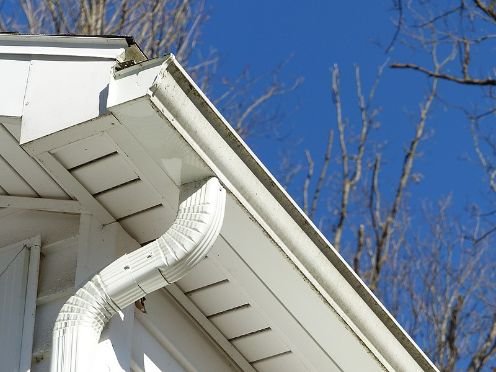
On the flip side, the main drawbacks are cost and weather resilience. You can expect to pay 20-30% more for materials and labour compared to a simple gable roof. The design also poses some specific challenges in a wet climate. Distinctive Metal Roofing points out that the nearly flat upper slope can lead to water pooling if it isn’t drained properly. This means you’ll need a robust guttering system that is cleared out frequently. The low pitch also isn’t great at shedding heavy snow, although that’s less of a worry in Dublin than in other parts of the world.
Mansard Roof Regulations and Installation in Dublin
When you’re building a mansard roof, you can’t cut corners; you have to follow Irish and UK safety standards to the letter. You can’t just nail a few tiles to a steep frame and call it a day.
Meeting Modern Building Regulations
Recent updates to safety codes have changed how these roofs are constructed. Specifically, the Building (Amendment) Regulations 2018/1230 now state that any roof slope with a pitch greater than 70 degrees is officially classified as an external wall. As CUPA PIZARRAS explains, this means you are required to use materials with an A2-s1,d0 or A1 fire rating, in line with BS EN 13501-1. You can no longer use standard timber battens for cladding on these nearly vertical sections. Following these rules is essential for safety, but it can also increase your material costs by 15-20%.
The Installation Process and Materials
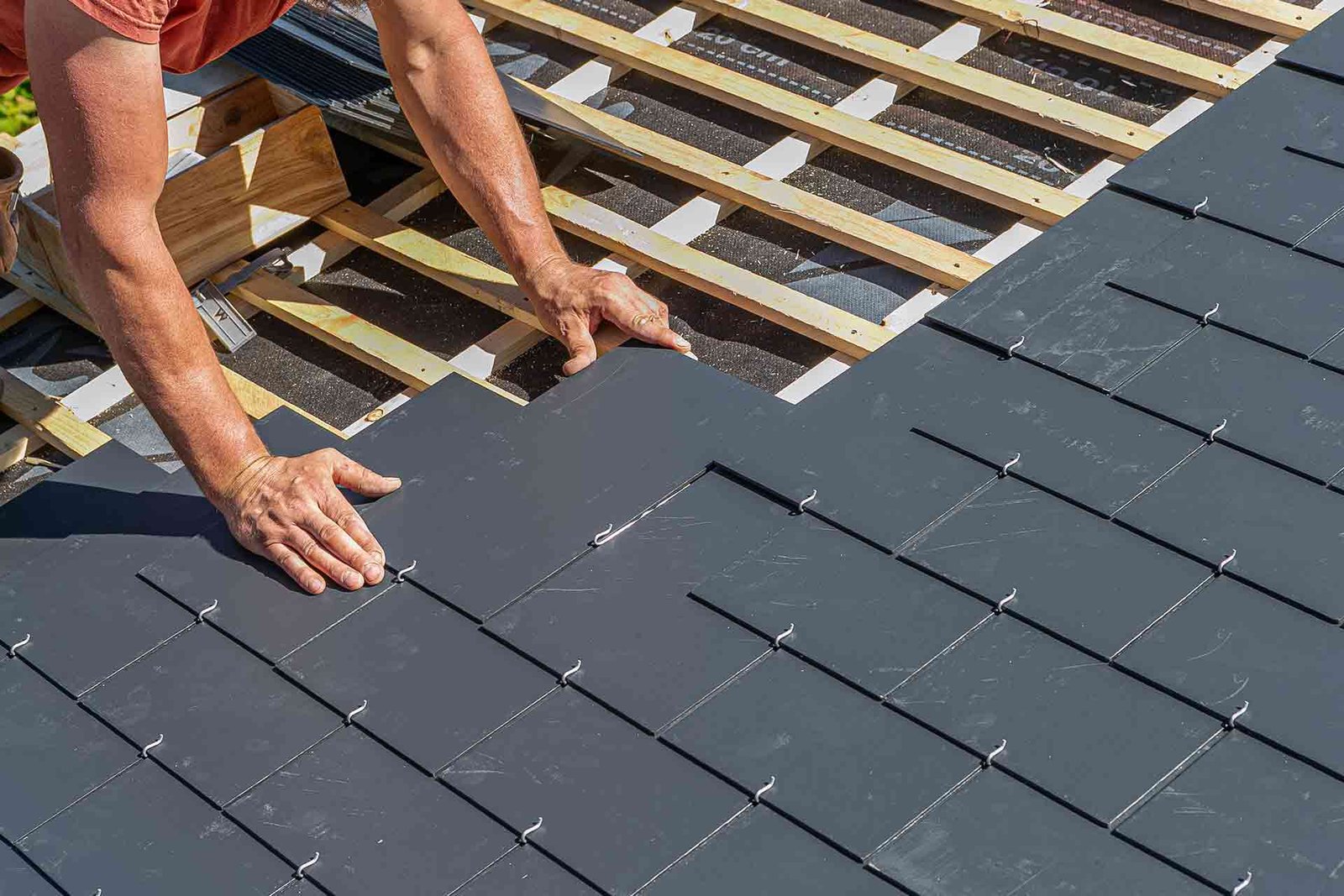
The building process itself is labour-intensive. It all starts with creating a custom frame to establish the two slopes and the curb. The roofers then install decking (usually plywood or OSB) before laying down a high-quality waterproof underlayment. Considering Dublin gets an average of 1,200mm of rain a year, extra-strong flashing around dormers and chimneys is absolutely critical. When it comes to materials, slate is still the traditional favourite, costing around €80-€120 per square metre. Architectural shingles are a more budget-friendly alternative at €40-€60 per square metre, but you must make sure they meet the fire ratings we just mentioned. A team like Emergency Roofers Dublin can help you choose materials that blend heritage aesthetics with modern safety laws.
Maintaining Your Mansard Roof in Ireland's Weather
When it comes to looking after your mansard roof, being proactive is key. The flat upper section is particularly vulnerable to standing water, which can wear down roofing materials over time if left unchecked.
Recommended Maintenance Schedule
We strongly recommend getting a professional inspection at least twice a year, ideally in the spring and autumn. The changing seasons often bring to light any damage caused by winter storms or summer heat. It’s also vital to check for blocked gutters; if water can’t drain away, it builds up and puts pressure on the seams of the flat upper section. An initial inspection from Emergency Roofers Dublin costs €99. For total peace of mind, our annual maintenance packages range from €300 to €500. These include gutter cleaning, flashing checks, and a full roof health report to make sure your investment stays protected.
The History Behind Dublin’s Mansard Roofs
This elegant roof style isn’t just a modern trend; it has a rich history. It was made famous by the French architect François Mansart back in the 17th century. It later became a hallmark of Second Empire architecture in the mid-19th century. The style eventually made its way to Ireland, appearing on many of Dublin’s beautiful Victorian and Edwardian terraced houses. Builders cleverly used the design to add an extra liveable floor to properties while still following strict city planning rules about building heights. Today, it remains a symbol of both elegance and practical thinking in Irish city design.
Final Word
A mansard roof can truly transform a house that feels cramped into a home that feels spacious. It’s a practical and beautiful solution for Dublin residents who want more living space without giving up their garden or moving away from a neighbourhood they love. While the initial costs and maintenance needs are greater than for standard roofs, the value it adds to your property, and the improvement to your quality of life, are immense.
If you’re ready to unlock the potential hidden in your attic, put your trust in the experts who understand Dublin’s unique architecture and climate. Emergency Roofers Dublin has the skilled craftsmanship and up-to-date regulatory knowledge to handle this complex renovation flawlessly. Get in touch with us today to chat about your project and secure a brighter, more spacious future for your home.
Frequently Asked Questions
The biggest hurdle is definitely the cost upfront compared to other roof styles. Because of the complex dual-slope design and the framing it requires, installation costs can be 20-50% higher than for a simple gable or hip roof. On top of that, the nearly flat upper slope can be prone to water pooling, which is a real concern with Dublin's rainy climate. As Distinctive Metal Roofing notes, this design demands top-quality waterproofing and frequent checks to prevent leaks. This means you need to budget for not only a higher initial investment but also a more diligent maintenance routine to avoid long-term water damage.
A mansard roof conversion can add tremendous value by creating what is essentially a brand-new habitable floor. By turning unused attic space into a functional bedroom, office, or studio, you can increase your home's square footage by 20-30%. According to Architecture Lab, making the most of your home's interior volume is a huge driver of property value, especially in cities like Dublin where space is a luxury. For homeowners here, this often results in a return on investment that far exceeds the construction cost, making the property much more appealing to future buyers searching for a family-sized home.
No, they're actually two different styles, even though they look a bit similar. A mansard roof has two slopes on all four sides of the building. A gambrel roof, on the other hand, has two slopes on only two sides, with vertical gable ends on the other two. Mars Roofing points out that the mansard is a four-sided hip style, while the gambrel is a two-sided style you often see on barns or in Dutch colonial architecture. What this means for your home is that a mansard roof gives a more cohesive look and allows for dormer windows on all sides, giving you more freedom with your interior layout and more natural light.
Yes, in almost every case, you will need planning permission for a mansard roof conversion. Because a mansard roof completely changes the external shape and height of your house, it typically doesn't fall under exempted development rules in Ireland. Johnson Restoration confirms that any changes to the roofline, especially those you can see from the street, require formal approval to make sure they are in keeping with the character of the area. You should talk to a local architect or surveyor early on to help you navigate Dublin City Council regulations and ensure your design is fully compliant.
For Dublin properties, natural slate and zinc are the top-tier choices. Slate is traditional, incredibly durable, and looks perfectly at home on Irish period houses. Zinc offers a more modern, lightweight, and corrosion-resistant alternative. As CUPA PIZARRAS highlights, any materials used on the steep lower slope (over 70 degrees) must meet A2-s1,d0 fire ratings, which makes natural slate a safe and compliant option. While asphalt shingles are cheaper, slate or zinc will last much longer and offer better fire safety, ensuring your roof can handle the local weather while meeting strict building codes.
A full installation usually takes anywhere from 4 to 8 weeks, depending on how complex the job is and, of course, the weather. The project involves structural framing, insulation, decking, and very precise detailing for dormers and flashing. Roof Right suggests that the intricate nature of the framing and the need for multiple layers of waterproofing make the timeline longer than for simpler roofs. Here in Dublin, it's always wise to plan for potential weather delays. A professional team like Emergency Roofers Dublin will give you a realistic schedule that takes these factors into account to keep disruption to your daily life at a minimum.
Yes, when they're insulated correctly, they can be very energy efficient. The construction process is a perfect opportunity to install modern, high-performance insulation directly into the new roof structure. As Springfield Roofing points out, adding a new attic floor allows you to seal up air leaks and significantly improve the thermal envelope of your entire house. This upgrade helps your home hold onto heat during cold Dublin winters, which can lower your heating bills and improve your home’s overall Building Energy Rating (BER).
For fire safety purposes, any roof with a pitch steeper than 70 degrees is treated as an external wall. Under the Building (Amendment) Regulations 2018/1230, these steep slopes must be built using non-combustible materials. CUPA PIZARRAS references the legal requirement for A2-s1,d0 or A1 rated materials (in accordance with BS EN 13501-1), which means you can't use standard timber cladding on these sections. This rule ensures your renovation meets the highest safety standards, protecting your family and property from the spread of fire, and is a legal requirement for new conversions.
You should aim to have a professional inspection at least twice a year. The dual-slope design has unique stress points, especially at the join where the steep slope meets the flat top and around the dormer windows. Best Exteriors recommends checking for loose flashing and clearing out gutters regularly to stop water from building up on the flat upper part of the roof. Getting bi-annual checks from a team like Emergency Roofers Dublin helps ensure that tiny seal failures are caught before they turn into major, costly leaks, which protects the structural integrity of your extension.
Yes, absolutely. The flat upper slope is an ideal spot for solar panels. The top section of a mansard roof is usually hidden from street view, which means you can install a solar array without changing the aesthetic of your home. First American Roofing confirms that the large, almost-flat surface area is great for capturing sunlight effectively throughout the day. This gives Dublin homeowners a fantastic opportunity to generate renewable energy and cut down on electricity bills, all while preserving the historic character of their home's facade.
The curb is the horizontal ridge or timber beam where the steep lower slope transitions to the flat upper slope. It acts as the structural changeover point that gives the mansard its unique shape. Wikipedia explains that this feature is what sets a mansard apart from a continuous arch or a single-slope roof, and it's what creates the generous internal volume for a new living space. Making sure the curb is perfectly waterproofed is crucial, as this joint is a prime spot for water to get in if the flashing isn't installed by skilled roofers.
The name is a nod to the 17th-century French architect François Mansart. While he didn't actually invent the style, he used it so extensively in his designs for grand chateaus and townhouses in Paris that he made it famous. Britannica notes that the roof style had a major comeback during the Second Empire (1852–1870), which forever cemented its connection with French architecture. By choosing this style for your Dublin home, you're connecting it to a long history of elegant European design that was created to be both beautiful and incredibly practical.