Living in Ireland means you get pretty used to the weather. The rain feels constant, the wind is a given, and that persistent damp seems to find its way into everything that isn’t perfectly sealed. It’s easy to forget all about your roof until a dark stain appears on the bedroom ceiling, but waiting for that moment often leads to repairs costing thousands.
That’s why metal roofing is no longer just for industrial buildings; it’s becoming a smart and stylish choice for homes in suburbs like Ranelagh and Clontarf. It offers a permanent shield against the relentless Atlantic storms that batter our coast. In this guide, we’ll walk you through why a metal roof might just be the best decision you can make for your Dublin home.
Key Takeaways
- Durability: Built to last, metal roofs can handle winds of up to 200 km/h and won’t give in to moss or rot.
- Longevity: You can count on a metal roof for 50-70 years, a huge jump from the 30-40 years you’d get from concrete tiles.
- Cost Efficiency: While the initial price tag is higher, when you break it down over its long life, a metal roof actually costs less per year than traditional options.
- Aesthetics: With modern designs that beautifully mimic natural slate, you can meet the strict planning requirements in conservation areas without compromising on style.
- Sustainability: It’s a green choice. The materials are fully recyclable and are often made with up to 60% recycled content to begin with.
Why Your Dublin Home Needs a Roof Built for Irish Weather
Let’s be honest, standard roofing materials have a tough time with the unique challenges of the Irish climate. The constant damp is an open invitation for moss, algae, and rot, all of which slowly break down concrete tiles.
A metal roof, on the other hand, puts a stop to all that organic decay. It creates an unbreakable barrier against driving rain and isn’t bothered by the endless freeze-thaw cycles that are notorious for cracking traditional tiles. Its resistance to wind is a real game-changer.
Technical data from suppliers like Tegral Metal Centre shows that a correctly installed metal roof is designed to hold strong against winds reaching up to 200 km/h, something that’s incredibly important for more exposed homes.
While you might get 30 to 40 years out of concrete tiles before they need serious work, a metal roof will serve you well for 50 to 70 years, if not longer. It means you can finally stop paying for patch repairs and start trusting in the secure roof over your head.
A Complete Price Guide to the Cost of Metal Roofing in Dublin
The initial price can often make homeowners hesitant about choosing metal, but when you look at the numbers over the long run, a different picture emerges. It’s about thinking of it as an investment, not just an upfront cost. When you spread that cost over the entire life of your home, metal really starts to look like the smarter financial move.
Estimated Supply and Installation Costs in Dublin
- Coated Steel Panels: €80 – €130 per square metre.
- Aluminium Panels: €100 – €160 per square metre.
- Zinc Panels: €150 – €220 per square metre.
- Comparison – Concrete Tiles: €50 – €90 per square metre.
- Comparison – Natural Slate: €120 – €200+ per square metre.
Let’s break down the numbers to see the real value. Imagine you have a standard 150 square metre roof. A new steel roof might come in around €16,500. Spread that over a conservative 60-year lifespan, and you’re looking at just €275 per year.
Now, a concrete tile roof might seem cheaper at €10,500, but with a 35-year lifespan, its yearly cost is actually higher at €300. And that’s before you even factor in the money you’ll inevitably spend on replacing those slipped or cracked tiles that are so common with concrete roofs.
Choosing Your Perfect Metal Roof
There are three main metals you’ll come across, and each one has its own set of benefits that make it perfect for different locations and budgets.
Coated Steel
This is the most popular and versatile choice for Dublin homeowners. Thanks to modern manufacturing, the steel is coated to effectively keep rust at bay.
You can choose from a huge range of colours and profiles, with some designs mimicking traditional Irish slate so convincingly that they easily pass visual inspections even in well-established neighbourhoods. You can expect it to last for a solid 40 to 60 years.
Aluminium
If you live near the coast in an area like Howth, Malahide, or Dalkey, aluminium is what you need. The salt spray in the air is corrosive to steel, but aluminium naturally resists rust and corrosion. It’s also incredibly lightweight, which means it puts less strain on your home’s timber structure. Its lifespan stretches to 50-70+ years, making it the clear winner for seaside living.
Zinc
For those undertaking a self-build or working with an architect on a unique project, zinc is the premium option. Over time, it develops a beautiful protective layer, or patina. This natural coating actually allows the material to “heal” itself from scratches and minor damage.
It’s a favourite for custom architectural projects you might see in magazines like Selfbuild & Improve Your Home Magazine. A zinc roof is a true investment, often lasting 80 to 100 years or more.
Roofing Styles and Profiles
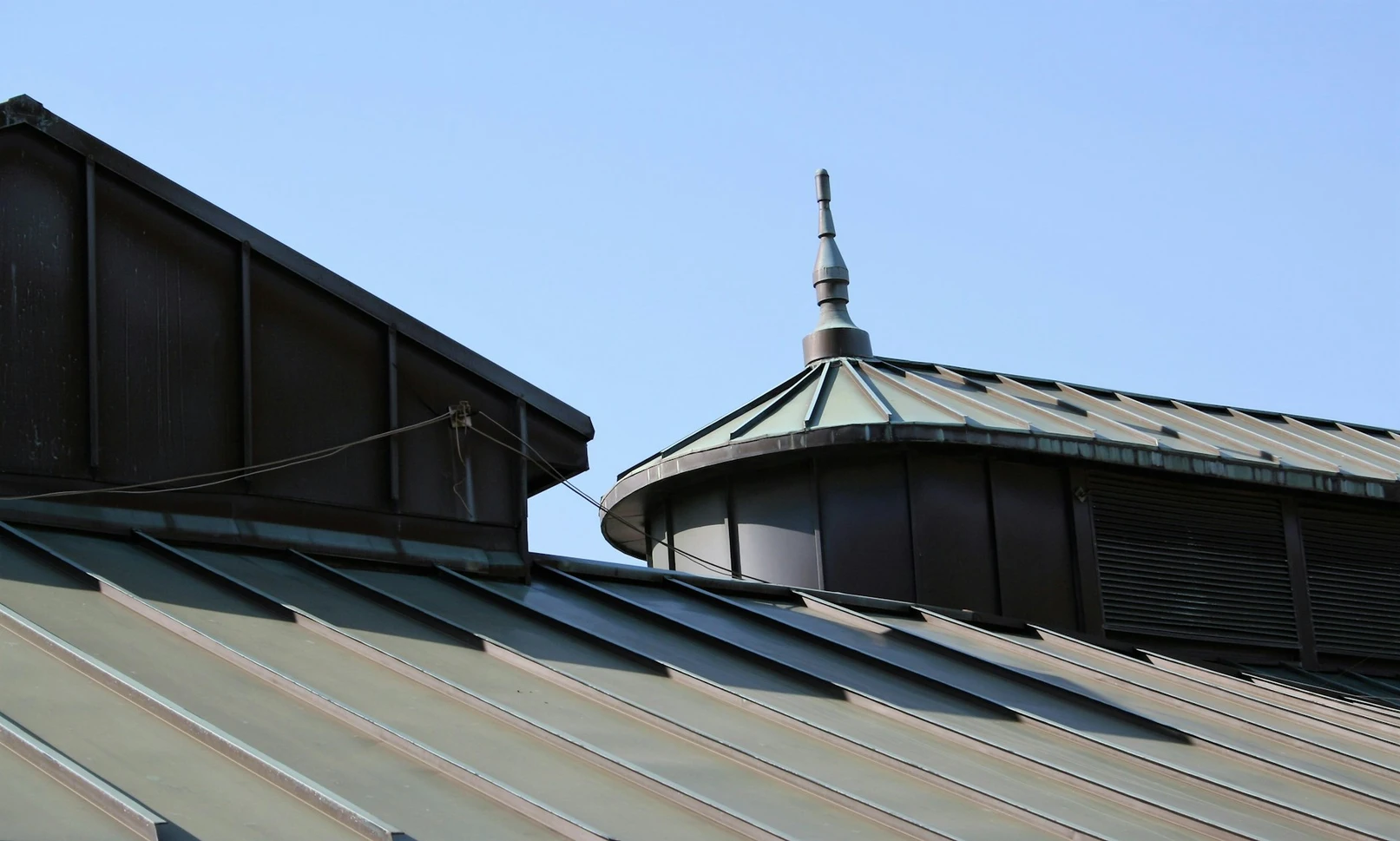
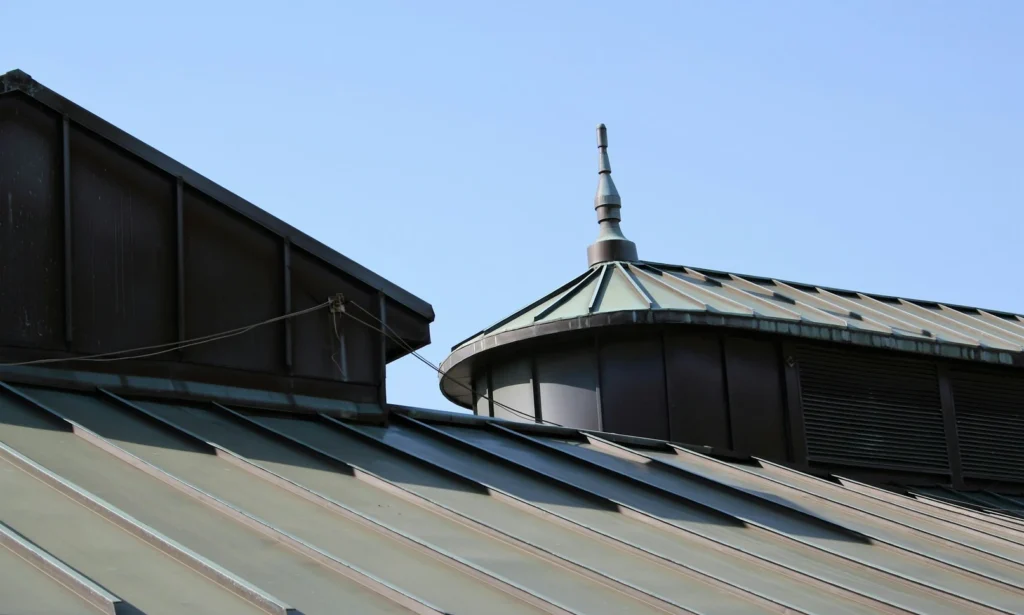
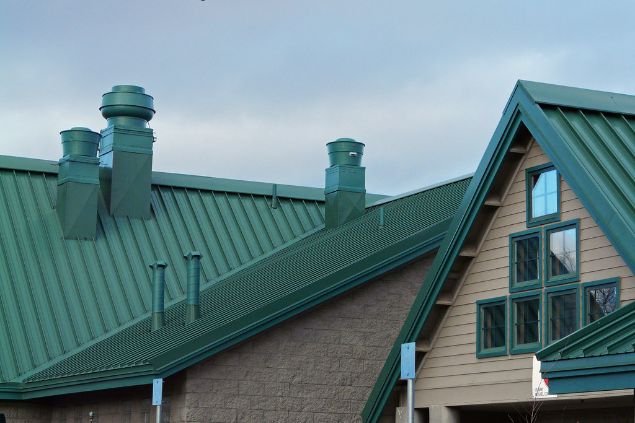
Forget any old images you have of metal roofing looking like something on a farm shed. These days, advanced manufacturing means we can create a look that fits any style of home, whether it’s a modern new build or a classic suburban terrace.
Standing Seam Panels
This style gives you a clean, sleek, and modern look. It’s defined by its sharp vertical lines and cleverly concealed fasteners. Hiding the fasteners not only looks great but also protects them from the weather, giving you the best possible protection against leaks. It’s a perfect match for contemporary extensions and new builds.
Metal Slate and Tile Profiles
If you live in an area with strict planning rules, this is the option for you. Manufacturers press steel or aluminium panels to perfectly replicate the texture and shape of natural slate or classic clay tiles. This way, you get the traditional look your local planners require, but with all the high-performance benefits of metal.
Corrugated Panels
Once mainly seen on agricultural buildings, corrugated metal is enjoying a comeback. With modern coatings and a palette of contemporary colours, it has become a sought-after choice for industrial-chic home designs. It also continues to be a very durable and budget-friendly solution.
Installing a Metal Roof in Dublin
It’s the practical questions that often hold people back from making a decision. So, let’s tackle the three most common ones we hear about installation.
Planning Permission
In most cases, you won’t need planning permission as long as the new roof looks similar to the old one. For instance, swapping old tiles for metal tiles with a slate profile is usually considered an exempted development.
However, as Citizens Information points out, if you’re making significant changes to the appearance, or if your home is a protected structure, you’ll need to talk to Dublin City Council first. It’s always best to check before you begin any work.
Noise Levels
The idea of rain hammering on a metal roof like a drum is a myth. A professional installation includes a solid deck underneath, a breathable membrane, and proper insulation. This layered approach dampens sound so effectively that metal roofs are often just as quiet, if not quieter, than their slate counterparts.
Guttering Systems
Metal roofs are very efficient at shedding water. Their smooth surface makes rainwater run off much faster, which can sometimes overwhelm standard gutters. That’s why we always recommend seamless aluminium gutters.
Because they have no joints, they can’t leak, and they are designed to handle the high volume of water flow with ease. At Emergency Roofers Dublin, we install these systems to make sure your drainage is as high-performing as your new roof.
Eco-Friendly Roofing, The Sustainable Choice for Your Home
For many people renovating their homes today, sustainability is a top priority. Metal roofing delivers some real, tangible benefits for the environment. For starters, steel roofing is often made with anywhere from 25% to 60% recycled material. And when it finally reaches the end of its very long life, it’s 100% recyclable, which is a world away from asphalt shingles or concrete tiles that just end up taking space in a landfill.
You’ll see an improvement in energy efficiency, too. Metal roofs are great at reflecting the sun’s heat, which can help lower your cooling bills during those rare but welcome hot spells. The non-porous surface is also perfect for anyone considering a rainwater harvesting system, as the water runs off cleanly, without the grit and debris you get from other roofing materials.
Your roof is the single most important line of defence for your home. With a metal roof, you’re getting a blend of strength, long life, and style that traditional materials simply can’t offer. It means you can finally stop worrying every time a storm rolls in and say goodbye to the recurring cost of small repairs.
Our team at Emergency Roofers Dublin has the expertise to help you with every step, from choosing the right material to the final, seamless installation. It’s time to secure your home with a roof that’s built for the future. Contact Emergency Roofers Dublin today for a consultation.
Frequently Asked Questions
This is a really common myth, but the short answer is no, not when they're installed correctly. The noisy reputation comes from old-style installations on open frames, like barns.
A modern residential system is completely different. It is built on solid decking with insulation that effectively deadens any sound. Think of the insulation layer as doing two jobs at once: it provides excellent thermal efficiency and fantastic acoustic control, often making your home's interior quieter than it was with a traditional slate roof.
Not if you choose quality materials. Today's metal roofing is specifically engineered to prevent rust. Steel panels are protected with advanced coatings (like galvanized or Galvalume finishes) that stop oxidation in its tracks.
Meanwhile, aluminium and zinc are naturally non-corrosive, forming their own protective barrier against the damp. Just remember, if your home is within 5km of the coast (in places like Dalkey or Clontarf), it’s crucial to choose aluminium or zinc to fight off the corrosive salt spray that could eventually damage coated steel.
A metal roof does have a higher upfront cost, but it delivers much better value in the long run. While concrete tiles might cost between €50-€90 per square metre, metal can range from €80 for coated steel up to €220 for zinc.
The key difference is that a metal roof's 60+ year lifespan brings its "cost per year" down, often making it cheaper over time than concrete tiles.
If you're an investor or plan to stay in your home for a long time, it’s worth calculating the total cost of ownership. When you factor in never having to pay for slipped tile repairs or moss removal, the financial benefit becomes crystal clear.
Absolutely. Modern metal roofing comes in a variety of profiles that do a fantastic job of mimicking natural slate. Manufacturers press the metal sheets to perfectly recreate the texture and distinct shape of slate.
This allows you to get the incredible durability of steel while maintaining the traditional look of your home. It’s the ideal solution for updating homes in mature Dublin neighbourhoods where keeping the street's visual character is essential for planning approval.
Typically, you don't need permission as long as the new roof looks very similar to the old one. Under what are known as "exempted development" rules, replacing your roof is generally fine, unless you're drastically changing its shape or if you live in a protected structure or an Architectural Conservation Area.
It's always wise to consult with the Dublin City Council if you plan to switch from tiles to a modern standing seam metal roof, as that's a significant visual change that might require planning permission.
They're not just a good choice, aluminium and zinc are exceptional for coastal homes. Unlike steel, these metals simply don't rust when exposed to salty air. This makes them our standard recommendation for any home in areas like Howth or Malahide.
Choosing the right material from the start is key to avoiding premature failure. Installing standard steel near the sea will likely void your warranty and could lead to serious corrosion in just a few years.
Yes, metal is one of the most sustainable roofing materials you can choose. It is 100% recyclable at the end of its long life and is often made with up to 60% recycled content from the start.
This is a huge contrast to concrete or asphalt, which ultimately just add to our landfill problems. Furthermore, the clean, non-porous surface of metal makes it the safest and best option for rainwater harvesting systems, allowing you to collect pure water for your garden.