The numbers paint a grim and urgent picture for Dublin homeowners. In 2024 alone, chimneys, flues, and hot ashes were behind 1,603 house fires across Ireland. This makes them, without a doubt, the leading cause of house fires in the country. This one category is responsible for 37% of all house fires where the cause was known. This isn’t a fluke; over the last five years (2020-2024), chimney fires have consistently held that top spot, making up 34% of all known home fires.
These incidents do more than just damage property; they take lives. In 2024, 25 people died in home fires. The data reveals a tragic pattern: 21 of those victims were aged 55 or older. Safety equipment, or the lack of it, remains a critical factor. A staggering 82% of these deadly fires happened in homes that did not have a working smoke alarm. These figures are a stark reminder that a chimney fire isn’t a small problem or a nuisance; it’s a lethal threat that demands your respect and preparation.
Sum and Substance
- Lifespan: Think long-term. A natural slate roof, when installed properly, is built to last anywhere from 75 to an incredible 200 years, leaving materials like asphalt or metal in the dust.
- Value: It’s an investment, not just a cost. While slate might ask for more from your wallet initially, its remarkable lifespan means you’re actually paying less per year over the long haul.
- Weather Resistance: Built for Dublin weather. Slate naturally shrugs off water, resists fire, and stands strong against our notorious high winds and the damaging cycle of freezing and thawing.
- Maintenance: A little care goes a long way. Regular check-ups are key to a healthy roof, especially for spotting issues like nail sickness or problems with the flashing.
- Selection: You’ve got options. Your choice will come down to natural stone (the premium, heavier classic) or fibre-cement (a lighter, more budget-friendly alternative), depending on what your home’s structure can handle and what your budget looks like.
What is a Slate Roof?
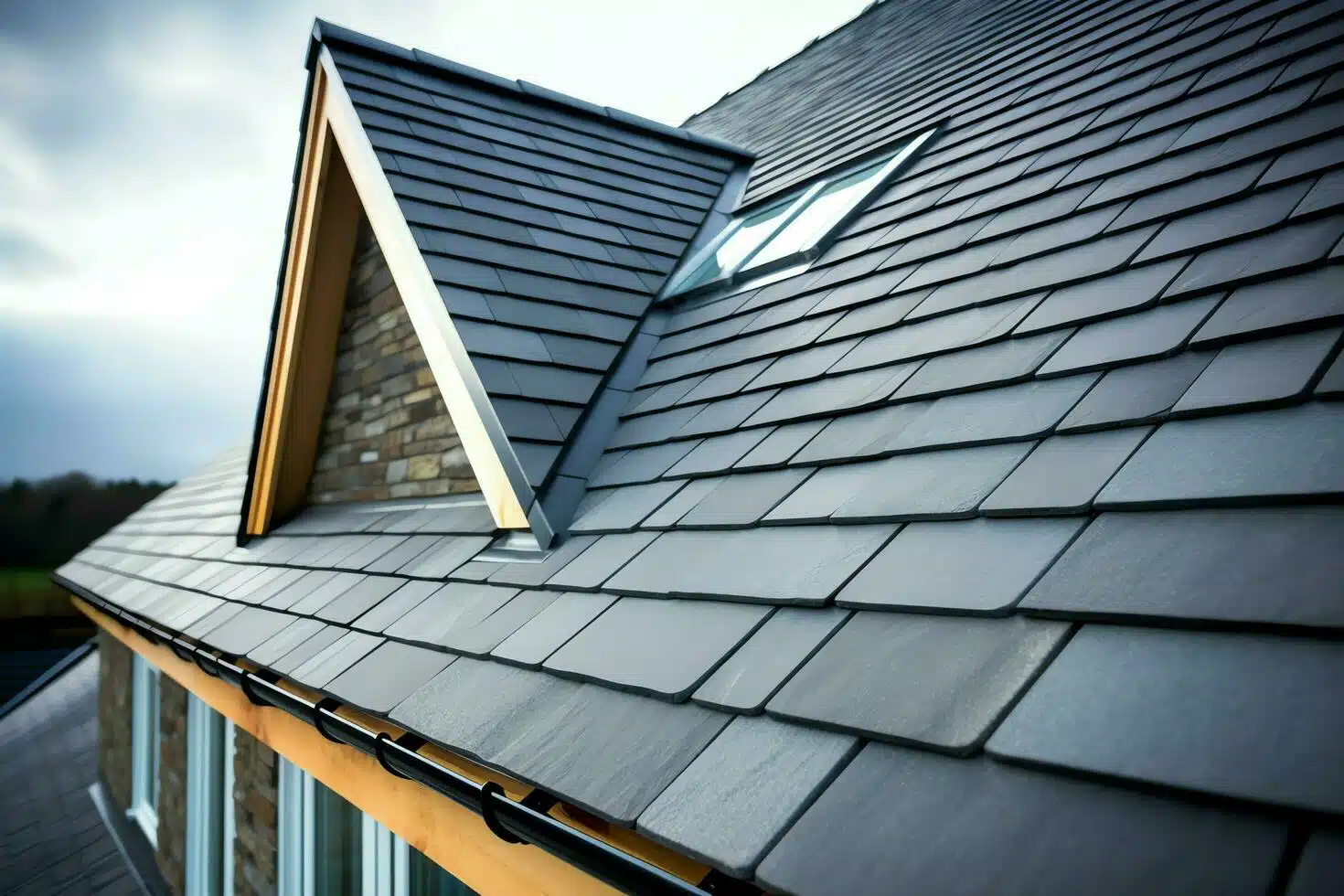
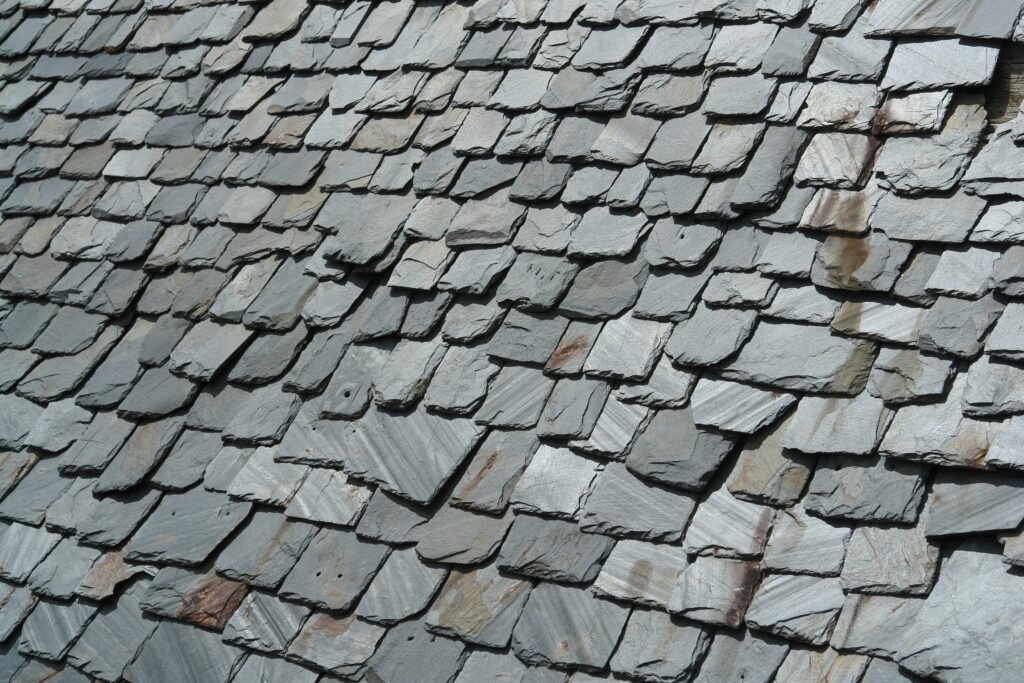
At its heart, it’s a pitched roof covered with thin tiles that have been split from a natural metamorphic stone. This stone is incredibly dense and is usually cut to a thickness of about 4–8 mm. Its unique geological layers allow it to be split into these thin, uniform sheets that are perfect for shedding water.
The material has a beautiful, textured surface and comes in a variety of tones, including grey, blue, and green. Here in Dublin, these slates are fixed onto timber battens with strong copper or stainless-steel nails. Unlike asphalt shingles, which are factory-made from bitumen and fibreglass, slate is a 100% natural product from the earth, capable of withstanding the elements for more than a century.
How Long Does a Slate Roof Really Last in Dublin?
When people talk about a lifetime roof, they’re often talking about slate, and for a very good reason. It’s one of those rare building materials that can genuinely outlast the very people who put it on your home. Here in the damp, ever-changing climate of Dublin, the ultimate lifespan of your roof really comes down to the quality of the installation and the specific type of slate you choose.
To put it in perspective, here’s how slate stacks up against other common roofing materials:
- Hard Slate: Known for its incredible density, this can last between 100 and 200 years.
- Soft Slate: Still exceptionally durable, offering a lifespan of 75 to 125 years.
- Synthetic / Fibre-Cement Slate: A man-made alternative that you can expect to last 50 to 75 years.
- Asphalt Shingles: These typically need to be replaced after just 20 to 30 years.
- Wood Shingles: You can expect 30 to 50 years of service from these.
- Metal Roofing: This will last you roughly 40 to 70 years.
When you think about it, a well-cared-for natural slate roof can last three, four, even five times longer than an asphalt shingle roof. It’s not just a temporary fix; it’s a permanent solution for your home.
Is a Slate Roof Worth the Investment?
Let’s be upfront: a natural slate roof does ask for a bigger initial investment than concrete tiles or asphalt shingles. This is because everything from quarrying the stone to shaping and transporting it is a craft that takes time and skill. But just looking at that initial price tag doesn’t tell the whole story. Because a slate roof can last up to 200 years, you’re saving yourself the cost and hassle of the three or four complete roof replacements you’d be facing with other materials over that same period.
Here in Dublin, a few key things will shape the final cost of your slate roof:
- Roof Size and Pitch: Larger and steeper roofs naturally require more materials and more labour.
- Complexity: Features like chimneys, valleys, and dormer windows add to the installation time.
- Access: The need for scaffolding, which is common on taller Dublin townhouses, will be factored into the total quote.
This type of roof is more than just a covering; it’s an investment that boosts your home’s kerb appeal and resale value. Potential buyers know what a slate roof means; it’s a clear signal of a quality home that won’t need expensive work down the line. To get a clear picture of the investment for your property, you should ask for a written quote from Emergency Roofers Dublin that breaks down all the costs for labour, materials, and scaffolding.
The Top Benefits of a Slate Roof for Dublin’s Weather and Homes
When it comes to slate, you’re getting a powerful one-two punch of unbeatable protection and timeless beauty that’s hard to find anywhere else. Its natural makeup provides a barrier that is perfectly designed for the unique challenges of the Irish environment.
Superior Resistance to Wind, Rain, and Frost
Slate has a secret weapon: it barely absorbs any water at all. It’s naturally waterproof and completely unfazed by frost, which is absolutely essential for getting through an Irish winter. That constant freezing and thawing can cause water to expand in tiny cracks, destroying lesser materials from the inside out. The sheer weight and interlocking design of slate tiles also make them incredibly resistant to the coastal winds and driving rain we see so often in Dublin.
Unmatched Longevity and Low Maintenance
One of the best things about a slate roof is that once it’s up, it pretty much takes care of itself. It won’t rot, and it doesn’t corrode. A natural slate roof will comfortably serve you for 75 to 100 years, and if you opt for premium hard slate, you could be looking at two centuries of performance. A simple, periodic inspection now and then is usually all it needs to stay in perfect working order.
Timeless Aesthetic Appeal and Increased Property Value
There’s a reason slate is considered one of the most beautiful roofing materials out there. It holds onto its natural colour, refusing to fade even after years under the sun. Whether your home is a Georgian period property or a brand-new build, the classic, textured look of slate adds a touch of class and character. This undeniable aesthetic quality boosts kerb appeal and helps support higher property valuations.
Fire Resistance and Eco-Friendly Qualities
Since it’s literally a piece of the earth, slate is completely fireproof. It provides an excellent layer of fire protection for your home. And from an environmental standpoint, that incredible lifespan means you’re keeping roofing waste out of our landfills. A roof that stands for 100 years creates far less waste than a material that has to be torn off and replaced every 30 years.
Natural vs. Artificial Slate
When it comes to choosing your slate, you’re looking at two main paths: authentic natural stone or modern, man-made alternatives. The right one for you will come down to your budget, what your home’s structure can support, and the look you’re hoping to achieve. Here at Emergency Roofers Dublin, we can carry out a structural assessment to give you clear advice on the best way forward.
Natural Slate
When you think of a slate roof, this is what you’re picturing: authentic tiles cut from quarried stone. It’s the gold standard for durability. Natural slate is heavier and does cost more upfront, but in return, it offers a beautiful, varied look with subtle differences from tile to tile that manufactured products just can’t replicate. It is the go-to choice, and often a requirement, for heritage properties and conservation areas across Dublin. Depending on where it was quarried, you’ll be choosing between hard slate (100–200 years) and soft slate (75–125 years).
Artificial & Fibre-Cement Slates
These modern slates are cleverly designed to give you the classic look of natural slate without the associated weight or cost. Their lighter weight makes them a great option for extensions or for homes where the existing roof structure can’t handle the load of natural stone. They are also friendlier on the wallet. The trade-off, of course, is in their lifespan, which is typically around 50 to 75 years, and they can sometimes fade or show weathering more obviously than real stone.
Slate vs. Tile Roofs
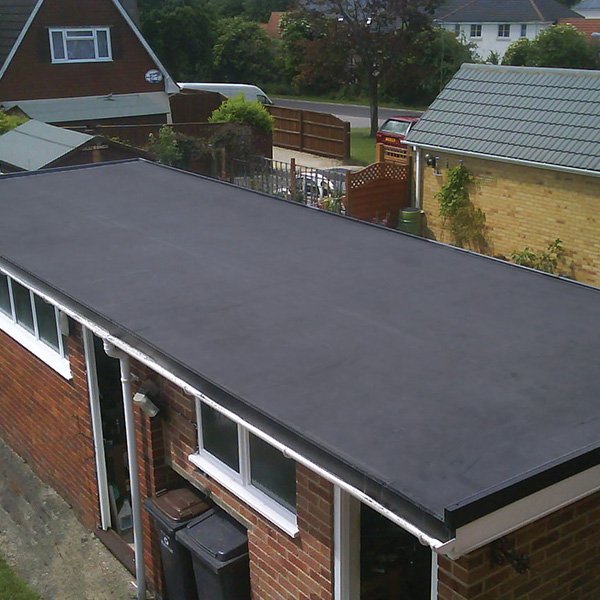
If you look at the pitched roofs across Ireland, you’ll mostly see two things: slate or tiles made from concrete or clay. The best choice for your home often depends on its architectural style and your long-term plans. Slate is the undisputed champion of longevity, lasting 75 to 200 years, while concrete tiles generally have a lifespan of about 30 to 50 years.
Slate also has a distinctively thinner, sleeker profile that looks right at home on Dublin’s beautiful period properties, preserving the clean lines of the original architecture. Tiles tend to be cheaper to install and come in a wider variety of shapes and colours. At Emergency Roofers Dublin, we install and repair both systems, so we can give you honest, unbiased advice based on your home’s specific needs.
The Essentials of Slate Roof Installation and Repair
This is a crucial point: a slate roof is only as strong as the hands that installed it. To achieve that incredible century-long lifespan, the work has to be done by specialists who truly understand the material.
The Professional Installation Process
Slating is a craft. Each slate is carefully fixed one by one in overlapping rows to make sure water flows off flawlessly. It’s a process that has to follow exacting standards, like the SR 82:2017 guide for slating and tiling. The job involves a full structural survey, laying a breathable underlay and timber battens, and then securing the slates with non-corrosive copper or stainless-steel nails. One of the biggest mistakes we see is the use of cheap, galvanised nails. It’s a shortcut that leads to disaster, as the nails will rust away long before the slate gives up.
Common Slate Roof Problems and How We Fix Them
Interestingly, when a slate roof has a problem, it’s rarely the slate’s fault. The culprits are usually things like storm damage or the old fixings finally giving way. The most common issues we see are slates broken by impact, slates that have slipped due to nail sickness (corroded nails), and failing metal flashing around chimneys and in valleys. The team at Emergency Roofers Dublin can expertly replace individual damaged slates and renew lead flashings to seal up any leaks. Don’t ever underestimate a single missing slate. That small gap can let water seep into your roof space, leading to major structural damage over time.
Maintenance and Inspection Checklist for Homeowners
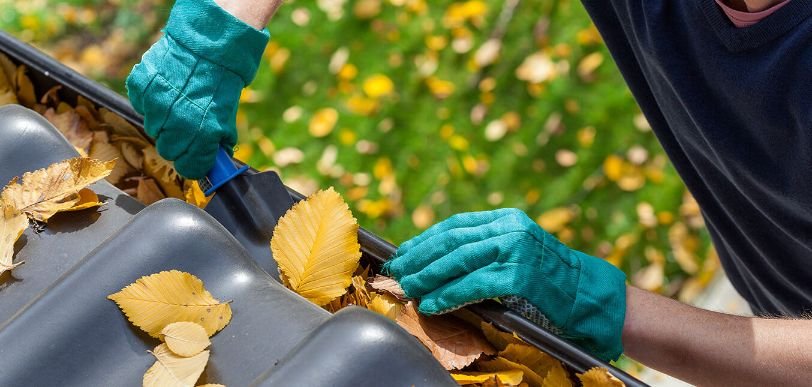
We always recommend booking an annual inspection, especially after one of our typically harsh Irish winters. Keep an eye out for any damp patches on your attic floor or on the wooden beams. From the ground, take a look up at your roof and see if you can spot any obvious gaps or slipped slates. Good maintenance involves replacing any broken tiles, checking the flashings, and keeping your gutters clear to stop water from backing up. And this is non-negotiable for your safety: never, ever walk on a slate roof. Always call in a professional like Emergency Roofers Dublin to handle any up-close work.
Repair or Replace?
If most of your slates are still in great shape, then making targeted repairs is almost always the smartest and most affordable way to go. However, if you’re seeing a large number of slates that are flaking apart or crumbling, or if the fixings have failed across the whole roof, then a full replacement might be the only sensible option. A slate roof that’s 40 to 60 years old often has many more decades of life left in it with the right care. A detailed report from a professional roofer will give you the clear-eyed advice you need, helping you understand if your roof just needs a patch-up or if it’s time for a full renewal.
Why Choose Emergency Roofers Dublin for Your Slate Roof
At Emergency Roofers Dublin, we’re not just general roofers; we are local specialists who live and breathe slate roofing. We have a deep understanding of the specific demands of Dublin’s climate and its unique architecture, which means we can ensure your roof is installed to the highest possible standard. Our mission is to help your roof achieve its full potential and last for the 75-100+ years it was designed for.
We offer a complete range of services, from roofing and guttering to chimney repairs, providing a total solution for your home’s exterior protection. We work strictly in line with Irish standards like SR 82:2017 and are always ready with emergency call-outs for storm damage and leaks. Get in touch with us today for a professional slate roof inspection or a friendly, detailed quote.
Commonly Asked Questions
A new slate roof in Dublin will have a higher upfront cost than options like concrete tiles or asphalt. This is down to the premium quality of the natural stone and the skilled craftsmanship needed to install it correctly.
The final quote will depend on the type of slate you choose (natural stone versus fibre-cement), the total size of your roof, and how complex the job is, for example, if you have chimneys that need detailed lead flashing.
Always ask for a detailed written quote that breaks down the costs for materials, labour, and any necessary scaffolding. While you'll pay more at the start, remember that the lifetime cost is often much lower because you won't be paying to replace it for generations.
You can confidently expect a natural slate roof to last between 75 and 100 years, and it’s not unheard of for high-quality hard slates to last for 200 years.
To reach that impressive age, the roof must be installed correctly according to standards like SR 82:2017, especially given Dublin’s wet and windy weather. This kind of durability puts materials like asphalt (20 years) or concrete tiles (50 years) in the shade.
Think of your slate roof as a permanent part of your home. By investing in quality materials now, you're preventing the need for a major re-roofing project for the next two or three generations of your family.
Absolutely. It’s very common and much more cost-effective to repair a slate roof, as long as the slates themselves are in good condition.
Most problems aren't with the slate itself but with nail sickness (where old fixings have rusted through) or isolated damage from a storm. We can carefully remove and replace individual slates using special copper straps or hooks.
If you spot a leak or a missing slate, call a professional right away. Replacing a few slipped slates is a small job, but ignoring them can lead to rot in your home's timber structure, which is a much bigger and more expensive problem to fix.
No, you should never walk on a slate roof.
Although slate is stone, it's also brittle. The focused pressure from a person's foot is more than enough to crack or dislodge the tiles, causing damage you might not even see.
Please leave all inspections and repairs to professionals. We have the right safety and access equipment, like ladders, crawling boards, and cherry pickers, to get the job done without risking your safety or the integrity of your roof.
Natural slate is a genuine stone that has been quarried from the earth. Fibre-cement slate is a composite material manufactured from cement and fibres.
Natural slate is heavier, has a unique texture and colour variation, and can last for over 100 years. Fibre-cement is lighter, more uniform in appearance, cheaper, and generally lasts for 50-75 years, though its colour may fade over time.
For heritage homes or if you want the absolute maximum lifespan, choose natural slate. If your budget is a primary concern or your roof structure can't support the weight of stone, fibre-cement is a great alternative.
It depends. Natural slate is usually heavier than man-made fibre-cement slate. When compared to tiles, it can be lighter than some very thick concrete tiles, but it is often comparable or heavier.
A natural slate roof puts a significant load on the timber frame below. Older homes were often built to handle this weight, but lighter, modern timber frames might require strengthening.
Before you consider switching from a lighter material to natural slate, it's essential to have a professional like Emergency Roofers Dublin perform a structural assessment to make sure your timbers can safely bear the load.
The issues we see most often are slates that have slipped out of place, tiles that have been broken by an impact (like a falling branch), and failures in the metal flashing.
Nail sickness is a major problem in many older Dublin properties. This is where the original iron nails have rusted and snapped, allowing a perfectly good slate to slide out of position.
Keep an eye on your roof, especially after big storms. If you find a piece of slate in your garden or gutter, book a repair as soon as possible to close that gap before the rain gets in.
An annual inspection is the best way to keep your roof healthy.
Regular checks allow a professional to spot small problems, like cracked leadwork or a couple of shifted slates, before they become major leaks. The harsh Irish winters can be tough on fixings and flashings.
A good time to schedule an inspection is in late autumn to make sure your roof is ready for winter. It's also wise to get it checked after any particularly severe storm.
Yes, natural slate is one of the most eco-friendly roofing materials you can choose.
It's a completely natural material that requires very little processing compared to synthetic products. And because it lasts for so long, it dramatically reduces the amount of waste sent to landfills compared to roofs that need replacing every 20-30 years.
If sustainability and environmental impact are important to you, natural slate is a far superior choice over asphalt or plastic-based roofing materials.
Yes, without a doubt. A well-maintained slate roof can significantly increase your property's value and kerb appeal.
It acts as a powerful signal to potential buyers that the home is high-quality, well-protected, and unlikely to need expensive maintenance. In Dublin, a slate roof is also perfectly in keeping with the classic aesthetic of historic and premium neighbourhoods.
If you think you might sell your home in the future, a beautiful slate roof is a fantastic selling point that you should be sure to highlight to prospective buyers.
Nail sickness is the term roofers use to describe the corrosion and failure of the nails that hold the slates onto the roof's timber battens.
In the past, iron nails were often used. Over many decades of exposure to moisture, these nails rust through and eventually snap. This causes the slates to slip down, leaving a gap, even though the slate itself is still in perfect condition. Modern installations use copper or stainless steel nails to avoid this problem entirely.
If your roof is suffering from widespread nail sickness, a good roofer might suggest stripping the roof, saving all the good slates, and then re-fixing them with new copper nails. This can save you a lot of money compared to buying all new slates.
Not always. The home's roof structure and pitch (the angle of the slope) have to be suitable.
Slate needs a roof to have a certain minimum pitch to ensure that rainwater runs off properly instead of tracking sideways and getting underneath the tiles. The roof structure must also be strong enough to support the weight.
The best first step is to consult with us at Emergency Roofers Dublin. We can assess your home's specific roof design and tell you if it's compatible with slate or if any modifications would be needed.
Natural slate is most commonly found in beautiful shades of grey and blue-black. Depending on the quarry, you can also find slates with tones of green or even purple.
Unlike artificially coloured tiles, the colour of a natural slate is part of the stone itself; it's determined by the minerals in the rock. This means it won't fade away under the sun.
You should take the time to choose a shade that complements the brick or render of your home. The classic Blue Bangor slate is an iconic and much-loved look all across Ireland.