We all know what a typical Dublin winter is like; it truly tests the limits of our homes. You can hear the rain hammering against the slate and the wind howling around the chimney as the temperature swings from one extreme to another.
It’s easy to assume your roof is doing its job just fine, right up until the moment you see a dreaded puddle forming on the living room floor. But waiting for that kind of catastrophe is a risky and expensive game to play. Learning to spot the early signs that your roof is in trouble can mean the difference between a minor, affordable repair and a major, disruptive renovation.
This guide from the team at Emergency Roofers Dublin walks you through the specific warning signs you need to look out for to keep your home warm, dry, and secure.
Essential Lessons
- That drip-drip-drip sound is a 24-hour warning to call in a professional before real structural damage sets in.
- Those ugly brown stains on your ceiling are a tell-tale sign that a leak has been quietly causing trouble for weeks, maybe even months.
- A sagging roof isn’t just an aesthetic issue, it’s a serious alarm bell for structural failure that needs immediate professional attention.
- The growth of moss and algae can look quaint, but it’s actually trapping moisture and shortening the life of your roof tiles.
- Gutters blocked with leaves and debris often force water to back up under your roof, rotting the fascia and timber rafters.
- If your energy bills are suddenly climbing, it could be because a roof leak has soaked your attic insulation, letting heat escape.
- A surprisingly high number of Dublin roof leaks are traced back to damaged flashing around the chimney.
Hearing Drips After Rain
It’s a sound that can make any homeowner’s heart sink: the slow, steady drip of water inside your house long after the rain has stopped. This is never a false alarm. It’s undeniable proof that water has found a way through your roof’s defences. This sound often means that tiles have been compromised, flashing has been damaged, or the valleys in your roof are failing, giving rainwater a direct path into your home.
You have to treat this sound as the emergency it is. Once water gets in, it moves fast. It soaks into your insulation, making it useless, begins to rot the timber frame of your house, and can crumble your plasterboard.
An active leak like this demands a response within 24 hours to stop the damage from spreading and compromising the structural integrity of your home. This is precisely why Emergency Roofers Dublin offers a 24/7 call-out service, to get that breach secured before the next downpour can make a bad situation much worse.
Water Stains on Your Ceiling
Those brownish, yellow, or copper-coloured rings appearing on your ceiling are almost never just a simple paint-job fix. These stains are the first visible clue that water has managed to get past your tiles or flashing and is now pooling on the other side of your plasterboard. With Dublin getting an average of 732mm of rain every year, all that moisture is constantly searching for the tiniest weakness in your roof, where it can get trapped and slowly weaken your timber supports.
If you ignore these spots, you’re giving mould a perfect place to grow and allowing your home’s structure to weaken over time. Consumer Reports even identifies roof leakage as one of the top three problems homeowners face in the first five years.
A small stain you’ve been trying to ignore is often hiding a slow leak that can quickly escalate into a repair job costing anywhere from €500 to €1,700. Local Irish roofing surveys have found that heavy rain is the culprit behind 80% of these initial water stains. Get in touch with our Dublin team so we can trace the leak to its source before the damp has a chance to spread.
Your Roof Sagging or Dipping
A healthy home has a straight, proud roofline. If you step back and see any kind of dip, sag, or bow, consider it a serious red flag that points to an underlying structural problem. This kind of distortion is often a sign that the timber decking or the rafters supporting your roof have been weakened by a long-term, hidden leak. This is a particular risk for older Dublin homes, where roof valleys were often lined with thin felt that can fail after decades of exposure to rain and sun.
Ireland’s Long-Term Renovation Strategy highlights that 28% of non-domestic buildings need structural work, and the situation in the residential sector is very similar. A slight dip might only require a €500 repair. A noticeable sag, however, points to a much bigger issue, often pushing repair costs beyond €2,000 and sometimes even requiring a full roof replacement that can exceed €10,000.
At Emergency Roofers Dublin, we specialise in reinforcing these weakened structures. We can replace failed valley supports with modern GRP troughs or traditional lead to bring your roof’s strength and integrity back.
Dublin’s Weather & Missing or Cracked Tiles
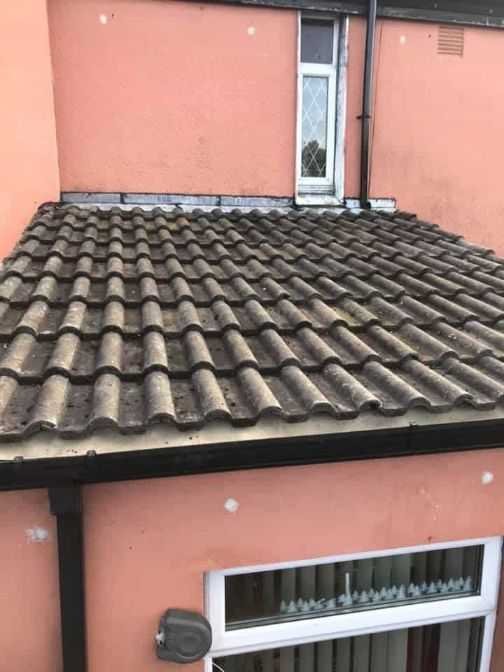
Dublin’s weather can be unforgiving, especially on anything that isn’t nailed down securely. If you have tiles that are missing, cracked, curling, or split, the sensitive underlay and decking beneath are left exposed to the elements.
Strong winds can lift tiles that are even slightly loose, while the constant freeze-thaw cycle in winter can turn tiny cracks into major breaks. You might also spot sandy, grit-like bits in your gutters. That’s actually the protective top layer of your shingles wearing away, leaving them vulnerable to sun damage.
Even a tiny gap can cause big problems. A replacement tile that’s off by as little as 5mm can create enough space for wind-driven rain to find its way into your attic. That’s why the National Roofing Contractors Association recommends getting your roof looked over twice a year to catch these small issues before they let water in.
Common Tile Issues and Potential Costs in Dublin
The weather patterns here in the capital create some very specific risks for our roofs. Tackling them early will always save you money in the long run.
- Missing tiles: Dublin’s gale-force winds are notorious for lifting tiles right off the roof. If you ignore this, the underlay can get saturated with water, leading to bigger problems. Repairs for a section of missing tiles typically run from €300 to €800.
- Cracked shingles: The relentless cycle of heavy rain and sun exposure can be tough on roofing materials, causing them to break down and crack. If left alone, this can eventually lead to needing a full roof replacement, which can start at around €5,000.
- Solution: Emergency Roofers Dublin can source tiles that perfectly match your existing roof, ensuring the repair is not only watertight but looks seamless too.
Checking Your Chimney Flashing
Think of flashing as the waterproof rain jacket for the joints on your roof, especially around chimneys, vents, and skylights. It’s the metal or lead seal that keeps water out of these vulnerable spots, which are the main entry points for leaks in many homes.
When that flashing cracks, rusts, or pulls away from the brickwork, rain can seep directly into your roof’s structure. The constant expansion and contraction from Dublin’s fluctuating weather eventually causes these seals to wear out.
It can be tempting to see a gap and just slap some cement over it, but this is a classic mistake. This kind of amateur patch-up often blocks essential ventilation and ends up trapping moisture inside your attic, causing the timber to rot from the inside out. In fact, poorly sealed or damaged flashing is to blame for up to 40% of all roof leaks. A professional repair from our chimney service experts typically costs between €400 and €800, a worthwhile investment to secure one of the most vulnerable parts of your roof.
Overflowing Gutters
We all know what autumn in Dublin is like; the beautiful colours are quickly followed by a mountain of leaves, and many of them end up right in your gutters. When those gutters get clogged, the rainwater has to go somewhere, and that’s usually up and over the edge.
This overflow soaks directly into the fascia boards, soffits, and the ends of the timber rafters at the edge of your roof. Before you know it, you have dampness leading to rot and decay, allowing water to get behind the guttering and straight into your walls.
The only way to defend against this is with regular maintenance. Simply cleaning out your gutters twice a year can prevent this whole chain reaction of damage and save you anywhere from €500 to €1,000 in timber replacement and leak repairs down the line. Emergency Roofers Dublin offers a professional gutter cleaning service starting from just €150. We can also fit gutter guards to help reduce the chances of future blockages.
Moss, Mold, and Algae on Your Roof
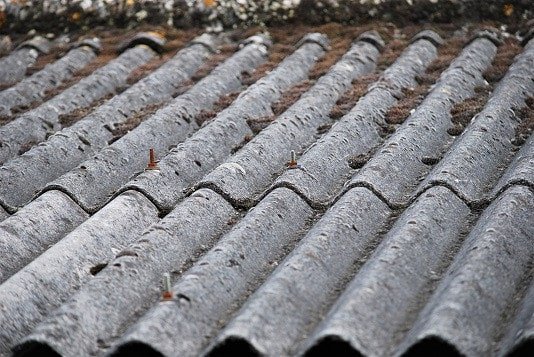
You might think that a green, mossy look on your roof is just part of the Irish charm, but it’s actually more of a threat than a feature. A green roof is not a healthy roof. Moss, algae, and lichens absolutely thrive in our damp, humid climate. This growth isn’t just cosmetic; it acts like a sponge, stubbornly holding moisture right up against your tiles. This constant dampness makes the tiles deteriorate faster, can lift them up, and creates pathways for water to seep underneath.
In coastal areas around Dublin, moss can grow twice as fast because of the extra moisture in the air. Irish storms are responsible for about 70% of major moss problems, as they spread spores and drive dampness deep into the roofing material.
To preserve the life of your roof, you need to have it removed professionally. A removal service from Emergency Roofers Dublin can range from €200 to €400. Investing in that now could save you from structural repairs costing over €1,000 later on.
Roof-Induced Increase in Energy Bills
Often, your heating bill will notice a roof leak long before you do. If you’ve seen an unexplained jump in your heating costs, especially during the cold and wet winter months, it’s a strong sign that your home’s thermal blanket has been compromised. Water from a leak soaks into your attic insulation, and once that insulation is wet, it completely loses its ability to trap heat. This allows all that cozy warmth you’re paying for to escape right through the roof.
This, in turn, forces your boiler to work much harder just to keep your home at a comfortable temperature. A damp, poorly insulated attic can drive up your heating bills by as much as 20%. A home that normally costs €100 a month to heat could see that bill jump to €120 or more, purely because of a leaky roof.
Whenever we carry out a repair service, the Emergency Roofers Dublin team makes it a point to inspect your insulation for any water damage, ensuring your home stays as energy-efficient as possible.
Your roof is your home’s first and most important line of defence against the Irish weather. Ignoring the small signs of wear and tear, whether it’s a damp patch on the ceiling, a single missing tile, or a sudden hike in your heating bills, will inevitably lead to bigger problems, higher costs, and more disruption to your life.
Catching these signs early isn’t about being paranoid; it’s about staying in control and protecting your biggest investment. Emergency Roofers Dublin has the local expertise needed to secure your home. From replacing a few tiles to reinforcing major structural issues, our team is committed to delivering high-quality work that’s built to last in Dublin. Contact us today to schedule an inspection and give yourself the peace of mind that your home will remain safe, dry, and secure.
Frequently Asked Questions
The cost of a roof repair in Dublin can really vary depending on how serious the damage is and what materials are needed. For minor jobs, like fixing a few loose tiles or giving the gutters a good clean, you’re generally looking at between €150 and €400. For more involved work, like repairing a structural sag or replacing a large section of flashing, the cost can range from €500 up to €2,000 or more.
The final price is always affected by labour rates and material costs here in Ireland. A survey of local tradespeople shows that emergency call-outs understandably come at a premium, whereas planned maintenance is always more budget-friendly. Investing in those smaller repairs now is the best way to avoid the need for a full roof replacement, which can easily exceed €10,000.
The only way to get a firm figure is to have a professional take a look. At Emergency Roofers Dublin, we provide clear, transparent quotes so you know exactly what the costs are before any work begins.
It’s completely understandable to want to save money and tackle home repairs yourself. But when it comes to your roof, any job that involves climbing up there is really best left to the professionals. Roofing is a dangerous job, and falling from a height is one of the leading causes of serious injuries during home maintenance. Aside from the obvious safety risks, DIY repairs often don't have the technical know-how needed to create a truly watertight seal.
If you install flashing or tiles incorrectly, you can actually end up trapping water instead of shedding it, making the original leak even worse. It's also worth knowing that home insurance policies in Ireland often have strict clauses about workmanship. An uncertified DIY repair could potentially void your coverage if you have major water damage in the future.
Professional roofers have the right safety equipment and, crucially, the right liability insurance. They also stand over their work with guarantees, offering a level of peace of mind that a DIY fix just can't provide.
In an ideal world, you should have a professional look at your roof twice a year. The general advice from the National Roofing Contractors Association is to schedule one inspection in the spring and another in the autumn. This timing is strategic: the spring check-up lets you spot any damage from harsh winter storms, and the autumn one allows you to clear out debris before the heavy winter rains set in.
Regular inspections are all about catching small problems like cracked tiles or blocked gutters before they have a chance to cause damage inside your home. Given Dublin's climate, with its constant wind and rain, roofing materials can wear out faster than they would in drier places.
Think of it as preventative care for your home. It’s always cheaper and less stressful to fix a minor issue found during an inspection than it is to deal with an emergency leak during a storm.
In our experience, the most common culprits for leaks in Dublin are damaged flashing, missing or cracked tiles, and blocked gutters. The flashing around chimneys and skylights is a natural weak point that breaks down over time due to expansion and contraction. High winds are constantly trying to dislodge tiles, which exposes the vulnerable underlay.
Heavy rainfall quickly turns these small weaknesses into active leaks. In fact, Irish roofing surveys show that 80% of those first mysterious water stains are caused by rain getting in through these very specific defects. And don't underestimate neglected gutters, they cause water to back up and rot the roof from the edges inward.
Focusing on these key areas during maintenance is the most effective way to keep your home dry. Our team pays special attention to these high-risk zones during every inspection we do.
Yes, moss is definitely a functional problem, not just a cosmetic one. It essentially acts like a big sponge, holding water right against the surface of your roof tiles. When winter comes, that trapped water freezes and expands, which can cause tiles to crack and their protective surface to flake off.
Moss roots can also work their way under the tiles, lifting them up just enough to create gaps where wind-driven rain can get in. This is a particular issue in the coastal parts of Dublin, where the damp air helps moss grow quickly, significantly shortening a roof's lifespan if it's not dealt with.
Getting rid of moss properly requires a professional treatment to kill the spores and stop it from growing back. Just scraping it off can damage the tiles, so we recommend a chemical treatment or a gentle soft wash performed by professionals.
If it's well looked after, a good quality slate or tile roof in Ireland can last anywhere from 50 to 70 years. However, its actual lifespan really depends on the quality of the original materials and how consistently it's been maintained. Flat roofs made of felt have a much shorter lifespan, typically around 15 to 20 years.
Dublin's weather, with its combination of strong winds and near-constant rain, puts a lot of stress on all roofing materials. Neglecting small repairs can easily shave decades off a roof's life expectancy.
The secret to a long-lasting roof is regular inspections and fixing problems as soon as they appear. Making smart upgrades, like using modern GRP for valleys, can also help extend the life of an older roof.
One of the most obvious signs of a poor-quality job is visible unevenness in the tiles or shingles. If you look up and the roofline appears wavy or the tiles aren't lined up perfectly, it's a red flag that water won't drain off it correctly.
Another warning sign is seeing an excessive amount of roofing cement or caulk smeared around. When a roofer relies on sealant instead of proper flashing techniques, it suggests they lack the right skills. You should also have a look in your gutters after the job is done; leaving debris behind shows a real lack of care.
A professional, reputable roofer will always leave your property clean and your roof looking neat and uniform. If you have any doubts about a job that's been done, it's worth getting a second opinion from a different professional right away.
You most likely just need a repair if the damage is limited to one or two specific spots, like a single leak around a chimney or a patch of missing tiles from a storm. If your roof is still relatively young and the structure underneath is solid, a targeted repair is usually all that's needed.
A full replacement becomes the necessary option when the roof is showing signs of widespread failure. This includes things like extensive sagging across the roofline, gutters that are constantly full of granules from deteriorating shingles, or leaks showing up in multiple rooms. Also, if your roof is simply getting old and nearing the end of its expected lifespan (over 50 years for slate), a replacement is often the more sensible and economical choice in the long run.
A professional assessment is the best way to know for sure. The team at Emergency Roofers Dublin will always give you honest advice on the most cost-effective, long-term solution for your home.
Ignoring a small leak will, without fail, lead to much bigger and more expensive structural damage. Water is sneaky. It travels and often pools far from where it first got in. It will silently rot your roof trusses, ruin your insulation, and weaken your ceiling joists.
These damp conditions are also the perfect breeding ground for mould, which can create serious health risks for you and your family. The cost of fixing widespread rot and getting rid of a mould infestation is vastly higher than the cost of fixing that initial small leak.
Acting early is absolutely critical. What seems like a small drip today could become a collapsed ceiling tomorrow, especially with the amount of rain we get in Dublin.
Start by looking for a roofing company that has a physical address and a solid history of local reviews. Verified testimonials from other Dublin homeowners can give you a great insight into their reliability and the quality of their work.
Most importantly, make sure the roofer has both public liability insurance and employer’s liability insurance. This is crucial as it protects you from being financially responsible if an accident happens on your property. You should also always ask for a written guarantee on the work they perform.
Emergency Roofers Dublin is a fully insured and reputable local company. We provide clear, detailed contracts, and we always stand by the quality of our repairs.
Roof flashing is a thin material, usually made of galvanized steel or lead, that roofers use to channel water away from the most critical areas of your roof. You'll find it installed anywhere the roof meets a vertical surface, like a wall, a skylight, or a chimney.
Without flashing, rainwater would simply run down the side of your chimney and flow straight into your attic. It's the essential waterproof seal that makes the complex angles and joins of a roof watertight.
Because it handles such a heavy flow of water, damaged flashing is one of the number one causes of leaks. It needs to be checked regularly and repaired by an expert to do its job properly.
Absolutely not. A leak doesn't automatically mean your entire roof is failing. The vast majority of leaks are caused by small, isolated problems, such as a single cracked tile, a nail that has worked its way loose, or a small section of damaged flashing. These can almost always be repaired without having to touch the rest of the roof.
However, if your roof is suffering from multiple leaks in different places, the underlay is rotting, or the tiles themselves are crumbling from old age, then a full replacement might be the safer and more sensible long-term solution.
A professional diagnosis will make the situation clear. Our goal is always to extend the life of your existing roof whenever it is safe and practical for us to do so.