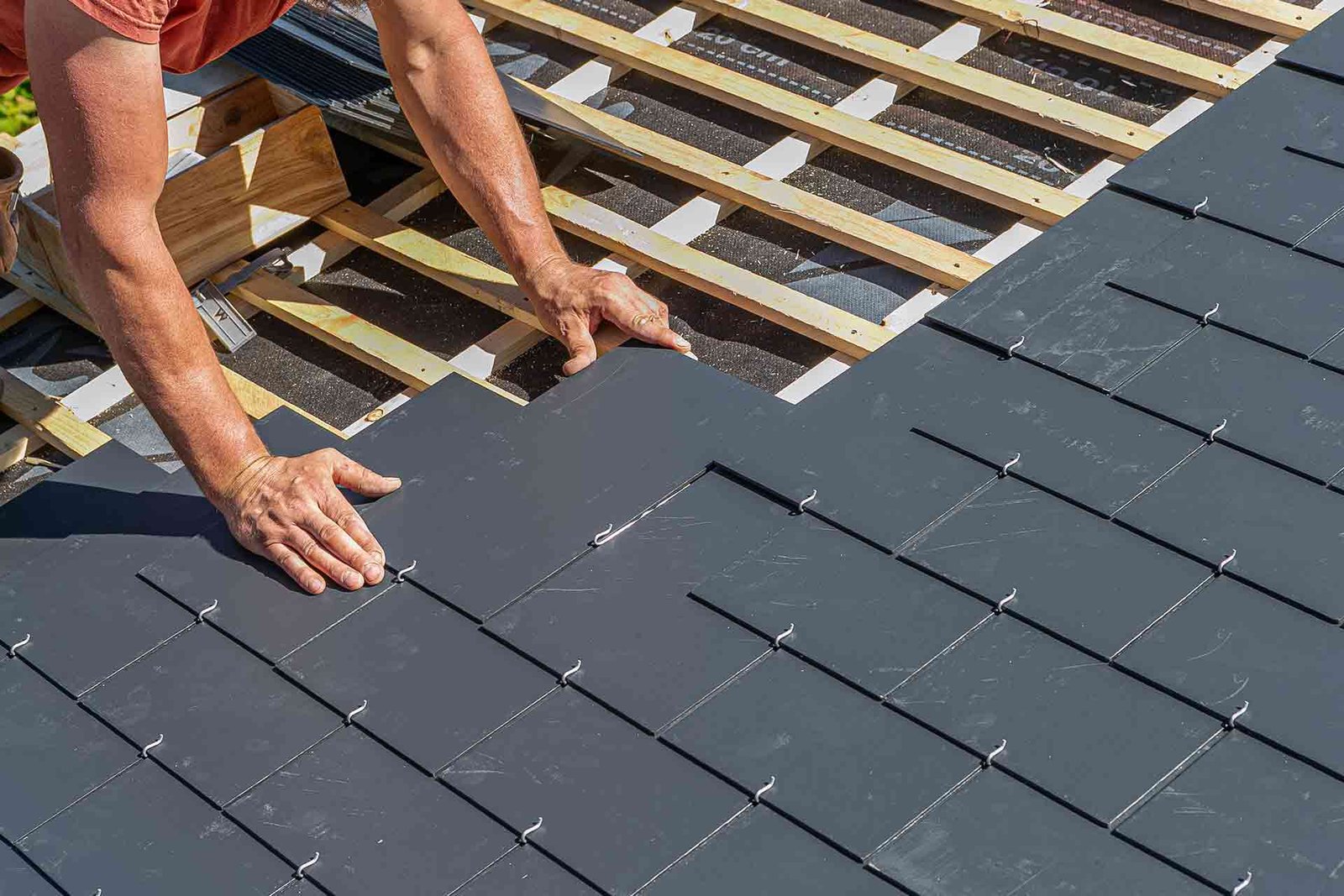
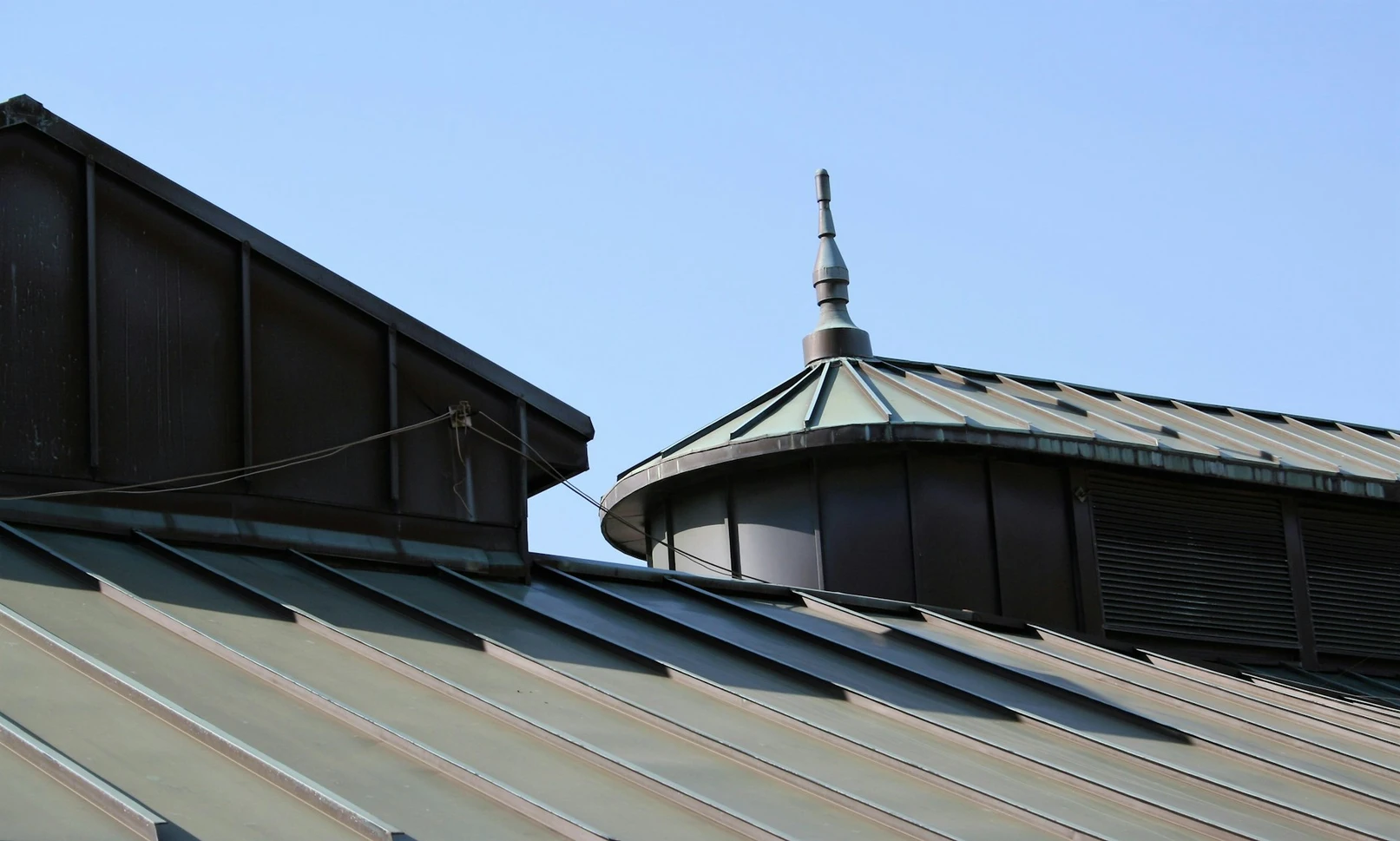
Dublin’s Atlantic weather doesn’t wait for an invitation before it starts testing the weak spots in your home. You hear it first, that relentless drumming of rain against the roof, a sound that can go from cosy to worrying the second you spot a damp patch spreading across your ceiling.
Standing on the driveway, staring up at a roof that’s seen better days, the financial anxiety can hit you harder than the wind. You need to figure out if this is a quick fix or a major project, and fast. Making the wrong call here is expensive, patching up a roof that’s on its last legs is a waste of money, but tearing off a perfectly good one is a tragedy.
Key Points
- A huge difference in cost: A restoration job might cost you a few hundred euros, but a full replacement in Dublin can set you back anywhere from €5,000 to €10,000.
- The 30% rule of thumb: If more than a third of your roof is damaged, replacing it is almost always smarter and more cost-effective than trying to patch it up.
- How long it lasts: A restoration can buy you another 5 to 15 years, while a brand-new roof gives you 40 to 60 years of total peace of mind.
- The Dublin factor: Our local labour rates are higher, and the weather is particularly harsh, pushing roofing costs towards the higher end of the national average.
- Don’t forget the details: Leaks often come from faulty gutters and chimneys, not the main roof itself, so they’re a critical part of any inspection.
Dublin Roof Costs
The financial gulf between saving the roof you have and getting a brand new one is massive. For most Dublin homeowners, the choice comes down to whether your roof just needs a thorough restoration or if it’s time for a complete strip and re-roof.
Looking at the market, a restoration-style repair will often be in the hundreds or low thousands. In contrast, a complete replacement for a typical semi-detached house will usually fall somewhere between €5,000 and €10,000.
It’s a fact that Dublin prices are consistently at the top end of the Irish average. The city’s density means labour rates are higher, and simple logistics like parking a skip or putting up scaffolding on our narrower streets add to the overall cost.
But this is an investment you can’t really avoid in our wet climate, where a watertight roof is your home’s main defence against driving rain and the damaging freeze-thaw cycles of winter. You have to weigh the immediate hit to your bank account against how many years of protection you’re buying.
Comparing Your Options
Getting your head around the trade-off between the upfront cost and how long the solution will last makes the decision a lot clearer.
- Restoration: This path is lighter on your wallet upfront, with costs from €100 to €2,000+. It causes very little disruption to your life at home and can add another 5 to 15 years to your roof’s lifespan. It’s the perfect choice for younger roofs with specific, isolated problems.
- Replacement: This requires a much bigger investment of €5,000–€10,000+ and involves a lot more noise and disruption. However, it secures your home for decades to come. This is the only real option for roofs that are structurally weak or failing across the board.
When A Roof Restoration Is Your Best Bet in Dublin
Opting for a restoration is a smart move when the main structure, the skeleton of your roof, is still in good shape. If the timber trusses aren’t showing any signs of rot or sagging, you can often sidestep the huge expense of a full tear-down.
As a general rule, this approach works best for roofs that are less than 20 to 25 years old, where the damage affects well under 30% of the whole surface. You might be looking at a few slipped slates, a leak that only shows up in a bad storm, or some crumbling mortar on the ridge tiles, but your attic is still dry, and you can’t see any daylight shining through.
Common Dublin Roof Restoration Jobs and Their Costs
Local prices reflect the unique challenges of working on Dublin homes, from old terraced houses in the city to suburban semi-ds. Based on figures from local experts like O’Shea Roofing and Weather Pro Roofing, small repairs are quite affordable, but the price goes up as the job gets more complex.
- Minor Leak Repair & Tile Replacement: Fixing a few slipped slates or plugging a small leak will typically cost between €150 and €500.
- Ridge Tile Re-pointing & Flashing: Securing the tiles at the peak of your roof or fixing the lead flashing that keeps your chimney waterproof usually needs a budget of €500 to €1,500. The cost here is often driven by how difficult it is to get access.
- Partial Roof Restoration: For more comprehensive repairs on just one side or section of the roof, you’re looking at a range of €1,200 to €2,000+.
A well-done restoration by a team like Emergency Roofers Dublin can extend the working life of your roof by as much as 15 years, letting you put off that major expense for a long time.
Telltale Signs You Need a Full Roof Replacement
There comes a point where patching a roof is just throwing good money after bad. Recognising when you’ve reached this financial tipping point can save you from a frustrating cycle of endless repairs that, in the long run, end up costing more than a brand-new roof would have.
The 30% Rule
Professional roofers live by a simple guideline: once the damage covers more than 30% of your roof’s surface, patching it up in bits and pieces just doesn’t make economic sense anymore. As Secure To Roofing points out, once you cross that line, the cost of labour and materials for patching gets dangerously close to the cost of a complete overhaul.
Replacing the roof gives you much better long-term value than constantly chasing leaks across a failing surface. It also gives you the chance to install modern, breathable membranes and much better insulation, which are crucial for keeping Dublin homes warm and energy-efficient.
Think about the maths for a moment. If you’re looking at a quote for €4,000 to €5,000 for widespread repairs on a 40-year-old slate roof, spending that bit extra, say, €7,000 to €9,000, for a full replacement is the more logical choice. You get a new warranty and decades of peace of mind instead of a temporary fix.
Key Indicators and Replacement Costs
Age is the biggest enemy of any roofing material. Most slate roofs are built to last for 40 to 60 years. After that, nails start to rust, slates can become brittle, and the underlying felt begins to break down. If you have structural failure, like sagging rafters or rot in the woodwork, a replacement is non-negotiable and needs to happen right away.
- Full Pitched Roof Replacement: For a standard semi-detached home in Dublin, expect to pay somewhere in the region of €5,000 to €10,000+.
- Flat Roof Replacement: These are usually priced per square metre, generally landing between €80 and €120.
- Structural Rafter Replacement: If the timber beams are rotten, this will add an extra €400 to €800 per rafter to the final bill.
Your Dublin Roofing Checklist
Before you even pick up the phone to call a contractor, it’s a good idea to have a look yourself to get a sense of the scale of the problem. This quick assessment will help you ask the right questions and better understand the quotes you’ll receive.
Assessing Condition and Age
The physical state of your roof will tell you what your next move should be. Start by trying to find out how old it is. If the roof is over 25, problems with tiles and the underlay can start to pop up much more frequently. Then, check how widespread the visible damage is. Are the leaks just in one room, or are damp patches appearing in different parts of the house? Remember that 30% rule, damage all over the place is a strong signal that the roof is nearing the end of its life.
Structural and Efficiency Factors
On a bright day, head up into your attic. If you can see little shafts of sunlight piercing through the roof, it means the felt underneath has failed. Look for water stains on the timber beams or any signs of the roof sagging between the rafters, which points to a structural weakness. A full replacement is also a golden opportunity to improve your home’s energy rating. Upgrading the insulation and ventilation while the work is being done can lead to a big drop in your heating bills, a factor that’s definitely worth including in your long-term budget plans.

Why Gutters and Chimneys Are Critical to Your Dublin Roof's Health
A roof doesn’t work on its own. Especially in our rainy climate, the guttering and chimney systems are essential for keeping your home dry. Blocked or poorly aligned gutters are one of the main reasons water backs up and gets under the eaves, causing rot that looks like a roof failure but is really a drainage problem. In the same way, worn-out lead flashing around the base of the chimney is one of the most common sources of leaks in Irish homes.
Ignoring these areas during roof work is a big mistake. Emergency Roofers Dublin always advises that you get gutter joints repaired and brackets re-secured during any restoration project.
If you’re going for a full replacement, it’s far more cost-effective to replace old PVC gutters and re-flash the chimney while the scaffolding is already up. Tackling these as standalone minor repairs would typically cost you in the €150–€350 range, so bundling them in with the bigger job saves you a lot on labour and access costs.
How We Help You Make the Right Choice
A professional roofer should give you clarity, not more confusion. At Emergency Roofers Dublin, our goal is to take the uncertainty out of the decision-making process. We always start with a thorough inspection, using photographs to show you exactly what we’re seeing from your perspective. We don’t just tell you there’s a problem, we show you the proof.
Our condition report is written in plain English, explaining exactly what percentage of your roof is compromised. We’ll tell you straight whether you’re under that 30% threshold where a repair makes sense, or if you’ve crossed the line into replacement territory.
If it’s a close call, we’ll provide you with two detailed, itemised quotes, one for restoration and one for a full replacement. This lets you compare the costs of labour, materials, and scaffolding side-by-side. We follow Irish building regulations to the letter and are fully insured, so you can be confident that whether you repair or replace, your home is in safe hands.
Commonly Asked Questions
Most small roof repairs in Dublin, like fixing a single leak or replacing a handful of slates, will cost you between €150 and €500. The final price can change depending on how high the roof is and how easy it is for a roofer to get to the problem area.
Prices in Dublin are usually a bit higher than in rural areas because of higher labour rates and logistical costs. Experts like Weather Pro Roofing and O'Shea Roofing note that while a basic fix starts low, a more complex job like repairing flashing or a roof valley can push the cost up towards €1,500.
For a simple leak, you should budget for the lower end of that scale, but always ask for a quote that includes a quick check of the surrounding area to make sure the leak isn't just a symptom of a bigger problem.
A complete roof replacement for a typical semi-detached house in Dublin generally costs between €5,000 and €10,000. If you have a larger detached home or want a more complex slate design, you can expect the cost to be higher.
This price covers everything: stripping off the old roof, putting in new breathable membranes and battens, the new roof covering itself, and disposing of all the old material. Data from sources like D Hennessy Roofing and Roof Cost Calculator Ireland confirms that labour and waste disposal make up a big chunk of this figure.
If you get a quote that’s significantly under €5,000 for a full re-roof, make sure you check the list of materials and their insurance credentials very carefully, as this is well below the standard market rate for quality work.
A repair is always cheaper right now, but a replacement is almost always cheaper over time, especially if your roof is getting old.
The 30% Rule that roofers like Secure To Roofing use is a good guide. It suggests that if more than a third of your roof is damaged, the money you'll spend on ongoing repairs will quickly add up to more than the cost of a new roof. A new roof also adds value to your home and can lower your energy bills thanks to better insulation.
If your roof is over 40 years old and needs more than €2,000 worth of repairs, a replacement is probably the smarter financial move.
A professional roof restoration will typically add another 5 to 15 years to the life of your roof.
This process involves cleaning the roof, repairing the pointing, replacing any broken tiles, and often applying protective coatings. However, in our damp Irish climate, things like moss growth and the constant freezing and thawing in winter can shorten this lifespan if the roof isn't maintained.
Think of restoration as a medium-term solution that lets you delay a major expense, not as a permanent fix for a roof that's reached the end of its natural life.
The most critical signs are a visibly sagging roofline, daylight peeking through into your attic, and leaks that keep showing up in different rooms.
These symptoms point to a structural failure or the complete breakdown of the protective underlay felt. As H Proofing notes, water stains on the inside of your home and rotting timber rafters are absolute red flags that the whole system has failed.
If you see your roof sagging, don't put it off. This is a sign that the timber structure is under serious stress and could be a safety risk.
The 30% rule is a guideline that says if more than a third of your roof needs to be repaired, you should choose a full replacement instead.
Industry experts use this as a benchmark because the labour involved in stripping and fixing large sections is not very efficient compared to just stripping the whole roof at once. It helps ensure you don't spend 70% of the cost of a new roof just to keep an old one going for a few more years.
Ask your roofer to give you an estimate of the damage percentage in their report so you can apply this rule to your own situation.
A standalone roof survey from a professional usually costs between €100 and €300.
Many companies, including our team at Emergency Roofers Dublin, will often waive this fee if you decide to go ahead with the work they recommend. The fee covers the roofer's time and expertise, and often includes using a drone or ladders to get a close look at hard-to-reach spots.
You should never agree to any major work without getting a documented inspection or survey done first.
You can usually claim for sudden damage that was caused by something like a storm or a fallen tree, but not for general wear and tear from age.
Insurance policies are designed to cover unexpected perils like storm damage. They don't cover the gradual decline of a roof due to age or a lack of maintenance. As Roofers Dublin advises, it's a good idea to take photos and document any damage immediately after a storm to help support your claim.
Before you call your insurer, have a look at your policy and check the wording around "acts of God" versus "general maintenance."
A full, professional service includes everything: erecting scaffolding, stripping off all the old materials, checking the timber structure, installing new felt and battens, laying the new tiles or slates, and removing all the waste.
It’s a complete construction project from start to finish. Roof Cost Calculator highlights that any modern replacement should also include upgrading to a breathable membrane to meet current building standards.
Make sure that waste disposal (like skip hire) is clearly listed in your quote to avoid any hidden charges at the end of the job.
Natural slate roofs are incredibly durable and can last 80 to 100 years or even more. The more common artificial fibre cement slates typically have a lifespan of 40 to 60 years.
Dublin's slate roofs stand up well to the weather, but they can be vulnerable to nail sickness, which is when the nails holding the slates rust through. This can cause slates to slip and fall, even if the slate itself is still in perfect condition.
If you have a historic home with a natural slate roof, you can ask about re-slating. This is where the old slates are carefully removed and then put back on with new nails and a new underlay, which is a cheaper and more environmentally friendly option.
Your chimney and gutters are your roof's main water management systems. If they fail, water gets into the roof structure and your home.
A huge percentage of calls about roof leaks are actually caused by defective flashing around a chimney or by blocked gutters. As we at Emergency Roofers Dublin always point out, keeping your gutters clear and flowing freely stops water from backing up and getting in underneath your roof tiles.
Make sure to include gutter cleaning and a check of your chimney flashing in your annual home maintenance routine to prevent costly water damage.
Yes, a new roof absolutely increases your home's market appeal and can give its value a real boost.
Potential buyers see a new roof as a huge expense they won't have to worry about for decades, which makes your house much more attractive and sellable. If you upgrade the insulation at the same time, it will also improve your home's Building Energy Rating (BER).
If you're thinking of selling anytime soon, a new roof can offer a great return on your investment by preventing buyers from making low offers based on "future repair costs."
A repair fixes one specific problem, like a single leak. A restoration is a much bigger job that rejuvenates the entire roof surface to make it last longer.
Restoration involves a full clean-down, treating the surface, and repairing wear and tear across the whole area to improve both its appearance and its durability. A repair is reactive; a restoration is a form of preventative maintenance.
You should choose restoration if your roof is generally in good condition but is starting to look tired or has minor, widespread signs of wear.