Most people don’t think much about fascias and soffits until something goes wrong. Then suddenly, that “little strip of plastic under the roof” becomes the thing standing between your home and some very expensive water damage.
In Ireland, where driving rain, salty coastal winds, and damp winters put our homes to the test, fascias and soffits aren’t just finishing touches: they’re frontline defenders. PVC has quickly become the go-to choice because it’s durable, low-maintenance, and, let’s be honest, doesn’t make you climb up a ladder with a paintbrush every two years.
But here’s the real question on most homeowners’ minds: How much should you expect to pay for PVC fascia and soffit installation in Ireland? And equally important: how do you know you’re getting fair value without compromising on quality?
This guide breaks it all down: prices, what drives those costs up or down, what you should expect from a professional installation, and how to avoid costly mistakes.
What Are Fascias And Soffits?
Before we dive into costs, let’s clear up what these parts of your roof actually do.
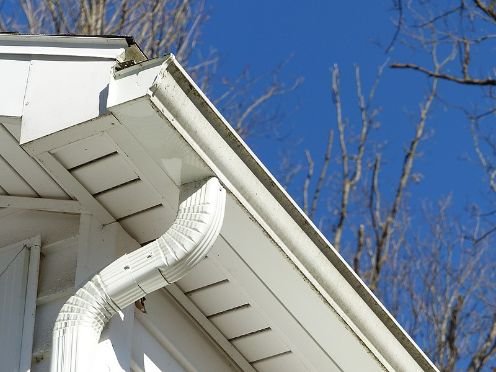
- Fascia boards sit at the edge of your roof, running horizontally just below the tiles. They hold the guttering in place and create a neat finish. Think of the fascia as the sturdy backbone supporting both looks and function.
- Soffits are the boards tucked underneath the fascia, bridging the gap between the roof edge and your wall. They’re often vented to allow airflow, preventing dampness and rot in the roof structure.
Together, they:
- Protect your rafters and roofline from rain, wind, and pests
- Support gutters that channel away thousands of litres of Irish rainfall each year
- Create a clean, attractive finish that boosts kerb appeal
Skip them, or let old timber ones rot, and you’ll end up with waterlogged rafters, sagging gutters, or worse, hidden damp spreading through your home.
Why PVC Is The Irish Favourite
Once upon a time, timber fascias and soffits were the standard. They looked lovely… for about a year. Then they demanded endless coats of paint, warping repairs, and rot replacements. Irish weather simply chews through wood.
PVC changed the game:
- Weatherproof – No rotting, swelling, or peeling in the rain.
- Maintenance-free – Wipe down with a cloth once in a while, no painting needed.
- Durable – Properly installed, PVC can last 20 – 30 years.
- Affordable – Costs less upfront and long-term than timber.
- Variety – Available in white, black, grey, oak-effect, and other finishes.
That’s why PVC is now the smart, cost-effective choice for most Irish homes.
Average PVC Fascia And Soffit Prices In Ireland
Here’s the answer you came for. While every project is unique, these are the general price ranges you can expect in Ireland.
- Small semi-detached house (front and back only): €1,200 – €1,800
- Average 3-bed semi-detached (all sides): €2,000 – €3,000
- Larger detached homes: €3,000 – €5,000+
That’s supply and installation, including removal of old timber boards (if needed) and fitting gutters.
Cost Per Metre
For those who like the details, professional roofline installers often price work per linear metre:
- PVC fascia and soffit (supply & fit): €50 – €70 per metre
- Guttering included: €60 – €85 per metre
So if your house has, say, 40 metres of roofline, you’re looking at around €2,400 – €3,400.
What Affects The Price?
Like most building work, the final price depends on more than just “house size”. Let’s break it down:
- House type & roofline length
- Detached homes naturally cost more than semis or terraces.
- Complex roof shapes with lots of corners increase labour time.
- Condition of existing fascias/rafters
- If the old timber is rotted, extra carpentry work may be needed.
- This can add anywhere from €200 – €800 to the job.
- Choice of finish
- Standard white PVC is cheapest.
- Colours like anthracite grey or woodgrain-effect cost 10 – 20% more.
- Access requirements
- Bungalows are cheaper (easy ladder access).
- Two-storey homes or houses needing scaffolding increase costs by €400 – €1,000.
- Guttering replacement
- Adding new gutters and downpipes alongside fascia/soffit replacement will increase total costs but usually saves money long-term.
The Hidden Costs (And How To Avoid Them)
One mistake homeowners make is assuming the lowest quote is best. But beware:
- Cheap PVC boards – Thin, flimsy boards can crack or sag within years. Stick with reputable brands.
- Cover boards over rotten timber – Some installers just nail thin PVC over existing rotten timber. This hides the problem instead of fixing it, leading to expensive repairs later.
- No ventilation – Proper airflow prevents damp. Ventilation strips or vented soffits are a must.
- Unqualified installers – If the job isn’t watertight, you’ll be paying twice.
Pro tip: Always ask:
- Are the old boards being fully removed?
- What brand and thickness of PVC is being used?
- Is ventilation included?
- Will gutters and downpipes be aligned correctly?
How To Spot A Fair Quote
Here’s what a professional fascia and soffit quote in Ireland should include:
- Full removal of existing boards
- Supply and fitting of new PVC fascia, soffit, and venting
- Gutter and downpipe replacement or alignment
- Scaffolding or safe access included
- Waste removal and site clean-up
- Labour and product warranty (ideally 10+ years)
If a quote is vague or suspiciously cheap, ask questions until you’re confident.
PVC Vs Alternatives: Is It Worth It?
Some homeowners ask whether aluminium, fibre cement, or even traditional timber are worth considering. Here’s the truth:
- Timber – Beautiful but high-maintenance and short-lived in Irish weather.
- Aluminium – Strong and sleek, but 2 – 3 times the cost of PVC.
- Fibre cement/composite – Durable but more expensive and less common in Ireland.
For the vast majority of Irish homes, PVC strikes the best balance of cost, durability, and aesthetics.
Long-Term Value
Here’s where many homeowners trip up: chasing the lowest upfront cost. But roofline replacements are something you should only need to do once in 20 – 30 years.
Investing in quality PVC and skilled installers means:
- No ladders, paintbrushes, or weekend DIY battles
- Gutters that stay straight, preventing damp walls and foundations
- Roof timbers protected from rot and pests
- A cleaner, sharper look that boosts kerb appeal and resale value
Over two decades, spending €2,500 today for a durable, maintenance-free roofline is far cheaper than spending €1,500 on a quick job that needs redoing in 6 years.
How To Choose The Right Installer
You want peace of mind, not a cowboy job. Here’s a quick checklist when hiring:
- Experience – Ask how long they’ve been fitting PVC roofline systems.
- Portfolio – Look at photos of recent work.
- References – A reputable installer won’t hesitate to share past customer contacts.
- Insurance – Make sure they have public liability insurance.
- Warranty – At least 10 years on both product and labour.
And don’t underestimate your gut instinct. If someone seems pushy, vague, or “too cheap to be true”, walk away.
The Irish Weather Factor
Let’s not forget where we live. Between the Atlantic storms, coastal salt air, and endless drizzle, Irish homes take a beating.
PVC fascias and soffits stand up well, but you should still:
- Have gutters cleared yearly (especially with nearby trees).
- Inspect for blockages, cracks, or sagging after big storms.
- Get minor issues fixed before they turn into big ones.
This small bit of upkeep helps your investment last decades.
A Touch Of Style: Colour And Design Options
Gone are the days when fascias and soffits only came in basic white. In 2025, you can choose:
- Classic white – Timeless, clean, and cheapest option.
- Black – Striking, works well with red brick or render.
- Anthracite grey – Modern, perfect for contemporary homes.
- Woodgrain effect (oak, rosewood, mahogany) – Adds character without the hassle of timber.
Colour choices can influence the overall look of your home and even its value. Just be aware: darker colours may cost slightly more.
Your fascia and soffits might not be glamorous, but they’re essential. Get them wrong, and water finds its way into places it should never be. Get them right with PVC, and you’ve bought yourself decades of protection, low maintenance, and a sharper-looking home.
So when weighing up PVC fascia and soffit prices in Ireland, remember:
- Pay for quality materials and skilled installers.
- Don’t fall for suspiciously cheap quotes.
- Think of it as a 20 – 30 year investment in your home’s protection and kerb appeal.
If your roofline is showing its age, don’t wait for the next storm to remind you why those boards matter. Call a trusted installer, get a fair quote, and invest once, properly, in your home’s defence. Because in Ireland, the rain doesn’t take a break… and neither should your roofline.
Frequently Asked Questions
For most 3-bed semi-detached houses, expect €2,000 – €3,000 including supply, fitting, and gutter replacement. Smaller homes may cost €1,200 – €1,800, while large detached properties can reach €5,000+. The final cost depends on house size, roof complexity, access, and material choice.
Not always, but it’s often recommended. Gutters are attached directly to the fascia, so replacing both ensures a neat, watertight finish. Old gutters on new fascias can cause leaks or alignment issues. Bundling both together usually saves money long-term.
Quality PVC can last 20 – 30 years in Irish weather. Proper ventilation, secure guttering, and annual maintenance (like clearing leaves) help maximise lifespan.
This is a common but risky shortcut. Cover boards only hide rot instead of fixing it. Over time, the timber underneath continues to deteriorate, and you could end up with sagging gutters or hidden damp damage. Full replacement is always the safer option.
They’re low-maintenance but not zero-maintenance. You’ll need to:
- Wipe them down occasionally to keep them looking sharp
- Clear gutters yearly to avoid blockages
- Check for storm damage after heavy winds or rain
That’s it, no repainting or sanding required.
Yes. Standard white PVC is cheapest. Black, grey, or woodgrain finishes cost about 10 – 20% more but can dramatically enhance kerb appeal. For many homeowners, that small extra cost pays off in resale value.
For an average semi-detached home, 2 – 4 days is typical. Bungalows are quicker due to easier access, while large two-storey homes with scaffolding may take 4 – 6 days depending on weather.
Yes. Vented soffits or ventilation strips are vital. Without proper airflow, condensation builds in the roof space, leading to rot, mould, and insulation damage. Make sure ventilation is included in your installer’s quote.
Not always. Single-storey houses can often be done safely from ladders. But for two-storey homes or properties with difficult access, scaffolding may be required. It adds cost (€400 – €1,000) but ensures safety and quality workmanship.
High-quality PVC is UV-resistant and designed to hold its colour for decades. White stays bright, and coloured boards maintain their finish with minimal fading. Cheaper, thin PVC boards are more likely to yellow or warp.
Signs to look for:
- Peeling paint or flaking timber
- Rotting or soft wood when pressed
- Leaks or overflowing gutters
- Wasps, birds, or rodents nesting in gaps
- Visible damp patches near roof edges
If you notice these, it’s time to get a professional inspection.
PVC isn’t biodegradable, but high-quality products are designed to last decades, reducing waste. Many Irish suppliers now offer recyclable PVC options. Compared to repeatedly replacing and painting timber, PVC can actually be more sustainable over its lifespan.
Technically, yes, if you’re handy on ladders, comfortable with power tools, and know how to align gutters. But for most homeowners, the risk isn’t worth it. Improper fitting can cause leaks, poor ventilation, and dangerous falls. Hiring a professional is safer and ensures a long-lasting job.