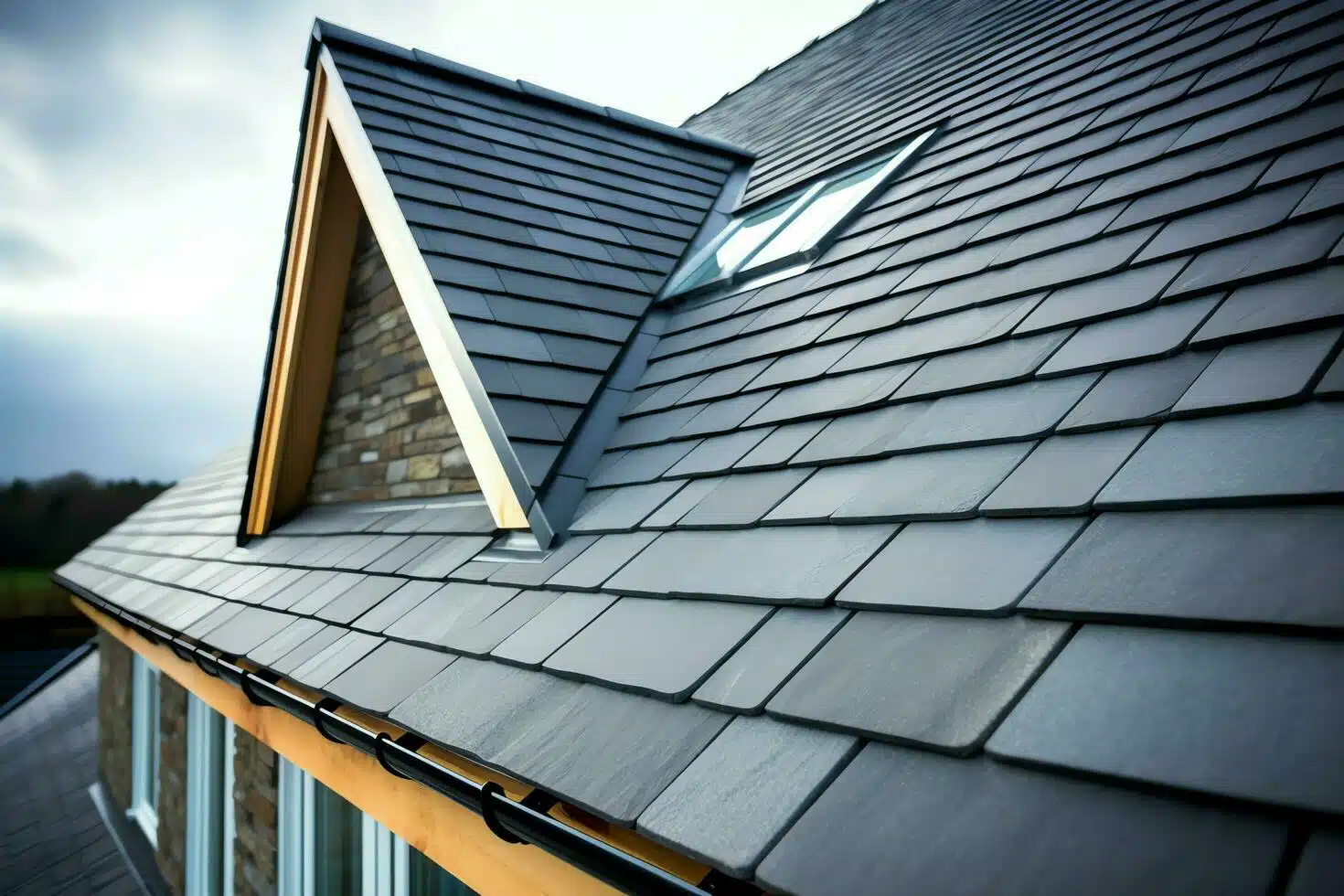
The familiar drumming of rain against the windowpanes is a sound every Dubliner knows well. It’s the soundtrack to our seasons, a constant, gentle reminder that the shield over your head is the most important part of your home. When you walk past the grand Georgian terraces in Merrion Square or the proud Victorian homes in Rathmines, you’re looking at roofs that have faced down this wild Atlantic weather for a century or more. They all have one thing in common: they are crowned with natural slate.
Salient Points
- In Dublin, a professionally installed natural slate roof can be expected to last between 75 and 100 years, and often longer.
- Slate dramatically outlasts asphalt roofing, often surviving for the equivalent of three lifecycles of cheaper materials.
- The origin of the slate matters greatly; high-quality Welsh slate can last well over a century, while lower-grade imports might fail much sooner.
- Regular check-ups from a professional are key to catching issues like slipped slates before water has a chance to get in.
- As a rule of thumb, replacement becomes more cost-effective than ongoing repairs once 20-30% of the roof is showing signs of failure.
How a Slate Roof Outlasts Other Materials in the Irish Climate
Think of a well-installed natural slate roof not just as a covering, but as a permanent part of your home’s structure, typically lasting 75–100 years or even more. The secret to its incredible lifespan lies in how it was made. Slate is a metamorphic rock, born from intense heat and pressure deep within the earth, a process that makes it incredibly dense and almost completely waterproof. This gives it a natural superpower against the specific challenges our capital city throws at it. Here in Dublin, where our roofs face a constant battle with rain, coastal winds, frost, and even summer UV rays, slate’s resilience is what makes it the champion of roofing materials.
While slate stands strong, other materials simply can’t keep up. The sun’s UV radiation can make asphalt shingles brittle and cracked, and the endless cycle of warming and cooling that defines our weather can cause synthetic tiles to expand and contract until they break. Slate, on the other hand, simply endures.
To put it in perspective, a homeowner might have to replace an entire asphalt roof two or even three times in 60 years. In that same timeframe, a single, quality slate installation would still have decades of life left in it. It’s the difference between a temporary cover and a permanent shield.
Lifespan Comparison
The difference in durability becomes crystal clear when you look at the numbers. While the initial investment for slate is higher, the cost-per-year plummets when you realise you won’t be paying for constant replacements like you would with other materials.
- Natural Slate: 75–100+ years
- Metal Roofing: 40–60 years
- Asphalt Shingles & Similar Roofs: 15–30 years
Why Not All Slate Roofs Reach 100 Years
A lifespan of a century is absolutely possible, but it’s not automatic. The maximum lifespan of a slate roof depends on several crucial factors, and as the old saying goes, a roof is only as strong as its weakest link. If you use cheap nails that rust through in ten years, the beautiful slate they’re holding will slip, no matter how good it is.
The Quality of the Slate Itself
Where your slate comes from is everything. High-quality tectonic slates sourced from renowned quarry regions like Spain and Wales have far better durability than their budget-friendly, poor-grade counterparts. A slate that contains high levels of pyrites (iron) will eventually rust, causing ugly streaks down your roof before the slate itself starts to crumble. Sourcing certified, high-grade stone is the very first step to ensuring a long life for your roof.
The Standard of Installation
Even the best slate in the world is useless if it’s not installed with skill and precision. Correct installation is an art form, involving proper fixing techniques, precise overlaps, sturdy battening, and adequate ventilation. For instance, if the headlap (the part of the slate that is covered by the slate two rows above it) isn’t enough, the wind-driven rain rolling in from the Irish Sea will find its way underneath. Poor workmanship can easily cut the lifespan of a perfect roof in half. At Emergency Roofers Dublin, we can assess both the quality of your slate and the standard of the installation to make sure everything is working together as it should.
The Impact of Dublin’s Weather
Our beloved Dublin climate, with its endless rain, gusting coastal winds, and recurring freeze-thaw cycles, puts constant pressure on every slate and its fixing. Water has a peculiar habit of expanding when it freezes. If moisture gets between the layers of a low-quality slate, this cycle will act like a tiny wedge, slowly prying the layers apart until the face flakes off. This is why good detailing during installation and regular checks are so important to counter the weather’s effects.
The Importance of Maintenance
While it is famously low-maintenance, a slate roof is not ‘no-maintenance’. Think of it like a classic car; it’s built to last, but it still needs a little attention to reach its full potential. Periodic inspections, gentle cleaning of moss and algae, and addressing minor repairs are all essential for helping your roof sail past the 75-year mark and on towards 100. We recommend a professional inspection every 1–2 years, and always after a severe Atlantic storm, to keep everything in perfect order.
Roof Pitch and Design Complexity
Slate loves a steep roof. The sharper the angle, the faster water can run off, which is exactly what you want. If a roof’s pitch is too low, water can linger, increasing the chance of it being drawn upwards between the slates through capillary action. Similarly, more complex roof designs, those with features like valleys, dormers, and multiple chimneys, create more junctions and potential weak spots that require more frequent and careful inspection.
A Guide to Slate Types and Their Longevity in Ireland
The kind of slate you choose will have the single biggest impact on your roof’s lifespan. At Emergency Roofers Dublin, we can walk you through the best options for your home based on your budget, the building’s structure, and any local planning rules. Not all rock is created equal, and knowing the difference is the key to protecting your investment.
Welsh Slate
Often called the Rolls-Royce of roofing slate, Penrhyn Welsh slate is considered one of the best in the world. You can confidently expect it to last for more than 100 years with very little maintenance. Its incredible density and legendary colour stability are why you see it on so many of Dublin’s most important heritage buildings, still looking beautiful and performing perfectly after a century of service.
Spanish Slate
As the world’s largest producer of roofing slate, Spain offers a huge variety of options that are widely available in Dublin. However, this also means the quality can vary dramatically. Top-end Spanish products come very close to Welsh slate in performance, but cheaper alternatives can have a much shorter life expectancy. Premium slates like Cupa Heavy 3 are an excellent choice, but homeowners should be cautious of bargain Spanish slate, which may contain hidden impurities that can weaken the tile over time.
Chinese Slate
This is often a tempting budget option, but it rarely offers the same long-term durability as good Spanish or Welsh slate. It generally doesn’t match the quality of even average Spanish slate and can suffer from fading colour and becoming brittle over the years. The money saved upfront is often lost when the roof needs major repairs or a full replacement decades earlier than you’d expect.
Reclaimed Slate
A wonderful, sustainable choice that’s full of character, reclaimed slate involves reusing slates from older Irish roofs. As long as they are carefully selected and checked for cracks, delamination, and damage around the nail holes, many of these slates have decades of life left in them. This is often the perfect choice for extensions on period properties, ensuring the new roof blends seamlessly and beautifully with the old one.
Is a Slate Roof Worth the Investment in Dublin?
There’s no hiding it: a slate roof costs more upfront than materials like asphalt or fibreglass. However, the financial picture changes completely when you start to think of your property as a long-term asset. While the initial bill is higher, slate’s incredible lifespan of 75-100+ years means the cost per year of service is often much lower in the long run.
Let’s play the long game for a moment. Over a 60-year period, you install a slate roof once. With an asphalt roof, you are likely paying for two full replacements and dealing with multiple repairs within that same window. Slate is also naturally resistant to fire, rot, and insects, which further reduces the lifetime cost of ownership.
Enhancing Your Dublin Property’s Value
The timeless, classic beauty of a natural slate roof seriously boosts a home’s kerb appeal and can increase its value by as much as 15%. In Dublin’s competitive property market, especially in established neighbourhoods, a slate roof is a powerful signal of quality to a potential buyer. It offers peace of mind, removing the fear of having to spend a huge amount of money on a new roof shortly after moving in.
How to Maximize Your Slate Roof's Lifespan
A little bit of proactive care goes an incredibly long way in ensuring your slate roof not only reaches but exceeds its 100-year potential. If you neglect small issues, they can grow into much bigger, more expensive structural problems. The number one rule of slate roof care: leave the walking to the professionals. Your own weight can easily crack the tiles, so it’s best to rely on experts like Emergency Roofers Dublin for any work that needs to be done up top.
Your Dublin Slate Roof Checklist
- Regular Inspections: Get into the habit of looking up at your roof from the ground, especially after big storms. We recommend arranging a professional, up-close inspection at least twice a year (spring and autumn are ideal times) to check for any cracked or slipped tiles and to ensure the flashings are secure.
- Clean Debris, Moss, and Algae: Things like moss and algae can act like a sponge, trapping moisture against the slate. This can speed up damage during our freeze-thaw cycles. A professional cleaning with a soft brush is the safest way to handle this.
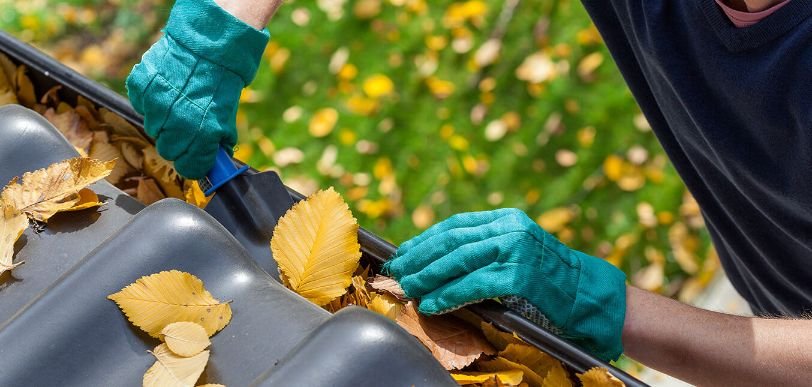
- Maintain Gutters and Valleys: Keeping your gutters clear is crucial. It ensures water drains away from your house properly and doesn’t get a chance to back up under the slates. Simple tasks like clearing out leaves and moss can prevent major moisture problems and add years to your roof’s life.
Warning Signs That Your Slate Roof Needs Urgent Attention
It’s important to keep an eye out for specific signs of trouble. From the ground, look for any slates that are obviously cracked, missing, or have slipped out of place. Inside your home, water stains on the ceilings or damp patches in the attic are red flags telling you it’s time to call a professional roofer for an urgent inspection. Waiting allows water to seep in and rot the timber battens underneath, turning what could have been a simple slate replacement into a much more complex structural repair.
Repair or Replace?
Trying to decide between patching up your roof and replacing the whole thing is a major financial decision. An experienced roofer from Emergency Roofers Dublin can give you a full survey and a detailed condition report, providing the clear, honest advice you need to make the right choice based on the roof’s overall health.
When to Repair Your Slate Roof
Repair is almost always the most sensible and cost-effective option when the damage is isolated to one area. For example, if a storm has cracked or dislodged a small number of slates on a 40-year-old roof, but the underlying timbers are still in good shape, a targeted repair is the perfect solution. It restores the roof’s integrity without the expense of a full replacement.
When to Consider a Full Roof Replacement
Replacement becomes the smarter long-term choice when you’re facing widespread failure. This could mean large areas where the slates are flaking, delaminating, or crumbling. If the original nails have corroded, causing slates to slip frequently all over the roof, or if you’re dealing with persistent leaks despite several repairs, a full re-roof is often more economical. As a general guide, if more than 20-30% of the slates on your roof are failing, a replacement offers far better value than endlessly chasing leaks.
The Environmental and Heritage Case for Slate Roofing in Dublin
Slate is a completely natural material, taken from the earth with far less processing than synthetic alternatives. Its extraordinarily long life makes it a genuinely environmentally friendly choice. One slate roof can easily outlast several generations of other roofing materials, which drastically reduces the amount of construction waste going to landfill and the energy consumed in manufacturing and installing multiple replacements.
Preserving Dublin's Architectural Heritage
All across Dublin, from the elegant Victorian terraces to charming period homes, slate is a defining architectural feature. When a roof on one of these buildings is failing, replacing it with like-for-like materials is crucial for preserving its character and is often a requirement in designated conservation areas. Reclaimed slate is frequently used on these projects, giving beautiful, historic material a second life. Emergency Roofers Dublin can help you select slates that meet all heritage and conservation standards, ensuring your home remains true to its history.
Why choose Emergency Roofer Dublin for Your Roof
A natural slate roof is so much more than a structural necessity; it’s a legacy investment, a promise that your home will be safe from the elements for generations to come. With a lifespan that can easily exceed a century, it offers a blend of unrivaled durability and timeless beauty that no other material can match. However, that longevity isn’t guaranteed; it is built on a foundation of quality materials, expert installation, and consistent, thoughtful maintenance.
At Emergency Roofers Dublin, we specialize in helping your roof live its longest, healthiest life, whether through a precise repair or a full, heritage-grade replacement. If you want to ensure your roof is ready to stand the test of time, trust the experts who know Dublin weather best. Contact Emergency Roofers Dublin today for a comprehensive survey and secure your home’s future.
Frequently Asked Questions
You can genuinely expect a well-installed, high-quality slate roof in Ireland to last between 75 and 100 years. Because slate is a dense, metamorphic rock, it’s built to withstand the constant rain and freeze-thaw cycles of the Irish climate much better than more porous materials.
However, its lifespan also depends heavily on its fixings, the nails and battens holding it in place. While the slate itself might last a century, older roofs often used galvanized nails that can rust and fail after 50-60 years. This leads to nail sickness, where perfectly good slates slip out of place. Modern installations using copper or stainless steel nails ensure the fixings last as long as the slate itself.
The easiest thing to spot from the ground is slipped or missing slates, which usually means the fixing nails have failed. You might also see delamination, where the surface of the slate starts to peel or flake away in layers, a sign that the stone is absorbing water and breaking down.
Inside your home, the best place to check is the attic. Look for any slivers of daylight coming through the roof, or for damp patches on the timber rafters. Even a small amount of moisture can be a sign that the waterproof membrane under the slate is failing, even if the slates look fine from the outside.
In the short term, repairing is cheaper if the problem is limited to a small area, like replacing a few tiles after a storm. If less than 20% of your roof is affected and the underlying structure is sound, targeted repairs make the most financial sense.
However, if your roof has widespread issues like nail sickness or crumbling slates all over, constant repairs become a false economy. Think of it like this: if you have one flat tyre, you fix it. If all four tyres are bald and the engine is smoking, you start looking for a new car. Chasing leaks on a failing roof often costs more over 5-10 years than a single replacement, and it never solves the root problem.
The cost of a new slate roof can vary quite a bit, depending on the quality of the slate you choose (Chinese vs. Spanish vs. Welsh) and how complex your roof’s shape is. Slate is a premium material, so it will cost more upfront than asphalt or concrete tiles, often ranging from €70 to €120+ per square metre for materials and labour, though these prices can change.
It's vital to get a detailed quote that covers everything: stripping the old roof, installing new breathable membranes and battens, and disposing of the waste. While the initial number might seem high, the cost per year over a 100-year lifespan often makes slate a more economical choice than materials you have to replace every 30 years.
Welsh slate, particularly from the Penrhyn quarry, is widely seen as the gold standard. It's famous for its durability, often lasting well over 100 years with almost no colour fading. It’s denser and has fewer natural impurities, making it the top choice for Dublin's heritage buildings.
Spanish slate is more common and generally more affordable. High-grade Spanish slate (like Cupa Heavy 3) is an excellent material that performs almost as well as its Welsh rival. The catch is that lower-grade Spanish slate can contain iron pyrites, which can rust over time and cause the slate to discolour or crack.
Yes, absolutely. A natural slate roof can significantly increase a property's value, sometimes by as much as 15%. In Dublin's established neighbourhoods, buyers see a slate roof as a sign of quality, structural integrity, and, importantly, no big roofing bills in their near future.
For period homes, it’s even more critical. Maintaining the original slate look is essential for kerb appeal. Replacing the slate on a Victorian terrace with modern concrete tiles can actually lower the home's value by disrupting its architectural character.
It’s a good idea to have a professional look at your roof every 1 to 2 years. The best times are in the autumn to prepare for the winter storm season, and in the spring to check for any damage that might have occurred. Regular checks can spot small problems like a cracked slate before they turn into a major leak.
On top of that, an inspection is essential after any severe storm. High winds can loosen slates without blowing them off completely, and these are the ones that will cause problems in the next gale if they’re not secured.
Interestingly, the most common issue isn't with the slate itself, but with the fixings. Nail sickness, where old iron nails rust and snap, is a major cause of slates sliding out of place. This is a frequent problem in roofs installed before copper or stainless steel nails became standard.
Another common issue is simply broken slates, often caused by someone walking on the roof improperly (like a satellite dish installer) or by falling debris. Once a slate breaks, the roof is no longer watertight in that spot, which can lead to the timber battens underneath rotting.
No, you should never walk on a slate roof unless you are a trained professional using the correct safety equipment like roof ladders. Slate is strong against the weather, but it’s brittle underfoot. The weight of a person can easily snap a tile, causing expensive damage.
It's also incredibly dangerous. Slate is very slippery, especially when it’s damp or has algae on it. Any inspections should be done safely from the ground with binoculars, from a ladder at the edge of the roof, or by a professional using a drone.
Slate is an outstanding choice for Dublin's climate precisely because it has an extremely low water absorption rate (less than 0.4%). Unlike concrete or clay tiles that can soak up water and crack when it freezes, slate is naturally waterproof.
This quality makes it highly resistant to frost damage and the growth of moss and algae, two of the biggest issues in Ireland’s damp environment. It’s designed to shed water quickly, making it a perfect match for the steep-pitched roofs built to handle our heavy rainfall.
A slate roof works because of a clever double-lap system, where each slate is covered by the two slates in the rows above it, creating a waterproof barrier. If the headlap, the amount of overlap, is calculated incorrectly for the roof's pitch, strong winds can drive rain up and under the slates, causing leaks.
A professional installer also knows to grade the slates (sort them by thickness) before laying them. If thick and thin slates are mixed together, they won't lie flat. This creates gaps that make the roof vulnerable to wind and rain.
Moss acts like a sponge, trapping moisture right against the surface of the slates. In winter, that trapped water freezes and expands, which can slowly chip away at the edges of the slate or even cause it to crack over time.
Thick patches of moss can also block the natural channels that guide water down the roof. This can force rainwater to move sideways and seep under the slates. Eventually, big clumps of moss can fall off and clog your gutters, leading to a whole new set of overflow problems.