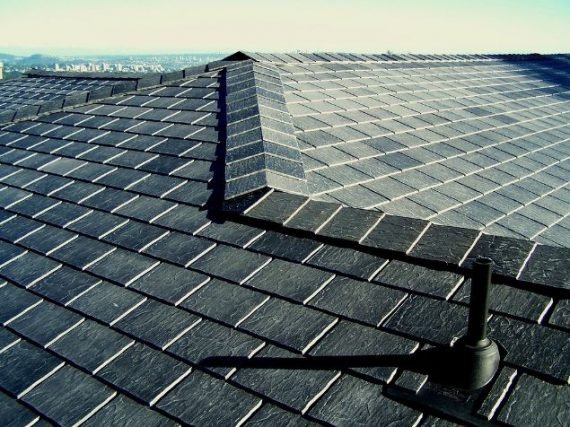
When you walk past the grand Georgian terraces of Merrion Square or the charming Victorian red-bricks of Rathmines, you’re not just seeing architecture. You are witnessing a legacy of craftsmanship, a story that has withstood revolutions, fierce storms, and centuries of city life. To own one of these properties is to become a steward of that history.
The slate tiles shimmering above your head aren’t just there to keep the rain out, they are the very soul of the building, defining its character and the entire streetscape. But these roofs, so essential and beautiful, are also the most exposed and vulnerable part of your home. Preserving them means shifting your thinking from quick fixes to thoughtful conservation.
Important Notes
- Simple, preventative repairs costing a few hundred euros can spare you from tens of thousands in devastating structural damage down the line.
- Natural slate, iron nails, and historic timber behave very differently from modern materials. Understanding them is the first step to caring for them properly.
- Making unauthorised changes to a Protected Structure isn’t just illegal, it can devalue your property and land you in serious legal trouble.
- Many of Dublin’s traditional roofs have a central valley gutter, a notorious weak spot that can block and cause catastrophic internal flooding.
- The golden rule of conservation is to keep the original fabric of your home wherever you can. This maintains its unique character and integrity.
The High Cost of Neglect
Ireland’s architectural heritage is a national treasure, with thousands of beautiful and significant buildings recorded in the National Inventory. Here in Dublin, our protected structures, many hailing from the 18th and 19th centuries, depend entirely on their original slate roofs to endure the famously damp Irish climate.
Think of your roof as the primary shield for the whole building. When that shield is breached, the damage is rarely just a few damp patches on the ceiling. In older homes, water travels. It silently rots structural timbers, causes historic plasterwork to crumble, and eats away at masonry joints from the inside out.
The financial case for being proactive is overwhelming. Year after year, data on heritage maintenance tells the same story: prevention is exponentially cheaper than a cure. A routine check-up and a minor fix, like securing a slipped slate or clearing a blocked gutter, might set you back between €300 and €1,000.
If you ignore that small problem, you’re inviting a full-scale water damage disaster. Repairing decayed roof trusses and replastering precious lime ceilings can easily skyrocket past €10,000. Your roof is a priceless asset, treating it with neglect is a financial time bomb waiting to go off.
Common Roof Problems in Dublin's Historic Buildings
Most of the heartbreaking failures we see in older Dublin homes begin with predictable, slow-burning issues. The very design of many Georgian and Victorian roofs, especially the M shaped or double-pile roof, creates a hidden danger zone: the central valley gutter. Tucked out of sight, these valleys struggle to drain and become a magnet for leaves, slate fragments, and city grime.
When they inevitably block, water has nowhere to go but up and over the flashing, pouring directly into the heart of your house. This kind of dampness creates the perfect breeding ground for woodworm and dry rot, which feast on vulnerable valley timbers and the areas around chimney breasts. Poorly sealed chimneys are another common culprit, allowing rainwater to trickle into the attic unnoticed for years, until ugly stains finally bloom on the ceiling below.
A Dublin Case Study of a Blocked Gutter Leading to Ceiling Collapse
Picture a beautiful terraced home in Dublin 6. For three years, the owners had overlooked the central valley gutter. A simple mix of moss and loose mortar had built up, completely blocking the outlet. Then came a heavy November storm. The trapped rainwater rose like a bathtub, flowing over the lead flashing and soaking the ceiling joists and the magnificent, heavy plasterwork of the bedroom below.
The result was a catastrophic collapse that destroyed the original cornicing and led to a massive bill for timber treatment to eradicate wet rot. The final cost of the repairs hit €8,000. A simple, professional gutter cleaning service, costing just a fraction of that, would have prevented the entire disaster.
The Conservation Approach
In the world of modern construction, the default solution is often to rip out the old and install something new. Heritage conservation is guided by the exact opposite philosophy. The Department of Housing, Local Government and Heritage publishes advice that champions a fundamental principle, minimum intervention.
Your goal should always be to repair the existing, historic fabric of your home rather than replacing it. This thoughtful approach not only preserves the authenticity and soul of the building but also minimises the risk of damaging hidden, fragile elements during aggressive stripping work.
Holding onto your home’s original materials also ensures you stay on the right side of the law. Any work carried out on Protected Structures in Dublin is governed by the Planning and Development Act. You can’t just decide to re-roof a listed building without thinking about the legal framework. This often means you’ll need to work with Dublin City Council’s Conservation Officer to agree on a careful plan of action. Unauthorised work can lead to enforcement orders, forcing you to undo expensive renovations at your own cost.
Dublin’s Traditional Roofs Materials and Structures
To properly care for your roof, you have to get to know it. The vast majority of Dublin houses built before the 1940s feature pitched, triangulated timber frames covered in beautiful natural slate. From the mid-18th century on, natural slate became the gold standard, loved for its incredible durability and resistance to fire.
A unique and beautiful feature of these roofs is the use of diminishing courses. This means the slates at the bottom edge (the eaves) are large and heavy, while those near the top (the ridge) get progressively smaller and lighter. This was a clever way for quarries to use every piece of stone, but it also creates a stunning visual rhythm that modern, uniform tiles can never hope to match.
A common foe of these historic roofs is a condition known as nail sickness. The original slaters used iron nails, and after eighty to a hundred years of exposure, they inevitably rust. As the nail corrodes, its head snaps off, and the slate, even if it’s in perfect condition, slips out of place.
Natural Slate vs. Modern Alternatives on a Historic Home
When faced with repairs, homeowners are often tempted to swap their failing natural slate for modern fibre-cement or concrete tiles to save a bit of money upfront. This is almost always a mistake, both aesthetically and structurally. Concrete tiles are significantly heavier and thicker than natural slate.
Placing that extra load on a historic timber frame, which was designed for a much lighter covering, can cause the entire roof structure to spread or sag, pushing out the external walls. Visually, artificial products look flat, uniform, and lifeless compared to the rich texture and subtle variations of natural stone.
At Emergency Roofers Dublin, we make it our priority to source reclaimed slates or high-quality new natural slates that perfectly match the geology, colour, and character of your existing roof, ensuring both its structural safety and its visual continuity.
Best Practices for Historic Roof Restoration and Re-slating
Historic roof restoration is a game of careful percentages. If you’re only dealing with a few slipped slates because of nail sickness, the right thing to do is carefully re-fix them using non-ferrous copper or stainless steel straps.
Conservation guidelines generally suggest a threshold where more drastic action becomes necessary. If you find that more than a quarter of the slates on your roof need to be re-fixed, it becomes more economical and practical in the long run to strip the roof and re-slate it completely.
When a full re-slating is the right choice, the process must be carried out with discipline and respect for the materials. You don’t just toss the old slates into a skip. You painstakingly strip, sort, and grade each one. The sound slates are set aside to be reused, typically on the most visible parts of the house.
Any shortfall is then made up with carefully sourced, matching reclaimed slates. Critically, the fixing method has to be upgraded for the future. Old-style galvanised nails rust far too quickly for this kind of quality work. We use copper, aluminium alloy, or stainless steel nails to ensure the new fixings will last as long as the stone itself.
The Roof, Gutters, and Chimneys
You can never fix a roof in isolation. The official conservation guidelines for roofs and rainwater goods wisely treat the entire assembly as one interconnected system. A single leaking cast iron gutter will constantly saturate the fascia board and the ends of the rafters, causing a deep-seated rot that undermines the very roof you just spent a fortune repairing.
Across Dublin, cast iron gutters and downpipes are the standard on historic buildings for a reason. They are incredibly durable and perfectly suited to the character of the architecture. Replacing them with cheap PVC not only devalues your property but often results in a system that can’t handle the sheer volume of water coming off large historic roofs.
Chimneys are just as vital. They aren’t just exhaust pipes, they act as structural anchors and the aesthetic bookends of the building. The original chimney pots and stacks contribute enormously to the iconic silhouette of a Dublin street.
Removing a chimney simply because it’s no longer in use is a major architectural loss and is widely discouraged. Instead, disused flues should be capped with a ventilated cowl. This simple measure stops rain from getting into the core of the house while still allowing the chimney stack to breathe, preventing damp from accumulating in the masonry.
The St. Patrick's Cathedral Restoration
Large-scale heritage projects often provide a powerful reminder of the extraordinary standards required for true preservation. The restoration of the high roof at St. Patrick’s Cathedral is a masterclass in this field. The monumental project involved replacing over 14,000 slates and working with ancient oak timbers that date all the way back to 1320. One of the most critical lessons from this project was the seamless integration of modern fire safety. Historic roofs create large, interconnected timber voids that can allow a fire to spread with terrifying speed.
During the €9.4 million conservation project, the team didn’t just replace the outer shell, they meticulously upgraded the fire protection systems hidden within the roof space. For a private homeowner, the lesson is clear, ensure your party walls are sound and consider adding fire-stopping measures whenever you undertake major roof works. The St. Patrick’s project proves that you can modernise the safety and performance of a roof without compromising its 700-year-old soul.
Planning and Regulations for Work on Dublin's Protected Roofs
If your home is listed on the Record of Protected Structures (RPS) or sits within an Architectural Conservation Area (ACA), your freedom to alter its exterior is rightly limited. The planning authorities consider the roof to be a primary elevation, as important as the front facade. This means the permitted development rights that allow other homeowners to change their tiles or add skylights without permission often do not apply to you.
Proposals to replace natural slate with artificial materials are almost universally rejected by planners. Similarly, removing chimney stacks or adding large, modern rooflights to the front of a building is strongly discouraged. These changes don’t just alter one building, they disrupt the historic rhythm of the entire street and destroy irreplaceable material.
A 3-Step Process Before Starting Work on a Protected Structure
Before a single nail is hammered, follow this simple protocol to keep yourself, and your home, safe.
- Check your status: Head to the Dublin City Development Plan website or use their online maps to confirm if your property is a Protected Structure or located within an ACA.
- Talk to the Council: Get in touch with Dublin City Council’s conservation section. A friendly pre-planning consultation can clarify what repairs are considered exempted development (no permission needed) and what will require a full planning application.
- Hire the right people: Engage a contractor like Emergency Roofers Dublin who lives and breathes heritage work. We understand the constraints and can provide the detailed method statements and material samples needed to satisfy the conservation officers.
Creating a Maintenance Plan for Your Historic Roof
The most powerful tool for preserving your historic home isn’t a hammer, it’s a calendar. By establishing a routine maintenance cycle, you dramatically extend the lifespan of your roof and spread the cost of ownership over time, avoiding sudden, massive bills. If you’re waiting for water to drip through the ceiling, you’ve already waited too long.
A proactive plan involves scheduled checks and immediate action on any minor defects you find. Keeping a written log of these inspections, complete with photographs, is a brilliant way to add value to your property, as it provides clear proof of your careful stewardship to future buyers.
Recommended Inspection Timetable for a Dublin Heritage Property
- Spring and Autumn: Take a walk around your property and perform a visual check from ground level (a pair of binoculars is a great help) to spot any slipped slates, cracked tiles, or plant growth.
- Late Autumn: After the leaves have fallen, schedule a professional to give your gutters and downpipes a full clean. This ensures they are clear and ready for the heavy winter rains.
- Every 3–5 Years: Commission a professional roof audit from a heritage expert. They’ll get up close to check flashings, ridge tiles, chimney pointing, and the overall stability of the structure.
How Emergency Roofers Dublin Protects Dublin's Heritage
We understand that working on a historic building is a profound responsibility, a privilege even. At Emergency Roofers Dublin, we provide specialised services that are tailor-made for the unique challenges of Georgian, Victorian, and Edwardian properties. We never apply modern shortcuts to historic problems.
Our team begins by conducting detailed condition surveys, giving you a clear, photographic record of every defect. We then meticulously source the right materials, from Blue Bangor slates to cast iron rainwater goods, ensuring every repair blends seamlessly with the original fabric of your home. Whether you need an urgent repair for a sudden leak or a full, conservation-led re-slating project, we have the skills, the passion, and the respect to keep Dublin’s history watertight for generations to come.
If you are the proud owner of a historic property in Dublin, remember that your roof is its most valuable and vulnerable asset. Don’t wait for a small drip to become a major crisis. Contact Emergency Roofers Dublin today for a specialized heritage roof survey, and let’s work together to ensure your beautiful home stands strong for the next generation.
Frequently Asked Questions
This is a common worry, and the answer is usually about scale. Routine maintenance and minor repairs that use identical like-for-like materials typically do not require planning permission, even on a Protected Structure. This is considered exempted development, as long as the work doesn't change the character of the building. However, major alterations, like changing the roof covering from natural slate to an artificial tile, or removing a chimney stack, will absolutely require planning permission.
To be safe, you can use Section 57 of the Planning and Development Act to ask Dublin City Council for a formal declaration on what is and isn't exempted for your specific house. It's always best to have a quick chat with the Conservation Officer before starting any significant work.
The cost can vary dramatically depending on your roof's condition and complexity, but a full restoration is a major investment, often exceeding €20,000 for a typical terraced house. The good news is that if you can salvage and reuse 50-60% of your original slates, the cost drops significantly compared to buying all-new natural slate. Remember that scaffolding alone can make up 15-20% of the total budget.
A report by the Heritage Council highlights that while the initial cost for proper, natural materials is higher, their lifecycle cost is much lower. A natural slate roof can last over 100 years, whereas artificial alternatives might fail in just 30-40 years.
Nail sickness is the poetic term for the failure of the original iron nails that hold the slates in place. After decades of exposure to damp, they simply rust through and snap. The tell-tale sign is seeing slates that have slipped down your roof but are still perfectly intact and not cracked. You might also find whole slates lying in your gutters or on the path after a windy night.
According to the Department of Housing's excellent advice series, nail sickness is the single most common cause of slate roof failure in Ireland. If only a few slates are affected, they can be re-secured with special copper clips called tingles. If the problem is widespread, the only lasting solution is to strip the roof and re-slate using non-ferrous nails like copper or stainless steel.
In almost all cases, the answer is a firm no. If your house is a Protected Structure or lies within an Architectural Conservation Area, replacing natural slate with artificial slate or concrete tiles is prohibited. These modern materials have a completely different texture, thickness, and weathering pattern that jars with the historic character of the building and the street.
Beyond aesthetics, conservation engineers warn that concrete tiles are much heavier than slate. The historic timbers of your roof were not designed to carry this extra dead weight, which can lead to structural sagging, spreading, or even collapse unless the entire roof frame is extensively reinforced.
A little vigilance goes a long way. You should give it a good look from the ground (or a safe window) twice a year, once in the spring and again in the autumn, and always after a major storm. A professional, close-up inspection by a roofer who is experienced in heritage work is a wise investment every 3 to 5 years.
The Heritage Council’s maintenance guide puts it perfectly: regular inspection is the best way to save money. Catching a blocked valley gutter or a lifted piece of flashing early stops water from getting in and causing the expensive, structural rot that every homeowner dreads.
The classic M shaped roof, common in Dublin's terraces, has a built-in weakness: the central valley gutter. These valleys are notorious for trapping debris, leaves, and moss, causing water to dam up, flow under the slates, and flood the interior of the house. The second most common entry point for water is through deteriorated or poorly installed flashings around the base of chimney stacks.
Reports from conservation officers consistently show that internal water damage in these beautiful homes is almost always caused by neglected gutters and valleys, rather than the slates themselves failing.
Under conservation principles, repair is almost always the preferred path. The golden rule of heritage conservation is minimum intervention. The goal is to keep as much of the original, historic material as possible to preserve the building's soul and story.
However, there is a tipping point. If an inspection reveals that widespread nail sickness or slate decay affects more than 25-30% of the roof, endlessly patching it up becomes uneconomical. At this stage, the most strategic decision is to strip the roof, carefully salvage all the sound slates, and then relay them properly for the next hundred years.
This is non-negotiable, you must use non-ferrous nails. This means copper, aluminium alloy, or stainless steel. Galvanised steel nails should never be used for quality conservation roofing. The protective zinc coating eventually wears off, allowing the nail to rust and fail, which is likely the very problem of nail sickness you're trying to solve in the first place.
Copper nails are the traditional choice and the gold standard for high-quality slate roofing. They are malleable and incredibly resistant to corrosion. Using the correct nails ensures your repair will last as long as the slate itself, which could be another 80 to 100 years.
Finding the right reclaimed slates is an art. They are typically sourced from architectural salvage yards or specialist roofing contractors who carefully strip old roofs. It’s vital to match not just the size, but also the geology and colour (for example, Blue Bangor slate from Co. Clare looks very different to Welsh Penrhyn slate) and even the thickness. Mixing different types of slate can look jarring and create uneven gaps that let in water.
Heritage specialists like Emergency Roofers Dublin have built up networks for sourcing high-quality, matching reclaimed materials. It's best to have your contractor source them, as they have the trained eye to verify the quality and can ring each slate to listen for the tell-tale dull thud of a hidden crack.
Yes, without a doubt. For a historic building, cast iron gutters are far superior in every way that matters: durability, strength, and appearance. Plastic (PVC) gutters become brittle with sun exposure and can easily snap under the weight of a ladder or heavy snow. Cast iron, if properly maintained and painted every few years, can last for over a century.
From a conservation standpoint, replacing original cast iron with plastic is seen as a major downgrade that harms the building's character. What's more, cast iron systems are simply stronger and better engineered to handle the large volumes of water that come off the substantial roofs of Georgian and Victorian properties.
Yes, you can, but it has to be done with great care to maintain breathability. Historic roofs are designed to have natural ventilation that keeps the timbers dry. If you simply stuff modern, non-breathable insulation tightly between the rafters without leaving an air gap, you can trap moisture. This leads to condensation forming on the cold timbers, which in turn leads to rot.
Both Historic England and Irish conservation guidelines recommend using breathable insulation materials (like sheep's wool or wood fibre boards) and ensuring there is always a clear ventilation path from the eaves to the ridge. Creating a modern warm roof is often difficult without raising the roofline, which planning authorities may not permit.
First things first, prevent further damage. Your priority is to get immediate temporary protection. Call a roofer who can safely install heavy-duty tarpaulins to stop water from getting in and causing costly internal damage. Please don't try to go up there yourself, slate roofs are incredibly slippery and dangerous, especially when wet.
As soon as it's safe, document the damage thoroughly with photographs for your insurance company and your own records. Carefully collect any fallen slates or architectural fragments (like ridge tiles), as they can often be reused in the repair. If your home is a Protected Structure and the damage is significant, let your Local Authority know, they may have access to emergency advice or funding.