There are few sounds as unnerving as the scrape and clatter of a loose slate sliding down your roof during a gale. It’s a noise no Dublin homeowner ever wants to hear, signalling expensive repairs and the immediate, unsettling feeling of being exposed to the elements. We love to romanticise Dublin for its lush green landscapes, but for those of us who own property here, the reality is a constant battle against an increasingly wild and unpredictable climate.
Your roof is the single most important shield you have against this assault. It doesn’t just put up with grey skies, it faces down hurricane-force gusts, relentless moisture, and the kind of sudden temperature swings that stress materials to their breaking point. To truly protect your home, you need to understand exactly what’s happening above your head.
Key Notes
- The storms battering Dublin are getting stronger and more frequent, with events like Storm Ophelia leaving behind a staggering €70 million in damages.
- That persistent Irish drizzle, averaging 760mm a year, creates chronic damp issues that can rot timbers and overwhelm your gutters.
- New weather patterns are bringing unexpected heatwaves, causing thermal expansion that cracks essential lead flashing and tiles.
- If you live near the coast, your property faces a 5% higher risk of damage from rising sea levels and corrosive salt spray.
- Taking proactive steps, like installing reinforced chimney cowls, is always significantly cheaper than dealing with the aftermath of an emergency storm repair.
Preparing Your Roof for Dublin's Rising Storm Threat
Dublin is experiencing a very real and measurable shift in storm intensity. We’re moving away from what we used to call bad weather and into an era of storms that carry genuine destructive power.
Since 2015, the increased frequency of these high-velocity storms has brutally exposed the weaknesses in traditional roofing right across the capital. Wind gusts now regularly soar past hurricane force, turning minor loose fittings into dangerous projectiles and literally tearing unprotected coverings from buildings.
The data from recent years paints a stark picture of this escalation. Storm Ophelia in 2017 was a massive wake-up call, stripping roofs from homes and causing €70 million in structural damage nationwide. The very next year, Storm Callum hammered the coast with 125km/h gusts, plunging 132,000 homes into darkness.
More recently, Storm Eunice in 2022 clocked terrifying wind speeds of 137km/h, bringing Dublin to a standstill. Even storms that don’t break records, like Barra in 2021, were powerful enough to cancel 200 flights at Dublin Airport and cut power to 59,000 properties.
This frightening trend forces a change in how we must approach roof maintenance. A standard annual check-up is no longer enough. Your roof needs specific reinforcements to handle wind speeds that were once considered a rarity. Chimney cowls are especially vulnerable; powerful winds can rip them clean off, damaging the chimney stack and the roof below as they fall.
At Emergency Roofers Dublin, we install specially reinforced cowls and heavy-duty roof straps designed to hold firm against gusts of 100km/h to 130km/h. Securing your ridge tiles properly and double-checking the adhesion of flat roofing layers are crucial steps to mitigate the risk of catastrophic failure when the next big storm hits.
Why 760mm of Annual Rainfall Causes Major Roof & Gutter Damage
The rain in Dublin can be deceptive. It’s rarely a torrential, tropical downpour. Instead, it’s a persistent, permeating dampness that simply refuses to let your home’s building materials fully dry out. The city gets an average of 760mm of precipitation every year, but the real danger lies in how often it rains, not just how much falls in a single downpour. This constant exposure to moisture saturates porous materials, weakens mortar joints, and creates the perfect breeding ground for moss and algae to take root.
A look at how this rainfall is distributed shows that your roof is being tested every single month. January typically has rain on 13 days, adding up to 65mm, while October, our wettest month, dumps around 80mm over 12 days. On top of this, high humidity levels, which consistently hover between 80% and 84%, prevent any quick evaporation.
This means chimney stacks and external woodwork remain damp for long stretches, which dramatically accelerates decay. What’s more, climate change is shifting these patterns. What used to be considered 1-in-100-year flood events are becoming more like 1-in-25-year occurrences, completely overwhelming older guttering systems designed for much lighter loads.
If your gutters can’t clear water away fast enough, you risk serious problems like pluvial flooding and roof ponding. Any standing water on a flat roof is a major structural hazard. It adds an immense amount of weight and will eventually find a way through even the most microscopic cracks.
We officially experienced Ireland’s wettest year on record in 2023, proving that effective water management for your roof is no longer just important, it’s critical. That’s why Emergency Roofers Dublin often recommends upgrading to modern, high-capacity guttering systems that can handle the increased runoff, moving water safely away from your foundations and seals before it has a chance to get in.
Dublin’s Monthly Weather Breakdown for Your Roof
A closer look at the monthly weather data confirms that there really is no safe season for Dublin properties. Every month brings its own distinct threat to your roof.
- January: Brace yourself for the cold. As our chilliest month, averaging 5°C with rain on nearly half the days, the risk of frost getting into tiny cracks and causing damage is at its peak.
- February: While it’s statistically our driest month, it’s all relative. You can still expect about 10 days of rain (50mm), meaning the damp never truly goes away.
- April/May: This is our sunniest period, with about 5.5 hours of sun a day, but don’t be fooled, persistent cloud cover and showers are still a common feature.
- Summer: The long daylight hours (up to 17 in June) expose your roof to damaging UV radiation, while a month like August can still bring a soaking 75mm of rain.
- October: As the wettest month (80mm), this is when your gutters truly begin their heavy-load season, making it a critical time for clogs and blockages.
The national average rainfall has increased by 60mm (a full 5%) between the 1961-1990 and 1981-2010 periods. This baseline increase means your roof is under significantly more pressure today than it was just thirty years ago.
How Dublin's New Heatwaves Are Stressing Your Roof
When we think of roof damage, we almost always picture wind and rain. But increasingly, heat is becoming a silent destroyer of Dublin roofs. The capital is now experiencing more frequent and intense heatwaves, and these temperature spikes cause rapid thermal expansion in your roofing materials.
Slate, tile, felt, and especially the lead flashing around your chimney and joints, all expand as they heat up and contract as they cool down. When this cycle happens aggressively during a heatwave, materials can crack, split, or pull away from their fixings entirely.
The historical data show a clear warming trend. A 33°C heat event in Phoenix Park, which was once considered a 1-in-180-year occurrence, is now classified as a 1-in-9-year event. While our summer highs typically average a pleasant 23.5°C, these intense spikes are becoming more common, with past records like 28.3°C in August 1995 no longer seeming so unusual.
This thermal stress is particularly brutal on flat roofs and asphalt. The material softens in the high heat of the day and then becomes more brittle as the temperature plummets at night. This endless cycle of expansion and contraction eventually compromises the waterproof seal. You might not even notice the tiny crack that formed during a dry spell, but you can be sure the first heavy rain of autumn will reveal the leak immediately.
For homes where it’s suitable, Emergency Roofers Dublin advises applying cool-roof coatings. These special paints reflect sunlight, which helps to reduce the roof’s surface temperature and limit the physical stress on the membrane. It’s also why regular inspections during the summer have become so necessary. They help catch these thermal cracks before the weather turns.
Climate Change and Coastal Risks for Dublin Properties
Looking ahead, the long-term outlook for Dublin’s climate demands a fundamental shift in how we think about protecting our properties. Climate projections all point towards a sharp rise in extreme weather events. This poses a direct physical threat to our homes, especially for those located in coastal areas like Clontarf, Sandymount, or Howth. The dangerous combination of rising sea levels and more volatile Atlantic storms puts these homes squarely on the front line.
Research now highlights that nearly 5% of all coastal properties in the region are vulnerable to extreme coastal events. And it’s not just about water coming from above, it’s the relentless, corrosive salt spray and high winds whipped up from the sea that eat away at metal fixings and erode protective surfaces.
On the other end of the spectrum, extreme cold snaps also wreak havoc. The infamous Beast from the East and Storm Emma led to 1,354 fire incidents and 1,875 emergency calls, many of which were due to frozen pipes and infrastructure failure. When pipes in the attic burst or tanks freeze over, the internal damage to the roof structure and insulation can be absolutely devastating.
Planning for the future means we have to adapt now. At Emergency Roofers Dublin, we see ourselves as a climate-resilience partner for homeowners. We offer comprehensive vulnerability assessments to identify the specific weak points in your current roof setup. Installing modern, storm-proof roofing materials and corrosion-resistant guttering isn’t an expense; it’s a crucial investment in the longevity and safety of your home. The weather is changing, and your roof must evolve to match it.
Dublin’s weather is unforgiving, and it’s only getting more intense. From the biting winds of January to the surprise heat of July, your roof endures a relentless cycle of stress that demands more than just a casual glance every now and then.
Neglecting your roof isn’t just risky, it’s a gamble that can prove incredibly expensive. Making sure your home can withstand the next Storm Ophelia or the wettest October on record requires local expertise and proactive care. Emergency Roofers Dublin provides the specialized attention your property needs to stand strong. We understand the local climate, we know the materials that last, and we use the specific reinforcements required to keep your home safe, dry, and secure. Don’t wait for the next storm warning on the news to wonder if your roof is ready. Contact Emergency Roofers Dublin today to secure your home against the elements.
Commonly Asked Questions
Given our changing climate, you should schedule a professional roof inspection at least once a year. The best time is in late autumn, right before the winter storm season really kicks in.
Dublin's weather data clearly shows that storms have become stronger and more frequent since 2015, with events like Storm Ophelia and Eunice causing serious structural failures. A regular inspection can spot a loose tile or weakened flashing that a 130km/h gust would otherwise tear away.
Catching these minor issues early on saves you from the catastrophic costs and stress that come with emergency storm repairs. A scheduled check-up costs a tiny fraction of what a full roof replacement would.
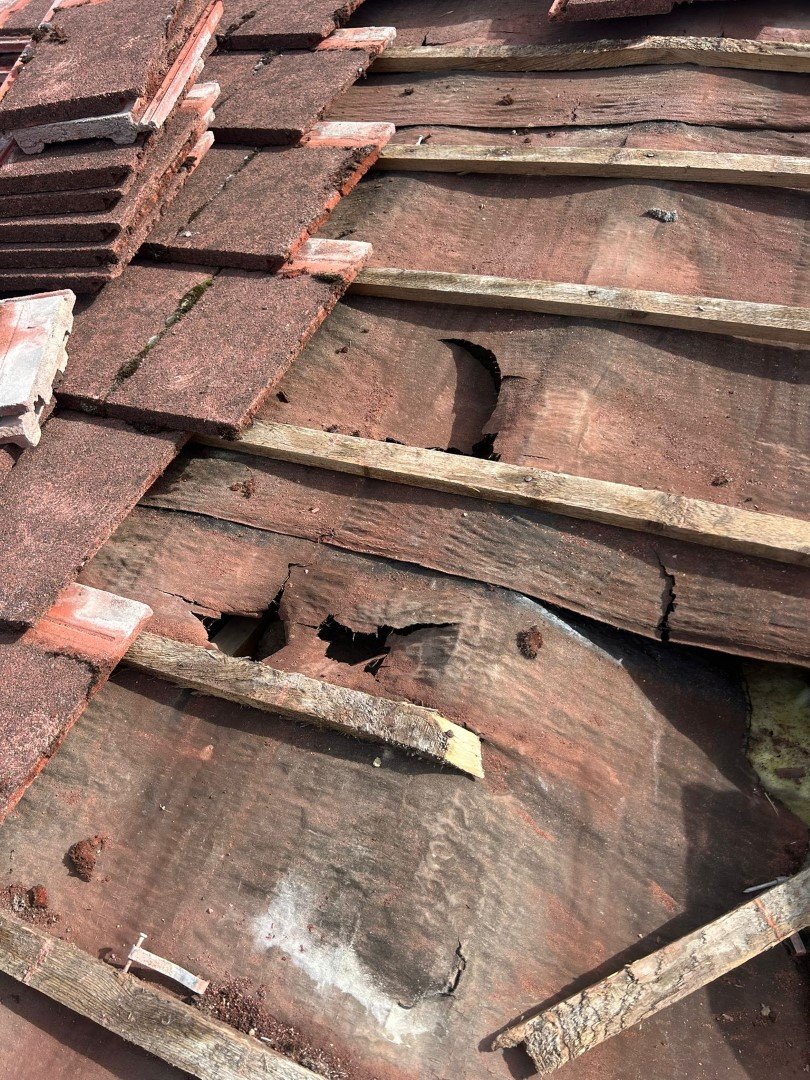
After a storm, look for missing slates or tiles on the ground around your house. Check your gutters for a build-up of granules, which look like coarse sand, this means your felt or shingles are being worn away. The most obvious sign is if you can see any daylight coming through your attic space.
Storms like Callum and Barra showed us that wind uplift is a major cause of damage. Gusts of 125km/h can get underneath tiles, breaking their seal and letting water pour in.
If you spot any debris on your lawn or notice new damp patches appearing on your ceilings, it's a clear sign your roof's waterproof barrier has been breached. Getting it assessed immediately can prevent rot from spreading to the timber rafters.
Yes, it absolutely is. Think of moss as a sponge. It soaks up rainwater and holds that moisture directly against your roof's surface, which dramatically speeds up the decay of the materials underneath.
Dublin’s high humidity (often 80-84%) and 760mm of annual rainfall create the perfect conditions for this kind of organic growth. This constant dampness can cause slate layers to separate (delamination) and can lead to rot in the wooden battens that support your tiles.
It’s essential to have it removed to preserve the life of your roof. However, you should never use a high-pressure washer, as this can damage the surface of the tiles. The best approach is professional scraping followed by a biocide treatment.
The two most important things are to install a reinforced chimney cowl and to make sure the flaunching, the mortar crown at the top of the chimney, is completely crack-free and waterproof.
Chimneys are the most exposed part of your house and take a real battering. With gusts recorded up to 137km/h during Storm Eunice, an unsecure cowl can easily be ripped off and turned into a dangerous projectile.
A secure cowl not only stays put but also prevents downdraughts and stops rain from getting down the flue, protecting both the chimney's structure and your internal fireplace from water damage.
Modern flat roofs can be very effective, but only if they are built with high-quality materials like EPDM rubber or fibreglass and, crucially, have been designed with an adequate slope (or 'fall') for drainage.
With a 5% increase in national rainfall and so many soft days, flat roofs are incredibly prone to ponding if they aren't pitched correctly. Any standing water is a major red flag, as it adds weight and will eventually lead to membrane failure.
Make sure your flat roof is installed by certified specialists who truly understand Dublin’s specific rainfall patterns and can guarantee rapid water runoff.
For durability in Dublin, natural slate and high-quality concrete tiles are still the gold standard.
These materials have proven their worth against Irish weather for centuries. They are heavy enough to resist wind uplift from severe storms like Ophelia and dense enough to repel the constant, soaking moisture.
While cheaper alternatives are available, the incredible longevity of natural slate offers far better value over the long term, significantly reducing the need for repairs after a bad weather event.
Costs can vary wildly depending on the extent of the damage, but you can expect emergency call-outs and structural repairs to start from several hundred euros and quickly rise into the thousands.
The €70 million damage bill from Storm Ophelia gives you an idea of the scale of the financial risk. On top of that, labour and material costs in Dublin have also increased due to high demand.
Investing in preventative maintenance, like securing loose tiles before a storm and keeping your gutters clear, is statistically far, far cheaper than paying premium rates for an emergency fix afterwards.
Gutter ponding is when water pools in a section of your gutter instead of flowing away. This usually happens because the gutter is blocked with leaves and debris or has started to sag under weight.
With a month like October dumping 80mm of rain, blocked gutters quickly become incredibly heavy. This added weight can pull the guttering away from the fascia board, causing water to cascade down your walls and soak into the masonry.
This leads to persistent dampness inside your home and can cause structural damage to the entire roofline. Regular cleaning, especially in late autumn after the leaves have fallen, is absolutely critical.
Yes, absolutely. Condensation caused by our high humidity is a major, often unseen, cause of internal roof rot.
With humidity levels averaging over 80%, the warm, moist air from everyday activities like cooking and showering rises into your colder attic space. If there isn't enough ventilation, this moisture condenses on the cold timbers.
Installing adequate roof ventilation, such as soffit vents or tile vents, allows air to circulate, which regulates the temperature and lets moisture escape. This simple step can prevent devastating dry rot in your rafters.
On a flat roof, look for any blisters or bubbles in the felt. On a pitched roof, check the lead flashing around the chimney for cracks and look for any tiles or shingles that appear to be buckled or warped.
Recent temperature spikes, like the 33°C record at Phoenix Park, cause rapid thermal expansion. When the material cools quickly at night, it contracts, leading to these stress fractures.
These cracks are often too small to see from the ground but will become obvious leaks as soon as the autumn rains return. A quick inspection in late summer can help you spot these thermal failures before winter sets in.
If your roof is over 20 years old, has visible slipped or cracked tiles, or you know it lacks a modern waterproof underlay, it is almost certainly vulnerable.
The increasing intensity of our storms and rainfall means that roofing standards from a few decades ago may no longer be sufficient. Materials naturally degrade over time, old felt becomes brittle, and nails can rust and fail.
A professional survey will assess the condition of the felt, the wooden battens, and all the fixings, giving you a clear, honest picture of whether a simple repair or a full replacement is the safer and more cost-effective option.
While there are rarely any grants specifically for storm-proofing, there are often SEAI grants available for home insulation upgrades, which frequently involve working on the roof.
Improving your attic insulation is one of the best things you can do for your home. It helps regulate the temperature, which reduces the risk of condensation and the formation of damaging ice dams in winter.
It’s always worth checking the Sustainable Energy Authority of Ireland (SEAI) website for any current schemes that might help subsidise the cost of improving your roof's thermal efficiency and its overall integrity.
First, contain the water inside. Place buckets and towels under the drip to prevent further damage to your ceilings and floors, and to stop a saturated ceiling from collapsing. Then, call an emergency roofer immediately.
Water ingress can spread incredibly quickly, damaging insulation, plasterboard, and even electrical wiring. The record-breaking rainfall of 2023 showed just how fast a minor leak can turn into a major internal flood.
Whatever you do, do not attempt to climb on the roof yourself during a storm. It’s extremely dangerous. Wait for a professional with the correct safety equipment to arrive and apply a temporary seal until the weather clears enough for a full, permanent repair.