Dublin’s skyline is a beautiful timeline of the city’s story, written in slate, copper, and clay. A walk from the elegant Georgian townhouses of Merrion Square to the older, bustling quarters of Capel Street shows you a story unfolding in the very bones of the buildings. Every parapet and gable has a tale to tell about the era that built it.
Understanding these different styles isn’t just for architects or history buffs; it gives you a crucial heads-up on what your own roof needs to stay healthy. If you ignore the unique needs of a Georgian slate roof or a tricky Victorian valley gutter, you could be facing some hefty repair bills down the line.
Important Takeaways
- Georgian Strength: Those beautiful Welsh slate roofs from the 1700s are incredibly tough and can last for over a century. The weak spot? Old nails giving up the ghost, causing slates to slip.
- Victorian Drama: Thanks to steel, Victorian builders could get creative with steep, dramatic rooflines and complex valleys. The downside is that these intricate designs need a watchful eye and regular cleaning to prevent trouble.
- Dublin’s Hidden Past: You might be surprised to learn that behind many familiar brick fronts, the steep, gabled roofs of much older Dutch Billy houses are still standing.
- Smart Savings: A little proactive care for your chimney and gutters can save you a small fortune in major structural repair costs later on.
The Grandeur of Georgian Dublin (1714-1830)
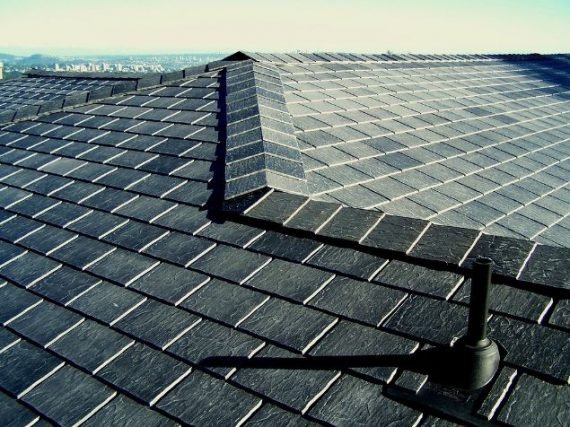
The Georgian era gave Dublin a major facelift, bringing in an elegant, orderly look that was all about symmetry and building things to last. Builders of the time wisely moved on from flammable thatched roofs, falling in love with the dependable, long-lasting Welsh slate. This material became the city’s signature for a good reason; it’s not uncommon for it to last well over 100 years. The city’s growth was explosive; the sheer area covered by roofs in Georgian Dublin expanded by a massive 300% between 1720 and 1800.
Influential architects like Edward Lovett Pearce, the mind behind the magnificent Parliament House on College Green, helped popularise the classic Georgian look: lower-pitched roofs tucked neatly away behind parapets. These designs are typically paired with the deep overhanging eaves and the tall, wide windows that give the city’s squares their character.
While the Welsh slate itself is incredibly tough, it’s often the old iron nails holding it in place that are the first to go. Here at Emergency Roofers Dublin, we estimate that over 1,000 Georgian roofs in the city right now need a careful, professional eye on them every year. Skipping these checks is a gamble that can easily lead to leaks and water damage, with repair bills starting from €1,000.
Maintaining these historic roofs requires a specialist’s touch. Slate replacement services typically cost between €80 and €120 per square meter. Homeowners can be clever about it and achieve a 20% cost saving by bundling these repairs with any necessary chimney work. Think of a comprehensive annual inspection, which usually costs between €250 and €400, as your best line of defence against bigger problems.
Victorian Ambition and Regency Charm (1800-1900)
The 19th century brought a dramatic shift in how people thought about design. The early part of the century, the Regency period, went for a simpler, more graceful style, often with clean rendered walls and a sense of height.
You can often spot Regency homes by their charming gabled roofs, tall chimneys, and beautifully carved bargeboards, which were meant to evoke a quaint ‘olde English cottage’ feel. As the century wore on, the Victorian Gothic Revival arrived, adding a real sense of drama and complexity to Dublin’s skyline.
The Industrial Revolution completely changed the game for roof construction. After 1850, builders started using about 20% more steel in their roof structures. This new strength allowed them to be much more ambitious, creating the steep pitches and intricate shapes we associate with the era.
Majestic landmarks like Findlater’s Church on Parnell Square perfectly capture this architectural confidence. The trade-off, however, is that these complex designs create more places where things can go wrong, especially in the valleys and around the flashing. A typical Victorian roof can last 50-70 years, but that lifespan depends entirely on consistent care.
Preserving these impressive structures means paying close attention to the details. At Emergency Roofers Dublin, we provide expert bargeboard repairs that can range from €400 to €800. For these tall stacks, chimney maintenance is just as important, with sweep services costing between €150 and €300. If you own a Gothic-style home, it’s wise to budget between €1,500 and €3,000 for the specialized repairs needed to handle those steeper angles and intricate joints.
The Steep Roofs of the Dutch Billies (1660-1720)
Long before the elegant squares of Georgian Dublin took shape, the city had a very different look. Imagine walking down Aungier Street or Capel Street when they were lined with tall, narrow houses topped with the steep, curvy gables of the Dutch Billy. These Anglo-Dutch designs took the place of earlier timber-cage houses and had very sharp pitches of 45 to 60 degrees. This unique, cross-gabled style was everywhere, making up more than half of all merchant houses until the mid-18th century.
Amazingly, many of these old roofs are still with us, hidden away behind the more ‘modern’ brick fronts and parapets that were added later. The move to using brick as the main building material was a big deal. It allowed for those classic sliding sash windows, giving the streets a fresh look while conveniently hiding the older, steeper roofs from view. If you own one of these historic gems, you might face some unique challenges, especially with stubborn leaks around the old dormer windows.
Bringing these heritage treasures back to life requires a very gentle and expert hand. The team at Emergency Roofers Dublin can repair common dormer window leaks for €500 to €1,200. For those looking to fully preserve this piece of history, a full gable restoration that meets heritage standards typically costs between €2,000 and €5,000. Professional upkeep of the brick underlays and chimneys can add another 30 to 40 years to the life of these hidden roofs, with repointing services available for €300 to €600.
Edwardian Craftsmanship and Modernist Forms
As the 19th century gave way to the 20th, there was a real pushback against the fussiness of the Victorian era, soon followed by the clean, bold lines of modernism. The Arts and Crafts movement, which flourished between 1890 and 1918, championed hand-crafted quality and a return to simpler, more honest forms. This philosophy had a huge impact on Dublin’s growing suburbs, with its architectural style showing up in about 40% of new developments by 1910.
Some of the key things you’ll notice about Edwardian roofing are:
- Gabled roofs with generous overhanging eaves that do a great job of protecting the walls.
- The widespread use of warm, reddish terracotta tiles, which can last for 60-80 years.
- Charming leaded casement windows and pebble-dash walls that create that picturesque look.
- Distinctive bay windows, often capped with their own little tiled roofs.
While the terracotta tiles from this period are long-lasting, they can become brittle over time. Emergency Roofers Dublin offers tiling services that cost around €90 to €140 per square meter. For these homes, simply keeping the gutters clear is one of the most important jobs you can do, and it can save you more than €500 a year in potential repairs.
After the First World War, new styles like Art Deco and Modernism brought a brand-new feature to Dublin’s architecture: the flat roof. By the 1930s, reinforced concrete was a go-to material, creating sleek silhouettes with very low pitches of only 5-10 degrees. This was a radical departure from the traditional roofs, which often had pitches of 40 degrees or more. With these roofs, expert waterproofing is everything.
At the same time, French-influenced Mansard roofs also became quite fashionable, leading to a 15-20% increase in attic conversions. You can expect specialized flat roof waterproofing to cost between €70 and €100 per square meter, while fixing a complex Mansard roof can range from €3,000 to €6,000.
The Legacy of Thatched Roofs in Dublin
When you think of traditional Irish buildings, the first thing that probably comes to mind is a thatched roof. While it’s the most iconic symbol of our architectural past, it’s a rare sight in the capital today. These beautiful roofs are crafted by layering straw over a base of sod on a timber frame. They’re fantastic insulators, keeping homes warm in winter and cool in summer, but they don’t have the staying power of slate or tile. Welsh slate eventually took over from thatch in Dublin, mainly because it was safer from fire and required less upkeep, becoming the city’s go-to roofing material by the 1800s.
A well-maintained thatched roof will typically last you 20 to 30 years, which is a far cry from the century or more you can expect from slate. The few surviving examples in County Dublin need a huge amount of specialized care to protect them from rot and leaks.
Restoring a traditional thatched roof is a true art form, and there are very few craftspeople left who have the skill. The cost for this highly specialist work usually falls somewhere between €4,000 and €8,000. At Emergency Roofers Dublin, we’re proud to retain the skilled artisans needed to keep this wonderful piece of our heritage alive.
Your roof is the guardian of your biggest investment. Whether you live in a grand Georgian townhouse, a classic Victorian red-brick, or a sleek modern home, getting to know its history is the first step toward protecting its future. Emergency Roofers Dublin has the specific expertise needed for every chapter of Dublin’s architectural story. Get in touch with us today to book your inspection, and let’s make sure your home stays safe and dry for many years to come.
Frequently Asked Questions
You’ll mostly see a mix of Georgian and Victorian slate roofs across the city.
Both the Georgian building boom (1714-1830) and the Victorian era that followed (1800-1900) relied heavily on Welsh slate, which is why you see it on so many buildings.
Records tell us that the amount of roofed space in the city grew by an incredible 300% during the Georgian period alone, cementing slate as the top choice.
If you have a slate roof, your main focus should be on slate-specific maintenance. The slates themselves are tough, but the old nails holding them in place (a problem called nail sickness) are often the first thing to fail.
The easiest way is to look at the roof's steepness and how much decoration it has.
Georgian roofs tend to have a lower pitch and are often tucked behind a parapet wall for a neat, symmetrical look. Victorian roofs are much steeper, more visible, and often have decorative features like fancy bargeboards.
We know from architectural records that after 1850, Victorian builders used about 20% more steel, which allowed them to create much steeper and more complicated roof shapes compared to the elegant restraint of the Georgian era.
Knowing the era helps you plan for maintenance costs. The complex valleys of a Victorian roof generally need more frequent gutter cleaning than the simpler slopes of a Georgian one.
A Dutch Billy is the name for the steep, cross-gabled roofs that were popular in Dublin from about 1660 to 1720.
These roofs have very distinct curvy gables and a steep pitch of 45-60 degrees, making them look very different from the lower-pitched Georgian style that came later.
Historical surveys show that this style was used for over half of all merchant houses until 1750, though today many of them are hidden behind newer brick facades.
If you own a property on a historic street like Capel or Aungier Street, there's a chance you have an older timber roof structure behind your modern-looking facade that will require special heritage repair skills.
The repairs themselves are usually affordable, but it's vital to use high-quality waterproofing because of the roof's low slope.
Flat roofs, which you see on Art Deco buildings and modern extensions, aren't perfectly flat. They have a slight pitch of 5-10 degrees, which means water can pool if the waterproofing isn't perfect.
At Emergency Roofers Dublin, we find that professional-grade waterproofing costs between €70 and €100 per square meter.
Investing in professional waterproofing is non-negotiable. Trying to save money with cheap patches on a flat roof almost always leads to serious leaks, simply because the water doesn't run off as quickly as it does on a pitched slate roof.
The price really depends on how much damage there is and whether your chimney needs work at the same time.
Fixing a few slipped slates is quite affordable, but if many slates are failing, you'll need a more significant repair.
Based on current market rates, replacing slates costs between €80-€120 per square meter. You can often save around 20% if you get the work done at the same time as chimney repointing.
It’s a smart financial move to group your roof repairs with chimney maintenance. This cuts down on the overall cost by reducing the separate expenses for labour and scaffolding.
Yes, if your building is a protected structure, any repairs will likely need to follow strict heritage standards.
Many Dutch Billies, Georgian townhouses, and Victorian landmarks are protected. This means repairs must use materials and techniques that match the original construction.
Heritage guidelines require specific restoration methods. For example, a full gable restoration that meets these standards can cost between €2,000-€5,000.
It's essential that you hire a roofing contractor who understands and respects conservation rules. This will help you avoid any legal trouble and ensure the historic character and strength of your building are preserved.