Just because your roof isn’t leaking doesn’t mean it’s healthy. It’s easy to assume your home is safe and sound simply because water isn’t dripping onto your living room floor, but that quiet can be dangerously misleading.
Roofs across the capital take a slow, steady beating from constant westerly winds and persistent dampness, often long before a leak ever shows itself. Relying on the absence of drips as proof that your roof is in good shape is a financial gamble you don’t want to take.
By the time water finally breaks through your ceiling, the damage to timber, insulation, and your home’s structure is often already severe and costly. It’s crucial to understand what’s happening above your head before the Irish weather forces you to pay attention.
Salient Points
- Silence doesn’t mean safety: Hidden problems like cracked tiles and waterlogged underlay can exist for years before you ever see a leak inside.
- Dublin’s climate is relentless: With 800–900 mm of rain falling each year, even the smallest fault can quickly escalate into a major structural failure.
- DIY is dangerous and costly: Trying to fix your roof yourself can void your insurance, make the damage worse, and is incredibly unsafe. Professional safety standards are there for a reason.
- Inspections save money: Catching a small issue early costs a tiny fraction of what it takes to repair major storm damage and the mess it leaves behind.
- New roofs need care too: Even a freshly installed roof needs regular check-ups to keep its warranty valid and stay in top condition.
The ‘No Leaks, No Problem’ Myth
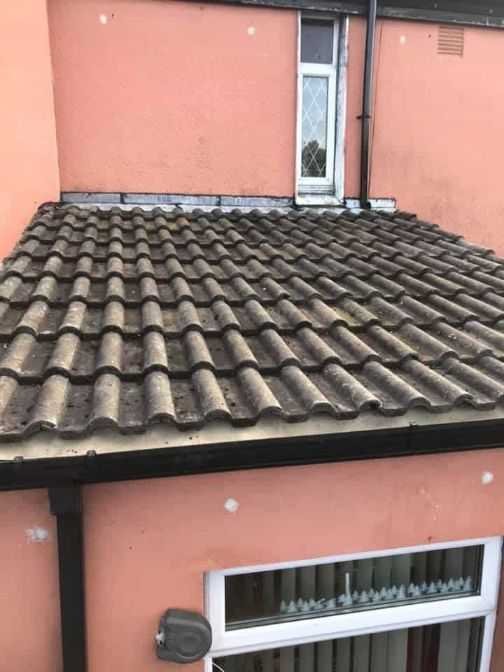
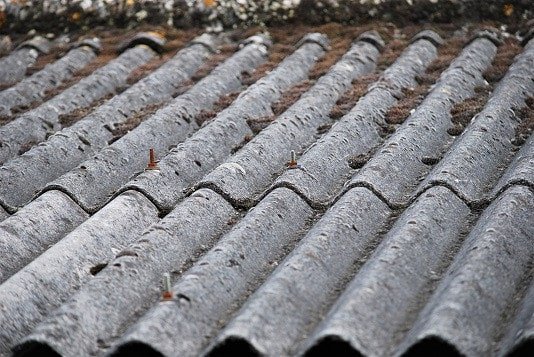
Hidden damage is a common problem for homes all across Dublin, festering long before a single drop of water stains the plasterboard. Issues like cracked tiles, peeling flashing, loose ridge tiles, and soaked underlay can go unnoticed for months or even years. Water begins to seep in through tiny, invisible entry points, soaking into the wooden battens and insulation, creating rot that you simply can’t see from the ground.
A roof that looks perfectly fine from the street can be hiding some serious trauma up close. Dublin’s weather acts as a powerful catalyst, speeding up this decay. The city gets between 150 and 200 rainy days a year, amounting to 800–900 mm of annual rainfall. In these conditions, a tiny hairline crack in the cement around your chimney isn’t just a cosmetic flaw; it’s a direct channel for gallons of water to pour into your brickwork over a single winter.
The wind adds another layer of constant stress. Those prevailing westerly winds batter ridge tiles and chimneys, causing non-stop vibration and movement. At Emergency Roofers Dublin, our call-out history shows that a huge percentage of winter emergencies are caused by wind blowing off tiles and flashing that had been loose for months. Believing in the ‘no leaks, no problem’ philosophy means you’re ignoring these ticking time bombs until they become a catastrophe.
The True Cost of Neglecting Your Roof
Waiting for a leak to appear is the single most expensive maintenance strategy you can choose. A preventative inspection usually costs less than 5–10% of the final bill for repairing a major leak and all the interior destruction it causes. Generally, roofs start showing their age with minor defects after about 15–20 years. If you don’t step in, these small problems start to compound.
Let’s look at a cost comparison for a typical Dublin home. Replacing a few tiles and doing some minor pointing work might set you back between €150 and €400. Getting your chimney flashing and waterproofing sorted generally costs between €300 and €800. In stark contrast, fixing a major leak that has ruined ceilings, insulation, and even electrical wiring often starts at €1,500 and can climb much higher.
Professional roofers recommend getting an inspection every 1 to 2 years to catch these small issues early. Emergency Roofers Dublin provides full inspection reports with photos, giving you documented proof of your roof’s condition, something that’s vital for insurance claims and property sales. Common problems we find are slipped slates on classic Victorian terraces and blocked valley gutters that homeowners never notice until it’s far too late.
The DIY Roof Repair Myth
We’ve all been tempted to save a few quid by tackling a job ourselves, but attempting to repair a roof without professional training is a fast track to serious injury and even more expensive repair work down the line. All too often, DIY efforts make the original problem worse, create massive safety hazards, and can instantly void your home insurance policy or material warranties.
There’s a reason Ireland’s Health and Safety Authority (HSA) has a Code of Practice for Safety in Roof Work. It classifies roofing as a high-risk job that demands specific training, proper equipment, and strict safety procedures.
A homeowner standing on a wobbly ladder with a bucket of silicone simply doesn’t meet these standards. Some of the most common amateur mistakes we see in Dublin include using bathroom sealant instead of proper lead flashing, nailing slates incorrectly so the wind can just rip them off, and breaking fragile old tiles by walking on them the wrong way.
Safety, Insurance, and Compliance
The physical risk is enormous. A fall from a roof, or even from a ladder, can be life-changing or fatal. It’s a risk you should never have to take. Professional roofers are equipped to eliminate this danger. Contractors like Emergency Roofers Dublin carry full insurance, use safety harnesses and roof ladders, and hold Safe Pass training certification. This isn’t just red tape, it’s the absolute minimum for working safely.
The financial risks are just as serious. If your roof fails during a storm, your insurer could refuse to pay out if they find evidence of improper DIY work. If their assessor determines that the failure was caused by your non-compliant repairs, your claim will likely be rejected. Your best bet is to limit your own maintenance to tasks you can do from the ground, like clearing low-level gutters with proper ladder safety. Leave every single job that involves getting on the roof to qualified professionals.
Why the Cheapest Roofing Quote in Dublin Can Be the Most Expensive
Everyone loves a bargain, but when it comes to roofing, a rock-bottom price should be a red flag, not a relief. A quote that seems too good to be true often signals that essential components are missing, not that you’ve found an amazing deal. The quality of any roofing job depends entirely on the roofer’s skill, their insurance being valid, and the quality of the materials they use. When a price is unusually low, you can be sure that corners are being cut somewhere.
Poor workmanship is a guarantee that you’ll end up paying for the same job twice. A cheap fix might last for a season, but it will almost certainly fail prematurely, forcing you to get it replaced years earlier than you should have to. Contractors who drastically underbid their competitors are often using low-grade underlay that rots quickly, using the wrong fixing techniques, or completely neglecting crucial elements like ventilation.
What to Look For in a Dublin Roofing Contractor
Before you hire anyone, you need to do your homework and verify everything. A reputable Dublin roofer will have no problem showing you their proof of insurance and Safe Pass certification. You must insist on a written quotation that breaks down the specific work they will do, the exact materials they will use, and the guarantees they offer. Vague, verbal estimates are a recipe for hidden costs later on.
Ask for local references and see if you can look at examples of similar projects they’ve completed in the Dublin area. A trustworthy company is transparent about its work. Emergency Roofers Dublin is a fully compliant, fully insured choice, offering clear guarantees and 24/7 emergency services for roofing, guttering, and chimneys. At the end of the day, trust is built on proven competence, not just the lowest price.
Think a New Roof is Maintenance-Free? Think Again
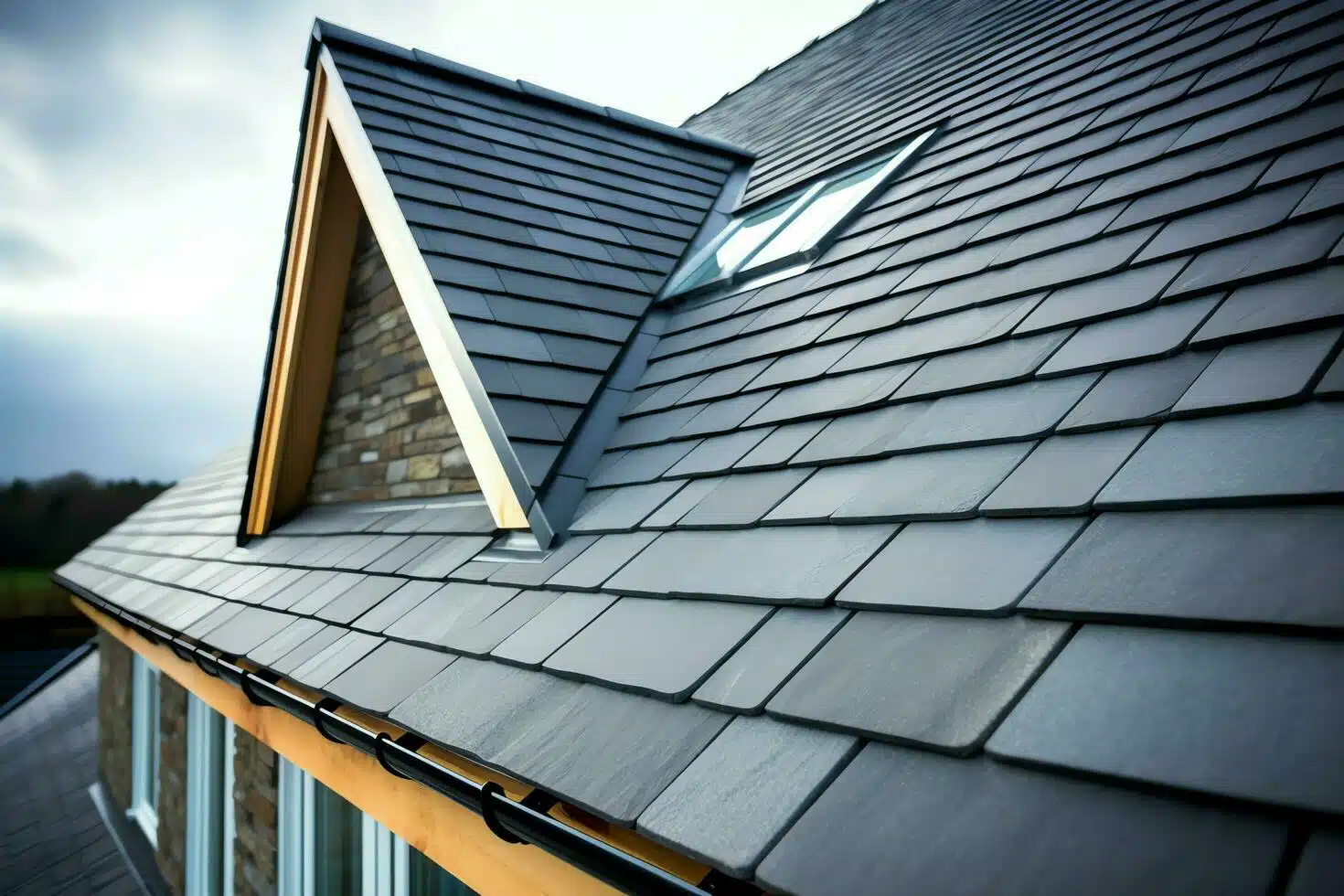
You’ve just invested in a brand-new roof, so you can forget about it for the next 20 years, right? Unfortunately, that’s not quite how it works. New materials don’t make your roof invincible to the elements.
Both manufacturers and contractors strongly recommend annual checks to make sure debris hasn’t built up in key areas and that all sealants are still in good shape. Ignoring these simple check-ups can actually void the material warranty you’re counting on.
In Dublin’s leafy suburbs, nature starts attacking even the newest of roofs right away. Moss and algae can take hold on north-facing slopes in just 3 to 5 years. On top of that, your new roof is still vulnerable to other factors. A severe storm can compromise even the tightest fittings, and other tradespeople installing things like solar panels or satellite dishes can accidentally crack tiles or puncture the waterproof membrane.
Your Essential Dublin Roof Maintenance Checklist
When it comes to your roof’s lifespan, blockages are public enemy number one. Clogged gutters are a leading cause of damp, which leads to rotting fascia and soffit boards, problems that can ruin the edges of a perfectly good roof. Here’s a simple checklist to help you stay on top of things:
- Annual Gutter & Downpipe Cleaning: The best time to do this is in late autumn after most of the leaves have fallen. This ensures that winter rain can drain away freely instead of backing up.
- Post-Storm Visual Check: After any period of high winds, take a walk around your house and scan the roof from the ground. Look for any missing tiles, shifted ridge tiles, or loose flashing.
- Annual Loft Check: Once a year, pop your head up into the attic with a torch. Look for any signs of dampness, dark water stains on the rafters, or little slivers of daylight peeking through the roof covering. It’s the best way to spot a problem from the inside.
Emergency Roofers Dublin offers dedicated maintenance packages to make sure your new roof stays in fantastic condition, and its warranty remains fully intact.
Does Your Slate Roof Last as Long as Your Neighbour's Tiled One?
Ever look at your roof and your neighbour’s and wonder which one will last longer? A roof’s lifespan isn’t a matter of luck; it’s a result of the material it’s made from, the quality of the installation, and how much weather it has to endure. While Dublin may not get the most extreme Atlantic gales, the coastal salt in the air and the persistent wind can speed up corrosion on metal fixings and gutters.
Typical Roof Lifespans in Dublin’s Climate
Different materials simply age at different rates, especially in the damp Irish climate. Here’s a rough guide:
- Natural Slate: 70–100+ years.
- Concrete Tiles: 30–40 years.
- Clay Tiles: 40–60 years.
- Flat Roofs (felt/bitumen): 15–25 years.
But remember, these figures are based on ideal conditions. Things like poor ventilation and trapped condensation can easily slash these lifespans by 20–30%.
A little bit of regular maintenance can extend these timelines significantly. Simple tasks like cleaning your gutters, repointing ridges, and replacing failed flashing can delay the need for a full, costly replacement by an extra 5 to 15 years. An unmaintained 30-year-old concrete tile roof will almost certainly need a complete replacement, whereas a well-cared-for one of the same age might just need a few minor repairs.
Is That Moss on Your Roof Just a Cosmetic Issue?
A bit of moss on the roof can look quite rustic, almost charming, right? The truth is that green stuff is a parasite that’s quietly destroying your roof’s structure. It acts like a giant sponge, soaking up moisture and holding it right up against your tiles. In winter, this trapped water freezes and expands, and this freeze-thaw cycle acts like a tiny jackhammer, causing tiles to lift, crack, or even crumble.
Dublin’s damp climate is the perfect breeding ground for moss, especially on north-facing slopes or roofs that are shaded by overhanging trees. As moss grows in the gaps between tiles, it blocks the channels designed to let water run off, forcing rainwater to go sideways and get underneath the roof covering. Roofing professionals will all tell you the same thing: unchecked moss growth will drastically shorten the life of your concrete and clay tiles.
The Right Way to Remove Roof Moss
Your first instinct might be to get a power washer and just blast it all off. Please don’t. Using brute force will cause more damage than the moss itself. Aggressive pressure washing strips the protective granular surface off modern tiles and can easily shatter older, more fragile slates. It might look clean for a few months, but it leaves the tile porous, weaker, and more vulnerable than before.
The correct way to handle it is with a gentle, professional cleaning to remove the bulk of the growth, followed by a special biocide treatment that kills the remaining spores and helps prevent it from growing back so quickly. Emergency Roofers Dublin uses these safe, non-abrasive methods to protect the long-term integrity of your roof.
Can You Really Judge Your Roof's Health From the Ground?
We all do it, a quick glance up at the roof from the driveway to check that everything looks okay. But what you can see from down there is only a tiny part of the story, because distance hides all the important details. From street level, you’ll never spot the hairline cracks in a tile, the worn-out flashing tucked away behind a chimney, or the rusty nails hidden under a slate. Many of the most critical failures happen in the valleys and hidden gutters that are completely invisible from the ground.
A proper, professional inspection requires getting up close. This means using roof ladders and crawl boards for a safe, detailed look, as well as a thorough inspection of the attic to check for any internal signs of damp. For areas that are difficult to access, a drone survey can provide high-resolution photos that reveal high-level defects. You simply can’t rely on a casual glance from your garden to properly assess the health of your roof.
When to Call for a Professional Roof Survey
So, when is the right time to call in a professional? You should schedule a survey right after you buy a property, immediately following any severe storm, or as a routine check-up every few years, depending on your roof’s age. Emergency Roofers Dublin provides inspection reports with detailed photos and video footage, making sure you see exactly what the roofer sees, so you can make informed decisions.
Is an Overlay Cheaper or Just a Cover-Up?
An overlay, which is when new tiles are laid directly on top of the old ones, can seem like a clever, cost-saving shortcut. But in reality, it’s often just papering over the cracks, literally. This approach might save you some money on disposal costs upfront, but it buries serious underlying problems like rotten timber, torn felt, or saturated wooden battens.
The impact on your home’s structure is also a major concern. A second layer of tiles effectively doubles the weight load on the roof timbers. Many older Dublin properties were never designed to support that much stress, which can lead to the roof sagging and bowing over time. Most roofing professionals agree that the lifespan of an overlaid roof is about 20–30% shorter than a proper new roof, and many manufacturer warranties are completely voided by this practice.
When is a Roof Overlay an Option?
An overlay is only really an option under a very strict set of conditions: the underlying structure must be in perfect shape, there can be absolutely no rot, the existing roof must only be a single layer, and local building regulations must permit the increased load. While a full strip and re-roof costs more initially, typically €5,000–€7,000 compared to €4,000–€5,000 for an overlay, it solves all the hidden issues and completely resets the clock on your roof’s lifespan.
Is Roof Ventilation Really Necessary in Ireland's Mild Climate?
You might think roof ventilation is just for countries with extremely hot or cold weather, but it’s just as crucial here in Ireland. It’s not about controlling temperature; it’s all about controlling moisture. The main enemy in an Irish attic is condensation. Poorly ventilated attics trap the warm, moist air that naturally rises from the rest of the house. When this humid air hits the cold underside of the roof, it condenses back into water droplets.
This constant “sweating” in your attic leads to mould growth, makes your insulation soggy and ineffective, and eventually rots the structural timbers. Common signs that you have a problem include a damp, musty smell in the attic, black mould spots on the rafters, and rusted nails.
How Proper Ventilation Protects Your Dublin Home
Effective ventilation works by creating a continuous, gentle airflow from the eaves (the bottom edge of your roof) to the ridge (the peak). This current of air flushes the warm, moist air out before it has a chance to condense. It’s about letting your house breathe.
This simple process keeps the timber dry in the winter and helps prevent uncomfortable heat buildup in the summer. Emergency Roofers Dublin can install a range of effective solutions, including soffit vents, tile vents, and ridge vents, to ensure your home is breathing correctly.
Your roof is the most important part of your home, protecting everything and everyone inside. Ignoring it is a luxury you simply cannot afford. The common myths of “no leaks, no problem” and “maintenance-free materials” are expensive beliefs that lead to early roof failure and stressful, costly emergency repairs.
Protect your biggest investment by making regular inspections and professional maintenance a priority. For an honest assessment, safety-compliant work, and expert repairs, get in touch with Emergency Roofers Dublin today.
Commonly Asked Questions
It's a good idea to schedule a professional roof inspection every 12 to 24 months, and you should definitely have one done right after any major storm. Getting a pro to look at it every year or two means they can spot small problems, like a slipped tile or worn-out sealant, and fix them before they turn into a major, expensive headache.
Given Dublin’s wet and windy weather, this is critical for making your roof last. Plus, insurance companies like to see proof of regular maintenance, which can make things a lot smoother if you ever need to make a storm damage claim.
No, absolutely not. DIY roof repair is extremely dangerous and is strongly advised against by safety experts. The Health and Safety Authority (HSA) in Ireland considers roofing a high-risk job that requires proper training, safety gear (like harnesses and roof ladders), and following the official Code of Practice for Safety in Roof Work.
Aside from the very real risk of serious injury or worse from a fall, amateur repairs often make the problem worse and can even void your home insurance, leaving you to foot the entire bill for any future damage.
For minor repairs, like replacing a few broken tiles or repointing the ridge tiles, you can expect to pay between €150 and €400. For more involved jobs, like waterproofing the flashing around your chimney, the cost is usually in the €300 to €800 range.
However, if you ignore a small leak and it leads to internal damage in your ceilings and insulation, the repair bill can easily jump past €1,500. It’s always far cheaper to invest in small, timely repairs than to deal with the consequences of neglect.
Yes, it certainly does. Moss causes significant physical damage to your roofing materials. It works like a sponge, holding a lot of water against the surface of your tiles or slates.
In the winter, this trapped water freezes and expands, which can crack, lift, or cause the surface of the tiles to crumble away (this is called spalling). On top of that, a thick blanket of moss can block the channels that let rainwater run off, forcing it to back up and get underneath the tiles, which can lead to rot and leaks.
Natural slate roofs are incredibly tough and can last 70 to 100 years or even longer if they're looked after. Concrete tile roofs typically have a lifespan of about 30 to 40 years, while clay tiles can last 40 to 60 years.
Keep in mind, though, these are just estimates. Factors like poor ventilation or a lack of maintenance can knock 20–30% off those figures. Flat roofs, which are usually made of felt or bitumen, have a much shorter life expectancy of around 15–25 years.
Probably not. Home insurance is there to cover you for sudden and unexpected events, like a tree falling on your house or damage from a major storm. It isn't designed to cover general wear and tear that happens from neglect. If an insurance assessor finds that a leak was caused by a pre-existing issue on a poorly maintained roof (like old, cracked flashing or heavy moss growth), they will most likely reject the claim. Having regular, documented inspections from a professional like Emergency Roofers Dublin is your best protection against this.
In most cases, yes. A quote that’s way lower than others is usually a sign that the contractor is cutting corners. This could mean they're using cheap, poor-quality materials (like flimsy underlay), don't have the proper insurance, or are skipping crucial safety steps.
A cheap job will often fail much sooner than it should, forcing you to pay for another repair or even a full replacement down the line. Always make sure your contractor is properly insured, Safe Pass certified, and gives you a detailed written quote.
Yes, it does. Even a brand-new roof needs a bit of attention to stay in great shape and to ensure the manufacturer's warranty remains valid. You should make sure the gutters are cleaned out every year and have the roof checked for any debris or minor damage after a big storm. In some of the leafier parts of Dublin, moss can start to grow on new tiles within just 3 to 5 years. Ignoring these simple checks can lead to blocked gutters and water damage, no matter how new your roof is.
The kind of damage you can't see from the street often includes things like tiny hairline cracks in tiles, rusty nails, worn-out flashing behind chimneys, and tears in the waterproof membrane in roof valleys.
A good place to check is inside your attic. Look for any signs of damp, like dark water stains on the wooden rafters, rusted nail heads, or a musty smell. These are all clues that water is getting in somewhere, and they require a professional up-close inspection to find the source.
A full replacement (where they strip off the old roof first) is almost always the better choice. While an overlay, putting new tiles on top of the old ones, is cheaper upfront, it adds a huge amount of extra weight to your house's structure and simply hides existing problems like rot or torn felt.
Overlaid roofs also tend to have a 20–30% shorter lifespan. A full strip-and-replace allows the roofer to inspect and fix the underlying timber structure and install a new, modern, breathable membrane, ensuring your roof will last for decades.
Ventilation is absolutely essential for preventing condensation. In a damp climate like Dublin's, warm air from inside your house rises into the attic. When it hits the cold surface of the roof, it condenses into water. Without a proper airflow system (from the eaves to the ridge) to carry this moisture away, the condensation can cause mould to grow, soak your insulation, and rot the structural timbers of your roof. Good ventilation lets your attic "breathe" and keeps it dry.
You should never use a pressure washer on your roof. The high-pressure water jet can strip the protective granular coating off tiles, chip or crack slates, and force water up and underneath your roofing materials, which can cause leaks.
The correct and safe method is a soft wash or manual scraping, followed by a professional-grade biocide treatment. This gets rid of the moss without damaging your roof and helps stop it from coming back so quickly.
You should always choose a contractor who can show you proof of their public liability insurance and their Safe Pass certification. Ask them for a detailed written contract that clearly states the work they will do, the materials they will use, and the final cost.
It's also a great idea to ask for references from recent jobs they’ve done in Dublin and to make sure they have a real, physical business address. Established companies like Emergency Roofers Dublin will provide all of this as standard, giving you confidence and peace of mind.