The drumming of rain on the tiles is a familiar sound in County Dublin. Most of us barely notice it until a dark patch starts spreading across the ceiling or a loose slate comes crashing down onto the driveway. That’s when the panic sets in. You know you need a professional, but the construction world can often feel loud, confusing, and overwhelming. Finding a contractor who genuinely respects your time, your budget, and your home requires a keen eye. What you need is a roof that does its job, not a slick sales pitch.
Core Insights
- Detailed Quotes: Make sure any estimate you get breaks down the costs for labour, materials, scaffolding, and VAT separately, so you know exactly what you’re paying for.
- Verification: Always check for public liability insurance of at least €2 million and confirm they have a registered Dublin address.
- Scam Awareness: Be wary of storm chasers who appear after bad weather and contractors who demand large cash payments upfront.
- Local Advantage: Dublin-based roofers have a unique understanding of local planning rules and the challenges posed by our coastal weather patterns.
- Material Choice: The right materials should be matched to your home’s location; slate is excellent for wind resistance, while modern membranes are perfect for flat roofs.
- Emergency Protocol: If a crisis hits, your first job is to contain the water inside. Then, call a professional. Never try to climb onto the roof yourself.
Dublin Roofing Cost Guide
Think of a vague estimate as a warning sign. A good, honest roofing quote should be completely transparent, acting as a clear roadmap for the entire project. When you receive that document, it needs to list the full scope of the work involved. You should be able to see specific material brands, the cost of labour, any fees for scaffolding, and charges for waste disposal. VAT should also be clearly stated, not hidden away.
The timeline is just as crucial as the price. Your quote should clearly state a proposed start date and an estimated completion date. A fair payment schedule protects you and the contractor. You should never hand over the full payment before the work even begins.
Try to get at least three written quotes from local Dublin roofers, and don’t just look at the final number at the bottom. Compare what’s included in the scope of work, the quality of the materials they plan to use, and the length of the warranty they’re offering.
Here are some approximate guide prices, based on current market rates. Keep in mind that these figures can change after a full site survey.
- Minor leak repair or slate replacements: Roughly €150–€400.
- New uPVC guttering (for a semi-detached house): Around €600–€1,500.
- New flat roof (approx. 20 m²) with a modern membrane: Between €1,200–€3,000.
- Full pitched roof replacement (for a semi-detached house): Anywhere from €8,000–€18,000+.
Vetting Your Roofer
Trust is important, but it needs to be backed up by verification. The truth is, it doesn’t take much for someone to call themselves a roofer, which means it’s up to you to filter out the unskilled or untrustworthy operators.
Verifying a Dublin Roofer’s Credentials and Insurance
Think of insurance as your primary safety net. You should only ever hire contractors who hold valid public liability insurance. The recommended minimum cover is €2 million, although many established firms will carry as much as €6 million. Don’t just take their word for it, ask to see the certificate and check that it’s still in date.
If the roofer has a team working for them, they are legally required to have employer’s liability insurance. This protects you in the unfortunate event that a worker is injured on your property. It’s also wise to confirm their business is registered with the Companies Registration Office (CRO).
A registered address in Dublin is a sign of stability. Steer clear of operators who seem to work only out of a van with no fixed base. And always insist on a paper trail. Cash-only deals might seem cheaper, but they often leave you with no warranty and no way to get things fixed if they go wrong.
Your Checklist:
- Proof of public and employer’s liability insurance.
- A registered business address in Dublin.
- A written, itemised quote.
- A VAT number (if they are registered).
- The terms of the warranty are in writing.
How to Spot and Avoid Roofing Scams in Dublin
Scammers love to take advantage of your stress and urgency. Be deeply sceptical of storm chasers who conveniently knock on your door right after a bout of bad weather. They often use high-pressure tactics to get you to make a snap decision. You should also reject any quote that seems significantly lower than all the others. A rock-bottom price usually means they’re using stolen materials, doing subpar work, or will surprise you with hidden costs later on.
Never fall for “today only” discounts. Legitimate, reputable businesses don’t need to rely on artificial deadlines. Avoid paying large cash deposits upfront. A common scam involves a roofer pointing out urgent damage they can supposedly see from the street, or trying to turn a minor repair into a major structural crisis without providing any real evidence.
You can protect yourself by asking for before-and-after photos of their work. For any major project, it’s always a good idea to get a second opinion. Take a moment to verify that the company has a real, long-standing presence in the Dublin community.
Why a Dublin-Based Roofer is Your Best Defence Against Irish Weather
Your roof is in a constant battle with the elements every single day. Dublin sees over 150 days of rain on average each year. The coastal winds and frequent storms put constant stress on tiles, gutters, and chimneys. A local specialist truly understands these unique challenges. They know which materials can withstand the salty air in Sandymount and what type of insulation works best for a terraced house in Stoneybatter.
A local expert is also familiar with regional planning rules and the specific requirements for conservation areas. They know the particular needs of Dublin’s housing stock, from historic Victorian properties to modern new builds. The Irish construction market is booming.
According to Research and Markets, the industry is predicted to reach €11.83 billion by 2026. This growth means there’s high demand for good contractors. 6wresearch has noted that the Irish roofing market growth rate is expected to peak at around 11.56% in 2026. You need an established contractor who can navigate these market conditions without causing delays to your project.
Local Dublin Roofer vs. National Company
- Response Times: A local firm like Emergency Roofers Dublin can get to you much faster. This is absolutely critical for emergency repairs in postcodes like Dublin 2, 4, 6, 7, 14, and 15.
- Local Knowledge: They have deep connections with local suppliers and a solid understanding of common drainage issues in different neighbourhoods.
- Aftercare: Getting follow-up work done is much simpler with a local team. You won’t be left waiting for a crew to drive all the way down from Belfast or Cork.
- References: They can provide you with references from your neighbours, people whose homes you can actually go and see.

The Right Materials for Your Dublin Roof
The materials you choose will ultimately decide how long your roof lasts. In Ireland, there’s a growing demand for energy-efficient and sustainable solutions, driven by a wider shift towards green building practices. When you’re selecting a material, be sure to ask about its wind-uplift resistance. You also need to know how well it can handle the heavy rainwater run-off that’s so common here.
Working on your roof is also the perfect opportunity to upgrade your insulation. Better insulation can significantly lower your heating bills and improve your home’s overall energy rating.
Comparing Common Roofing Materials
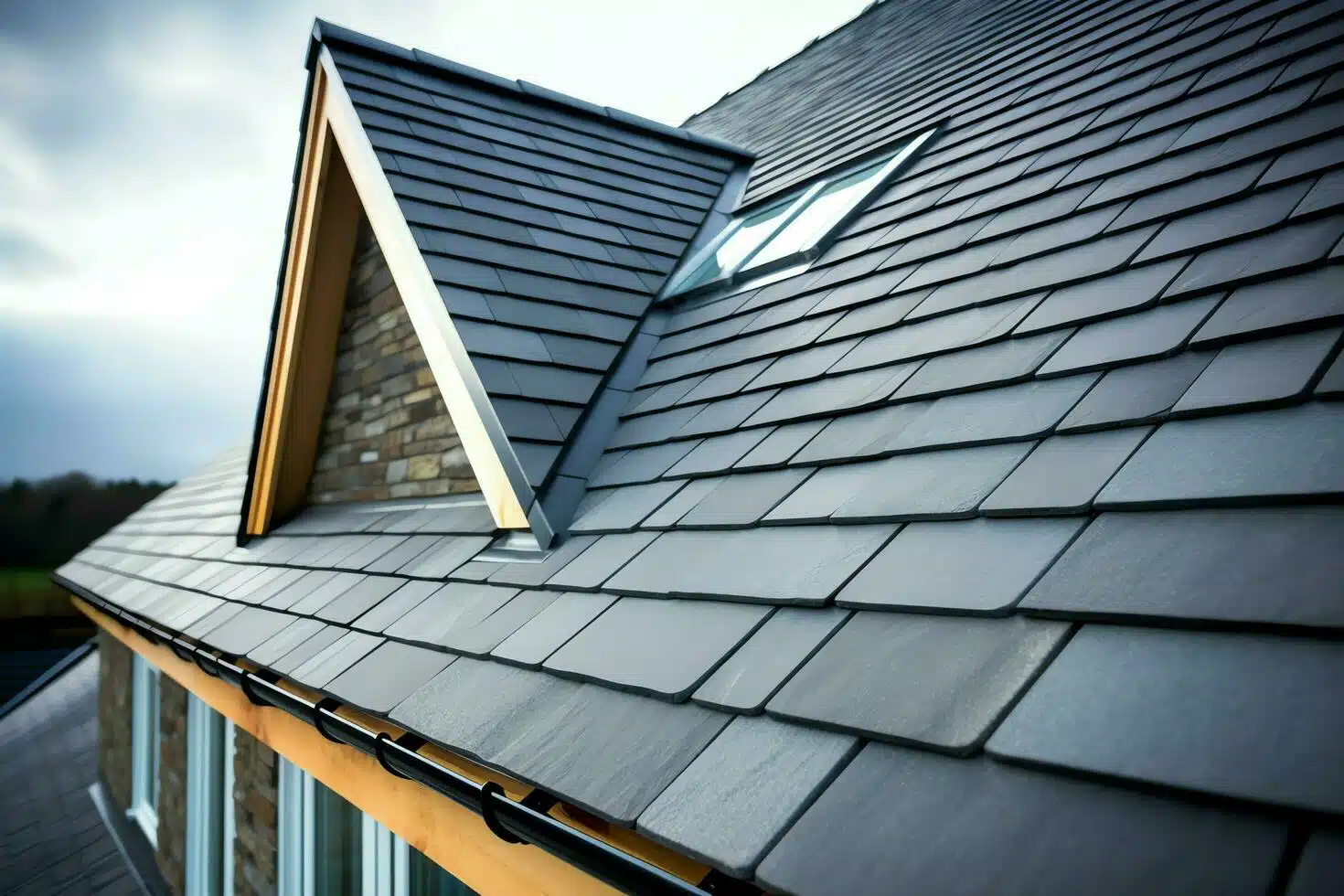
- Natural Slate: Can last for 75 years or more. It offers fantastic resistance to high winds and is ideal for period homes, though it has a higher upfront cost.
- Concrete or Clay Tiles: Very durable and offer good value for money. They are well-suited to the suburban estates found across Dublin.
- Modern Flat Roof Membranes (Single-Ply/Liquid): These offer excellent durability and are far superior to the older felt systems you see on extensions and apartment blocks.
- Bituminous/Felt Flat Roofing: This is the more traditional option. It has a lifespan of about 10-20 years. It costs less initially but requires more maintenance over time.
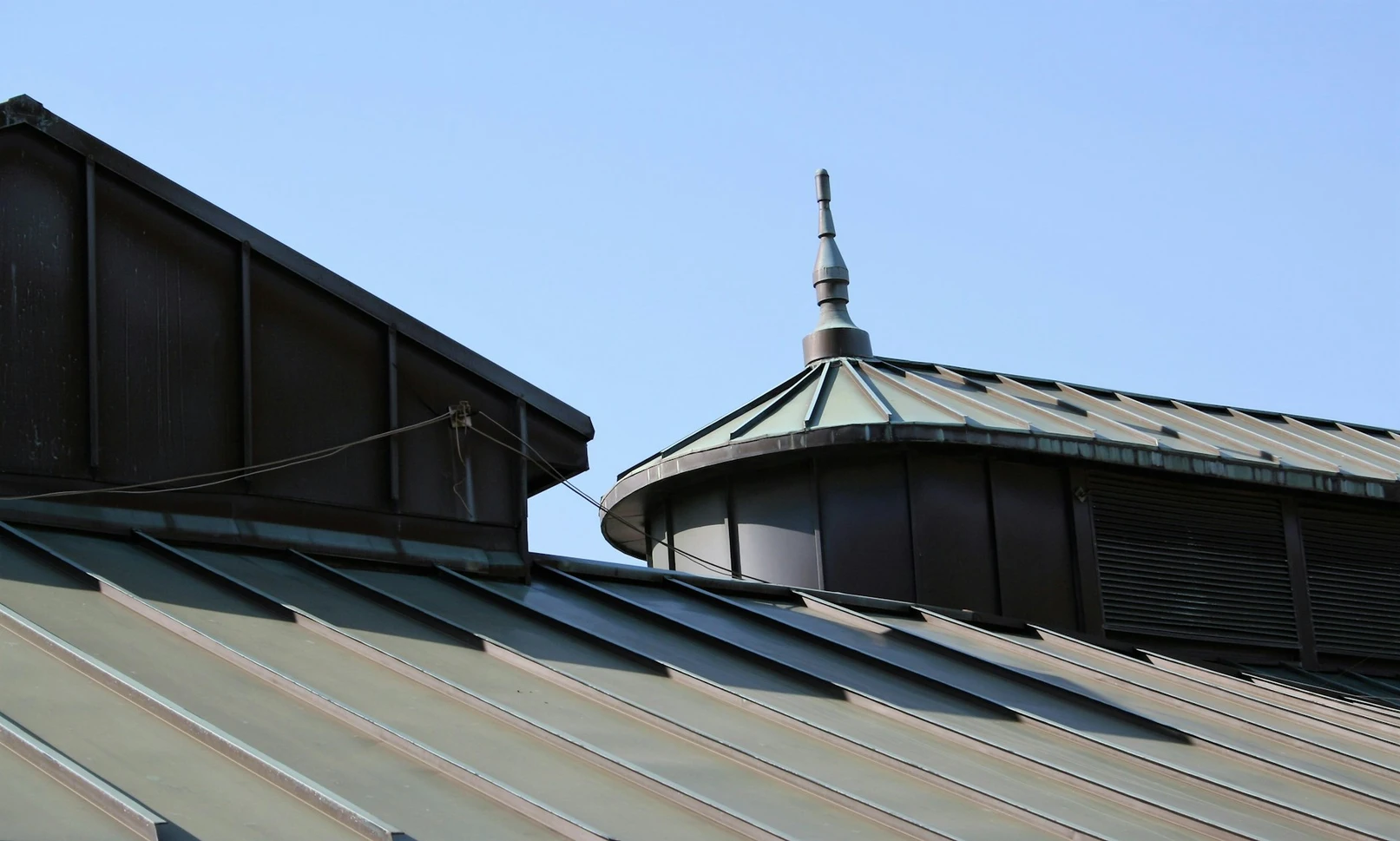
- Metal Roofing (Zinc/Steel): Lightweight and incredibly long-lasting. It has become a popular choice for contemporary designs and home extensions.
Why Gutter and Chimney Health is Non-Negotiable
It’s best to think of your roof as a complete system. If one part of that system fails, the whole structure can suffer. In Dublin’s damp climate, blocked or damaged gutters are one of the main culprits behind damp issues. Water overflows, rots the fascia boards, and can eventually cause damage to the very foundations of your home.
Chimneys are just as notorious for causing problems. They stand exposed to the wind and rain from all angles. Cracked flashings, crumbling mortar, and damaged caps can all allow water to seep in. This often results in leaks that homeowners mistakenly blame on the roof itself.
Essential Guttering and Chimney Services for Dublin Homes
- Gutter Maintenance: Regular cleaning, prompt repairs, and full uPVC gutter replacement are all key to making sure water flows safely away from your walls.
- Prevention: Installing gutter guards can prevent leaves and moss from building up and causing blockages in the first place.
- Chimney Care: Repointing brickwork, repairing lead flashing, and fitting new chimney caps or cowls are all vital services that stop water from getting into the chimney stack.
Roofing Warranties and Aftercare Explained
When it comes to warranties, a verbal promise isn’t worth much. You need to have your protection in writing. It’s important to understand the difference between a workmanship warranty and a manufacturer’s warranty.
A workmanship warranty covers the installation itself, typically for about 5 to 10 years. So, if a tile slips because it wasn’t nailed correctly, this warranty has you covered. A manufacturer’s warranty, on the other hand, covers defects in the actual material, and these often last much longer, from 10 to 30 years.
A reputable Dublin contractor will provide these terms to you clearly. Given how often we get storms in Ireland, having a clear aftercare plan is essential. Regular maintenance not only extends the life of your roof but also helps you avoid the shock of a sudden, expensive emergency.
What to Do in a Roofing Emergency in Dublin
When a roofing emergency strikes, acting quickly is the best way to limit the damage. Common emergencies include slates being torn off by a storm, water suddenly pouring in during heavy rain, or chimney masonry becoming loose and unstable. Delaying action, even by just a few days, can allow water to soak into your insulation, ceilings, and even your home’s electrical wiring.
Your Step-by-Step Emergency Action Plan
- Protect Interior: First, protect what’s inside. Move furniture and valuables out of the way. Use buckets to catch any water coming into your home.
- Document: From a safe place, take photos and videos of the damage. You’ll need this documentation for your insurance claim.
- Call a Professional: Get in touch with a local emergency roofer in Dublin right away. You need a team that can respond quickly.
- Stay Safe: Under no circumstances should you attempt to go onto the roof yourself, especially during a storm or when the surfaces are wet and slippery.
How Emergency Roofers Dublin Delivers Peace of Mind
As local specialists, we know Dublin’s roofs inside and out. We cover the entire Dublin area, handling everything from roofing and guttering to chimney services with care and precision. Our business is built on trust and speed. We offer a rapid response for emergencies and provide transparent, fully itemised quotes. Every job we do is fully insured and is backed by clear, written warranties.
We know Dublin houses. We have years of experience securing coastal properties against storm damage and maintaining the beautiful slate roofs of inner-city terraces. With us, you get honest advice and craftsmanship that’s built to last.
Contact Emergency Roofers Dublin today for a free, no-obligation roof inspection and quote.
Commonly Asked Questions
The cost can change quite a bit depending on the size of your roof and the materials you choose.
A full replacement for a standard semi-detached house typically falls somewhere between €8,000 and €18,000+. Minor repairs will cost significantly less, often starting from around €150.
The final price will depend on whether you choose slate or tile, the condition of the timber structure underneath, and access needs like scaffolding. As noted by Research and Markets, rising material costs in the construction sector also play a part.
Always ask for a quote that separates the cost of labour from the cost of materials. This transparency lets you see exactly where your money is going and helps ensure you’re paying a fair market rate for Dublin.
Think of insurance as your financial safety net.
A contractor must have Public Liability Insurance, ideally with cover of at least €2 million to €6 million. This protects your property and the public from any accidental damage.
If they have a team of employees, they are legally required to have Employer’s Liability Insurance. This protects you from any legal action if a worker gets injured on your property.
Don’t be afraid to ask to see the physical certificate and check the dates. Hiring an uninsured roofer could expose you to huge financial risks if an accident happens.
A legitimate roofer will always leave a clear paper trail.
You can verify their business with the Companies Registration Office (CRO). A proper business will have a registered address, not just a mobile number.
Look for a company with a long-standing local reputation. Be wary of door-to-door offers. A real business doesn't need to use high-pressure tactics on your doorstep.
Ask for everything in writing, including the contract and warranty. Operators who only want to deal in cash and refuse to provide paperwork are often trying to avoid accountability and taxes.
Comparing quotes is the best way to protect your wallet and your home.
Aim to get at least three written estimates. This will give you a clear idea of the average market rate for the work you need done.
Don't just glance at the final price. Compare the scope of work outlined in each quote. One quote might seem cheaper, but it could be because it excludes waste removal or uses lower-quality materials.
Use the middle-ground quotes as your guide for what's realistic. The lowest quote often comes with risks, while the highest may simply be overpriced.
Your coverage is split into two very different categories.
This warranty covers any errors made by the installer. If a tile slips or a gutter starts to leak because it was poorly fitted, this warranty (usually lasting 5-10 years) means they have to come back and fix it.
This warranty is provided by the company that made the materials. It guarantees that the product itself won't fail (for example, crack or de-laminate) for a much longer period, often 10 to 30 years.
You really need both. A fantastic tile that's installed badly will fail, and a perfect installation using poor-quality tiles will also fail. Make sure your contractor provides you with written details for both types of warranty.
Choosing local offers some very real benefits.
Local firms like Emergency Roofers Dublin can respond to a leak in a matter of hours, not days. This is vital for preventing serious water damage in Dublin’s wet climate.
They have a deep understanding of the specific micro-climates and planning restrictions in different Dublin areas, from coastal winds to conservation zones.
A local business thrives on its community reputation. They are much easier to contact for aftercare and warranty issues than a national chain with a call centre based miles away.
Dublin's weather tends to exploit a few specific weak spots.
The metal seals around chimneys and where different parts of the roof meet can often crack or corrode over time, allowing water to get in.
Storms frequently dislodge or crack older slates. Even a tiny hairline crack can let in a surprising amount of water over time.
Regular inspections can help you spot these issues early on. Fixing a flashing is relatively cheap; replacing a water-damaged ceiling is very expensive.
Being proactive is the best way to save money in the long run.
It’s a good idea to schedule a professional inspection at least once a year. The best time to do this is in late autumn, just before the winter storms roll in.
You should also do a quick visual check from the ground after any major storm or high winds. Look for any obviously missing tiles or debris.
As noted by 6wresearch, the roofing market is growing partly because of maintenance needs. Regular checks will extend your roof's lifespan and delay the need for a full, costly replacement.
Asking the right questions helps ensure you get quality work.
Ask what their plan is if the project goes over schedule or if they discover unexpected problems like timber rot. It's wise to agree on hourly rates for any extra work before they start.
Ask them how they plan to handle waste disposal. Will they be using a skip? Who is responsible for getting any necessary permits?
Ask them specifically about their safety protocols. Will they be using scaffolding? A roofer who cuts corners on safety is very likely cutting corners on your roof, too.
A demand for cash should always make you cautious.
If you pay a deposit or the full amount in cash, you're left with no proof of payment. If the roofer vanishes, your money is gone with them.
Legitimate businesses operate through proper invoices and bank transfers because they need to comply with VAT and tax laws.
Never pay for a big job upfront in cash. If you do settle a final bill in cash, make sure you receive a signed, official receipt on the spot.
The key is finding something durable that can stand up to our rain and wind.
This is considered the gold standard for a long life (75+ years) and excellent resistance to high winds, although it is a more expensive option.
For flat roofs, materials like EPDM or fibreglass are far better than traditional torch-on felt, which can become brittle with our fluctuating temperatures.
Make your choice based on how exposed your home is. If you live on the Dublin coast, it's worth investing in materials with the highest ratings for corrosion and wind resistance.
Panic can lead to mistakes, but having a plan leads to solutions.
Your first priority is to stop the water inside. Use buckets, pots, and towels. Move any electronics out of the way.
Do not try to climb on the roof. A storm-damaged roof is unstable and slippery, making it incredibly dangerous.
Call an emergency roofer immediately. Document the damage for your insurance company, but get the professionals on their way to secure the structure with tarps or temporary repairs.