Building a multi-unit apartment complex in Dublin is a high-stakes game of balancing budgets. As a developer or property manager, you’re caught between soaring material costs, strict regulations, and a climate that has no mercy for subpar work.
The roof over a 48-unit block isn’t just a shield from the rain; it’s a vital asset that determines your long-term success and running costs. A roof failure isn’t just a leak; it’s a cascade of insurance claims, displaced tenants, and a sharp drop in your property’s value. This guide breaks down the financial and engineering know-how you need to protect your apartment complex from Dublin’s unique market and weather challenges.
Essential Findings
- A Growing Market: Get ready for growth: Ireland’s roofing market is set to jump by 11.56% in 2025, before settling to a more modest 3.17% in 2027.
- A Significant Investment: Roofing makes up a substantial 10-15% of the total €537,000 cost to develop a standard two-bedroom apartment.
- Built for the Rain: Dublin gets hit with 1200 mm of rain on average each year, which means flat roofs need expert waterproofing to stand a chance.
- Go Green, Save Green: Choosing sustainable roofing can slash energy bills by 20-30% and helps your project align with important Housing for All initiatives.
- Material Costs at a Glance: Metal roofing is a cost-effective choice with an installation rate of €50-€80/m², while top-of-the-line slate will cost you over €100/m².
The Financial Landscape of Dublin's Apartment Roofing Market
Ireland’s construction scene is on the verge of a major boom, with the market forecast to reach an impressive €11.83 billion in 2025. Riding that wave, the roofing sector is poised for a massive 11.56% growth spurt, largely fueled by the desperate need for more housing in the capital. But here’s the catch: most of this growth is happening upfront. Projections show a slowdown to just 3.17% by 2027, which means the window to take advantage of this momentum is closing.
For developers, keeping costs in check is everything. Over the past five years, the price tag for developing a single two-bedroom apartment in a medium-rise building has crept up by 4%, now sitting at €537,000. Your roof is a huge piece of that pie, eating up 10-15% of the total build cost. That works out to somewhere between €53,700 and €80,550 for just one unit. With material prices always in flux, those numbers can escalate quickly, making a rock-solid budget non-negotiable.
Project Viability and Government Initiatives
While government support like levy waivers and the Housing for All plan are designed to get more homes built, the financial hurdles are still incredibly high. For an apartment project to even make sense financially, the buyers need to be earning between €84,000 and €129,000.
And while support from Úisce Éireann can help with infrastructure costs, the fundamental expenses of building apartments in Dublin are stubbornly high. Our focus is on specifying top-quality installations that can still fit within these tight financial constraints, helping you manage the budget without cutting corners on the building’s long-term integrity.
Apartment Roofs & Dublin’s Weather
Dublin’s location puts buildings in a constant battle with wind and rain. We’re not just talking about a few showers; the city gets hit with an average of 1200 mm of rainfall every year. That sheer volume of water relentlessly tests every single joint, seal, and membrane on a roof. Being close to the coast brings another challenge: powerful winds that drive rain sideways, forcing water into tiny gaps that a simple gravity-based system would never catch.
These harsh conditions wear things down fast. It’s common to see apartment blocks in exposed parts of the city needing 20-30% more repairs than buildings in more sheltered areas. Flat roofs, which are the go-to for most medium-rise complexes here, are especially vulnerable to collecting pools of water. If the drainage system isn’t perfectly designed, this standing water inevitably leads to leaks and chronic dampness that can ruin the units below.
How Coastal Air and Seasonal Rains Impact Roofing Projects
The salty air blowing in from Dublin Bay is a corrosive menace. It eats away at standard metals and untreated fixtures, causing them to fail much sooner than they should. That’s why we insist on using specialised, weather-resistant materials specifically engineered to handle this saline environment.
On top of material wear and tear, the weather directly affects your building schedule. The persistent winter rains often bring work on-site to a halt. These disruptions contribute to the slow 1.8% quarter-on-quarter growth in residential construction volume in Q2 2025. At Emergency Roofers Dublin, we get ahead of these risks by integrating gutter and chimney work early on, sealing up the building to keep water out from day one.
Selecting the Best Roofing Materials for Dublin Apartment Buildings
Choosing the right roofing material is all about balancing the upfront cost with how long you need it to last. The final decision really depends on the building’s architectural style and how exposed it is to the elements.
Comparing Durability and Flat Roof Options
When it comes to pitched roofs or distinctive architectural details, slate is still the gold standard. It’s naturally tough against heavy rain and wind and can last for over a century. Metal roofing, made from steel or aluminium, offers a durable yet lightweight alternative that stands up exceptionally well to high winds. It can also be installed quickly across large buildings, which is a great way to manage labour costs on big projects.
- Slate: A true long-term investment, lasting over 100 years. It costs more than €100/m² but is practically unbeatable against Irish weather.
- Metal: A practical choice at €50-€80/m². It’s quick to install and incredibly wind-resistant (look for options like Colorcoat steel).
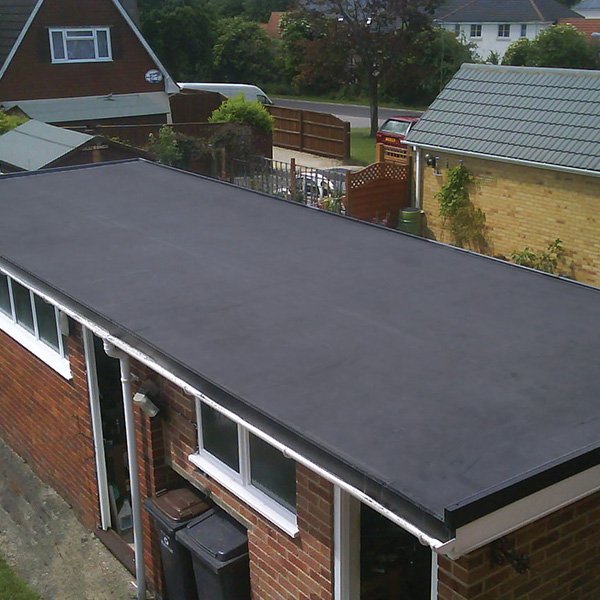
- Bituminous Membranes: This is the most popular and cost-effective waterproofing solution for the majority of flat roofs.
- Single-Ply EPDM: A modern rubber membrane known for its fantastic elasticity and impressive lifespan.
- Clay Tiles: These tiles are great at resisting moisture but are heavy and need strong structural support, making them best suited for particular medium-rise designs.
The Rise of Sustainable and Energy-Efficient Roofing in Dublin
The push for a greener Ireland is changing the rulebook for how we build commercial and residential properties. There’s a growing demand for energy-efficient roofs that improve a building’s ability to retain heat. A sustainable roof is more than just a box-ticking exercise for Housing for All, it’s a smart investment that actively cuts down on running costs, potentially lowering a building’s energy bills by a significant 20-30%.
Solar-Ready Roofs, Green Roofs, and SEAI Grants
New apartment buildings are increasingly being designed with solar-ready flat roofs. This kind of forward-thinking makes it easy to add photovoltaic systems down the line without the headache and expense of a major retrofit. Green roofs are another fantastic option, where a bituminous base is covered with living vegetation. These systems, which cost around €150/m², not only improve insulation but also help manage stormwater. For a more budget-friendly alternative, a highly insulated metal roof provides excellent efficiency for roughly €60/m².
These green investments usually pay for themselves within 5-7 years. That return can be even faster thanks to SEAI grants, which provide a financial incentive for energy-saving upgrades. Emergency Roofers Dublin has extensive experience in retrofitting older apartment blocks to meet today’s demanding energy standards, boosting their asset value while shrinking their carbon footprint.
Why Emergency Roofers Dublin is the Partner for Your Apartment Project
We live and breathe Dublin roofing. We know what it takes to handle 1200 mm of rain a year and exactly which materials will stand up to the corrosive coastal air. Our team delivers a complete service (roofing, guttering, and chimneys), all tailored to the specific needs of medium-rise apartment complexes.
Efficiency is at the heart of everything we do. In a market where residential construction is growing at a slow pace of 1.8%, getting things done quickly really matters. Our streamlined processes mean we can complete installations up to 20% faster than the industry standard. This helps you keep your project on track and minimizes the time your building is exposed to bad weather during construction.
Proven Success in Dublin's Competitive Market
We’re prepared for the projected 11.56% market growth in 2025, with the team and resources ready to meet the demand. A great example of what we can do is a recent project on a 48-unit block in south Dublin. Our strict cost-control measures were crucial in keeping the project financially viable, especially when measured against the €537,000 per-unit benchmark. We provided rock-solid warranties, including full coverage on 100-year slate, and even set up a dedicated emergency response plan for the property management team.
Think of the roof on your apartment complex as more than just a line item on a budget; it’s your primary defense against Dublin’s relentless weather and a major financial commitment. As development costs continue to climb and regulations get stricter, you need a partner who brings precision, speed, and deep local knowledge to the table. Emergency Roofers Dublin has the expertise you need to protect your investment and secure its long-term profitability. Get in touch with us today to talk about your project.
Frequently Asked Questions
The cost to re-roof an apartment building in Dublin really hinges on the materials you choose, the size of the roof, and how easy it is to access.
For flat roofs using systems like bituminous felt or EPDM, you can expect to pay between €60 and €90 per square meter. For pitched roofs, using beautiful natural slate can push the cost over €100 per square meter because the material itself is premium, and it takes more skill to install.
The total price will also cover scaffolding, getting rid of the old material, and any insulation upgrades needed to meet current building regulations. It’s wise to budget an extra 10-15% for any surprises, like hidden structural repairs.
Try to get a fixed-price contract that lists labour and material costs separately. This gives you protection from the price swings in the Irish construction market, which have recently added as much as 4% to development budgets
To last in Dublin, a roof needs to be tough enough to handle constant dampness and salty air. Natural slate is the undisputed champion of durability, often lasting more than 100 years. For flat roofs, modern EPDM (a type of rubber) and high-performance bituminous membranes offer the best waterproofing.
Slate is non-porous and heavy, so wind-driven rain simply can't get through. Metal roofing, like zinc or coated steel, is also a fantastic choice because it resists the corrosive effects of the coastal air. While slate costs more upfront, its incredible lifespan means the cost per year is actually lower than for materials you’d have to replace every 20-25 years.
Living by the coast speeds up the aging process for a roof through a combination of corrosion and wind. That salty spray from the coast isn't harmless. It chemically reacts with standard metals and untreated screws, causing them to rust and weaken the entire structure.
Furthermore, strong winds in coastal areas like Dublin create a powerful lifting force on roofs. This can easily rip off tiles and peel back flat roof membranes that aren't properly secured.
Always insist on marine-grade stainless steel fixings and use thicker, more robust membranes. It's also crucial to have regular inspections to spot the early signs of salt damage before they turn into major leaks.
Absolutely. Flat roofs are a very practical and widely used choice for modern apartment buildings. They let you maximize the interior space and provide a perfect platform for placing HVAC units or solar panels.
A modern flat roof isn't actually flat. It has a slight, carefully engineered slope to guide water towards internal drains. Puddles, or ponding, only become a problem if the design is flawed or the roof isn't maintained.
When waterproofed correctly with modern materials like torch-on felt or PVC, a flat roof is a cost-effective solution that also helps buildings comply with urban height restrictions.
The lifespan of a roof depends entirely on the materials used and how well it's looked after. A well-maintained slate roof can easily last 80-100 years. Metal roofs generally last between 40 and 70 years. For flat roofs with bituminous membranes, you should expect a lifespan of about 20-25 years.
Neglecting maintenance, allowing moss to grow, and constant exposure to UV rays can all take years off a roof's life.
Property managers should factor in a major roof refurbishment every 25 years for flat roof sections. This is essential for keeping the building protected and ensuring your insurance remains valid.
Yes, there are grants available that focus on improving a building's thermal performance and integrating renewable energy. The Sustainable Energy Authority of Ireland (SEAI) offers grants for things like adding insulation and installing solar PV panels.
These grants are generally aimed at retrofitting older buildings to help them achieve a better Building Energy Rating (BER). They can cover a good chunk of the initial cost, helping to shorten the payback period for green upgrades to as little as 5-7 years.
Ponding is when you still have puddles of water on a flat roof 48 hours after it has stopped raining. It's usually a sign of a problem, like an insufficient slope, a sagging roof deck, or blocked drains.
Standing water is the enemy of a flat roof. It breaks down the seams in the membrane, adds a lot of extra weight, and creates a damp environment where algae can grow and damage the roof seal. The roof must be designed with a proper slope (at least 1:80). A great way to achieve this is by installing tapered insulation, which creates channels to actively guide water towards the drains.
Regular inspections are not just a good idea; they're essential for preventative maintenance and keeping your insurance company happy. A thorough inspection should be carried out twice a year, ideally in the spring and autumn, and always after a major storm.
An inspector will be checking for things like cracked tiles, blisters on flat roof membranes, blocked gutters, and any gaps in the flashing. Always maintain a photo log of every inspection. This documentation can be invaluable if you ever need to make an insurance claim for storm damage.
Yes, they can, and new regulations actively encourage it. Flat roofs are perfect for solar panels because you can position the arrays to face south for maximum sun exposure, no matter which way the building is oriented.
To avoid damaging the roof, installers often use ballasted systems, which use weights to hold the panels in place without making a single hole in the waterproof membrane. Solar panels can significantly reduce the electricity costs for common areas (like lifts and hallway lighting) and will improve the building’s overall energy rating.
Most leaks don't happen in the middle of the roof; they start where something penetrates or joins the roof surface. The most common culprits are failed flashing around chimneys, vents, and skylights. These are the weakest points where water can get in.
If internal drains or gutters get clogged, water will back up and eventually find a way to seep under the roofing material. Over time, the natural expansion and contraction of the building due to temperature changes can crack rigid mortar or even tear flexible membranes.
For a big project, you need a contractor with the right experience, financial stability, and capacity to handle the job. First, verify that they have sufficient Public Liability and Employers’ Liability insurance. Look for credentials like membership in the National Guild of Master Craftsmen or a similar professional body.
Ask to see case studies of projects on a similar scale. A contractor who mainly works on single-family homes might not have the logistical skills needed to manage a 48-unit complex.
Make sure the contract includes a written warranty that covers both the materials and the quality of the workmanship.
For modern developments, metal roofing offers a fantastic combination of durability and installation speed. It's lightweight, which reduces the structural load on the building. It’s also non-combustible and excellent at resisting the wind uplift forces common in Dublin.
Materials like zinc and copper develop a natural protective layer, or patina, that actually self-heals minor scratches and requires very little cleaning. Metal allows for very low-pitched roof designs where traditional materials like slate wouldn't be able to drain water effectively.
A roof isn't just one thing; it's a complete system. If one component fails, the entire building is at risk. Problems with chimney flashing are one of the top causes of roof leaks. Repairing these at the same time as a re-roofing project saves a lot of money on future access and scaffolding costs.
A large apartment roof collects a huge amount of rainwater. It needs oversized, commercial-grade guttering to handle the deluge during a heavy downpour without overflowing.
Tackling the roof, gutters, and chimneys all at once is the smartest approach. It dramatically reduces scaffolding costs and shortens the overall time your project takes to complete.