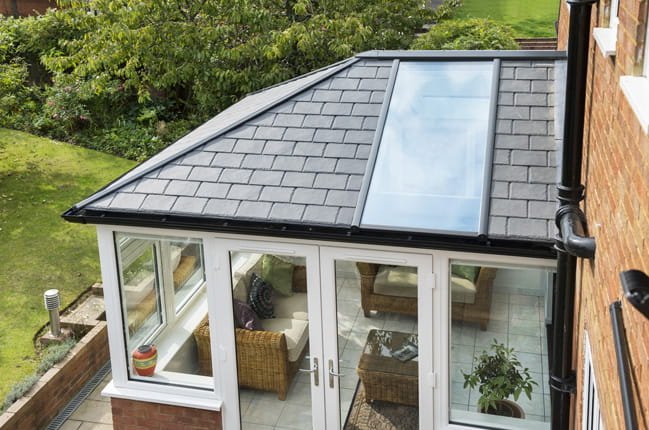
Asbestos isn’t just another problem you can sweep into a skip and forget about. It’s invisible, dangerous, and stubbornly tied to Ireland’s building history. For decades, it was the go-to material for roofs, insulation, pipes, and tiles. Strong, cheap, fire-resistant: it looked like a miracle. But now we know the truth, it’s also deadly.
If you own an older home, farm building, or commercial property in Ireland, chances are asbestos could be sitting quietly somewhere in your structure. And while it doesn’t make noise or leak like a roof problem, mishandling asbestos can cost you far more than money.
This guide is here to strip away the confusion. We’ll walk through what asbestos is, why disposal is critical, where to find it, how Ireland regulates its removal, the costs involved, and what you can realistically do if you discover it. Whether you’re a homeowner, a landlord, or a business owner, this is the information that keeps your family safe, your property compliant, and your conscience clear.
What Exactly Is Asbestos?
Asbestos is a group of naturally occurring minerals once celebrated for being practically indestructible. Builders loved it. Homeowners unknowingly inherited it. And decades later, medical science cursed it.
The problem lies in the fibres. Asbestos doesn’t dissolve or break down, it splinters. Tiny fibres release into the air when disturbed, and once inhaled, they lodge deep inside the lungs. Over time, this exposure can lead to asbestosis, lung cancer, or mesothelioma (a cancer almost exclusively caused by asbestos).
The scary part? These fibres are invisible. You can’t smell or taste them. You could breathe them in without knowing it. That’s why asbestos disposal isn’t just a legal formality, it’s literally a life-or-death issue.
Where You’re Most Likely To Find Asbestos In Ireland
If your property was built or renovated before 2000, asbestos is a real possibility. It was used widely in Irish construction, especially during the 1940s – 1980s. Common hiding places include:
- Roofing materials
- Corrugated asbestos cement sheets on garages, barns, or sheds.
- Slate-like roofing tiles.
- Insulation products
- Pipe lagging.
- Boiler and heating system insulation.
- Loose-fill insulation in lofts.
- Interior finishes
- Ceiling and wall panels.
- Textured coatings (like old-style Artex).
- Vinyl floor tiles.
- Exterior uses
- Guttering, soffits, and downpipes.
- Cement water tanks.
If you’ve spotted suspicious material, resist the temptation to poke it, sand it, or pull it apart. The moment asbestos is disturbed is when it’s most dangerous.
Ireland’s Laws On Asbestos Disposal
Ireland takes asbestos seriously. The Health and Safety Authority (HSA) sets strict rules for handling and disposal. Here’s what you need to know:
- DIY removal is not recommended. While homeowners are not legally prohibited from handling asbestos cement sheets, the risks are enormous. Any asbestos beyond basic cement sheets requires licensed contractors by law.
- Licensed contractors only. Certain asbestos types, like pipe lagging or sprayed insulation, are classed as “high risk” and must be removed by licensed asbestos removal specialists.
- Waste disposal rules. Asbestos cannot be thrown into general skips or landfills. It must be double-bagged, sealed, and taken to an approved hazardous waste facility. Not every waste centre accepts it, special arrangements are required.
- Duty of care for businesses. Landlords and employers are legally obligated to manage asbestos risks on their properties. Failing to do so can lead to fines, legal claims, and serious liability.
The Process Of Asbestos Disposal
Proper asbestos disposal in Ireland isn’t a quick in-and-out job. It follows a precise process:
- Survey & Testing: A licensed asbestos surveyor inspects the property, takes samples, and confirms if asbestos is present and what type it is.
- Risk Assessment & Plan: Based on findings, a disposal plan is created. This includes safety measures, equipment needed, and disposal methods.
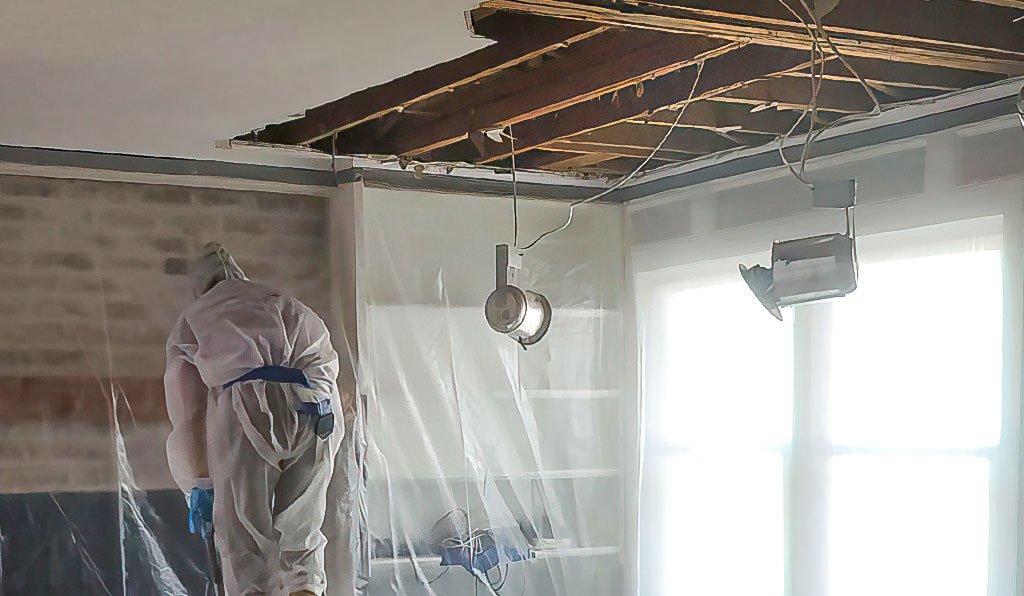
- Removal: Trained professionals carefully remove the asbestos, keeping it wet to reduce airborne fibres. Materials are sealed in special bags or containers.
- Transportation: Asbestos waste is transported under strict guidelines, using sealed and labelled packaging.
- Disposal: Waste goes to licensed hazardous waste facilities. These facilities follow EU environmental rules to prevent contamination.
- Clearance Certificate: After removal, air testing may be carried out, and a clearance certificate issued for peace of mind.
How Much Does Asbestos Disposal Cost In Ireland?
Costs vary widely depending on what type of asbestos you have and how much of it needs to go. To give you an idea:
- Survey and testing: €250 – €500 depending on property size.
- Small-scale disposal (e.g., garage roof sheets): €800 – €1,500.
- Larger residential jobs (lofts, insulation, flooring): €2,000 – €6,000+.
- Commercial projects: Costs can run well into five figures.
Other cost factors include:
- Accessibility (a single garage roof vs. asbestos in attic insulation).
- Waste disposal fees at hazardous sites.
- Protective equipment and specialised labour.
- Urgency (emergency jobs can cost more).
While the price may sting, cutting corners is far more expensive. If asbestos isn’t disposed of properly, you risk exposure, fines, or future buyers pulling out of property sales once a survey reveals asbestos.
Common Mistakes People Make With Asbestos
To save you stress (and money), here are the classic blunders you’ll want to avoid:
- Trying to DIY it – pulling out asbestos cement sheets without masks, suits, or sealing measures.
- Using general skips – waste companies will refuse collection, and you could face penalties.
- Drilling, sanding, or breaking it up – this releases dangerous fibres into the air.
- Delaying action – the longer asbestos sits in poor condition, the greater the risk of exposure.
- Hiring unqualified contractors – always confirm they’re licensed and experienced.
Practical Tips If You Suspect Asbestos
If you think asbestos might be lurking in your property, here’s the smart way forward:
- Don’t disturb the material. Leave it in place until tested.
- Contact an accredited asbestos surveyor for sampling.
- If confirmed, get at least 2 – 3 quotes from licensed asbestos contractors.
- Ask about disposal locations, they should provide documentation.
- Keep records for your own protection (useful if selling property later).
Why Proper Disposal Is Worth It
It’s easy to think, “Out of sight, out of mind.” But asbestos doesn’t work that way. Here’s why proper disposal pays off:
- Protects your health – nothing is worth exposing yourself or your family to asbestos fibres.
- Keeps you legal – compliance with Irish law prevents costly fines and liability.
- Future-proofs your property – surveys during a sale won’t raise red flags.
- Environmental safety – correct disposal prevents asbestos contaminating soil or waterways.
- Peace of mind – once it’s gone, it’s gone. That’s priceless.
Finding Licensed Asbestos Disposal Services In Ireland
Not every waste contractor handles asbestos. You’ll need specialists with HSA-approved training. When choosing, look for:
- Proper licensing and insurance.
- Experience with similar projects (domestic, farm, or commercial).
- Clear disposal documentation (waste transfer notes).
- Transparent pricing with no hidden extras.
Local councils may also provide lists of approved contractors and facilities. Always cross-check with the HSA website.
Asbestos disposal in Ireland is not the kind of job you gamble on. It’s dangerous, tightly regulated, and requires expert handling. But the good news is this: once it’s dealt with, you never have to worry about it again.
If you’re staring at a roof sheet that looks suspicious, or wondering about that old boiler insulation, don’t panic. Get it tested, get professional advice, and get it safely removed. It’s an investment in your health, your family’s future, and your property’s value.
Life is too short to spend it worrying about invisible fibres floating around your home. Take the safe route, and you’ll breathe easier, literally.
Frequently Asked Questions
Yes. While asbestos use was banned in Ireland in 2000, many homes, farm buildings, and commercial properties built before that still contain asbestos in roofs, pipes, insulation, or wall panels. If your property is older, assume asbestos could be present until proven otherwise.
Technically, homeowners can remove very low-risk asbestos cement sheets (like old garage roof panels) if handled carefully. However, it is strongly discouraged. The health risks are serious, and you could spread fibres without realising it. High-risk materials like pipe lagging or sprayed insulation must only be handled by licensed asbestos contractors.
You can’t tell by looking at it. Asbestos fibres are microscopic and hidden inside cement, insulation, or tiles. The only way to be sure is to have a sample tested by an accredited asbestos surveyor or laboratory.
If you’ve drilled, broken, or damaged suspected asbestos, stop work immediately. Leave the area, avoid spreading dust, and call an asbestos professional for advice. Don’t sweep, vacuum, or wash it down, as this can spread fibres further.
Not every landfill or recycling centre accepts asbestos. It must go to an authorised hazardous waste facility. Licensed asbestos contractors will usually handle the disposal process for you and provide a waste transfer certificate. Contact your local council or the Environmental Protection Agency (EPA) for disposal sites near you.
Costs depend on the type and amount of asbestos, but small jobs (like a garage roof) may cost around €800 – €1,500. Larger residential or commercial projects can run into several thousand euros. Testing and surveys usually add €250 – €500. Always get multiple quotes from licensed contractors.
Asbestos in good condition and undisturbed is generally low risk. The danger comes when it’s broken, drilled, or deteriorating, as fibres can be released into the air. However, leaving it in place is only safe if it’s sealed and monitored.
Yes. If you know asbestos is present, you are legally obliged to disclose it when selling a property. Failing to do so can cause the sale to fall through or lead to legal issues later. Having asbestos removed before putting your home on the market often increases its value and buyer confidence.
Smaller jobs may be completed in a day or two. Larger or more complex removals, like pipe insulation or full roof sheets, can take a week or longer depending on safety measures and site access.
Licensed contractors use specialist equipment, including:
- Disposable protective suits.
- Respiratory protective equipment (RPE).
- Sealed bags or containers for waste.
- Negative pressure units and air filters in high-risk cases.
This is why professional handling is critical, ordinary masks or dust sheets are not enough.
No. Asbestos cannot be recycled due to its hazardous nature. It must be permanently disposed of at a licensed hazardous waste facility.
Most standard home insurance policies in Ireland do not cover asbestos testing or removal. However, if asbestos poses an immediate risk due to storm damage or another insured event, your policy might contribute to costs. Always check with your insurer.
- Removal: The asbestos is physically taken out and disposed of.
- Encapsulation: The asbestos is sealed with a special coating to prevent fibres escaping. Encapsulation is sometimes cheaper and safer for materials in good condition, but removal offers a permanent solution.
The Health and Safety Authority (HSA) oversees workplace asbestos regulations, while the EPA governs environmental disposal standards. Both agencies set strict rules for handling, transportation, and waste management.