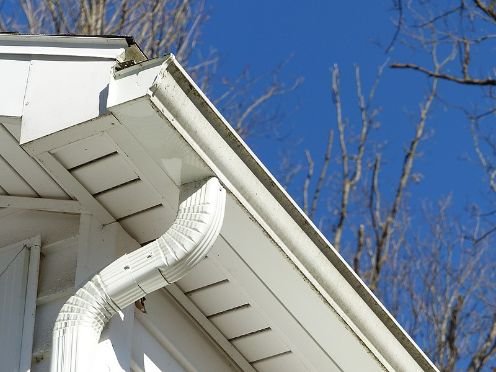
Let’s be honest, Dublin rain isn’t just a possibility; it’s a guarantee. With our city seeing over 800mm of rainfall every year, the system protecting your home’s foundation is constantly working overtime against water, wind, and the salty coastal air. The material you choose for your gutters will be the deciding factor in whether your home stays comfortably dry or starts showing the tell-tale signs of damp and structural stress. Think of it not as a simple purchase, but as a crucial investment in the health of your property, one that requires balancing the upfront cost with how well it will stand up to the uniquely Irish weather.
Essential Findings
- For the Dublin climate, aluminium strikes the best balance between affordability and long-lasting durability.
- If you own a heritage or period property, copper offers a beautiful, lifetime solution that ages gracefully with your home.
- Vinyl might seem like a bargain, but it often cracks in freezing weather and isn’t strong enough for our heavier storms.
- Getting a professional to install your gutters is absolutely vital for making sure your warranty is valid and your home stays leak-free.
Choosing the Best Gutter Material for Dublin's Weather
Dublin’s temperate maritime climate is lovely, but it’s tough on buildings. It calls for gutter materials that can shrug off rust and handle a serious amount of water. We know that as a homeowner, it can be tricky to weigh the initial price tag against how long a system will last. To help you make a confident decision, we’ve put together a straightforward comparison of the most common materials you’ll find.
Material | Cost (€/m) | Lifespan (Years) | Dublin Suitability |
Aluminium | €12-20 | 20-30 | High |
Copper | €40-60 | 50-100+ | Very High |
Steel | €15-30 | 15-20 | Moderate |
Vinyl (PVC) | €8-12 | 10-15 | Low |
For most Dublin homes, aluminium really stands out as the most sensible choice. It naturally resists the corrosion that’s so common in our damp air and has a lifespan that more than justifies the cost. While vinyl looks tempting with its low price, its tendency to fail when the temperature drops makes it a false economy in the long run. Here at Emergency Roofers Dublin, we consistently recommend metal options because we’ve seen firsthand how much better they perform in our specific weather patterns.
A Deep Dive into Gutter Materials for Irish Homes
Getting to know the unique character of each material will help you picture how it will perform on your roof day in and day out. Every option has its own set of strengths, depending on the age of your home, your budget, and how exposed you are to those coastal breezes.
Aluminium Gutters
It’s no surprise that aluminium is the go-to material for modern Irish guttering. Its biggest advantage is how light it is; at under 2kg per metre, it puts very little strain on your fascia boards while still being impressively strong. Most importantly for anyone living in Dublin, aluminium simply doesn’t rust. According to the experts at Bob Vila, aluminium gutters come in different thicknesses, or gauges, from .027 to .032 inches. We always recommend the thicker .032 gauge for Dublin homes, as this premium grade is much better at resisting bending during those blustery days.
You can expect these systems to last a solid 20 to 30 years. While aluminium handles our wet climate like a champ, it’s worth noting, as Forbes points out, that it can dent if it gets a hard knock from a ladder or heavy hail. On the plus side, opting for a 6-inch profile instead of the standard 5-inch version allows it to hold 20% more water, making it perfect for handling those sudden, heavy downpours. Costing between €12 and €20 per metre, it delivers a return on your investment that vinyl just can’t compete with.
Copper Gutters
For those lucky enough to live in one of Dublin’s historic red-brick terraces or a beautiful period home in areas like Rathmines or Ballsbridge, copper is the absolute gold standard. It doesn’t just protect your home; it makes a stunning visual statement that gets even better with age. The team at This Old House explains that over time, copper develops a gorgeous green patina. This isn’t just for looks, it’s a natural protective layer that shields the metal from corrosion, making it practically immune to the rust that can plague lesser metals.
The lifespan of copper is simply in a league of its own, often lasting well over 50 or even 100 years. As Gutter Supply notes, while the initial cost is certainly higher, from €40 to €60 per metre, its incredible longevity makes it a very wise financial decision for a forever home. As an added bonus, copper has natural antifungal properties, which helps to slow down the growth of moss that loves Dublin’s damp conditions. Just be aware that installation is a specialised skill; handling copper incorrectly can spoil its beautiful finish, so it’s essential to trust experts like Emergency Roofers Dublin for the job.
Steel Gutters
If your main priority is raw strength, then steel is the material for you. It can take a hit from fallen branches or withstand heavy winds far better than aluminium. Galvanised steel is coated with a layer of zinc to fight off rust, a protective shield that ABC Seamless says can last up to 20 years. The catch, however, is that the salty air we get near Dublin Bay can speed up corrosion if that zinc coating ever gets scratched.
A newer option, Galvalume, is a steel alloy coated with both aluminium and zinc, offering better rust resistance and lasting about 25% longer than vinyl. You can expect to pay between €15 and €30 per metre. While it’s incredibly strong, steel does require a bit of looking after; yearly checks are a good idea to catch and treat any early signs of rust.
Vinyl (PVC) Gutters
You’ll see vinyl gutters everywhere, mainly because they are so cheap, often costing less than €10 per metre. They’re also lightweight, won’t rust, and are easy for DIYers to snap together. However, as Angi rightly points out, while vinyl is kind to your wallet initially, it comes with some serious downsides in a climate like ours.
Here in Dublin, where winter temperatures can dip below freezing, vinyl can become very brittle. This means it’s at risk of cracking during a cold snap or sagging under the weight of water after a few days of persistent rain. With a lifespan of only 10 to 15 years, it’s really best thought of as a temporary fix or a solution for a shed or outbuilding rather than for your main family home.
Cost vs. Lifespan
A savvy homeowner knows to look beyond the initial installation bill and consider the total cost of ownership over the years. Vinyl might have the lowest entry fee, but the money you save upfront can quickly disappear with the need for frequent repairs and an early replacement.
Data from Forbes shows that metal systems, especially aluminium, effectively pay for themselves within 5 to 7 years when you compare them to the shorter replacement cycle of vinyl. A copper system, which might cost three to five times more than aluminium to install, justifies its price by lasting at least three times as long, essentially letting you forget about gutter worries for the next century.
Material | Cost Range (€/m) | Lifespan (Years) |
Vinyl | €8-12 | 10-15 |
Steel | €15-30 | 15-20 |
Aluminium | €12-20 | 20-30 |
Copper | €40-60 | 50-100+ |
Zinc | €40-60 | 50-80 |
Feel free to get in touch with Emergency Roofers Dublin today. We’d be happy to provide a precise, no-obligation quote tailored to your home’s unique measurements and needs.
Expert Recommendations for Your Dublin Guttering Project
To keep leaks at bay and protect your home’s masonry, we nearly always recommend seamless aluminium or steel gutters for most Dublin properties. The experts at Greenawalt Roofing highlight that seamless designs get rid of the joints, which are the most common weak spots where leaks start.
When it comes to capacity, choosing a 6-inch profile over the standard 5-inch one boosts water volume capacity by 20%. That might not sound like much, but it’s a crucial buffer during our intense winter storms. For owners of heritage homes, we suggest leaning toward half-round copper gutters to preserve the architectural character of your property while still getting top-tier performance.
Ultimately, the quality of the installation is what makes or breaks any guttering system. As Gutter Supply mentions, materials like copper need very specific soldering techniques to ensure the warranty remains valid. Emergency Roofers Dublin has the expertise required to secure these systems properly against Irish gales, making sure your home stays watertight for decades to come.
Commonly Asked Questions
Without a doubt, aluminium is the material you'll see most often on homes across Dublin. It accounts for the vast majority of residential installations because it's so well-suited to our wet, maritime climate.
The main reason is that aluminium doesn't rust, which is a huge concern in Dublin's constantly damp environment. It's also lightweight, so it doesn't put stress on your fascia boards, but it’s still more than strong enough to handle wind and a bit of debris.
For most homeowners, this means aluminium hits the sweet spot between price, performance, and looks. You get to avoid the constant worry of rust that comes with steel, without the brittleness of vinyl in the cold.
You can realistically expect a good set of aluminium gutters to last between 20 and 30 years in typical Irish conditions.
That lifespan really depends on two things: the thickness (gauge) of the aluminium and how well it was installed. A professional-grade .032 gauge gutter will stand up to Irish wind and rain much better than the thinner options you might find in a DIY store.
By investing in quality aluminium installed by professionals, you're ensuring you won't have to think about this particular home improvement project again for at least two decades. This gives you a much lower cost-per-year than cheaper, short-term alternatives.
Yes, absolutely. For historic properties or for homeowners who want a "fit it and forget it" lifetime solution, copper gutters are a fantastic investment.
Copper develops a beautiful patina that actually protects the metal from any kind of corrosion. While the initial bill will be 3 to 5 times higher than for aluminium, the lifespan can stretch to 100 years or more.
This isn't just an expense; it's a capital improvement that can increase the resale value of a period home by preserving its authentic character. You're effectively eliminating any future replacement costs for good.
The main issue is that vinyl (PVC) gutters can become brittle and prone to cracking when the temperature drops towards freezing.
While Dublin winters aren't arctic, we definitely get our fair share of frosts. Vinyl is a type of plastic that loses its flexibility in the cold. This means if it's hit by a branch or stressed by expanding ice during a freeze, it's more likely to snap than to bend.
Using vinyl in Ireland often leads to an early system failure. When those cracks appear, you end up with leaks that can cause water damage to your home's exterior walls.
The simplest difference is that galvanised steel will eventually rust if it's damaged, whereas aluminium will not.
On the one hand, galvanised steel is stronger and tougher than aluminium, so it’s more resistant to dents from ladders or hail. However, its rust protection comes from a thin coating of zinc. If that coating gets scratched or wears away, the steel underneath will start to corrode, a process that happens even faster in Dublin's salty air.
So, there's a trade-off. Steel is better for pure strength, but needs more maintenance and checks. Aluminium is more of a fit-and-forget solution when it comes to rust, making it the lower-maintenance choice for the average homeowner.
A 6-inch gutter can hold a surprising 40% to 50% more water than a standard 5-inch one, although the effective increase in flow is often closer to 20-30% once you factor in the downspouts.
That extra inch of width makes a huge difference to the volume of the channel. In Dublin, where we're no strangers to flash floods and sudden downpours, that extra capacity can be the difference between water flowing away safely and it overshooting the gutter to soak your foundation.
For houses with large or steep roofs, upgrading to a 6-inch profile is a smart, strategic move. It ensures your gutter system isn't overwhelmed during the heaviest bursts of rain.
Yes, professional installation is highly recommended. It’s the only way to guarantee the correct pitch, prevent leaks, and ensure your warranty is covered.
Gutters need to be sloped just right, a concept called pitch, to make sure water flows smoothly to the downspouts instead of pooling. Incorrect pitch leads to standing water, which attracts mosquitoes and accelerates rust. On top of that, seamless gutters, which are the best defence against leaks, have to be custom-made on-site by a professional with the right equipment.
A DIY installation often results in costly problems down the line, like fascia rot and foundation issues, all because the water isn't being managed properly. A professional installation from a team like Emergency Roofers Dublin guarantees the system will work exactly as it's supposed to.
Copper is by far the most effective material for stopping moss and algae from taking hold.
Copper naturally works as an algaecide and fungicide. When rainwater flows over the copper surface, it picks up tiny trace amounts of the metal. This water then washes through the system, preventing the kind of biological growth that so often clogs gutters in our damp climate.
Choosing copper means you'll have to clean your gutters less often to keep them clear and flowing freely, which solves one of the most common maintenance headaches for homeowners in Ireland.
You should plan to replace your gutters when they start to show ongoing signs of trouble, like persistent leaks, spreading rust, or sagging away from the house. For most standard materials, this is typically every 20-25 years.
Even though a material like copper can last a lifetime, the sealants and joints on older, sectional systems can fail much sooner. If you find yourself constantly patching up the same spots or notice the fascia board behind the gutter is damp, the system has probably reached the end of its useful life.
Being proactive about replacement can save you thousands of Euros in damage to your home's brickwork, insulation, and foundation. Waiting until a gutter actually falls off will cause a much bigger and more expensive mess.
For standing up to physical storm damage, steel and copper are your most durable choices.
Steel has incredible tensile strength, which means it resists bending under heavy wind or getting damaged by flying debris. Copper is similarly tough and won't crack under pressure. Aluminium, while perfectly good for most situations, is a softer metal and is more likely to get dented during a severe hailstorm or if hit by a large branch.
If your home is in a particularly exposed spot or surrounded by large trees, investing in steel or copper gives you the extra structural peace of mind needed to get through the worst of our Irish storms without damage.
Yes, it certainly does. The salty air can dramatically speed up the corrosion process in standard steel gutters.
Salt acts as an electrolyte, which supercharges the chemical reaction that causes rust (oxidation). Galvanised steel is protected by a zinc coating, but once salt and moisture find a way to penetrate that layer, the steel underneath can rot away surprisingly quickly. Aluminium naturally resists this type of corrosion, and copper is completely immune to it.
For anyone living near the coast, it's wise to avoid standard steel gutters. Your best bet is to choose aluminium or copper to ensure your system can handle the saline environment for years to come.
Seamless gutters are long, continuous troughs of guttering that are custom-made on-site to perfectly fit your roofline, and yes, they are an excellent choice for Dublin.
Unlike traditional sectional gutters that come in short pieces and have to be joined together every few feet, seamless gutters only have joints at the corners and downspouts. Having far fewer joints means there are far fewer places for leaks to start as sealants get old and wear out.
For homeowners in a rainy city like ours, seamless systems offer much better protection against leaks and also provide a cleaner, more modern look. They are now considered the gold standard for reliable rainwater management.
If you're ready to make sure your home is fully protected from the elements, give Emergency Roofers Dublin a call. We have the local expertise and high-quality materials needed to keep your property safe and dry, no matter what the Irish weather decides to throw at us.