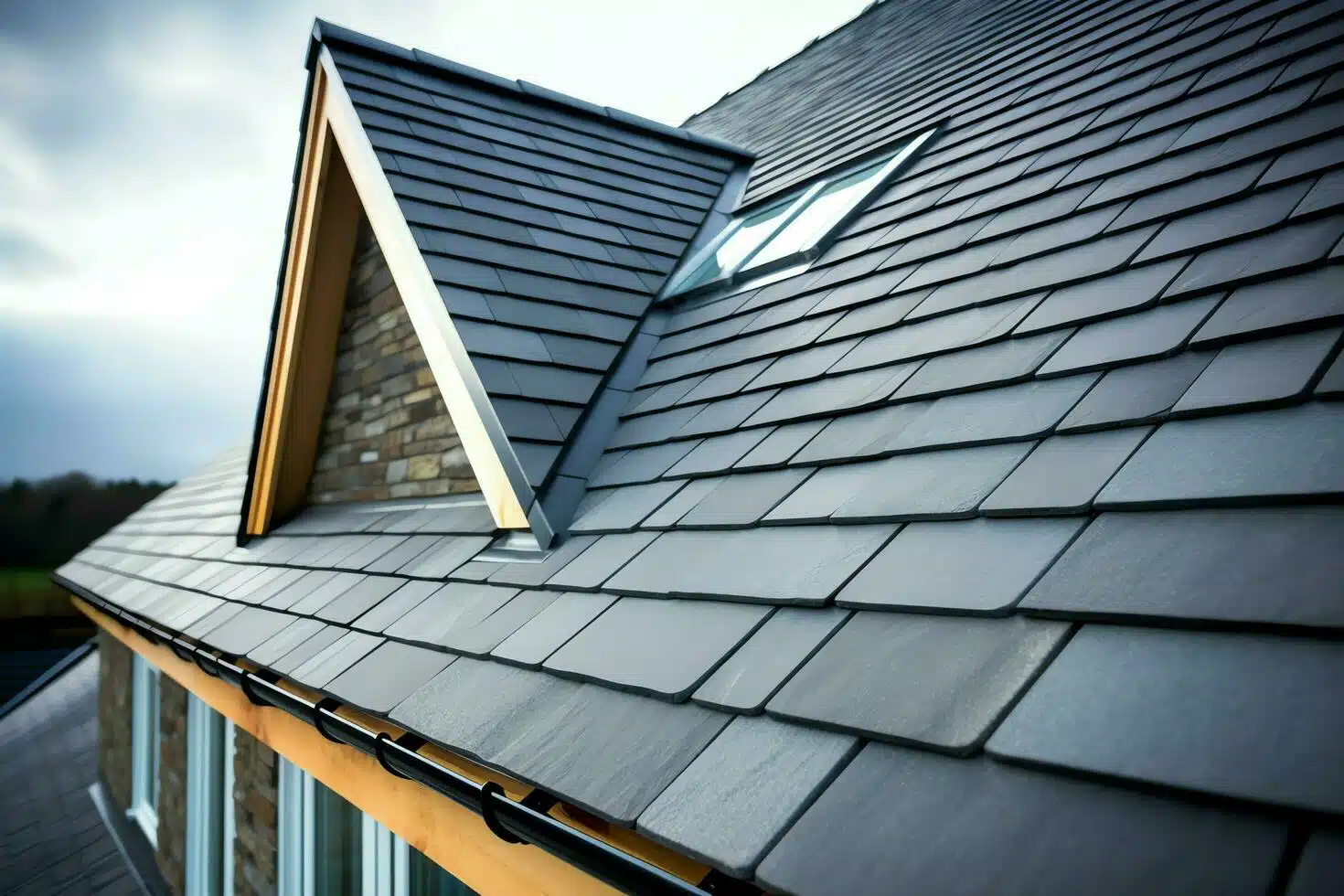
In Dublin, rain isn’t just a bit of bad weather; it’s a real test of endurance for your home. You can hear the wind battering the outside walls, but you probably don’t think about the quiet fight going on inside your chimney flue, at least, not until a damp patch starts spreading across your ceiling. Rainwater is the biggest threat to your chimney’s lifespan, and it can rack up thousands of euros in damage before you even notice a single drip in your fireplace.
Salient Points
- When rain gets into your chimney, it can lead to rust, mould, and even cracks in the structure.
- Think of a chimney cap as a vital umbrella for your flue, keeping it dry and stopping those annoying downdraughts.
- Getting your chimney crown and flashing checked once a year can save you from huge water damage repair bills.
- At Emergency Roofers Dublin, we take care of all your chimney waterproofing needs, from fitting a new cowl to repairing lead flashing.
How Rain Destroys Dublin Chimneys from the Inside Out
The problem with water is that it causes all sorts of trouble you can’t see right away. When rain seeps into the chimney stack, it quickly starts to rust metal stoves and expensive flue liners. And it doesn’t just stop with the metal parts. The brickwork itself acts like a big, hard sponge, soaking up all that moisture. Then, when the temperature plummets, that trapped water freezes and expands. This constant freeze-thaw cycle is what cracks bricks from the inside, slowly weakening the entire chimney structure. Building science experts agree that moisture is the main culprit behind the decay of porous materials like brick, which can lead to serious structural problems down the line.
Inside your home, you might start to see the evidence as damp stains, ugly mould patches, or a musty smell that just won’t go away. If left unchecked, that moisture will travel downwards, potentially rotting important timber joists as it goes. A lot of homeowners call us thinking they have a leak in their roof, but very often, we find the real problem is water getting in through the chimney. Ignoring these signs will almost certainly lead to a repair bill that’s much, much higher than what it would have cost to prevent the problem in the first place.
6 Telltale Signs Your Chimney Is Letting in Rain
Keep an eye out for these specific warning signs before you pick up the phone. You can even do a quick check yourself from the safety of your garden or living room.
- Visible Drips: You can actually see water dripping into your fireplace or forming a puddle on the grate, especially when it’s raining heavily.
- Odours: There’s a persistent damp, musty smell coming from your fireplace that gets worse after it rains.
- Debris: You’re finding little bits of mortar, brick, or extra soot in the hearth. This is a big clue that the inside of the chimney is crumbling.
- Stains: You’ve noticed new brown or yellow stains appearing on the ceiling or wallpaper around the chimney breast.
- Peeling Paint: The paint on the walls near the chimney is starting to bubble, peel, or flake off because of moisture trapped behind it.
- Audible dripping: You can actually hear a dripping sound inside the chimney or walls when it’s quiet.
It’s so important to act on these signs as soon as you spot them. Irish property experts often point out how crucial it is to cap unused chimneys, as they are a very common source of mysterious damp problems in homes. And if you hear any scratching or fluttering sounds, you could have birds nesting in there. Nests not only block the flue but also trap moisture, making everything worse.
Your Chimney’s First Line of Defence Against Dublin Weather
Your chimney is cleverly designed to use gravity to keep water out. It isn’t meant to be completely airtight, but it is built to guide rainwater away effectively. The very top of your chimney has a concrete slope called a crown (or flaunching). Its one job is to direct rainwater to run away from the flue opening. A well-made crown should stick out a couple of inches past the brickwork, creating a ‘drip edge’ so water falls to the ground instead of running straight down the side of the chimney.
The next line of defence is the mortar between the bricks and the lead flashing where the chimney meets the roof. This flashing is specifically designed to channel water away from that vulnerable gap between the chimney and your roof tiles. As chimney specialists will tell you, these waterproofing details are absolutely essential for stopping rain from soaking into the porous brickwork. Here at Emergency Roofers Dublin, we find that more than 9 out of 10 of our call-outs for leaky chimneys are caused by a cracked crown or failing flashing, not by rain falling directly down the flue.
The Chimney Cap
You wouldn’t head out into a Dublin downpour without an umbrella, would you? Well, a chimney cap does the exact same job for your home. It sits right on top of the flue opening, blocking rain from falling straight in and helping to cut down on windy downdraughts. Without a cap, your chimney is basically just a big, open bucket waiting to collect rainwater. Experienced roofers always stress that keeping moisture out is the key to preventing the chimney walls and liners from deteriorating over time.
But caps do more than just one thing. They stop your stove from rusting and protect the mortar that holds the whole structure together. They’re also great for keeping out birds looking for a place to nest, as well as leaves and other debris. Roofing pros often point out that by stopping animals from getting in and building nests, caps prevent dangerous blockages that could cause carbon monoxide to build up in your home. Some people think the heat from a fire will just dry out any rain that gets in, but that’s a myth. In fact, this constant cycle of getting wet and then drying out actually speeds up the damage.
Types of Chimney Cowls for Your Home
Standard Single-Flue Cap
This is the one you’ll see on most Dublin rooftops. It’s a straightforward cap that fits neatly over a single flue pot, giving you solid, everyday protection from rain, debris, and curious animals. Most come with a mesh screen, which also helps to stop any stray sparks from escaping.
Multi-Flue Cap
If you have a chimney with two or more flues sitting side-by-side, a multi-flue cap is a much better solution. Think of it as a custom-made lid that covers the entire top of your chimney. It protects all the flues at once and shields the concrete crown below, giving you the best possible protection from the rain.
Anti-Downdraught Cowls
If you live somewhere windy, especially near the coast, these are a game-changer. As roofing specialists recommend, these clever cowls are designed to use the wind’s own energy to help pull smoke up and out of the chimney. This means no more smoke blowing back into your living room on a gusty day, all while keeping the rain out.
Bird-Guard Cowls
The main job of these cowls is to keep birds out. They have a really sturdy mesh that’s specifically designed to stop starlings and jackdaws from setting up home in your chimney. While they still offer good protection from the rain, their number one purpose is to prevent nests and blockages.
Top-Mount Damper Caps
This is a clever two-in-one device that acts as both a cap and a damper. It lets you completely seal off the top of the flue whenever you’re not using the fireplace. This is fantastic for energy efficiency because it stops all your expensive warm air from escaping up the chimney.
The Comfort and Energy Benefits of a Chimney Cap
Think of an open chimney as a window that’s been left wide open, 24/7. It’s constantly pulling the warm, heated air from your living room straight outside, while letting cold, damp draughts fall right in. By fitting a cap or cowl, you can dramatically reduce this heat loss. Roofing experts often explain that a good cowl doesn’t just stop downdraughts; it makes your whole room feel warmer, meaning your heating system doesn’t have to work as hard.
If you have a stove, an anti-downdraught cowl can help it burn more efficiently by keeping the upward draw nice and steady, even when the wind is howling outside. This is what stops that frustrating puff of smoke from blowing back into the room every time the wind suddenly changes direction. When you cap your chimney, you’re basically closing a major source of heat loss in your home. Not only does this improve the air quality by stopping smoke from getting in, but it can also help lower your heating bills.
Chimney Cap and Repair Costs in Dublin
Spending a little on protecting your chimney now will save you a fortune on major structural repairs down the road. It’s really important to have these professionally installed, both for your own safety and to make sure any warranty is valid.
- Chimney Cap & Cowl Installation (Supply & Fit): For a standard cap for a single flue, you can expect the supply and fit cost to be somewhere between €150 and €250. If you need a more advanced anti-downdraught cowl to deal with strong winds, the price is likely to be in the €250 to €400 range. For a custom-made cap that covers multiple flues, you’d be looking at a larger job, usually costing from €400 to over €800.
- Common Repair Costs: If an inspection shows there’s existing damage, fixing the concrete crown (the flaunching) will typically cost between €250 and €600, depending on how easy it is to get to. Repairing a small section of lead flashing is usually in the same price range. According to general industry guides, which match what we see in Dublin, a complete chimney overhaul, which could include repointing the bricks, new lead flashing, and a new cap, can easily cost more than €1,800.
It’s easy to see how spending a couple of hundred euro on a good cap now can prevent thousands of euro in water damage repairs later.
Long-Term Chimney Maintenance Tips
To keep your chimney weatherproof, you need to give it a bit of regular attention. You can’t just fit a cap and then forget it exists for the next twenty years. It’s a good idea to give your caps and cowls a visual check once a year, especially after one of the big storms we get in a Dublin winter. Look to see if anything has come loose, or if the mesh is getting clogged up with leaves and debris.
The brickwork needs a check-up too. Chimney care experts always recommend looking for cracks in the mortar joints or for spalling, where the face of the brick is flaking off, as these are sure signs that water is getting in and soaking the brickwork. If you live near the coast, a high-quality stainless steel cowl is really your only sensible option. It will stand up to the corrosive sea salt in the air much better than a standard galvanised one. A great tip is to schedule your chimney check at the same time as your annual boiler service or when you get your stove swept. That way, you’ll never forget to do it.
How Emergency Roofers Dublin Solves Chimney Rain Problems
At Emergency Roofers Dublin, we are specialists in roofing, guttering, and all things chimney-related, focusing entirely on the needs of Dublin homes. We know exactly what the damp Dublin climate can do to brickwork and masonry over time. Our experienced team can supply and fit every kind of chimney cap and cowl you can think of, from a simple bird guard to a sophisticated anti-downdraught system.
But we don’t just stick a cap on and call it a day. We’ll find the source of the leak, repair your chimney crown and flashing, and can even carry out full masonry repointing to restore your chimney. And if a storm hits and leaves your roof vulnerable, we have an emergency response service to get things secure and safe again. Every year, we answer dozens of calls for leaky chimneys, and the frustrating part is that most of them could have been easily prevented with the right protection. Don’t wait for that small damp patch to become a serious rot problem.
Commonly Asked Questions
It's not very common, but yes, it can happen during a really wild storm.
A standard cap is great at stopping rain that falls straight down, but in a storm with fierce, horizontal, wind-driven rain, some of it can get past the side screens.
In a really bad storm, the wind can be so strong that it forces tiny water droplets through the side mesh. It's not going to be a flood, and the amount of water is tiny compared to what an uncapped chimney lets in. As roofing experts say, while caps are incredibly effective, no system can be 100% waterproof in hurricane-like conditions.
If you live in a particularly exposed spot like Howth or Killiney, we recommend installing a special anti-downdraught cowl. These are designed to handle wind and driving rain much more effectively than a standard cap.
The final price really depends on the type of cowl you choose and how difficult it is to get up onto your roof.
For a standard cap for a single flue, supplied and fitted, homeowners in Dublin are usually looking at a cost between €150 and €250.
That price typically covers the cowl itself, the roofer's time and labour to get on the roof, and the necessary safety equipment. If you go for a premium anti-downdraught model or one made from stainless steel, the cost will likely be closer to the €300–€400 mark. As pricing guides show, the quality of the material (stainless steel vs. cheaper galvanised metal) makes a big difference to the cost.
Always get a quote that clearly states it includes supply and fit. Trying to save a few quid by installing a cheap cowl yourself is incredibly dangerous without the proper ladders and safety harnesses, and you'll often find it blows off in the first big storm anyway.
People often use these words for the same thing, but there's a small technical difference.
Generally, a cap is a simple cover with mesh that’s mainly there to keep out rain and animals. A cowl is often a more engineered device designed to help with airflow and improve the chimney's draw.
Caps are simple, static protectors. Cowls, on the other hand, can be specially shaped or even spin in the wind to create a vacuum that helps suck smoke up the flue. As roofing pros explain, cowls are often chosen to fix specific draught problems, while caps are more of an all-round protector.
If your stove is difficult to light or you get puffs of smoke in the room, ask for a cowl. If you just want to keep birds out of a fireplace you don't use, a simple cap will do the job perfectly.
Yes, 100%. It's even more important.
An unused chimney is actually more likely to suffer from damp because there's no heat from a fire to help dry out any moisture that gets in.
Rain will find its way down an open, unused flue, soak into the surrounding bricks, and eventually cause damp patches on your upstairs walls. Experts strongly advise capping off these old flues to prevent this kind of chimney damp that can ruin your interior plasterwork.
Get a capping cowl or a solid cap fitted. It's best to choose one with small vents, which block rain but still allow a tiny bit of air to circulate. This stops the air inside from becoming stagnant and causing condensation.
The concrete top of the chimney is usually the first place to cause problems. The main warning sign is seeing visible cracks in the cement top (the flaunching).
If you spot moss growing on top of your chimney, or you find little bits of concrete in your gutters, it’s a sure sign the crown is starting to fail. Water gets into these cracks and travels down inside the brickwork. As chimney specialists point out, a damaged crown lets water get in behind the bricks, completely bypassing the lead flashing.
Ask a roofer to get a closer look, either with a ladder or a drone. If the cracks are just hairline, they can often be sealed. But if chunks of concrete are missing, it will need to be properly broken out and a new crown re-poured.
The only way is to put up a physical barrier. Jackdaws and starlings absolutely love nesting in Dublin chimneys. To stop them, you need a proper bird-guard cowl with a strong, heavy-duty mesh.
The holes in the mesh need to be small enough to block a bird, but not so small that they get clogged up with soot. Experts confirm that once birds build a nest, it acts like a big plug, trapping not only moisture but also dangerous carbon monoxide if you try to light a fire.
The best time to install a guard is before the nesting season kicks off around February. If you can already hear birds in there, you're legally not allowed to disturb the nest until the chicks have left, which means you could be stuck with the problem for months.
Yes, but you need to choose the right kind.
A standard rain cap will help a little, but an anti-downdraught cowl is the proper tool for this job. These cowls are cleverly shaped to force wind to go up and over the top of the flue, instead of blowing straight down it. Professionals explain that this creates a change in pressure that actually helps pull smoke up the chimney, which gives you a much more stable and consistent fire.
If you get annoying puffs of smoke blowing back into your room on windy days, make sure you ask for an anti-downdraught cowl, not just a standard rain cap.
You could, but we strongly advise against it. Working on a roof is extremely dangerous and carries a very real risk of serious or fatal injury.
To get to a chimney stack safely, you need specialised roof ladders that hook over the ridge. A standard extension ladder leaning against the gutter is not safe or sufficient. Any reputable roofer will tell you that the money you might save by doing it yourself is never worth the risk to your life.
Hire a professional who has the right safety equipment and, just as importantly, the right insurance. They'll also make sure the cowl is the right size and is fitted securely so it doesn’t fly off in the next storm and damage your roof, your car, or your neighbour's property.
Checking it once a year is the industry standard. It's best practice to have the chimney stack looked at every year, ideally in the autumn, just before you start using your fire for the winter.
Chimney professionals recommend doing this at the same time you get your chimney swept. The sweep will clear out soot that might be hiding cracks, and an inspection can catch any weather damage that has built up over the year.
When you have a sweep or roofer visiting, ask them to pay special attention to the flaunching (the concrete top) and the flashing (the lead seal at the bottom). These are the two parts that almost always fail first.
The flashing is the waterproof seal at the base of your chimney. In Ireland, it's almost always made of lead. Its job is to cover the joint where the brick chimney comes through your roof tiles.
The lead is carefully shaped and tucked in to create a watertight barrier that can still move and flex as the house settles. Chimney experts identify failed flashing as one of the top causes of leaks and water damage in attics.
If you see damp patches appearing on the ceiling right next to the chimney breast, it's very likely that the lead flashing has lifted, cracked, or failed. This needs to be repaired by a professional as soon as possible.
Yes, it's very effective, but you have to use the right product.
The bricks used in many Dublin homes are porous, and after decades of being battered by rain, they can start to absorb a lot of water. Heritage building experts recommend using special hydrophobic treatments that stop liquid rain from getting in, but, and this is the important part, still allow trapped water vapour to get out. This is called breathability.
Ask for a modern, siloxane-based water repellent. Whatever you do, don't let anyone use a standard waterproof paint or a thick sealant. These products trap moisture inside the brick, which then freezes in winter and causes the face of the brick to pop off, a problem known as spalling.
For an open fire, you need a cowl that doesn't restrict airflow too much. An open fire needs a huge amount of air to draw smoke up the chimney properly.
Something simple like a Pot Hanger cowl or a standard bird guard rain cap is usually the best choice. A very restrictive or complex cowl can effectively choke the fire, preventing it from getting enough air and causing smoke to spill back out into your room. Roofing experts always advise matching the type of cowl to the type of fire or appliance you have.
Unless a cowl is specifically designed and rated for use with solid fuel, it's best to avoid the spinning types for an open fire. They can sometimes create too much draw, or they can get clogged up more easily with the heavier soot produced by an open grate.