Dublin’s weather can be relentless. With rain falling on roughly 150 days of the year, a roof’s performance isn’t just a detail of construction; it’s a daily necessity. Your roof doesn’t just sit there, it’s actively defending your home against water ingress, wind shear, and persistent damp. For most properties across the capital, the weapon of choice in this fight is the pitched roof. This classic design brilliantly uses gravity to channel water away from the structure, fast. It’s the design that defines our city’s skyline, from the red-brick terraces of Phibsborough to the familiar semi-detached homes of Swords.
Knowing how this structure works is crucial for any homeowner who’s facing a renovation or dealing with a leak. You need to know why the angle matters, which materials can truly stand up to the Irish climate, and when a simple patch job just won’t cut it anymore. This guide is here to strip away the confusing jargon and explain exactly what’s keeping your home safe and dry.
Essential Findings
- A roof is considered ‘pitched’ if its slope is steeper than 10 degrees.
- Their gravity-assisted drainage makes them a far better choice than flat roofs for Dublin’s famously rainy climate.
- Common styles you’ll see are Gable, Hip, and Mono-pitch, each offering different aesthetic and practical benefits.
- With durable materials like slate or concrete tile, their lifespans can easily exceed 50 years.
- While the initial installation costs more than a flat roof, you’ll find you spend less on maintenance in the long run.
Why Pitched Roofs Are Essential for Dublin's Wet Climate
Water is the number one enemy of any home. Here in Dublin, where rain is a constant companion and often comes driving in sideways with the wind, the ability to shed that water quickly is the difference between a dry, cosy attic and a frame of rotting timber. Pitched roofs provide far superior drainage compared to their flat-roof cousins. The slope ensures that rain and debris simply run off, preventing the kind of pooling that can plague flat surfaces.
Standing water is a recipe for leaks. It will find the tiniest imperfection in a membrane and patiently work its way inside. By using a steep gradient, a pitched roof drastically reduces the risk of water pooling and the damp that follows. The triangular shape is also incredibly stable and strong. It’s built to resist the heavy rain and high wind loads that our winter storms throw at it, much better than many flat roof designs.
This robust design naturally leads to a longer lifespan. A well-built pitched roof, using quality materials and given proper care, can last for 50 years or even more. This offers much better lifetime value than alternatives that might need a complete replacement every couple of decades. The structure also provides a natural, deep space for loft insulation. A thick layer of insulation tucked into your attic greatly improves your home’s energy efficiency, helping to bring down those heating bills during our long, grey winters.
The Basics of Slope and Design of Pitched Roofs
What is a Pitched Roof?
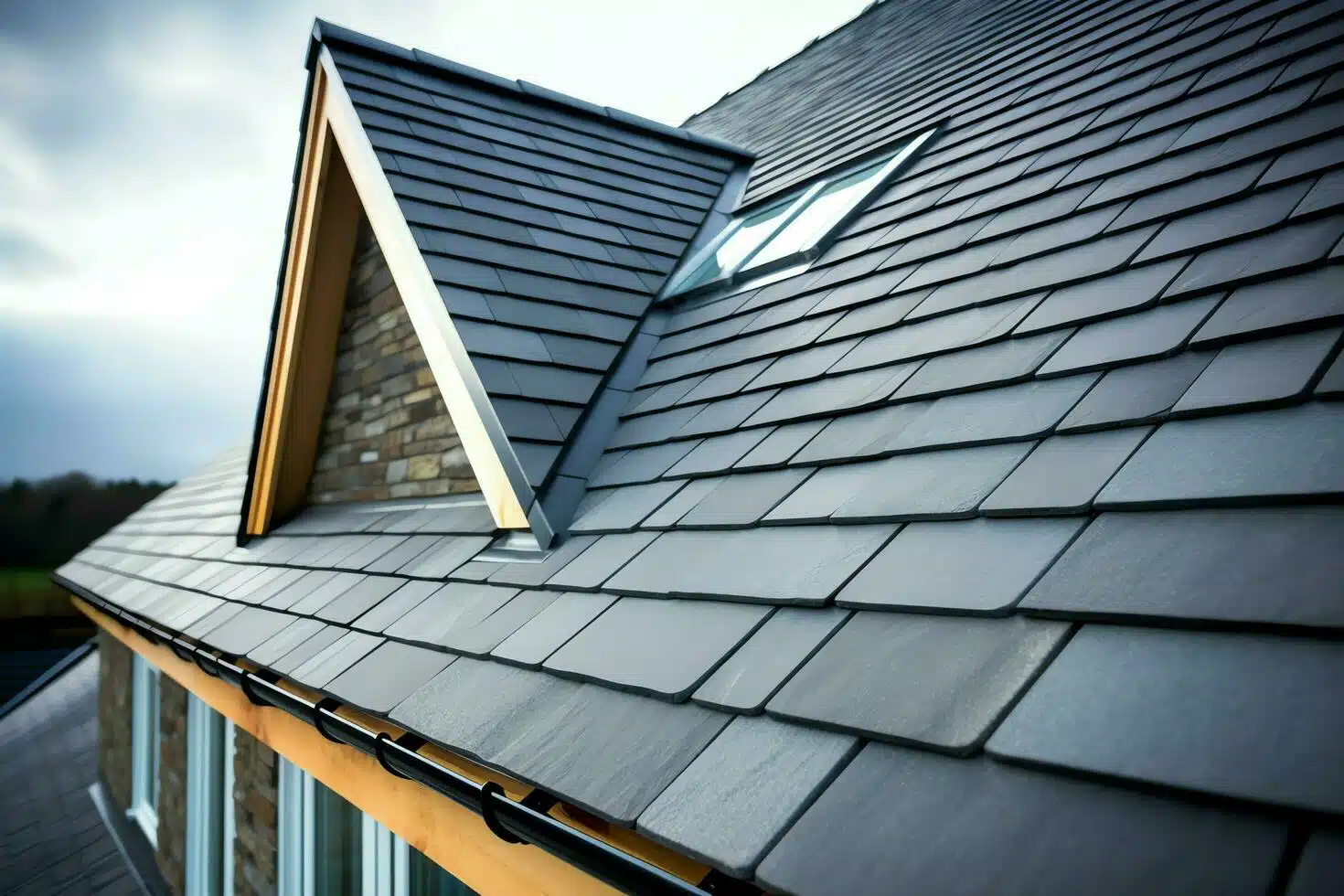
A pitched roof is simply a roof with inclined, sloping surfaces that meet at a central ridge, creating that familiar triangular shape. In the industry, there’s a clear dividing line: any roof with a slope over 10 degrees is officially considered a pitched roof. If the incline is 10 degrees or less, it’s classified as a flat roof.
This isn’t just technical jargon; this difference completely changes how the roof handles water. As noted by experts at Atlas Roofing, this design is especially effective because it sheds high annual rainfall so efficiently. In Dublin, where a light drizzle can turn into a downpour in a matter of minutes, this gravitational advantage isn’t just nice to have; it’s non-negotiable.
How Roof Pitch is Measured and Why It Matters
Roof pitch is just another way of saying steepness. It’s usually expressed as a ratio, like the vertical rise for every horizontal run (for example, 4:12), or simply in degrees. In Dublin, the pitch of a typical family home generally falls somewhere between 20 and 45 degrees. We’d call this a normal pitch.
Anything over 45 degrees is considered a steep pitch, while anything below 20 degrees is a low pitch. This measurement is incredibly important because it dictates which roofing materials you can safely use. Tile and slate manufacturers specify minimum pitches for their products to drain water effectively. If you put a slate designed for a 30-degree slope on a 15-degree roof, you’re asking for trouble, wind will blow rainwater right up under the laps and into your house. The team at Vertex Roofers points out that steeper pitches not only help rainwater run off faster but can also reduce the growth of moss, a very common issue in our damp climate.
Common Pitched Roof Styles Found on Dublin Properties
Just take a walk through any Dublin neighbourhood, and you’ll see a whole variety of roof shapes above you. The style of the roof often tells you a bit about the age of the house and how much usable space is inside.
Gable Roof
The gable roof is probably the most recognisable shape in all of Ireland, the one a child would draw. It’s made of two sloping sides that meet at a central ridge, forming a triangular wall, known as the gable, at each end. This design is simple and cost-effective to build, which is why you see it on countless housing estates across Dublin. As The Plan Collection highlights, while it might be basic, this style provides plenty of attic space and sheds water beautifully.
Hip Roof
A hip roof has four sloping sides that all meet at a ridge or a single point at the top. This means there are no flat, vertical gable ends. This design offers fantastic stability and resistance to wind. Its aerodynamic shape makes it a perfect choice for more exposed or coastal spots in County Dublin, like Howth or Dún Laoghaire, where strong winds are a real and frequent concern.
Mono-pitch (Shed) Roof
This style is just a single, sloping plane. Imagine a flat roof that has been tilted up on one side. Mono-pitch roofs have become very popular for modern home extensions, especially for bright, open kitchens or single-storey additions at the back of a house. They are simpler to construct than more complex roofs and allow for high windows that flood a room with natural light.
Mansard and Gambrel Roofs
These two styles are all about creating as much interior space as possible. Both designs feature dual slopes on their sides. A Gambrel roof has two slopes on each side, giving it that classic barn-like appearance. A Mansard roof has two slopes on all four sides, with the lower slope being much steeper than the one above it. These designs are cleverly engineered to maximise the usable attic or loft space. You’ll spot Mansard roofs on some of the older, European-style architecture in Georgian Dublin, where the top floor is built right into the roof structure itself.
Pitched Roof vs. Flat Roof for Dublin Homes
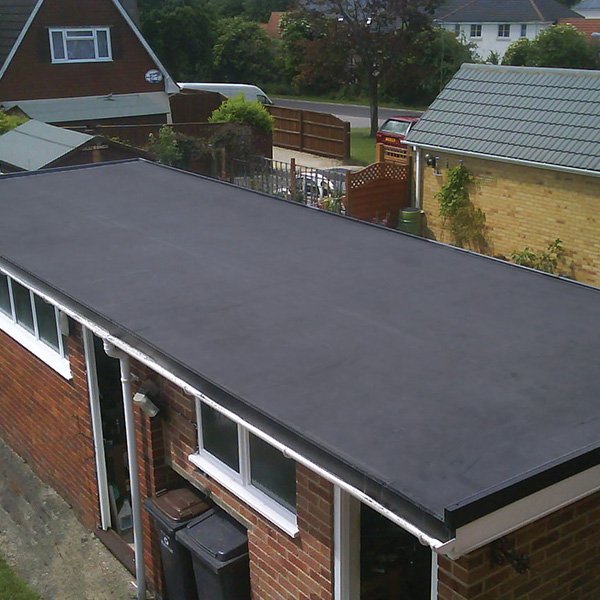
For anyone planning an extension, this is often a key debate. The right choice really comes down to drainage, longevity, and cost. When it comes to drainage, pitched roofs win hands down. Gravity does all the hard work, whereas flat roofs have to rely on very slight gradients and perfectly sealed membranes to prevent water from ponding. As JP Carroll Roofing points out, because flat roofs are much more prone to ponding, they often require more vigilant and stressful maintenance.
Lifespan is the next big difference. Pitched roofs almost always last longer. You can expect a well-maintained slate or tile roof to serve you for 40 to 50 years, whereas a felt or rubber flat roof might need to be replaced in 20 to 25 years. This gives the pitched option much better lifetime value. Quick Roofing explains that while flat roofs have a lower initial installation cost, you may end up replacing them twice in the time one pitched roof would have lasted.
Aesthetics play a big part, too. Pitched roofs feel right at home with the traditional look of Dublin’s streetscapes; they simply blend in. Flat roofs are better suited to contemporary designs and open up the possibility of a roof terrace, but they can sometimes look out of place on a traditional terraced road.
Choosing the Right Materials for a Pitched Roof in Ireland
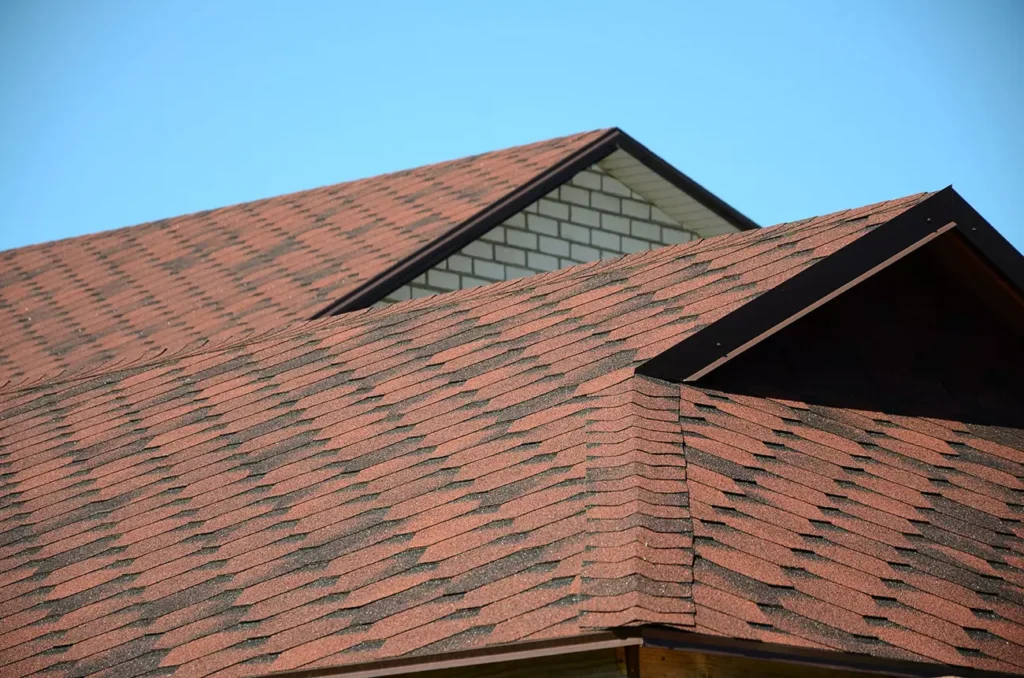
The material you see on the outside of your roof is its first line of defence. Here in Dublin, the most common choices are roof tiles and slates. Natural slates are the premium choice and are often required on period houses to maintain their heritage standards. They are incredibly durable and beautiful but come with a higher price tag. Man-made or composite slates can offer a similar look for a lower cost.
Concrete tiles are the real workhorse of modern housing developments. They are strong, affordable, and come in a wide range of colours. Clay tiles offer a distinctive warm, reddish colour but can be more brittle than concrete. Metal roofing is another option that’s gaining popularity; it’s extremely durable and surprisingly lightweight.
Your choice of material impacts the weight your house has to bear. Heavier materials like natural slate and concrete tiles require a robust timber structure to support them. Crucially, every material has a minimum recommended pitch to ensure it remains weather-tight. As the team at Emergency Roofers Dublin always verifies, if your roof is too flat for the tile you’ve chosen, water will find a way to creep in.
The Cost of a New Pitched Roof in Dublin
A quality roof is a serious investment in your home. Pitched roofs are typically more expensive to install upfront than flat roofs. This is because they require more materials, more hours of skilled labour, and a more complex timber structure to support everything.
Costs in Dublin can vary widely depending on the size of your roof, how easy it is to access, and its complexity. A simple gable roof on a semi-detached house will cost less than a complex hip roof with multiple valleys and dormer windows. Your choice of material will also swing the price significantly; natural slate, for instance, costs far more than concrete tile.
While the initial outlay is higher, the return on that investment comes from its incredible longevity. A pitched roof often provides much better lifetime value thanks to its 50-year-plus lifespan. A flat roof might look like the cheaper option on day one, but if you have to replace it twice in the time one pitched roof lasts, those initial savings have completely vanished. At Emergency Roofers Dublin, we provide project-specific written quotations in euros (€) to make sure you have a perfectly clear financial picture before any work begins.
Potential Drawbacks and Limitations of Pitched Roofs
Even so, pitched roofs aren’t the perfect solution for every single scenario. Besides the higher upfront cost, they place a much greater structural load on the building’s foundations and walls. If you want to convert an existing flat roof to a pitched one, it often requires significant structural upgrades to handle all that extra weight. As Civil Today highlights, pitched roofs aren’t well-suited for buildings with very complex layouts or wide spans without using expensive, custom-built trusses.
The slope also makes any kind of DIY access unsafe. Trying to clean gutters or check on a loose tile on a 40-degree slope is not a job for a homeowner with a ladder. You need professional help for safe inspections and repairs. The complex structure can also mean longer installation times compared to simply rolling out a flat roof membrane. And finally, you do lose the option of having a roof garden or terrace, which can be a tough trade-off in urban areas where every bit of outdoor space is a premium.
How Your Pitched Roof is Constructed
The shape you see from the street is created by a timber skeleton underneath. The angle of a pitched roof is set by its structural frame, which is made of either rafters or trusses. Rafters are the traditional method, where individual timbers are cut on-site and run from the central ridge down to the eaves. This approach allows for more open attic space, making a future conversion much easier.
Trusses are the modern alternative. These are pre-engineered triangular frames that are built in a factory and then craned into place on-site. They distribute weight very efficiently and are much quicker to install, but their web of internal supports makes converting the attic space very difficult, if not impossible. As Marley explains, the design must account for the roof’s own dead weight plus the potential loads from heavy rain and strong winds. Here at Emergency Roofers Dublin, we always work with structural engineers for any major alterations to ensure the timber skeleton can safely take the strain.
Maintaining Your Pitched Roof, Gutters, and Chimney
A little bit of neglect is the number one cause of a roof failing before its time. Regular inspection is key, even though pitched roofs generally need less frequent major repairs than flat ones. It’s a good idea to check for any cracked or slipped tiles after every major storm. Strong winds can lift slates, leaving the felt underneath exposed to damaging UV light and rain.
Pay close attention to the flashings around chimneys and in valleys. These metal strips are what seal the joints where the roof changes direction or meets a wall. If they crack or come loose, water gets in. And always keep your gutters and downpipes clear. A pitched roof is designed to shed a large volume of water rapidly. If the gutter is blocked with leaves and moss, that water has nowhere to go but to overflow, soaking the fascia boards and running down your walls. Emergency Roofers Dublin offers combined roof, gutter, and chimney inspections to make sure your entire water management system is working exactly as it should.
When to Consider a Pitched Roof Replacement
Even the best roofs have a lifespan. It’s time to start thinking about a replacement if your roof is nearing its end-of-life, which for slate and tile is often around the 50-year mark. If you find yourself constantly dealing with leaks in different parts of the house, patching them up is just throwing good money after bad.
Look out for any structural issues. Sagging rafters or a bowed look along the ridgeline are clear signs that the timbers are failing or the load is too great for them. As O’Donnell Roofing suggests, think of a full replacement as a long-term investment in your property. It’s also the perfect opportunity to upgrade your insulation, improve the guttering system, and repair any chimney issues all at once. This comprehensive approach not only protects your home but also increases its value and comfort.
Why Choose Emergency Roofers Dublin for Your Pitched Roof
We specialise in meeting the specific needs of Dublin’s diverse housing stock. From delicate Georgian restorations to brand-new modern extensions, we understand exactly how our local weather impacts different roofing materials. We don’t guess; we properly assess whether your roof needs a targeted, surgical repair or a full replacement. We will always recommend the correct materials for your property’s specific pitch and location.
Our team provides clear, transparent quotations in euros, so you know exactly what the job will cost before we start. And when the weather takes a turn for the worse, and a leak appears at 2 AM, we offer emergency call-outs to handle storm damage. Your roof is your home’s primary shield against the elements. Trust it to the experts at Emergency Roofers Dublin.
Commonly Asked Questions
That depends entirely on the specific tile you’re using. Generally speaking, standard interlocking concrete tiles need a minimum pitch of about 22.5 degrees to stay weather-tight. There are some specialised low-pitch tiles that can work on angles as low as 15 degrees, while traditional plain tiles often need a much steeper pitch of 35 degrees or more.
The pitch determines how water flows from one tile down to the next. If the roof is too flat for the tile, wind-driven rain can get pushed up underneath them, which leads to leaks and rot.
It's vital for homeowners to check the manufacturer's specifications before buying materials. Using a standard tile on a low-pitch extension is a very common cause of roof failure in Dublin. Always check with a professional roofer that your chosen material is a good match for your roof's geometry.
Yes, as a rule, pitched roofs have a higher upfront installation cost than flat roofs. This is because they need a more complex timber structure (rafters or trusses), they have a larger surface area to cover, and materials like slate or concrete tiles cost more than bitumen or rubber membranes.
However, you should always look at the cost over the entire lifespan of the roof. A pitched roof can easily last over 50 years, while a flat roof might need to be completely redone every 20-25 years.
So while you pay more at the start, the cost-per-year of a pitched roof is often much lower. For anyone planning to stay in their Dublin home for the long term, the durability of a pitched roof means you'll face fewer major expenses down the line.
A professionally installed pitched roof using good quality slate or concrete tiles will typically last between 40 and 50 years. With premium natural slate, it can often last much longer than that.
The steep slope gets rid of water instantly, which prevents the standing water and freeze-thaw damage that degrades flat roof materials over time. Making sure you have a high-quality underlay and correct ventilation will also extend the life of the timbers underneath.
To get the most out of this lifespan, make sure moss is removed periodically and that your gutters are kept clean. Neglecting this simple maintenance can easily cut a 50-year roof's life down to just 30 years because of rot or water getting in.
The single biggest advantage is superior drainage. The slope uses gravity to clear rainwater away the second it lands, which is absolutely critical in Dublin’s rainy environment.
Beyond that, pitched roofs create a loft space that allows for much thicker insulation, which improves your home's energy efficiency. They also offer greater structural stability against strong winds when compared to large, flat roofs.
All this makes the pitched roof the safest and most reliable choice for protecting a property against damp and mould. It’s a passive defence system that works brilliantly without having to rely on perfect seals that can fail over time.
Yes, you certainly can. Flat-to-pitch conversions are quite common, but you should know that they are significant construction projects. They involve building an entirely new timber structure over the existing flat roof.
You absolutely must involve a structural engineer. The home's original walls and foundations were designed to support a lightweight flat roof. Adding the considerable weight of heavy timbers and tiles might mean the foundations or walls need to be reinforced first.
You may also need planning permission, as you will be changing the height and overall appearance of the building. This kind of conversion is a fantastic way to eliminate recurring flat roof leaks and add real value, but it is a major investment.
A gable roof has two sloping sides that meet at a ridge, which creates a vertical triangular wall (the gable) at each end of the house. A hip roof, on the other hand, has four sloping sides that all meet at the top, which means there are no vertical gable walls at all.
Hip roofs are more aerodynamic and therefore more stable in high winds, making them a great choice for exposed locations. Gable roofs are generally cheaper and easier to build, and they provide more usable attic space.
In the windier coastal parts of Dublin, a hip roof is often the smarter structural choice. However, if you think you might want to convert the attic one day, a gable roof will give you more headroom and make it easier to install stairs.
It’s a good idea to schedule a professional inspection at least once a year, ideally in the autumn before the winter storm season kicks in. On top of that, you should do your own visual checks from the ground after any particularly bad storm.
Regular inspections will catch things like cracked tiles, loose flashings, and blocked gutters before water has a chance to get inside your ceiling. Small leaks in pitched roofs can go unnoticed for months, quietly rotting the timber from the inside out.
Remember, preventative maintenance is always cheaper than an emergency repair. Paying a small fee for a survey could save you thousands in treating dry rot down the line.
For sheer longevity and classic good looks, natural slate is widely considered the best material, often lasting for over 80 years. However, for most modern homes, concrete tiles offer the best blend of cost-effectiveness and durability.
The best material really depends on your budget and how strong your roof's structure is. Heavy tiles need strong rafters to support them. Metal roofing is an excellent choice for low pitches but it does create a very different, more contemporary look.
For a great balance of value and performance in Dublin, fibre-cement (man-made) slate or high-quality concrete tiles are the standard recommendation. They resist our frost and rain very effectively without the premium price of Welsh slate.
Yes, a steeper roof pitch will increase the installation cost. A steeper angle actually increases the total surface area of the roof, which means you need more tiles, more underlay, and more labour to cover a building with the same footprint.
Steeper roofs are also more difficult and dangerous for roofers to work on. They can’t walk on them as easily and will likely need extra scaffolding and safety equipment, which adds to the labour costs.
While it is more expensive, a steeper pitch generally stays cleaner and lasts longer because it sheds water and debris much more aggressively than a lower pitch.
Key warning signs include seeing daylight through the roof boards when you're in the attic, noticing a sag along the main ridge line, or seeing widespread cracking across many tiles. If you feel like you're constantly calling someone out to repair leaks in different places, the entire system has likely reached the end of its life.
From the outside, look for large patches of moss (which traps water against the tiles), buckling or damaged flashings, or a build-up of tile granules in your gutters.
If your roof is over 50 years old and is showing these signs, a simple patch repair is a false economy. A full replacement will secure your property for the next half-century.
Absolutely. A pitched roof naturally creates a loft or attic void, which acts as a fantastic buffer zone between the outside elements and your living space below. This space is very easy to fill with deep layers of mineral wool insulation.
As we all know, heat rises. By properly insulating either the floor of the attic (known as a cold roof) or the rafters themselves (a warm roof), you can dramatically reduce heat loss. Flat roofs often have space constraints that limit how thick the insulation can be.
Properly insulating your pitched roof is one of the single most effective ways to improve your home's BER rating and lower your heating bills in Dublin.
The most critical piece of maintenance is keeping your gutters and the valleys in your roof clear of moss and fallen leaves. Blocked drainage forces rainwater to back up, and it can then get underneath the tiles.
You should also check the flashings (the lead work around chimneys and windows) for any cracks. Any broken or slipped tiles should be replaced as soon as possible. Moss removal is sometimes debated; aggressive power washing can damage older tiles, so a gentle scraping is usually the better option.
And don't forget to look at the soffits and fascia boards. If the timber along your roofline starts to rot, it can allow birds, pests, and moisture directly into your attic space.